Master the art of making pear jam with this complete expert guide, designed for home cooks seeking to create delicious, safe preserves. This step-by-step protocol covers everything from selecting the best pears to ensuring proper canning techniques, highlighting why each detail matters for flavor and food safety. Elevate your kitchen skills and enjoy the sweet rewards of homemade pear jam.
What This Guide Covers (And What It Doesn’t)
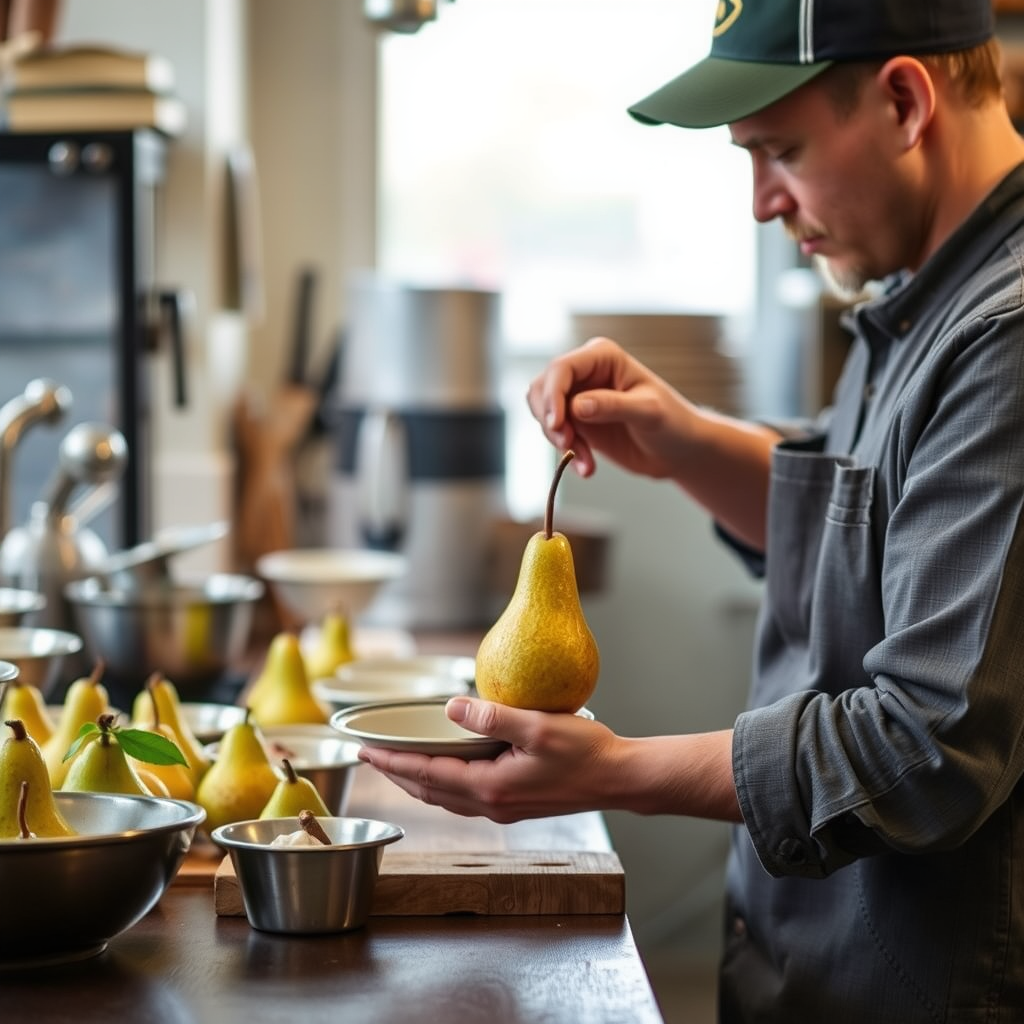
This guide offers a thorough, step-by-step protocol for safely making pear jam, complete with ingredient measurements, necessary equipment, and essential techniques. You will discover how to choose the best pears, understand the importance of acidity, and ensure a successful canning process. However, it does not address other fruit jams or jellies, nor does it cover canning methods for foods outside of pear jam. Aimed at home cooks with some experience in jam-making, this guide assumes familiarity with kitchen equipment and safety practices, though expert-level knowledge is not required. Additionally, it does not provide troubleshooting for food preservation or cooking techniques unrelated to jam.
Who Should Read This
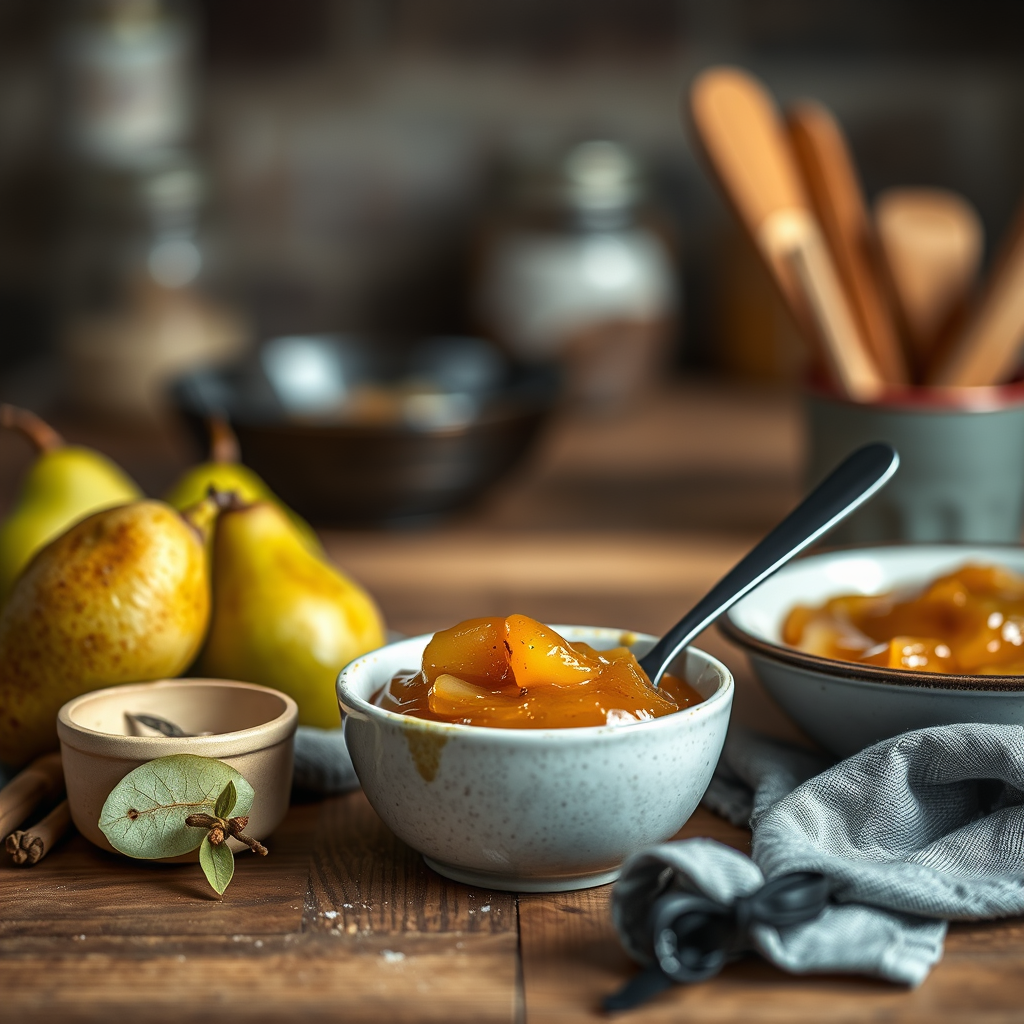
This article is designed for home cooks eager to enhance their skills by learning to make pear jam from scratch, especially those who relish the prospect of preserving seasonal fruits. Those who have previously made other types of jam or jelly but are new to pears will find this guide particularly helpful. Beginners without prior experience might find the detailed steps daunting; they may want to start with simpler recipes or seek introductory resources on jam-making. Food enthusiasts focused on sustainable practices will appreciate the careful approach to crafting homemade pear jam without preservatives.
The Step-by-Step Protocol
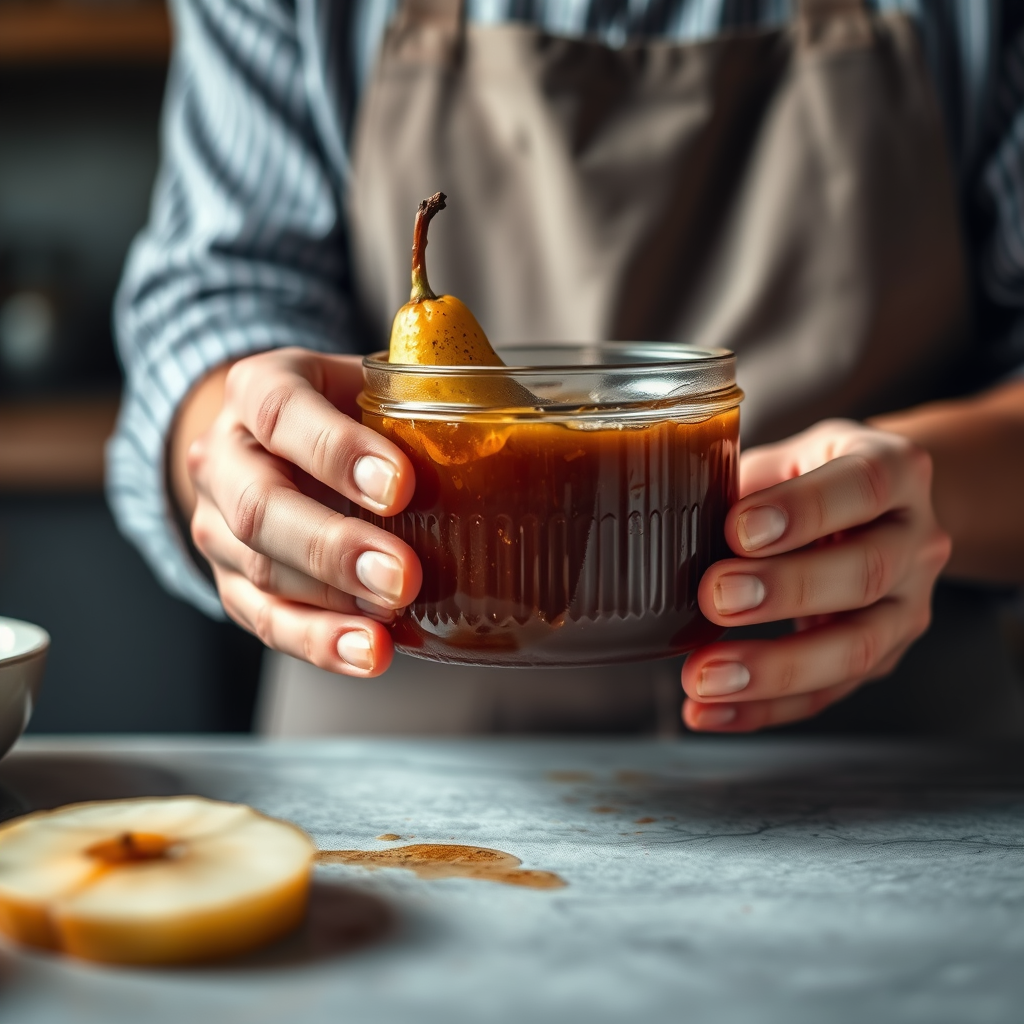
1. Gather Ingredients: You will need 4 cups of peeled, cored, and diced ripe pears, 2 cups of granulated sugar, and 1/4 cup of freshly squeezed lemon juice. Opt for ripe pears, such as Bartlett or Bosc, as they deliver the best flavor and texture.
2. Prepare Equipment: Sterilize four 8-ounce canning jars and lids by boiling them in water for 10 minutes. Ensure that all utensils, including a large saucepan, wooden spoon, and ladle, are clean and dry to prevent any contamination.
3. Cook the Pears: In a large saucepan, combine the diced pears, sugar, and lemon juice. Cook over medium heat, stirring frequently until the sugar dissolves and the mixture reaches a gentle simmer. This initial cooking phase typically lasts about 10-15 minutes.
4. Check Consistency: Use a candy thermometer to monitor the temperature; the jam should reach 220°F (104°C) for safe preservation. Stir continuously to prevent scorching. To test for doneness, place a spoonful of the mixture on a chilled plate and run your finger through it; if it holds its shape, it’s ready for canning.
5. Fill Jars: Once the jam has achieved the desired consistency, remove it from heat. Carefully ladle the hot jam into the sterilized jars, leaving about 1/4 inch of headspace at the top. Wipe the rims of the jars with a clean, damp cloth to remove any residue.
6. Seal Jars: Place the sterilized lids on each jar and screw on the metal bands until they are fingertip-tight. Avoid overtightening, as this can inhibit proper sealing.
7. Process the Jars: Process the jars in a boiling water bath for 10 minutes to ensure a proper seal and eliminate any remaining bacteria. Make sure the water covers the jars by at least one inch. After processing, remove the jars and let them cool on a clean towel or cooling rack.
8. Check Seals: Once the jars are cool, press down on the center of each lid. If it doesn’t pop back, the jar has sealed correctly. If any jars did not seal, refrigerate them and use within a few weeks.
9. Label and Store: Label the jars with the date and contents. Store your sealed pear jam in a cool, dark place. Properly sealed jars can last up to one year.
Warning Signs: When Not to Follow This
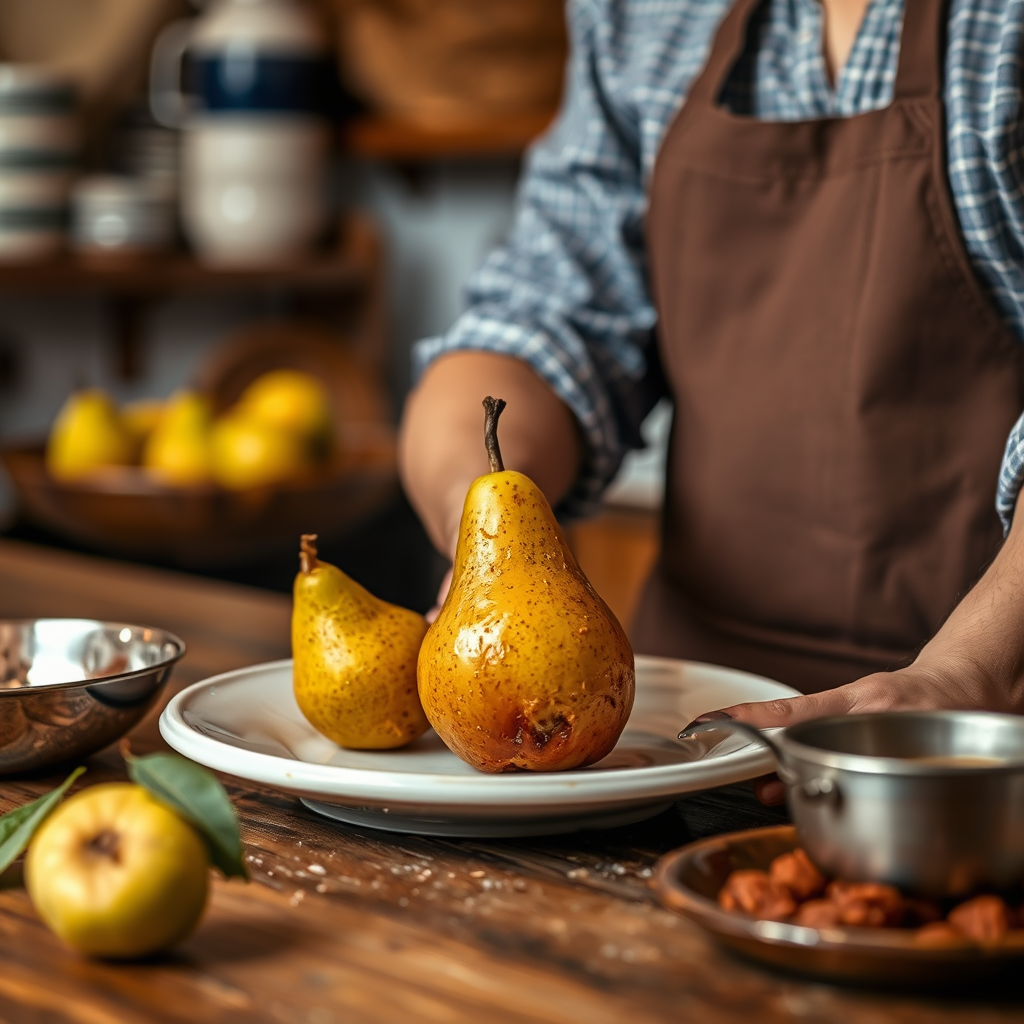
Avoid attempting this recipe if your pears are overly ripe or showing signs of spoilage, as this can lead to fermentation. Do not proceed if you lack the necessary equipment, such as sterilized jars or a reliable temperature gauge, both critical for safe canning. If you have any allergies or sensitivities to the listed ingredients (pears, sugar, lemon), do not attempt this recipe without making substitutions or consulting a professional. If you are uncertain about food safety practices, such as proper sterilization or sealing techniques, it may be best to seek assistance or refrain from attempting this recipe.
The Most Common Mistakes (And Their Consequences)
– Improper Sterilization: Many home cooks overlook the importance of properly sterilizing their jars, leading to bacterial contamination and spoilage of the pear jam within weeks. Always ensure jars are adequately sterilized before use.
– Skipping Lemon Juice: Omitting lemon juice can result in a jam lacking necessary acidity, crucial for safe preservation and capable of significantly altering the flavor. Always include the recommended acid for safety.
– Temperature Mismanagement: Failing to monitor the temperature accurately can lead to undercooked jam, which may not set, or overcooked jam, which can become caramelized and lose the fresh pear flavor. Use a reliable candy thermometer to avoid these pitfalls.
– Using Unripe Pears: Using unripe pears can produce a gritty jam that lacks natural sweetness, leading to dissatisfaction with the final product. Choose fully ripe pears for the best results.
Special Cases That Need a Different Approach
– Different Pear Varieties: If you are using a different variety of pears, such as Bosc or Anjou, you may need to adjust the sugar content based on their sweetness levels. Taste the mixture before adding all the sugar, and adjust as necessary.
– Low-Sugar Options: For those wishing to make low-sugar pear jam, consider using a pectin specifically designed for low-sugar recipes; follow the instructions on the pectin package closely, as they may differ from traditional methods.
– Chunkier Texture: If you prefer a chunkier texture, chop the pears into larger pieces; however, this may require a longer cooking time to achieve the desired consistency. Keep monitoring for the correct setting point.
– Spiced Variations: For a spiced version, add 1 teaspoon of cinnamon or nutmeg during the cooking process, but adjust the sugar levels accordingly to maintain balance. This addition can impart warmth and complexity to the flavor profile.
When You Need a Professional
If you notice any signs of mold or detect off-smells after sealing your jars, do not consume the jam; consult a food safety expert or discard the product. In the event of allergic reactions after consuming homemade pear jam, seek medical assistance immediately and consult a food safety professional about ingredient sourcing. If you are uncertain about the canning process or feel a lack of confidence in your skills, consider reaching out to a local extension office or culinary expert for a hands-on workshop. For large-scale production or selling homemade jam, consult a licensed food preservation expert to ensure compliance with local food safety regulations.
Sources and Further Reading
– “The USDA Complete Guide to Home Canning” – a comprehensive resource for safe canning practices, available through the USDA website.
– “Ball Blue Book of Canning and Preserving” – a trusted guide that includes various fruit jam recipes with proven methods and safety tips.
– “Canning Pears: A Complete Guide” by the National Center for Home Food Preservation – specific insights into preserving pears effectively and safely.
– Research articles on food safety and preservation from reputable culinary institutes, such as the Culinary Institute of America and the Institute of Food Technologists.
By following this detailed protocol, you can experience the joy of making delicious pear jam safely and successfully. Happy canning!
Frequently Asked Questions
What ingredients do I need for a basic pear jam recipe?
To make a basic pear jam recipe, you’ll need ripe pears, granulated sugar, lemon juice, and pectin. This combination helps to ensure that your jam has the right balance of sweetness and acidity, while pectin aids in achieving the desired consistency.
How do I prepare pears for making jam?
To prepare pears for making jam, start by washing the fruit thoroughly, then peel and core them. Chop the pears into small pieces to help them cook down evenly, and consider macerating them with sugar for about an hour to draw out their juices, which enhances the flavor of your pear jam.
Why is pectin important in a pear jam recipe?
Pectin is crucial in a pear jam recipe because it acts as a gelling agent that helps the jam set properly. Without pectin, your jam may remain runny and not achieve the thick, spreadable consistency that is characteristic of homemade jams.
What is the best way to store homemade pear jam?
The best way to store homemade pear jam is to keep it in sterilized glass jars with airtight lids. After canning, ensure the jars are sealed properly and store them in a cool, dark place; once opened, refrigerate the jam and consume it within a few weeks for optimal freshness.
Which spices can enhance the flavor of my pear jam?
To enhance the flavor of your pear jam, consider adding spices such as cinnamon, nutmeg, or ginger. These spices complement the sweetness of pears and can give your jam a unique twist, making it perfect for spreading on toast or using in desserts.
References
- Fruit preserves
https://en.wikipedia.org/wiki/Jam - https://www.ncbi.nlm.nih.gov/pmc/articles/PMC6613948/
https://www.ncbi.nlm.nih.gov/pmc/articles/PMC6613948/ - https://www.verywellfit.com/what-is-jam-4176981
https://www.verywellfit.com/what-is-jam-4176981 - https://www.extension.umn.edu/food/food-safety/preserving-fruits/pear-jam/
https://www.extension.umn.edu/food/food-safety/preserving-fruits/pear-jam/ - Google Scholar Google Scholar
https://scholar.google.com/scholar?q=pear+jam+recipe - Google Scholar Google Scholar
https://scholar.google.com/scholar?q=making+jam+with+pears - Google Scholar Google Scholar
https://scholar.google.com/scholar?q=fruit+preservation+pear+jam - https://www.foodsafety.gov/keep/charts/jam.html
https://www.foodsafety.gov/keep/charts/jam.html - pear jam recipe – Search results
https://en.wikipedia.org/wiki/Special:Search?search=pear+jam+recipe - https://www.ncbi.nlm.nih.gov/search/research-articles/?term=pear+jam+recipe
https://www.ncbi.nlm.nih.gov/search/research-articles/?term=pear+jam+recipe