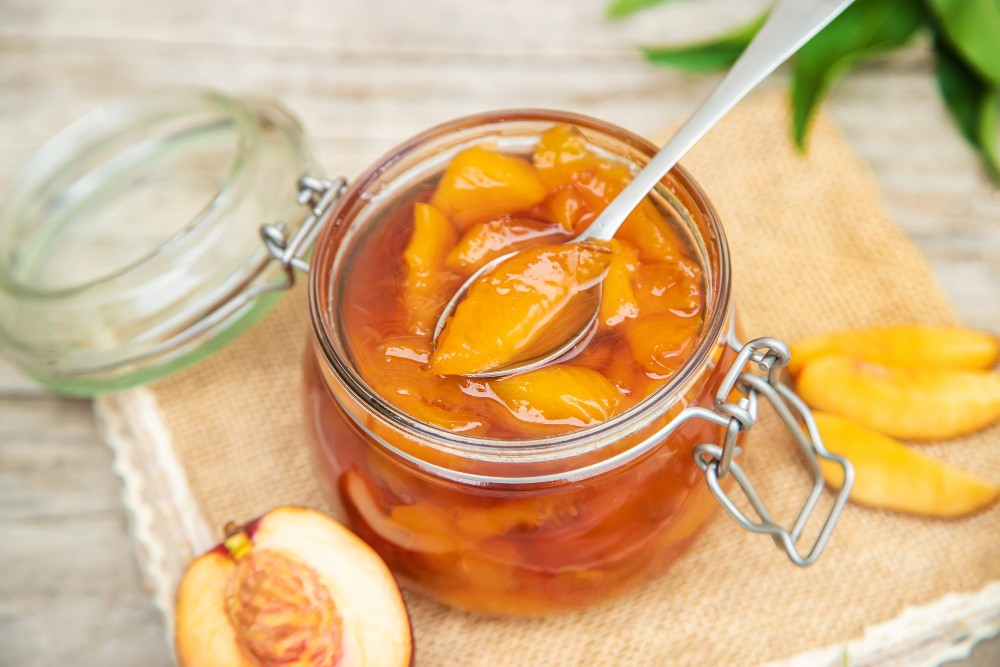
Mastering peach jam recipes is essential for anyone seeking to create delicious, homemade preserves that capture the essence of summer. This comprehensive expert guide covers safe canning techniques, the best ingredients, and step-by-step processes to ensure your jam is both flavorful and safe for consumption. Following the right protocols not only enhances taste but also prevents spoilage, making this guide indispensable for both novice and seasoned canners.
What This Guide Covers (And What It Doesn’t)
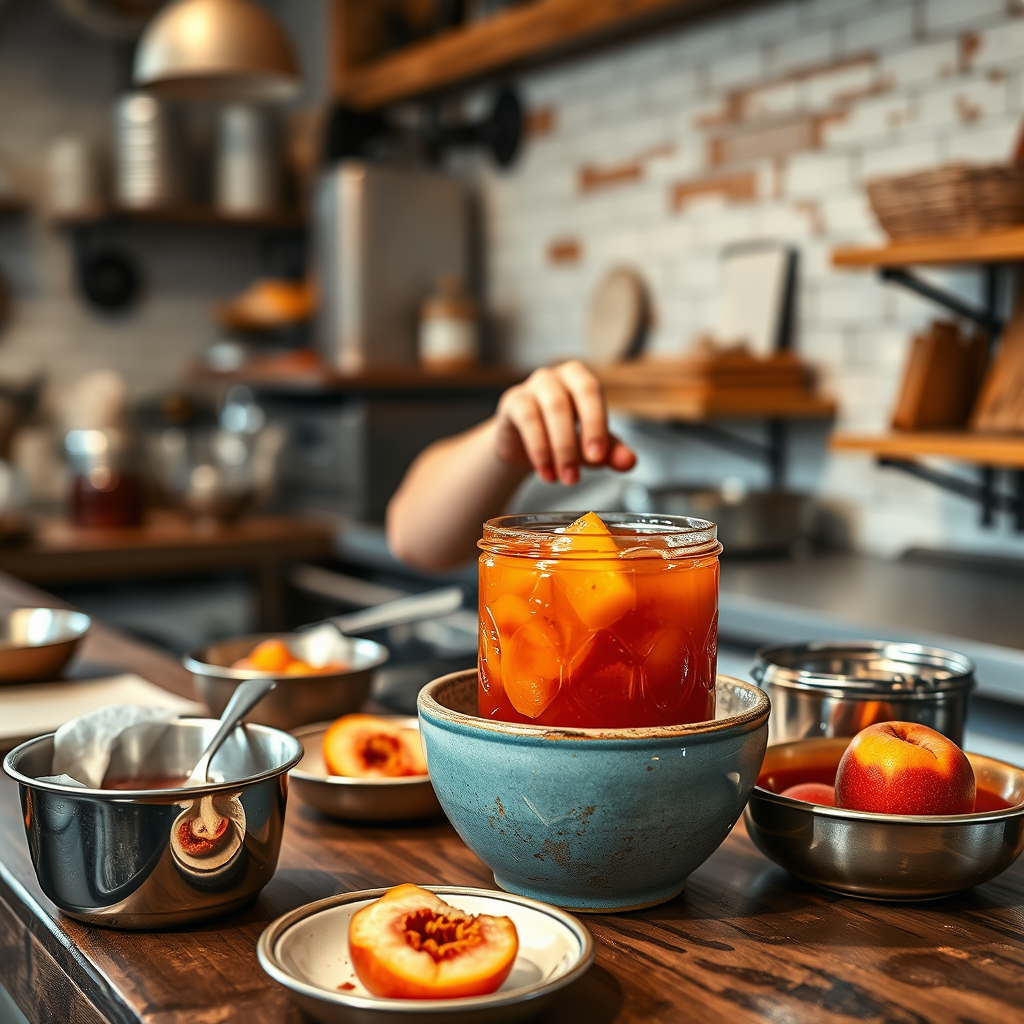
This guide offers in-depth, expert-level instructions for making peach jam, with a strong emphasis on safety and proper canning techniques to ensure success. You’ll find a variety of recipes, including low-sugar and traditional peach jam, along with tips for selecting the best peaches and achieving the perfect consistency. While the focus remains solely on peach jam, this approach allows for a deeper understanding of the subject matter without diverging into other fruit preserves or jams.
Who Should Read This
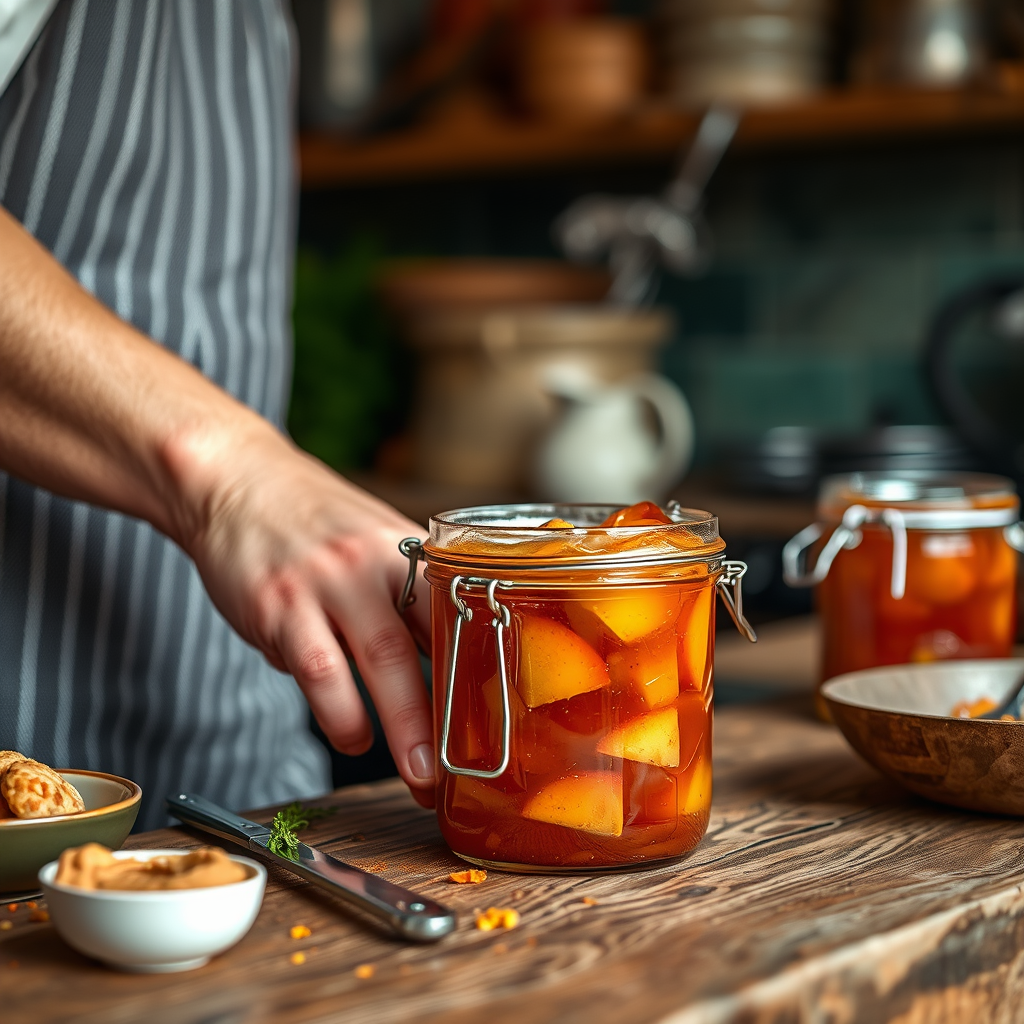
This guide is designed for home cooks who have a basic understanding of canning and preserving, as well as those eager to refine their skills in making fruit jams. It caters to individuals who have access to fresh peaches and are looking to use them effectively while ensuring food safety throughout the process. Readers lacking prior experience in canning or preserving may find the content challenging and are encouraged to consult beginner resources before tackling these recipes.
The Step-by-Step Protocol
1. Select Fresh Peaches: Choose 2-3 pounds of ripe, firm peaches that are ideally free from blemishes. Look for peaches that yield slightly to pressure but are not overly soft; this ensures maximum flavor and proper gelling.
2. Prepare the Peaches: Thoroughly wash your peaches to remove any pesticides or dirt. You can peel them using a paring knife or blanch them briefly in boiling water for easier peeling. Remove the pits and chop the peaches into small pieces (about 1/4 inch) for even cooking. Measure out 4 cups of prepared peaches—this precision is crucial for maintaining the correct ratios in your jam.
3. Combine Ingredients: In a large, heavy-bottomed pot, mix the chopped peaches with 1/4 cup of freshly squeezed lemon juice and 1 package of pectin (1.75 oz) for traditional jam or 1/2 package for low-sugar versions. The lemon juice enhances the flavor while acidifying the mixture, which is vital for safe canning.
4. Cook and Stir: Bring the mixture to a boil over medium heat, stirring constantly to prevent sticking. Once boiling, add 5 cups of granulated sugar all at once and stir until completely dissolved. Return to a rapid boil for exactly 1 minute; this step is essential to activate the pectin and achieve the desired consistency.
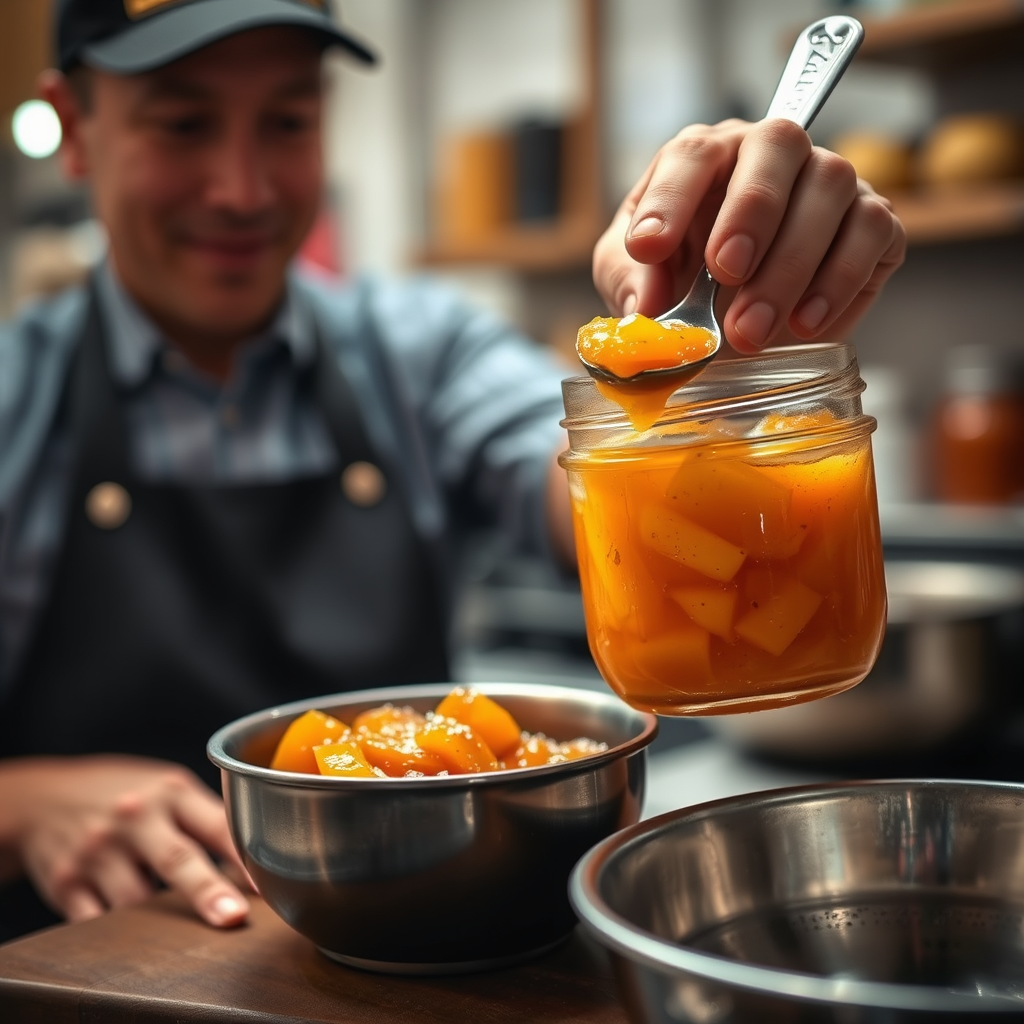
5. Test the Consistency: After boiling, remove the pot from heat and perform a gel test. Place a spoonful of the jam mixture on a chilled plate and let it sit for a minute. Run your finger through it; if it holds its shape and wrinkles slightly, it’s ready. If not, return it to heat and boil for an additional 1-2 minutes before retesting.
6. Prepare Canning Jars: While the jam is cooking, sterilize your canning jars and lids by placing them in a boiling water bath for 10 minutes. Keep them hot until you are ready to fill them, as this helps maintain the integrity of the jars and prevents cracking.
7. Fill the Jars: Using a ladle, carefully fill each sterilized jar with hot peach jam, leaving about 1/4 inch of headspace. Wipe the rims of the jars with a clean, damp cloth to remove any residue that could prevent sealing.
8. Seal and Process: Place the sterilized lids on the jars and screw on the bands until fingertip-tight. Process the jars in a boiling water bath for 10 minutes (adjusting for altitude as necessary). Ensure that the water covers the jars by at least one inch during processing.
9. Cool and Store: After processing, remove the jars from the water bath and let them cool completely on a clean towel or cooling rack. Once cool, check the seals by pressing the center of each lid; it should not flex. Store sealed jars in a cool, dark place. Unsealed jars can be refrigerated and used within 2 weeks.
Warning Signs: When Not to Follow This

– If you notice any signs of spoilage or mold on your peaches, do not proceed with the jam-making process. This can compromise the quality and safety of the final product.
– Avoid making peach jam if your kitchen environment is not clean and sanitized, as improper hygiene can lead to contamination and foodborne illnesses.
– If your peaches are overly soft or overripe, they may not set properly. Using peaches with a firm texture is crucial for the best results.
The Most Common Mistakes (And Their Consequences)
– A common mistake is mismeasuring the sugar. Using too little sugar can prevent the jam from gelling properly, resulting in a syrupy consistency that does not set.
– Skipping the step of sterilizing jars and lids can lead to bacterial growth. Always ensure that your canning equipment is properly sanitized before use to avoid foodborne illness.
– Failing to follow the boiling time precisely can affect the jam’s shelf life. Under-cooking may result in spoilage, while overcooking can cause the jam to become too thick or caramelized, altering both flavor and texture.
Special Cases That Need a Different Approach
– For individuals with dietary restrictions, consider substituting granulated sugar with alternatives like agave syrup or using a low-sugar pectin, adjusting the quantities accordingly. Always verify that the substitution maintains safe acidity levels for canning.
– If using frozen peaches, ensure they are completely thawed and drained before measuring, as excess moisture can alter the jam’s texture and gelling capabilities.
– Those living at high altitudes should consult altitude-specific canning guidelines, as they may need to adjust cooking times and sugar ratios to achieve the desired results.
When You Need a Professional
– If you have uncertain pH levels in your peach jam mixture, consult a food safety expert to ensure proper acidity for safe canning, especially if you’re experimenting with added ingredients like herbs or spices.
– For issues with the canning process, such as jars not sealing properly, it’s advisable to reach out to a local extension office or a certified canning expert for troubleshooting.
– Anyone with serious allergies to fruits or preservatives should seek professional guidance from a nutritionist or food safety expert before attempting to make peach jam.
Sources and Further Reading
– USDA Complete Guide to Home Canning – Provides comprehensive guidelines on safe canning practices and recipes.
– National Center for Home Food Preservation – A trusted resource for preserving fruits and vegetables, offering tested recipes and safety tips.
– Ball Blue Book Guide to Preserving – A well-regarded reference for home canning, providing recipes and techniques specifically for fruit jams and jellies.
By following this comprehensive guide, you can confidently create delicious peach jam that captures the essence of summer in every jar. Enjoy the fruits of your labor—literally!
Frequently Asked Questions
What are the essential ingredients for homemade peach jam?
To make homemade peach jam, you will need fresh peaches, granulated sugar, lemon juice, and pectin. Fresh, ripe peaches are crucial for optimal flavor, while sugar helps preserve the jam and enhances sweetness. Lemon juice adds acidity, balancing the sweetness and ensuring proper gel formation with pectin, which thickens the jam.
How do I properly prepare peaches for making jam?
Preparing peaches for jam involves washing, peeling, and pitting them. Start by blanching the peaches in boiling water for about 30 seconds to loosen the skins, then transfer them to an ice bath. Once cooled, the skins can be easily removed, and you can chop the peaches into small pieces for even cooking in your jam recipe.
Why is pectin important in peach jam recipes?
Pectin is a natural thickening agent that helps your peach jam achieve the desired gel-like consistency. It binds with the sugar and acid from the fruit, allowing the jam to set properly. Using pectin can significantly reduce cooking time, preserving the fresh flavor of the peaches while ensuring a stable texture.
What is the best method for canning peach jam to ensure safety?
The best method for canning peach jam includes using the water bath canning technique. Fill sterilized jars with hot jam, leaving a quarter-inch headspace, then seal with lids and process in a boiling water bath for 5-10 minutes. This method eliminates bacteria and ensures a safe shelf-life for your homemade peach jam.
Which variations can I try to enhance my peach jam recipe?
To enhance your peach jam, consider adding spices like cinnamon or ginger for warmth, or incorporating other fruits such as blueberries or raspberries for a unique flavor profile. You can also experiment with herbs like basil or mint for a refreshing twist. These variations not only add complexity but also allow you to customize your peach jam to suit your taste preferences.
References
- Fruit preserves
https://en.wikipedia.org/wiki/Jam - https://www.foodnetwork.com/recipes/articles/what-is-jam
https://www.foodnetwork.com/recipes/articles/what-is-jam - https://www.sciencedirect.com/science/article/pii/S2351978915000027
https://www.sciencedirect.com/science/article/pii/S2351978915000027 - https://www.ncbi.nlm.nih.gov/pmc/articles/PMC5018860/
https://www.ncbi.nlm.nih.gov/pmc/articles/PMC5018860/ - https://www.uga.edu/
https://www.uga.edu/ - Google Scholar Google Scholar
https://scholar.google.com/scholar?q=peach+jam+recipes - Google Scholar Google Scholar
https://scholar.google.com/scholar?q=peach+preservation+methods - Google Scholar Google Scholar
https://scholar.google.com/scholar?q=fruit+preservation - https://www.nutrition.gov/topics/food-safety/home-food-preservation/jams-jellies-and-preserves
https://www.nutrition.gov/topics/food-safety/home-food-preservation/jams-jellies-and-preserves - peach jam recipes – Search results
https://en.wikipedia.org/wiki/Special:Search?search=peach+jam+recipes