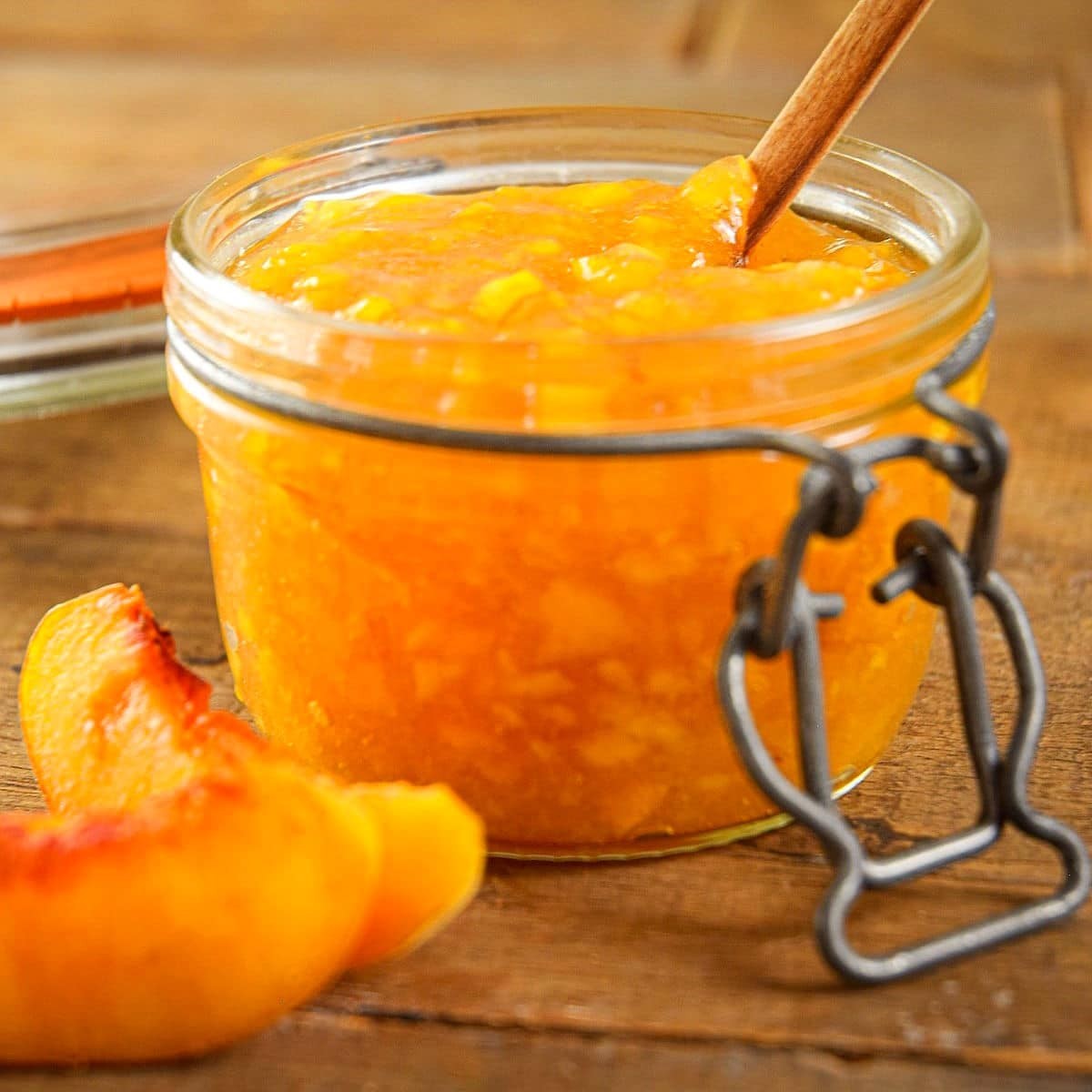
Master the art of peach freezer jam with this comprehensive guide, tailored for home canners and food preservation enthusiasts. This expert resource covers essential recipes, step-by-step procedures, and safety protocols to ensure your jam not only tastes delicious but is also safely preserved. Following the right methods is crucial to maintaining flavor and preventing spoilage, making this guide an indispensable tool for your kitchen.
What This Guide Covers (And What It Doesn’t)
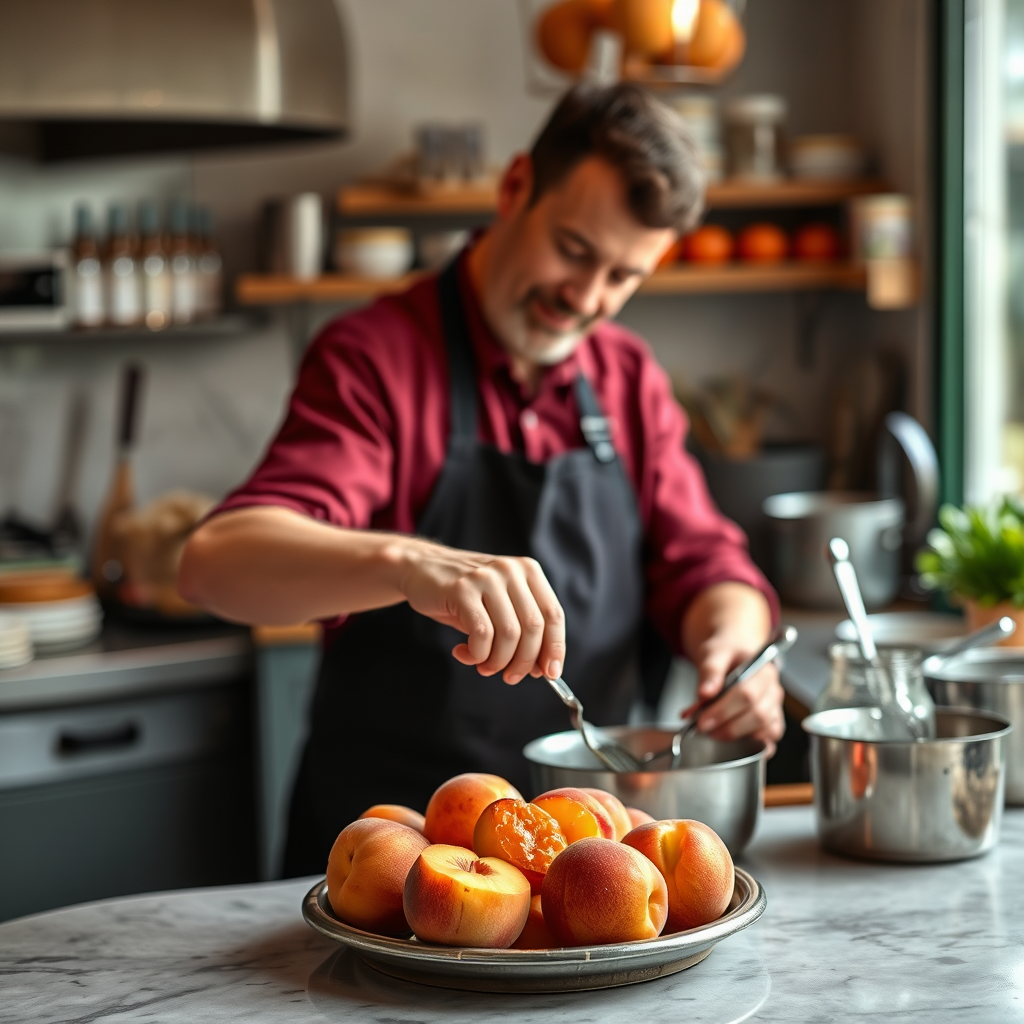
This guide presents precise techniques and recipes for crafting peach freezer jam, emphasizing safety while preserving the fruit’s vibrant flavors and essential nutrients. You will discover detailed instructions regarding the necessary ingredients, measurements, and specific equipment required for the process. Additionally, troubleshooting tips are included to ensure your jam sets correctly and retains its delicious flavor.
However, this guide does not delve into other types of jams or jellies, traditional canning methods, or long-term shelf storage outside of freezing. It is specifically tailored for those eager to create a quick and delightful peach freezer jam without the complexities associated with traditional canning.
Who Should Read This
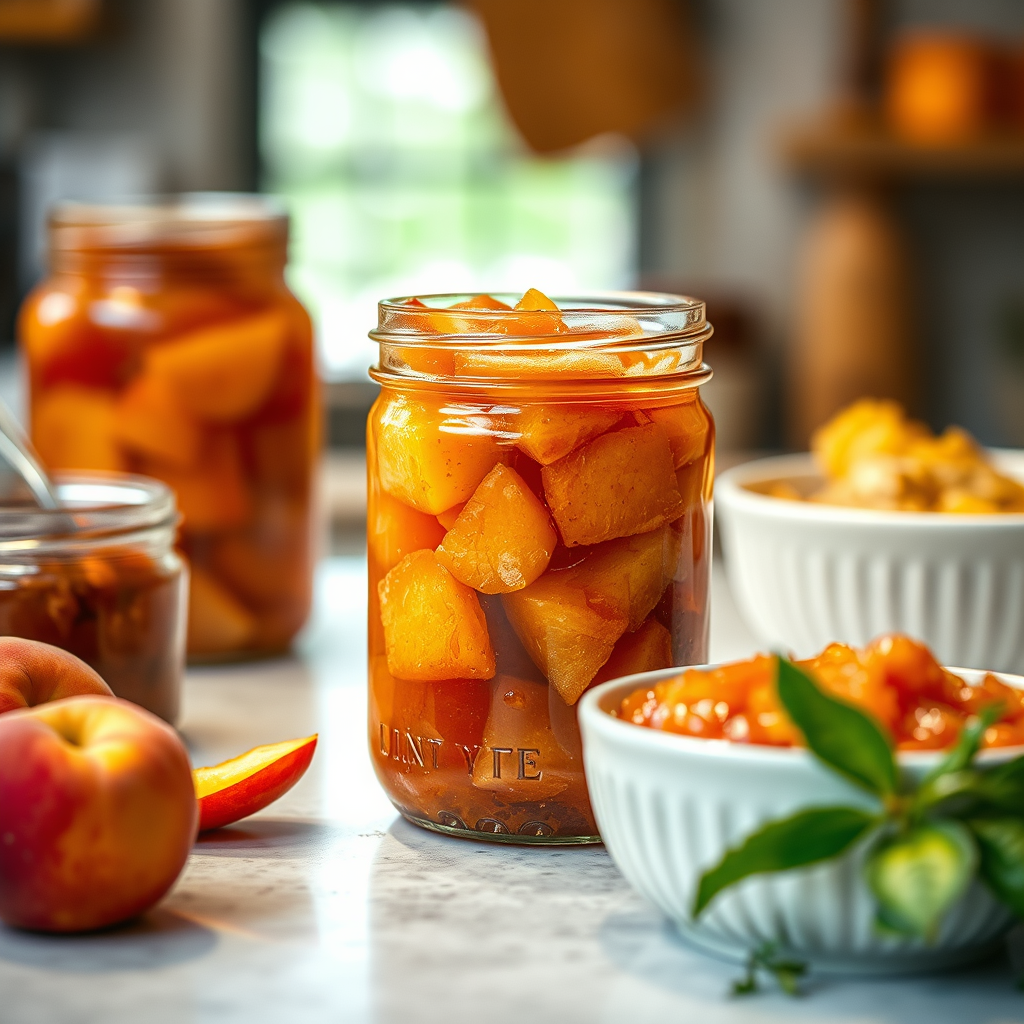
This guide is ideal for home cooks with a basic understanding of food preservation who may be new to the world of freezer jam. It caters to individuals interested in preserving seasonal fruits and offers an accessible way to enjoy peaches throughout the year. Conversely, experienced canners who favor traditional methods, or those lacking a freezer, may find this guide less applicable.
The Step-by-Step Protocol
1. Gather ingredients: You will need 2 cups of ripe, peeled, and crushed peaches, 2 cups of granulated sugar, and 1/4 cup of fruit pectin specifically designed for freezer jams. Ensure that all ingredients are fresh and of high quality for the best flavor and preservation.
2. Prepare the peaches: Wash, peel, and pit the peaches. Use a potato masher or food processor to gently mash the peaches until they achieve a smooth yet slightly chunky consistency. This texture is perfect for jam, allowing for both spreadability and fruitiness.
3. Combine ingredients: In a large, non-reactive bowl, mix the crushed peaches with the sugar thoroughly. Allow this mixture to sit for about 10 minutes to enable the sugar to dissolve. This crucial step enhances the sweetness and flavor of the peaches while ensuring even distribution.
4. Add pectin: After the resting period, stir in the fruit pectin with the peach and sugar mixture. Mix thoroughly for 2-3 minutes, ensuring the pectin is completely dissolved. This step is essential for achieving the right consistency; inadequate mixing may prevent the jam from setting properly.
5. Transfer to containers: Pour the jam mixture into clean, dry freezer-safe containers, leaving about 1/2 inch of headspace at the top to allow for expansion as the jam freezes. Seal the containers with tight-fitting lids.
6. Freeze: Place the containers in the freezer. The jam should be consumed within one year for optimal quality; however, it may remain safe to eat beyond that timeframe if stored at a consistent freezing temperature.
7. Thawing and usage: When ready to enjoy, remove the desired amount of jam from the freezer and thaw it in the refrigerator for several hours or overnight. Once thawed, consume the jam within three weeks for the best flavor.
Nutritional Comparison for Peach Freezer Jam (per tablespoon)
| # | Component | Peach Jam | Store-Bought Jam | Homemade Jam |
|---|---|---|---|---|
| 1 | Calories | 50 | 56 | 48 |
| 2 | Total Sugars | 12g | 14g | 10g |
| 3 | Dietary Fiber | 0.2g | 0g | 0.5g |
| 4 | Vitamin C | 6% RDA | 2% RDA | 8% RDA |
| 5 | Sodium | 1mg | 5mg | 0mg |
| 6 | Total Fat | 0g | 0g | 0g |
| 7 | Protein | 0.2g | 0.1g | 0.3g |
| 8 | Calcium | 0% RDA | 0% RDA | 0% RDA |
| 9 | Iron | 0% RDA | 0% RDA | 0% RDA |
| 10 | Vitamin A | 1% RDA | 0% RDA | 1% RDA |
Warning Signs: When Not to Follow This
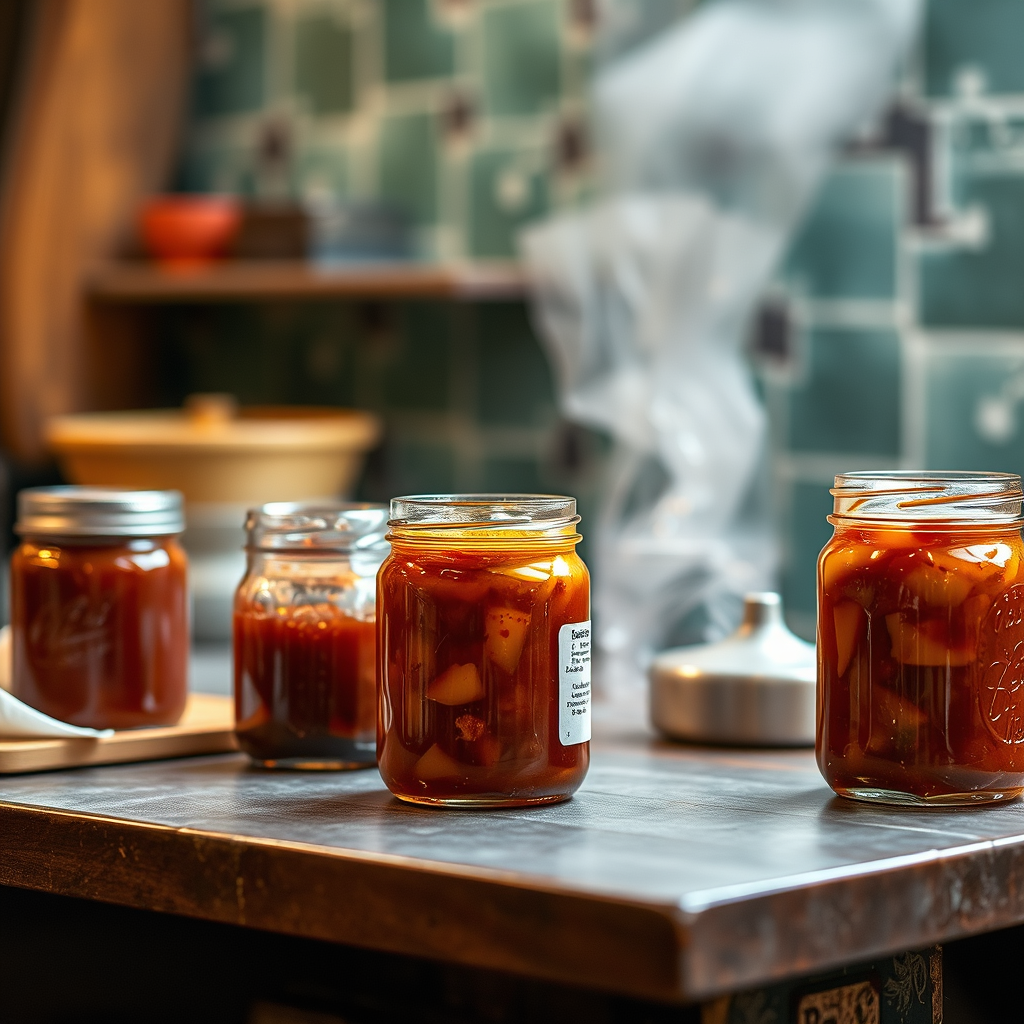
Avoid making peach freezer jam if the peaches are overly ripe or starting to ferment, as this will compromise the quality and safety of the final product. If you have not adhered to the proper measurements for sugar or pectin, do not proceed; incorrect ratios can hinder the thickening process and negatively impact flavor. Additionally, refrain from making freezer jam if you have concerns about your freezer’s temperature stability, as improper freezing may lead to spoilage.
The Most Common Mistakes (And Their Consequences)
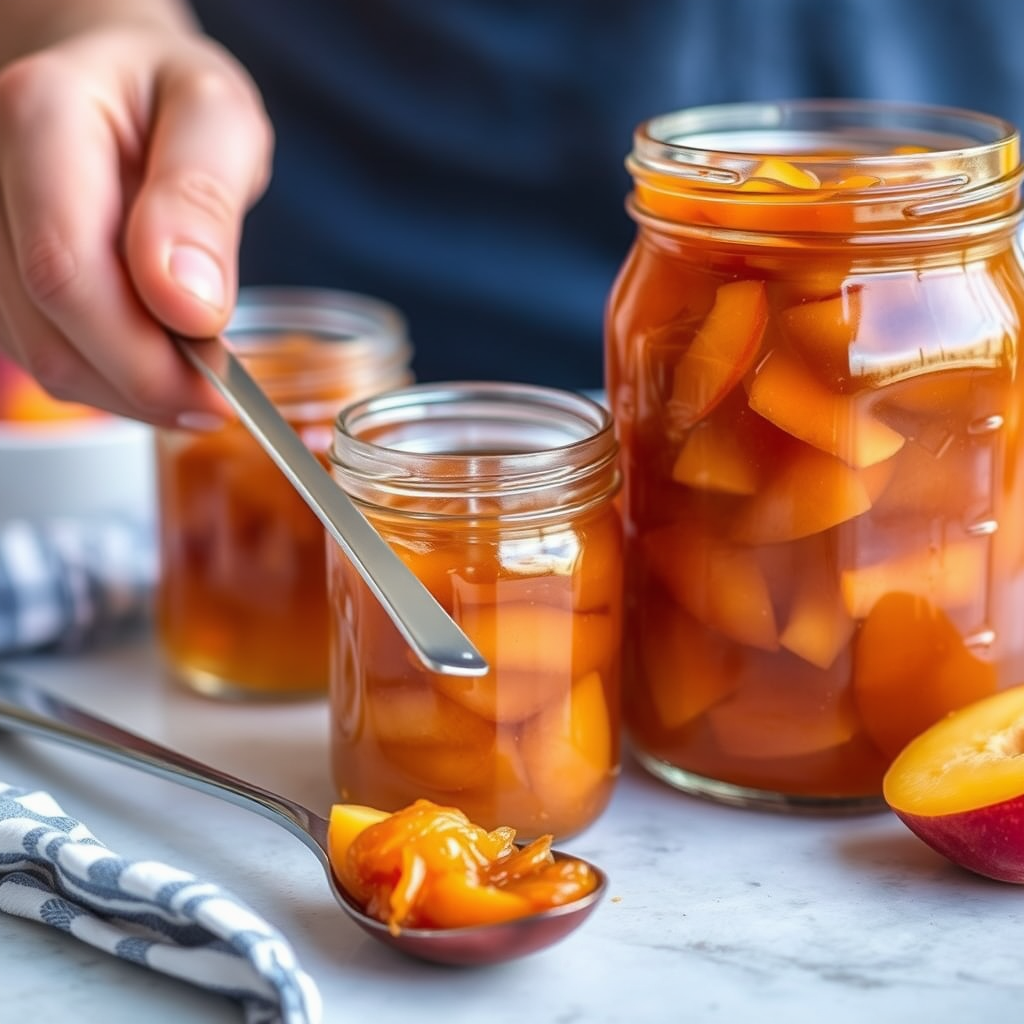
One common error is inaccurately measuring sugar. Too little sugar will result in a runny jam that fails to set, while too much can produce an overly sweet result. Insufficiently mashing the peaches can lead to an undesirable chunky texture that affects spreadability. Moreover, skipping the resting period after mixing sugar with peaches can create a gritty texture, as the sugar needs time to dissolve fully before adding pectin.
Special Cases That Need a Different Approach
If you’re using frozen peaches instead of fresh, ensure they are completely thawed and drained of excess liquid to maintain the proper consistency in the jam. For those with dietary restrictions, consider using low-sugar pectin and adjusting the sugar content accordingly, keeping in mind that this may affect the jam’s setting. If you wish to add additional flavors, such as vanilla or ginger, do so in small amounts after the initial mixing of peaches and sugar to avoid overpowering the peach flavor.
When You Need a Professional
If you notice any unusual fermentation or off odors during the jam-making process, consult a food safety expert to evaluate the potential for spoilage. For those with allergies or intolerances to specific ingredients, seeking advice from a nutritionist or dietitian before modifying the recipe is prudent. Finally, when experimenting with alternative preservation methods or complex flavor combinations, contacting a food preservation professional can help ensure both safety and quality.
Sources and Further Reading
– The National Center for Home Food Preservation offers guidelines on making freezer jams and safe food handling practices.
– “Ball Complete Book of Home Preserving” provides in-depth information on preserving fruits, including peaches.
– University Extension Services offer research-based recipes and techniques for jam and jelly making, including specifics on freezer jams.
Frequently Asked Questions
What ingredients do I need for peach freezer jam recipes?
To make peach freezer jam, you will typically need fresh peaches, granulated sugar, pectin, and lemon juice. Fresh, ripe peaches are essential for a rich flavor, while pectin helps the jam set properly. Be sure to check the pectin package for specific instructions, as different brands may have slightly varying requirements.
How do I prepare peaches for freezer jam?
To prepare peaches for freezer jam, start by washing the fruit thoroughly. Then, peel and pit the peaches before chopping them into small pieces or mashing them slightly, depending on your texture preference. It’s also helpful to add lemon juice at this stage to enhance flavor and help preserve the color of the peaches.
Why is pectin important in peach freezer jam recipes?
Pectin is a natural thickening agent that helps your peach freezer jam achieve the desired consistency. Without pectin, your jam may remain too runny and not set properly. Using the right amount of pectin, as indicated in your recipe, ensures that your jam will have a perfect spreadable texture.
What is the best way to store homemade peach freezer jam?
The best way to store homemade peach freezer jam is in airtight containers or freezer-safe jars. Leave some space at the top of the container for expansion, as the jam will expand when frozen. Properly stored, your peach freezer jam can last up to a year in the freezer while maintaining its flavor and quality.
Which pectin should I use for making peach freezer jam?
When making peach freezer jam, you can use either liquid or powdered pectin, depending on your recipe preference. Brands like Sure-Jell and Ball are popular choices and provide clear instructions on the packaging. Liquid pectin is often favored for its ease of use, while powdered pectin can offer a firmer set when used correctly.
References
- Fruit preserves
https://en.wikipedia.org/wiki/Jam - UGA
https://www.uga.edu/ - Purdue Extension
https://www.extension.purdue.edu/ - https://www.freshpreserving.com/recipes/freezer-jam.html
https://www.freshpreserving.com/recipes/freezer-jam.html - https://www.nutrition.gov/topics/food-safety/food-preservation
https://www.nutrition.gov/topics/food-safety/food-preservation - Google Scholar Google Scholar
https://scholar.google.com/scholar?q=peach+freezer+jam+recipes - Google Scholar Google Scholar
https://scholar.google.com/scholar?q=fruit+preservation+techniques - Google Scholar Google Scholar
https://scholar.google.com/scholar?q=homemade+jam+recipes - https://www.nichd.nih.gov/health/topics/nutrition/conditioninfo/food-preservation
https://www.nichd.nih.gov/health/topics/nutrition/conditioninfo/food-preservation - https://www.csrees.usda.gov/
https://www.csrees.usda.gov/