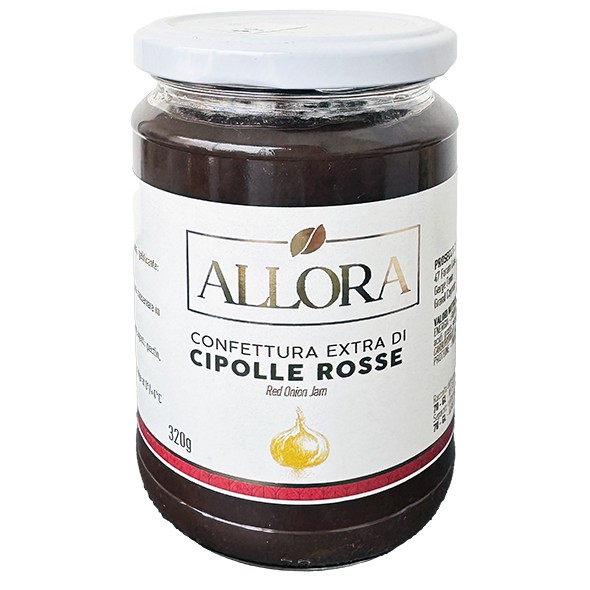
Master the art of making onion jam at home with this comprehensive expert guide, designed for both novice cooks and seasoned chefs. This recipe covers every essential step, from selecting the best onions to ensuring safe preservation techniques, guaranteeing a delicious and shelf-stable product. Following precise protocols is crucial for achieving optimal flavor and preventing food safety risks, making this guide your go-to resource for crafting the perfect onion jam.
What This Guide Covers (And What It Doesn’t)

This guide offers an in-depth onion jam recipe, meticulously detailing each step from selecting ingredients to storing the final product, all while prioritizing safety and quality. You’ll find essential information on equipment, ingredient ratios, and expert tips for achieving the perfect flavor and texture. Additionally, we provide clear instructions on food safety practices that are crucial for preserving this delightful condiment.
While our focus is on a classic onion jam recipe suitable for home canning, we do not explore variations using different onion types or additional flavorings.
Who Should Read This
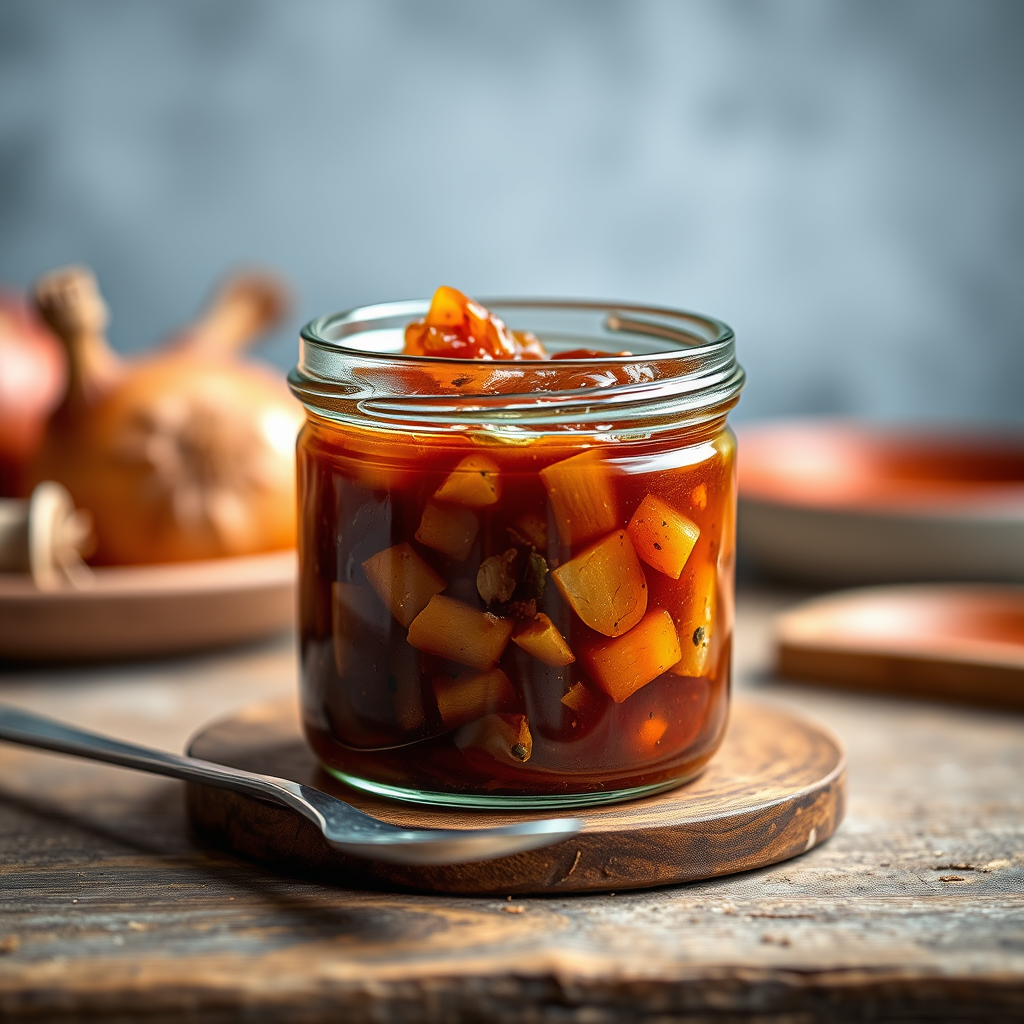
This guide is ideal for home cooks eager to enhance their culinary skills, particularly those interested in food preservation. While beginners are welcome, a basic understanding of kitchen safety and food handling principles is necessary, as the process involves safely making and storing onion jam. This guide is not suited for those unfamiliar with canning, as it assumes foundational knowledge in food preservation.
The Step-by-Step Protocol
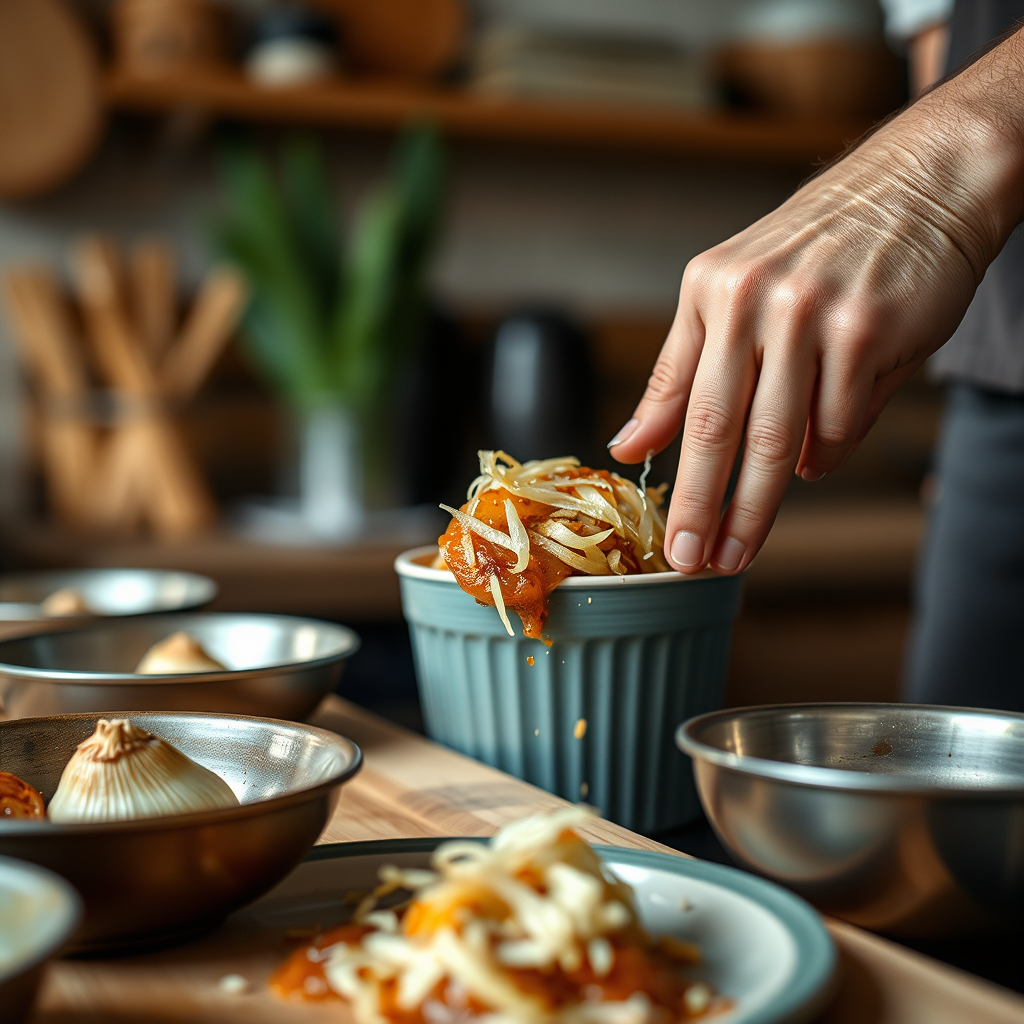
1. Gather Ingredients: Collect the following ingredients:
– 2 pounds of yellow onions
– 1 cup of brown sugar
– 1 cup of balsamic vinegar
– 1 teaspoon of salt
– 2 tablespoons of olive oil (for cooking)
Ensure all ingredients are fresh and of high quality for the best flavor.
2. Prepare the Onions: Peel and thinly slice the onions to ensure even cooking. Aim for uniform slices about 1/8 inch thick. This consistency will help the onions break down properly during cooking.
3. Cook the Onions: In a large, heavy-bottomed saucepan, heat 2 tablespoons of olive oil over medium heat. Once the oil is hot, add the sliced onions. Stir frequently for about 15-20 minutes until the onions become soft and translucent. This initial cooking phase helps release the natural sugars in the onions, enhancing the sweetness of the jam.
4. Add Remaining Ingredients: Stir in the brown sugar, balsamic vinegar, and salt. Once combined, reduce the heat to low and allow the mixture to simmer gently for 30-45 minutes. Stir occasionally to prevent sticking. The jam is ready when it thickens and coats the back of a spoon. A good test is to draw a line through the mixture with a spoon; if it holds the line, it’s thick enough.
5. Jar the Jam: While the jam is simmering, prepare your canning jars by sterilizing them. Place clean jars in boiling water for 10 minutes, then let them dry. When the jam reaches the desired consistency, ladle it into the prepared jars, leaving about 1/4 inch of headspace at the top. Wipe the rims clean with a damp cloth to ensure a proper seal.
6. Seal and Process: Place the sterilized lids on the jars and screw on the metal bands until they are fingertip-tight. Process the jars in a boiling water bath for 10-15 minutes to ensure they are sealed properly. Adjust processing time for altitude as needed: add 5 minutes for elevations above 1,000 feet.
7. Cool and Store: Carefully remove the jars from the water bath and place them on a clean kitchen towel or cooling rack. Allow them to cool completely, which may take several hours. Once cool, check the seals by pressing in the center of each lid; it should not pop back. Store sealed jars in a cool, dark place and refrigerate any jars that do not seal properly.
Warning Signs: When Not to Follow This
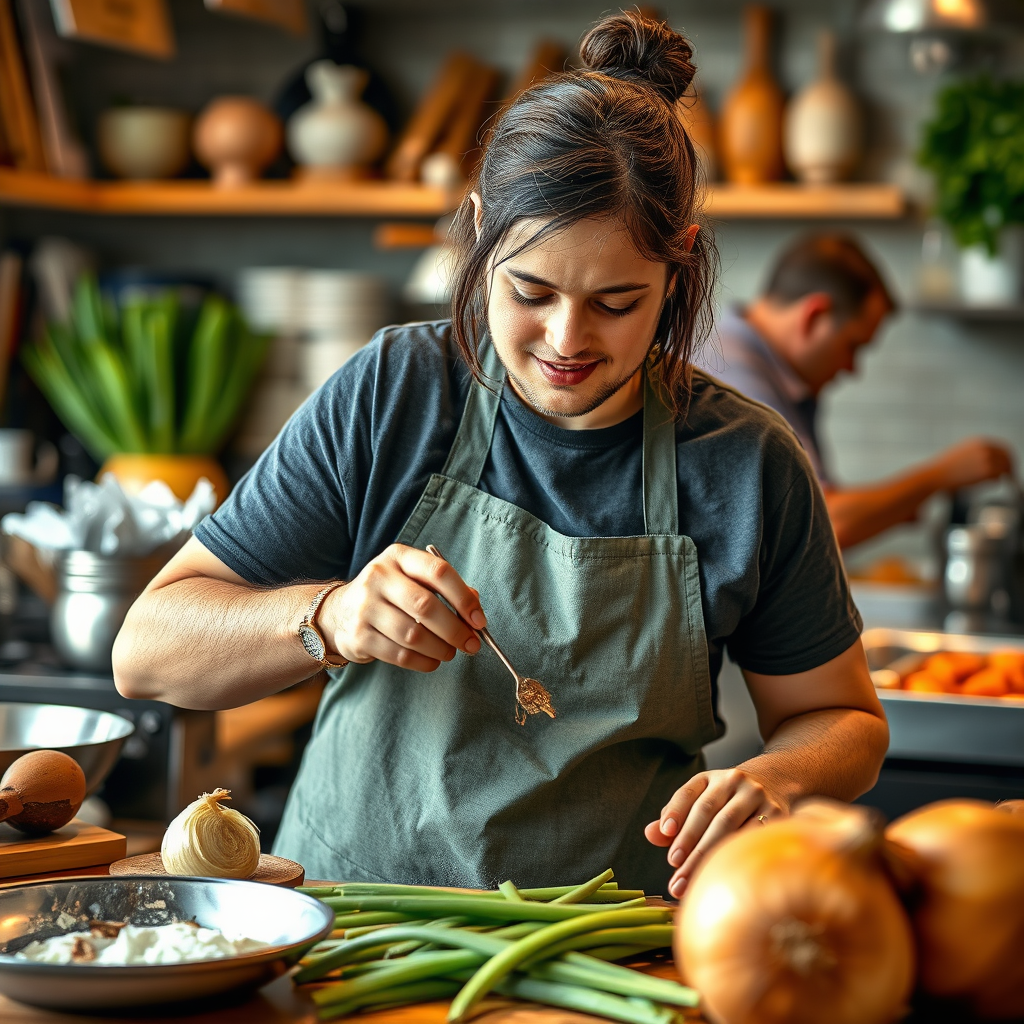
– If you notice any signs of spoilage in your onions, such as mold or an off smell, do not proceed with the recipe, as this can compromise both safety and flavor.
– Avoid making onion jam if your kitchen environment is not clean and organized; proper hygiene is essential to prevent contamination.
– If you are allergic to any of the ingredients listed, such as balsamic vinegar or sugar, do not attempt this recipe without consulting an allergist or medical professional.
The Most Common Mistakes (And Their Consequences)
– One common mistake is using sweet onions instead of yellow onions. This can lead to overly sweet jam that lacks the savory depth desired. Always opt for yellow onions for the best flavor profile.
– Failing to properly slice the onions can result in uneven cooking, leading to some pieces being burnt while others remain raw, negatively affecting the jam’s texture.
– Skipping the simmer time can yield a runny consistency that doesn’t set properly, making the jam unsuitable for spreading. Always allow the jam to simmer until it thickens adequately.
Special Cases That Need a Different Approach
– If you live in a high-altitude area, you may need to adjust cooking times and pressure canning methods to ensure safe preservation. Consult local extension services or canning guides specific to your region.
– For individuals with dietary restrictions, such as those avoiding sugar, consider using a suitable sugar substitute for cooking, but be aware that this may alter the final flavor and may require adjustments to the cooking time.
– If you plan to add herbs or spices (like thyme or chili flakes), proceed with caution and start with small amounts, as they can significantly change the flavor profile. Test in small batches before committing to larger quantities.
When You Need a Professional
– If you are unsure about the canning process or how to safely preserve onion jam, consult a certified food preservation expert before proceeding. This is crucial for ensuring safety and preventing foodborne illnesses.
– Seek professional guidance if you plan to scale the recipe significantly (e.g., doubling or tripling) without prior experience, as this can affect cooking times and safety. Larger batches may require different canning techniques.
– If you have any health conditions that affect your immune system, consider discussing food preservation methods with a healthcare provider to ensure your safety.
Sources and Further Reading
– National Center for Home Food Preservation: Guidelines for safe canning and preserving practices.
– “The Complete Book of Home Preserving” by Ball Canning: A comprehensive resource on food preservation techniques.
– USDA Complete Guide to Home Canning: An authoritative guide that includes safety information and tested recipes for home canning.
By following this detailed guide, you can successfully create delicious onion jam at home while ensuring safe food preservation practices. Enjoy the rich flavors of your homemade jam in a variety of dishes or as a delightful spread!
Frequently Asked Questions
What are the essential ingredients for a basic onion jam recipe?
A basic onion jam recipe typically requires sweet onions, sugar, vinegar (such as balsamic or apple cider), and salt. You may also add herbs like thyme or spices like black pepper to enhance the flavor. The combination of these ingredients creates a sweet and tangy jam that pairs well with meats and cheeses.
How do you make onion jam without burning the onions?
To make onion jam without burning the onions, start by cooking them on low to medium heat, allowing them to caramelize slowly. Stir frequently and add a splash of water or broth if the onions begin to stick to the pan. This method ensures even cooking and prevents burning while developing rich flavors.
Why is my onion jam too watery, and how can I thicken it?
If your onion jam turns out too watery, it may be due to insufficient cooking time or too much liquid added during the process. To thicken it, continue simmering the jam over low heat until the excess liquid evaporates. You can also add a small amount of cornstarch mixed with water to achieve a thicker consistency.
What is the best way to store homemade onion jam for maximum freshness?
The best way to store homemade onion jam is in sterilized glass jars with airtight lids. Keep the jam in the refrigerator for up to two weeks, or for longer storage, process the jars in a water bath for canning to preserve them. Properly canned onion jam can last for up to a year if stored in a cool, dark place.
Which dishes pair well with onion jam for a delicious meal?
Onion jam pairs beautifully with a variety of dishes, enhancing flavors in meats like grilled chicken, pork, or beef. It also complements cheese platters, especially with creamy cheeses like brie or goat cheese. Additionally, try using it as a topping for burgers or sandwiches for an added layer of sweetness and depth.
References
- https://en.wikipedia.org/wiki/Onion_jam
https://en.wikipedia.org/wiki/Onion_jam - https://www.bbc.co.uk/food/recipes/onion_jam_05715
https://www.bbc.co.uk/food/recipes/onion_jam_05715 - https://www.theguardian.com/food/2018/jun/15/how-to-make-onion-jam-recipe
https://www.theguardian.com/food/2018/jun/15/how-to-make-onion-jam-recipe - https://www.seriouseats.com/onion-jam-recipe-5111611
https://www.seriouseats.com/onion-jam-recipe-5111611 - https://www.foodnetwork.com/recipes/food-network-kitchen/onion-jam-recipe-2107078
https://www.foodnetwork.com/recipes/food-network-kitchen/onion-jam-recipe-2107078 - https://www.allrecipes.com/recipe/225111/onion-jam/
https://www.allrecipes.com/recipe/225111/onion-jam/ - Google Scholar Google Scholar
https://scholar.google.com/scholar?q=onion+jam+recipe - Google Scholar Google Scholar
https://scholar.google.com/scholar?q=onion+jam+culinary+techniques - Google Scholar Google Scholar
https://scholar.google.com/scholar?q=onion+jam+preservation+methods - https://www.cookinglight.com/recipes/onion-jam
https://www.cookinglight.com/recipes/onion-jam