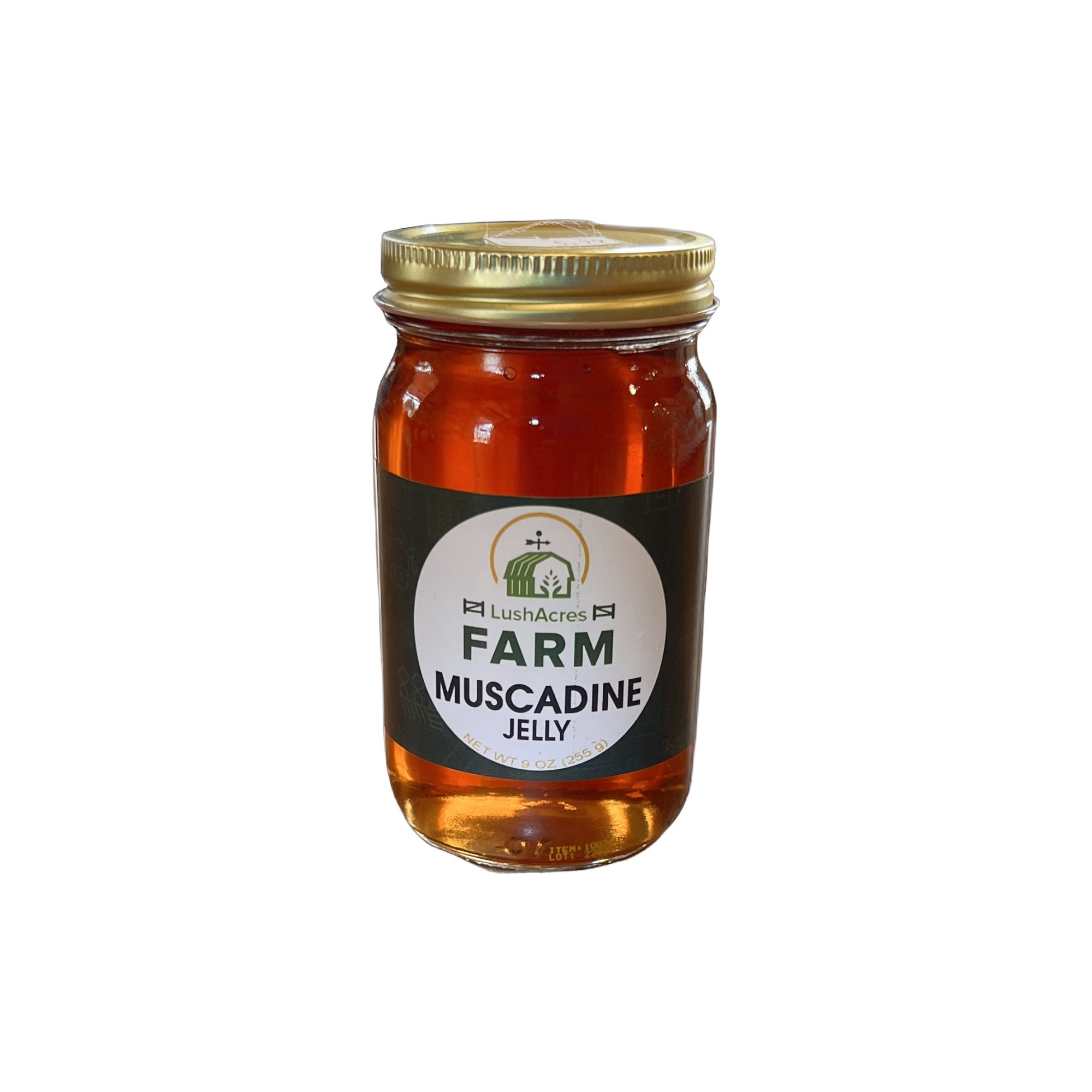
Master the art of making muscadine jelly with this comprehensive expert guide, designed for home canners and culinary enthusiasts alike. This guide provides step-by-step instructions, essential safety protocols, and tips for achieving the perfect balance of flavor and texture. Following these expert techniques ensures a delicious and safe homemade jelly that captures the unique essence of muscadine grapes.
What This Guide Covers (And What It Doesn’t)

This guide offers a detailed, step-by-step method for making muscadine jelly, complete with precise ingredient measurements, necessary equipment, and essential safety protocols. It also explores variations in recipes, including low-sugar options and the incorporation of pectin, catering to diverse preferences and dietary requirements. However, this guide does not delve into unrelated jelly-making methods or recipes for other types of fruit preserves, focusing exclusively on muscadine jelly.
Who Should Read This
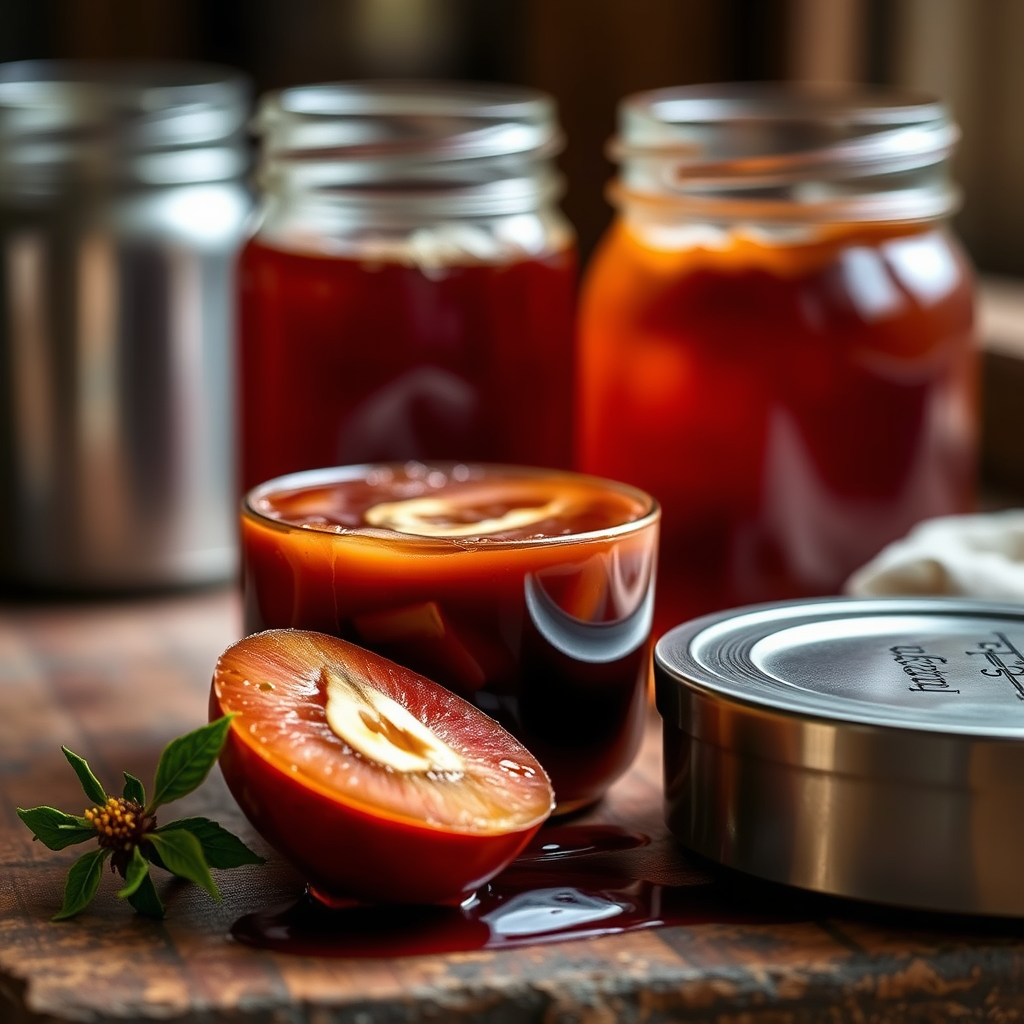
This guide is aimed at home cooks who possess a fundamental understanding of canning and preserving, particularly those eager to preserve regional Southern fruits. Whether you are a novice or an experienced canner, this resource is designed to enhance your skills and help you add muscadine jelly to your culinary repertoire. If you are unfamiliar with the canning process, consider seeking additional beginner resources on food preservation before attempting this recipe.
The Step-by-Step Protocol
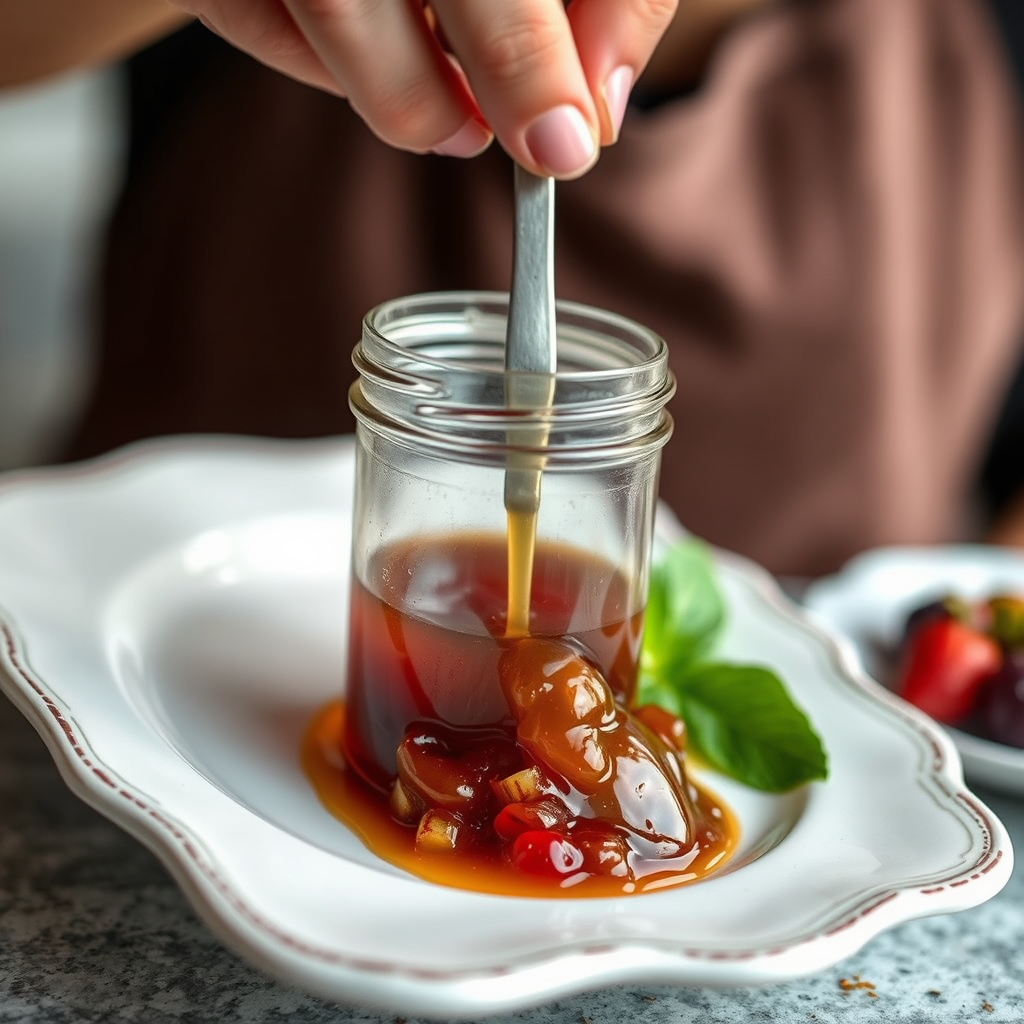
1. Gather ingredients: You will need 4 cups of muscadine grapes (washed and stemmed), 1 cup of water, 1/4 cup of lemon juice, 5 cups of granulated sugar, and 1 package of pectin.
2. Prepare the muscadines: Crush the grapes in a large pot using a potato masher, then add water and bring to a boil. Allow the mixture to simmer for 10 minutes to effectively extract the juices.
3. Strain the mixture: Use a fine mesh strainer or cheesecloth to separate the juice from the solids, collecting about 4 cups of juice for the jelly.
4. Cook the jelly: In a clean pot, combine the grape juice, lemon juice, and pectin. Bring to a rolling boil, then add the sugar all at once, stirring until fully dissolved. Boil for an additional 1-2 minutes to achieve the proper consistency.
5. Jar the jelly: Pour the hot jelly into sterilized jars, leaving 1/4 inch of headspace. Seal with lids and process the jars in a boiling water bath for 5-10 minutes to ensure proper sealing and preservation.
Muscadine Jelly Ingredients Comparison (2023)
| # | Ingredient | Quantity | Purpose |
|---|---|---|---|
| 1 | Muscadine Grapes | 4 cups | Base flavor |
| 2 | Water | 1 cup | Juice extraction |
| 3 | Lemon Juice | 1/4 cup | Acidity and flavor |
| 4 | Granulated Sugar | 5 cups | Sweetener |
| 5 | Pectin | 1 package | Thickening agent |
| 6 | Canning Jars | Varies | Storage |
| 7 | Boiling Water | As needed | Sealing process |
Warning Signs: When Not to Follow This
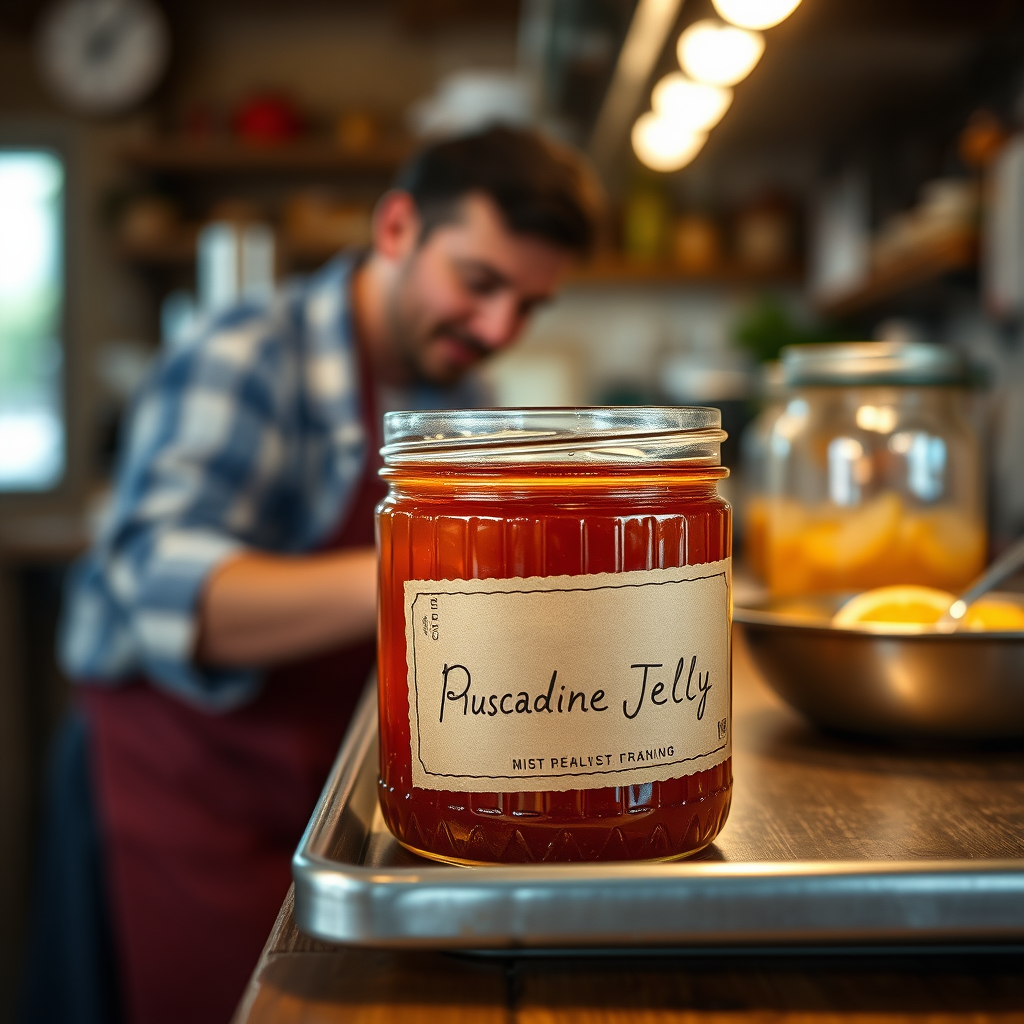
– If the muscadine grapes exhibit any signs of mold, fermentation, or an unusual odor, do not use them for jelly-making, as this could compromise both safety and flavor.
– Avoid attempting to make jelly if your cooking equipment, jars, or lids show any signs of damage or wear, as this can lead to improper sealing and spoilage.
– If you feel uncertain about your ability to adhere to safety protocols for canning, such as maintaining correct temperatures or processing times, it’s wise to reconsider making muscadine jelly.
The Most Common Mistakes (And Their Consequences)
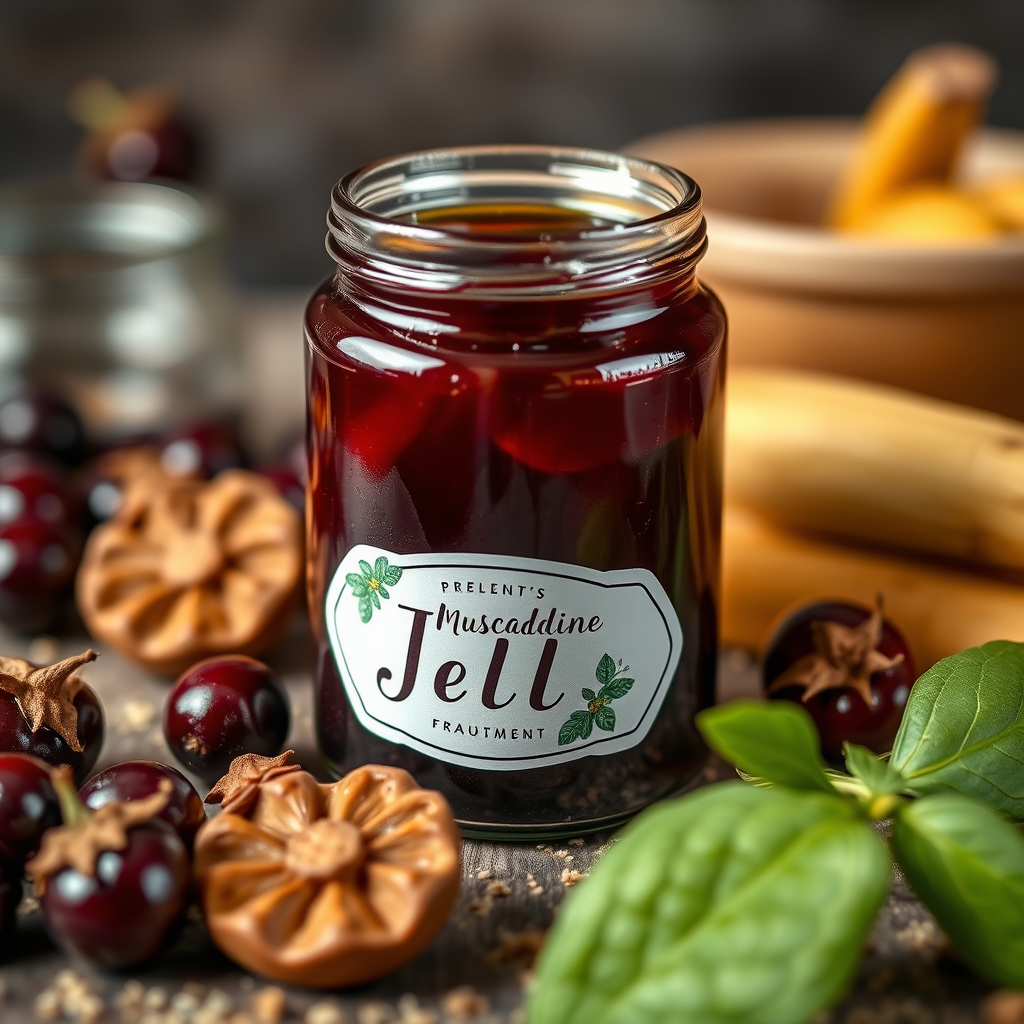
– Skipping sterilization: Failing to sterilize jars can result in bacterial contamination, spoiling the jelly and introducing food safety risks.
– Incorrect sugar measurement: Miscalculating sugar can impact both the jelly’s set and flavor. Too little sugar may lead to a runny consistency, while too much can create an overly sweet, candy-like taste.
– Insufficient boiling time: Not boiling the mixture long enough after adding sugar can prevent proper gelling, resulting in a syrupy product rather than a firm jelly.
Special Cases That Need a Different Approach
– If you want to create a low-sugar muscadine jelly, consider using low-sugar pectin and adjusting the sugar content to 2-3 cups, following the manufacturer’s instructions for gelling.
– For individuals with dietary restrictions, such as diabetics, alternative sweeteners like stevia or erythritol can be used, although results may vary in terms of flavor and consistency.
– If you are using frozen muscadine grapes, ensure they are fully thawed and drained before beginning the jelly-making process, as excess water can affect the final product’s texture.
When You Need a Professional
– If you notice any signs of spoilage in your finished jelly, such as unexpected bubbles, off odors, or discoloration, seek advice from a food safety expert.
– If you have uncertainties about the canning process or questions about safe preservation methods, consult a certified food preservation specialist before proceeding with your recipe.
– Those with specific health concerns, including food allergies or dietary restrictions, should obtain guidance from a registered dietitian or nutritionist before consuming homemade preserves.
Sources and Further Reading
– “So Easy to Preserve,” University of Georgia Cooperative Extension, offers thorough information on safe canning practices.
– “The Ball Blue Book Guide to Preserving” provides expert recipes and techniques for jelly and jam making, including muscadine jelly.
– The National Center for Home Food Preservation offers research-based information on safely preserving food at home, including fruit jellies and jams.
By following this guide, you can create muscadine jelly that captures the essence of this unique Southern fruit, allowing you to enjoy its delightful flavor for months to come. Happy canning!
Frequently Asked Questions
What ingredients do I need to make muscadine jelly?
To make muscadine jelly, you will need ripe muscadine grapes, sugar, lemon juice, and pectin. The grapes provide a rich flavor and natural sweetness, while the lemon juice enhances the acidity necessary for proper gel formation. Pectin is essential for achieving the desired jelly consistency, so choose a high-quality fruit pectin for the best results.
How do I prepare muscadine grapes for jelly making?
Preparing muscadine grapes for jelly involves washing the grapes thoroughly, removing stems, and crushing them to extract the juice. You can use a potato masher or a food processor for this step. Strain the crushed grapes through a fine mesh sieve or cheesecloth to separate the juice from the solids, which is critical for achieving a smooth jelly texture.
Why does my muscadine jelly not set properly?
If your muscadine jelly does not set, it could be due to insufficient pectin, undercooking, or too much sugar. Ensure that you use the correct amount of pectin as per package instructions, and cook the mixture to the right temperature (220°F for jelly). Additionally, if you adjust sugar levels, remember that sugar helps in gel formation, so aim for the recommended ratios.
What is the best method for canning muscadine jelly?
The best method for canning muscadine jelly is the water bath canning technique. After pouring the hot jelly into sterilized jars, seal them with lids and process them in a boiling water bath for the recommended time based on your altitude. This method helps preserve the jelly by creating a vacuum seal, ensuring a longer shelf life.
Which tools are essential for making muscadine jelly at home?
Essential tools for making muscadine jelly include a large pot for cooking, a jelly bag or fine mesh strainer for juicing, a ladle for pouring, and sterilized jars for storage. A candy thermometer is also helpful to monitor the cooking temperature accurately, ensuring your jelly sets perfectly. Additionally, having a canning funnel makes filling jars mess-free.
References
- Vitis rotundifolia
https://en.wikipedia.org/wiki/Muscadine - Dissipation of six fungicides in greenhouse-grown tomatoes with processing and health risk – PMC
https://www.ncbi.nlm.nih.gov/pmc/articles/PMC4893063/ - Privacy-Preserving Non-Wearable Occupancy Monitoring System Exploiting Wi-Fi Imaging for Next-Gen…
https://www.ncbi.nlm.nih.gov/pmc/articles/PMC7230537/ - Google Scholar Google Scholar
https://scholar.google.com/scholar?q=muscadine+jelly+recipe - Google Scholar Google Scholar
https://scholar.google.com/scholar?q=muscadine+preservation - https://www.extension.purdue.edu/extmedia/FNR/FNR-470-W.pdf
https://www.extension.purdue.edu/extmedia/FNR/FNR-470-W.pdf - https://www.extension.uga.edu/publications/detail.html?number=B1328
https://www.extension.uga.edu/publications/detail.html?number=B1328 - https://www.fs.usda.gov/wildflowers/ethnobotany/food/Muscadine.shtml
https://www.fs.usda.gov/wildflowers/ethnobotany/food/Muscadine.shtml - https://www.sciencedirect.com/topics/agricultural-and-biological-sciences/muscadine
https://www.sciencedirect.com/topics/agricultural-and-biological-sciences/muscadine - https://www.britannica.com/plant/muscadine
https://www.britannica.com/plant/muscadine