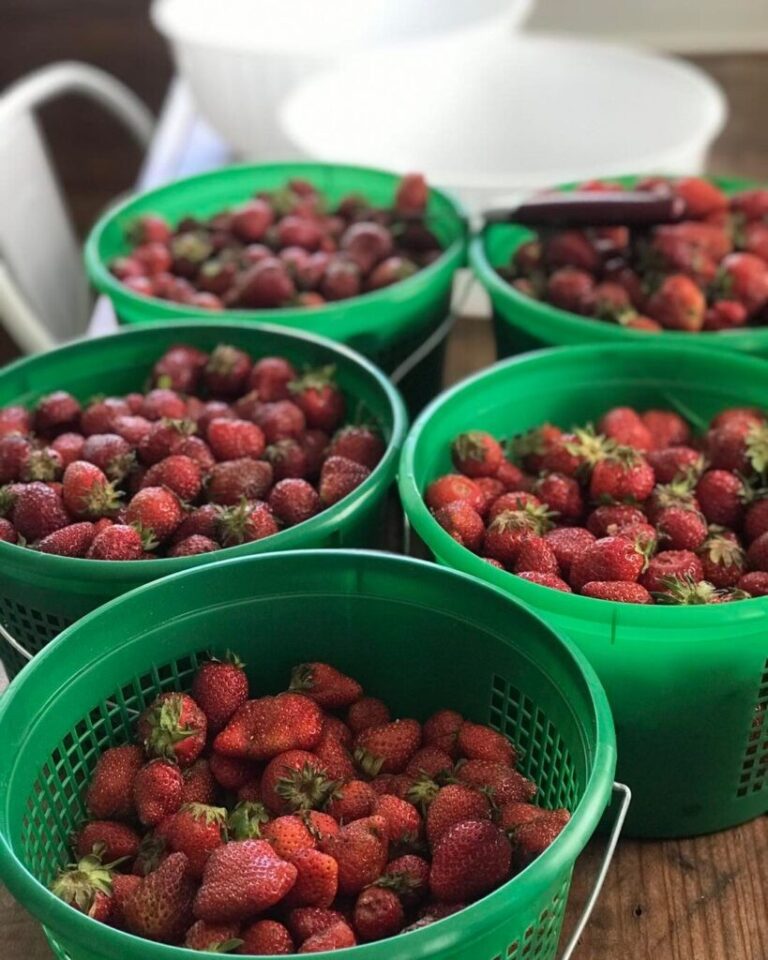
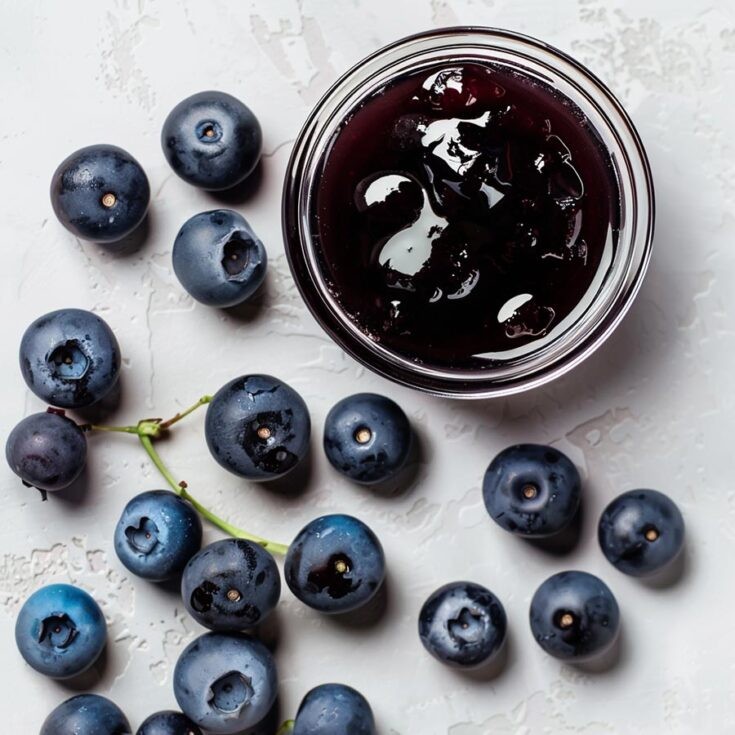
Making mulberry jam requires precision and expertise to ensure safety and flavor in every jar. This comprehensive guide covers essential techniques, ingredient selection, and safety protocols to help both novice and seasoned cooks create delicious, shelf-stable mulberry jam. Understanding the right methods not only enhances taste but also prevents potential food safety issues. Follow this expert advice to master your mulberry jam-making skills with confidence.
What This Guide Covers (And What It Doesn’t)
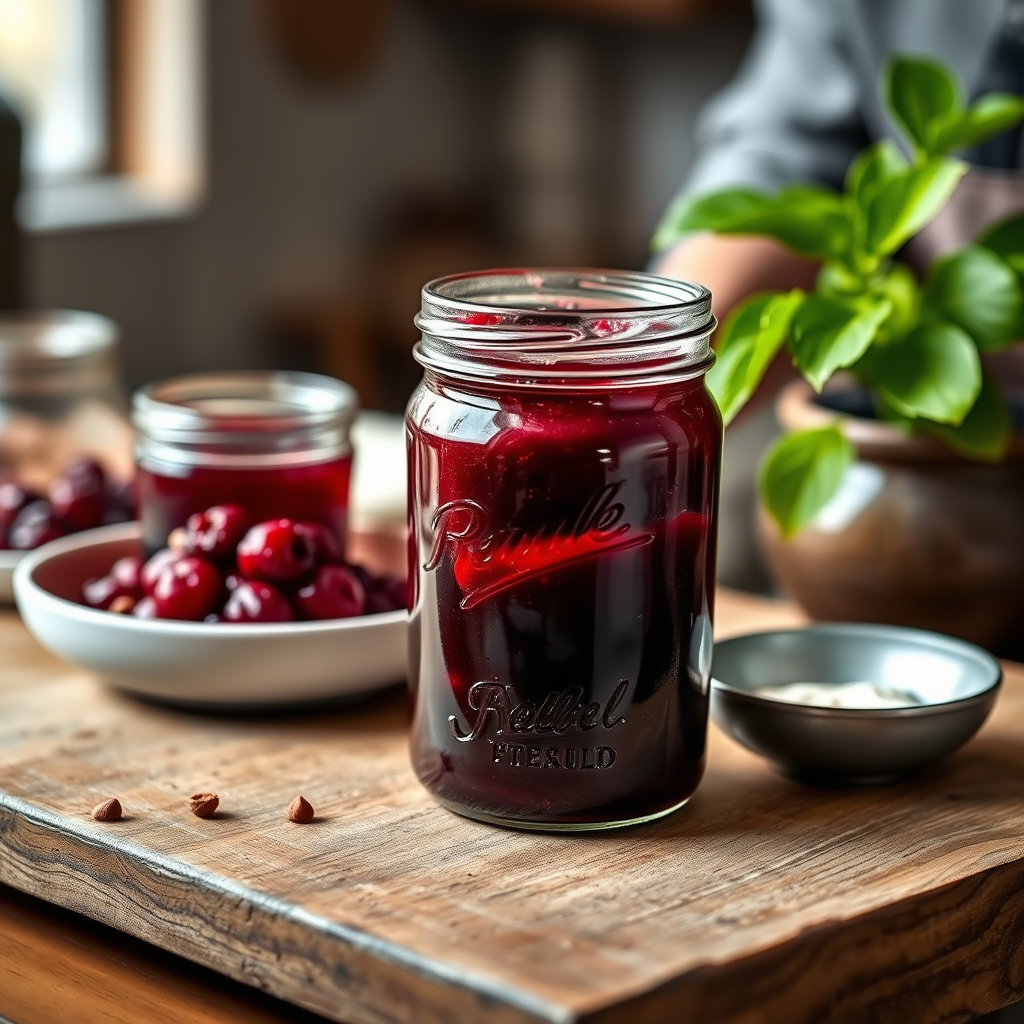
This guide offers a detailed, step-by-step process for making mulberry jam, outlining the necessary ingredients, equipment, and safety protocols. It aims to help you produce a high-quality product while adhering to safe canning practices. While it focuses solely on the unique qualities and techniques specific to mulberry jam, the guide does not delve into alternative fruit preserves or other types of jams. Designed for home cooks eager to enhance their jam-making skills with an emphasis on safety and quality, this guide highlights the critical importance of proper canning methods.
Who Should Read This

Home cooks with basic to intermediate cooking skills will find this guide particularly useful as they expand their knowledge in preserving and jam-making. It is especially suited for those with access to fresh mulberries, whether from personal trees or local markets, and who wish to make the most of this abundant fruit. Readers interested in food preservation and those eager to create homemade products free from preservatives will discover valuable insights here.
The Step-by-Step Protocol
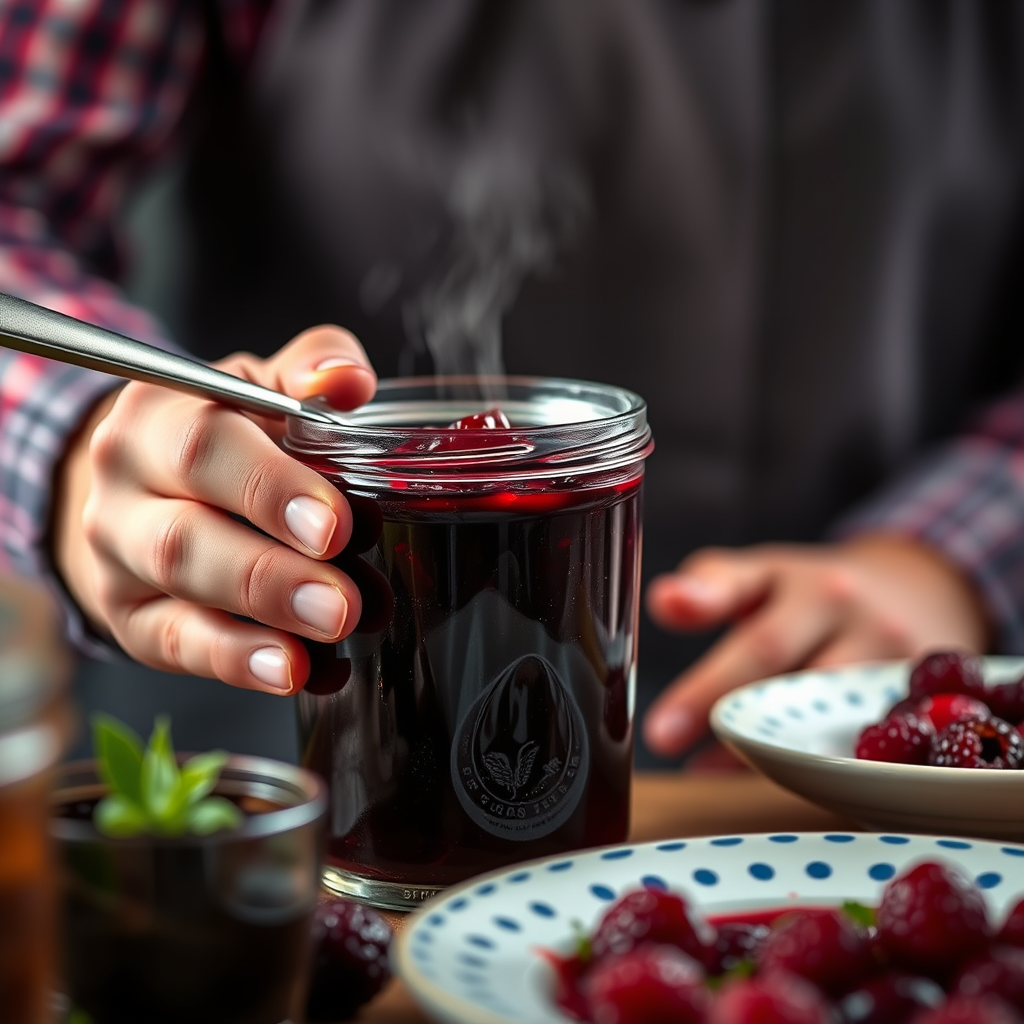
1. Gather Ingredients: Use 4 cups of fresh mulberries, 1 cup of granulated sugar, 1 tablespoon of lemon juice, and 1 packet (1.75 ounces) of fruit pectin to ensure optimal results. The sugar aids preservation and enhances flavor, while the lemon juice provides the necessary acidity.
2. Prepare the Jars: Sterilize 4 to 6 half-pint canning jars by boiling them in water for 10 minutes. Carefully remove the jars and allow them to air dry completely. Proper sterilization is crucial to prevent contamination.
3. Cook the Mulberries: In a large saucepan, combine the mulberries, lemon juice, and sugar over medium heat. Stir continuously until the sugar dissolves and the mixture begins to boil. This process typically takes about 5-7 minutes.
4. Add Pectin: Once the mixture reaches a rolling boil, stir in the fruit pectin. Continue boiling for an additional 1-2 minutes to ensure the mixture thickens properly. The jam should reach a temperature of at least 220°F (104°C) for the correct consistency. Remove from heat once thickened.
5. Fill Jars: Pour the hot mulberry mixture into the prepared jars, leaving a 1/4-inch headspace at the top for proper sealing. Immediately seal each jar with sterilized lids, tightening them to fingertip tightness—be careful not to overtighten.
6. Process Jars: Process the jars in a boiling water bath for 10 minutes to ensure safe sealing. If you’re canning at an altitude above 1,000 feet, increase the processing time by 1 minute for every additional 1,000 feet. After processing, allow the jars to cool completely before checking the seals.
Warning Signs: When Not to Follow This
– Avoid making this recipe if the mulberries show signs of spoilage, such as mold, an off smell, or excessive softness, as this may compromise safety.
– Do not attempt to make mulberry jam without proper canning equipment, including a water bath canner, as this is essential for safe preservation.
– If you did not achieve a rolling boil during the cooking process, the mixture may not have reached the necessary temperature for safe canning.
The Most Common Mistakes (And Their Consequences)
– Using Under-ripe or Overripe Mulberries: Selecting fruit that is not at peak ripeness can lead to a jam that is either too tart or too runny. Always choose ripe, firm fruit for the best results.
– Skipping the Sterilization Process for Jars: Failing to properly sterilize jars can introduce bacteria, risking spoilage and foodborne illness. Always ensure jars are properly sterilized before filling.
– Not Measuring Ingredients Accurately: Inaccurate measurements can affect the jam’s consistency. Always use measuring cups for dry and liquid ingredients to maintain the correct ratios for a successful jam.
Special Cases That Need a Different Approach
– Using Frozen Mulberries: If you’re using frozen mulberries, thaw them completely and drain any excess liquid before cooking. This step is crucial, as the moisture content differs from fresh berries, which can affect the jam’s texture.
– Dietary Restrictions: For those with dietary restrictions, consider substituting sugar with natural sweeteners like honey or agave syrup. However, be aware that this may alter the set of the jam, requiring adjustments.
– Canning at Higher Altitudes: If you are canning at altitudes above 1,000 feet, increase the processing time by 1 minute for every additional 1,000 feet of elevation to ensure proper sealing.
When You Need a Professional
– Consult a licensed food preservation expert if you are uncertain about the acidity levels of your mulberries or if you encounter issues with sealing jars post-canning. They can provide tailored advice based on your specific situation.
– If you have a medical condition that affects your immune system, consider seeking professional guidance on safe food preservation methods to avoid health risks associated with home canning.
– Engage a food safety expert if you plan to sell your mulberry jam commercially, as this requires adherence to specific regulations and safety standards not covered in this guide.
Sources and Further Reading
– USDA Complete Guide to Home Canning: This guide provides comprehensive information on safe canning practices, including recommended processing times and acidity levels relevant to various fruits.
– National Center for Home Food Preservation: An authoritative resource for information on food preservation techniques, including specific guidelines for making fruit jams and jellies.
– “The Ball Book of Canning and Preserving”: A trusted resource for home canning, featuring recipes and safety tips tailored for various types of fruit preserves, including mulberries.
By following this expert guide, you will not only create delicious mulberry jam but also ensure that it is safe for you and your loved ones. Happy canning!
Frequently Asked Questions
What ingredients are needed for a basic mulberry jam recipe?
To make a basic mulberry jam, you will need fresh mulberries, granulated sugar, lemon juice, and pectin. Typically, the ratio is about 2 cups of mulberries to 1 cup of sugar and 1 tablespoon of lemon juice, along with the pectin as per package instructions. This combination ensures a deliciously sweet and tart jam that captures the essence of fresh mulberries.
How do you properly prepare mulberries before making jam?
Before making mulberry jam, it’s essential to thoroughly wash the mulberries to remove any dirt or insects. After washing, gently remove the stems and any leaves. You can then mash the berries slightly to release their juices, which will help in the cooking process and enhance the flavor of your jam.
Why is pectin important in a mulberry jam recipe?
Pectin is a natural thickening agent that helps to gel the jam, giving it the desired consistency. Without pectin, your mulberry jam may turn out too runny. Using the appropriate amount of pectin ensures that your jam sets properly while preserving the fresh flavor of the mulberries.
What is the best method for canning mulberry jam?
The best method for canning mulberry jam is the water bath canning technique. After preparing your jam, fill sterilized jars leaving about a quarter-inch headspace, wipe the rims clean, and seal with lids. Process the jars in a boiling water bath for about 10 minutes to ensure they are sealed properly and safe for long-term storage.
Which type of sugar can be used in a mulberry jam recipe?
You can use granulated white sugar for traditional mulberry jam recipes, but alternatives like brown sugar or coconut sugar can add unique flavors. If you prefer a lower-sugar option, look for specialty pectin products designed for low-sugar jams, which allow you to reduce the amount of sugar without compromising the jam’s texture and taste.
References
- Morus (plant)
https://en.wikipedia.org/wiki/Mulberry - https://www.britannica.com/plant/mulberry
https://www.britannica.com/plant/mulberry - https://www.ncbi.nlm.nih.gov/pmc/articles/PMC6381356/
https://www.ncbi.nlm.nih.gov/pmc/articles/PMC6381356/ - Google Scholar Google Scholar
https://scholar.google.com/scholar?q=mulberry+jam+recipe - Google Scholar Google Scholar
https://scholar.google.com/scholar?q=mulberry+preservation+methods - Google Scholar Google Scholar
https://scholar.google.com/scholar?q=mulberry+jam+health+benefits - https://www.nutrition.gov/topics/nutrition-101/food-safety
https://www.nutrition.gov/topics/nutrition-101/food-safety - Food Safety | Food Safety | CDC
https://www.cdc.gov/foodsafety/index.html - https://www.healthline.com/nutrition/mulberries-benefits
https://www.healthline.com/nutrition/mulberries-benefits - https://www.sciencedirect.com/topics/agricultural-and-biological-sciences/mulberry
https://www.sciencedirect.com/topics/agricultural-and-biological-sciences/mulberry