Learn how to safely make mixed berry jelly with this complete expert guide, designed for home canners and food enthusiasts alike. This detailed recipe covers essential techniques, ingredient ratios, and safety protocols to ensure a delicious and safe preserve. Following the right methods is crucial for maximizing flavor and preventing spoilage, making this guide an indispensable resource for anyone looking to master the art of mixed berry jelly.
What This Guide Covers (And What It Doesn’t)
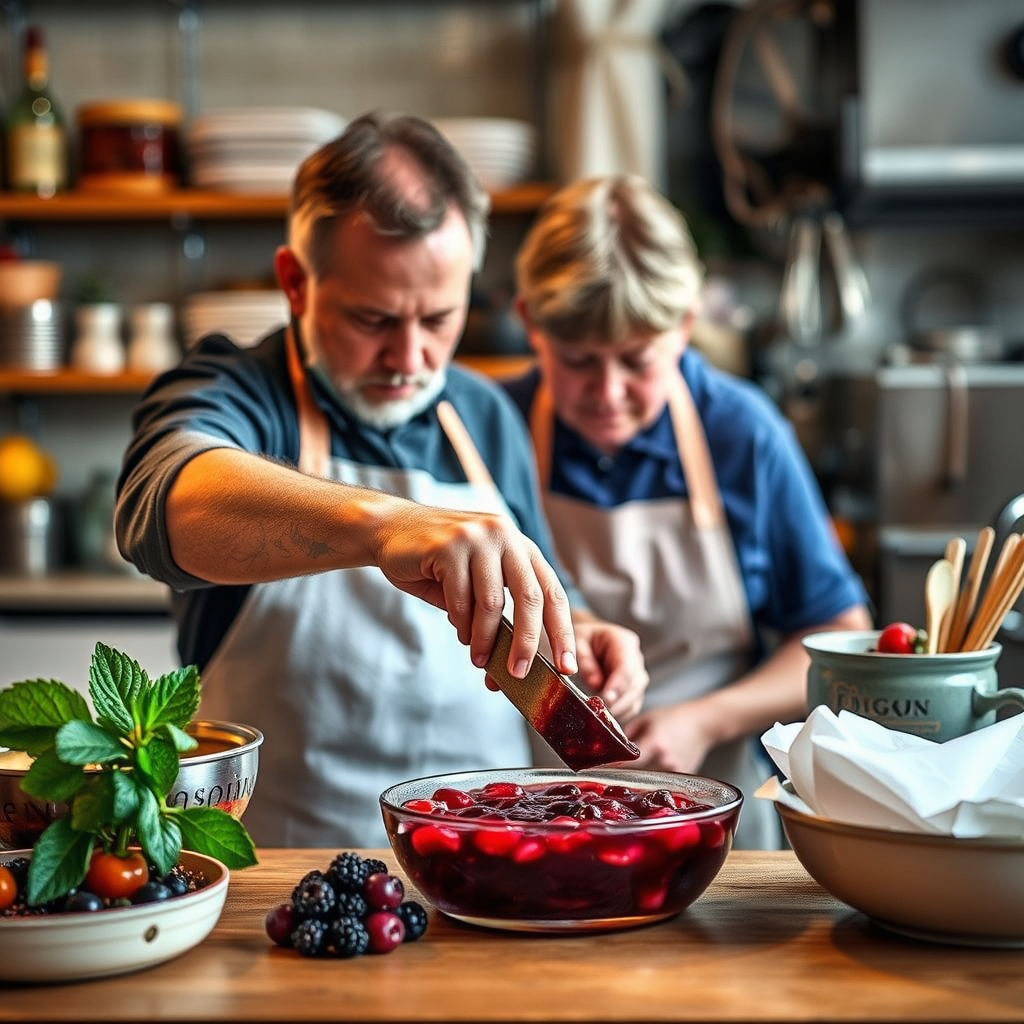
This comprehensive guide offers a detailed, step-by-step procedure for making mixed berry jelly at home, placing a strong emphasis on safety and best practices. You will find precise ingredient measurements, necessary equipment, and essential safety precautions for canning and preserving jelly. However, this guide does not delve into recipes for other types of jellies or preserves, nor does it discuss alternative fruit combinations beyond mixed berries.
Who Should Read This
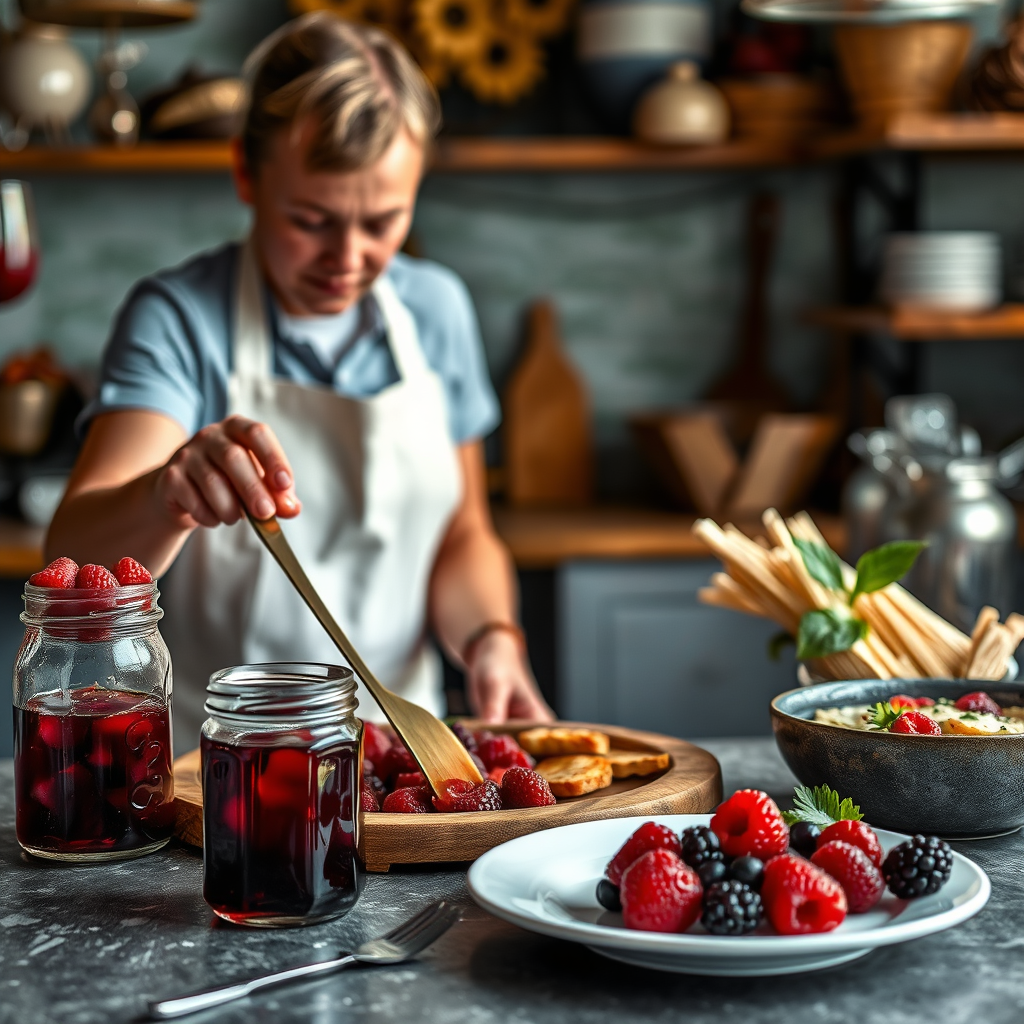
Designed for home cooks who possess a basic understanding of food preparation, this guide is perfect for those eager to create jelly using fresh or frozen mixed berries. It caters to beginners in the world of canning, providing safe methods for preserving fruit products, while also offering valuable insights for experienced jelly makers looking to refine their techniques and adhere to safety protocols.
The Step-by-Step Protocol
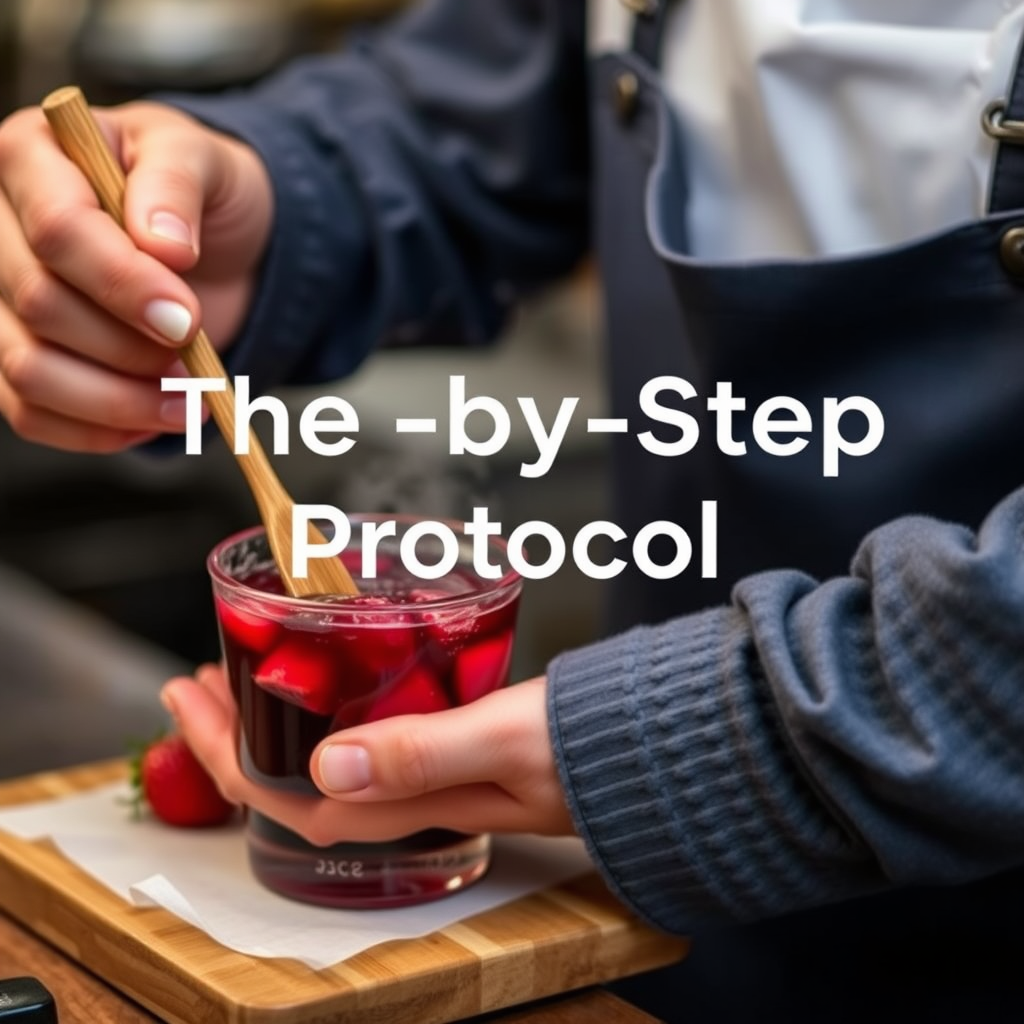
1. Gather Ingredients: Combine 4 cups of mixed berries (strawberries, blueberries, raspberries) with 1 cup of granulated sugar and 1 tablespoon of lemon juice in a saucepan. Make sure the berries are clean and free from any stems or leaves.
2. Prepare Equipment: Sterilize jars and lids by boiling them in water for 10 minutes. Use a canning pot with a rack for processing. Ensure that all tools, including ladles and funnels, are also clean and sanitized.
3. Cook the Mixture: Simmer the berry mixture over medium heat, gently mashing the berries with a potato masher. Continue to simmer until it reaches a rolling boil, which should take about 10 minutes. Stir frequently to prevent sticking.
4. Add Pectin: Stir in 1 package (1.75 oz) of fruit pectin and bring the mixture back to a full boil. Allow it to cook for an additional 1-2 minutes until thickened, stirring continuously to ensure even cooking.
5. Fill and Seal Jars: Pour the hot jelly into the sterilized jars, leaving a 1/4-inch headspace at the top. Wipe the rims of the jars with a clean, damp cloth to ensure a proper seal, then secure with prepared lids.
6. Process the Jars: Process the jars in a boiling water bath for 10 minutes. If your altitude exceeds 1,000 feet, adjust the processing time by adding 1 minute for every additional 1,000 feet above sea level.
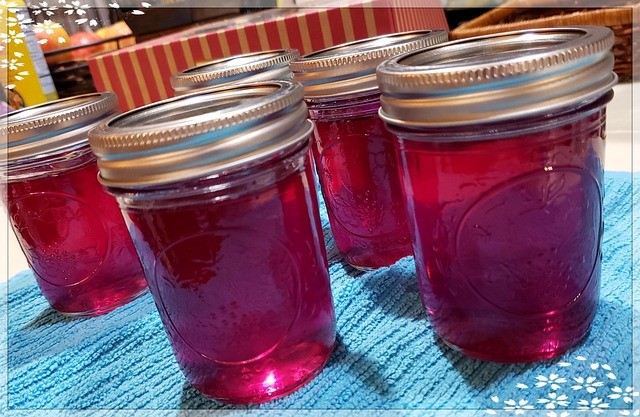
7. Cool and Store: Carefully remove the jars from the water bath and let them cool on a clean towel. After 24 hours, check the seals; the lids should not flex up and down when pressed. Store the sealed jars in a cool, dark place.
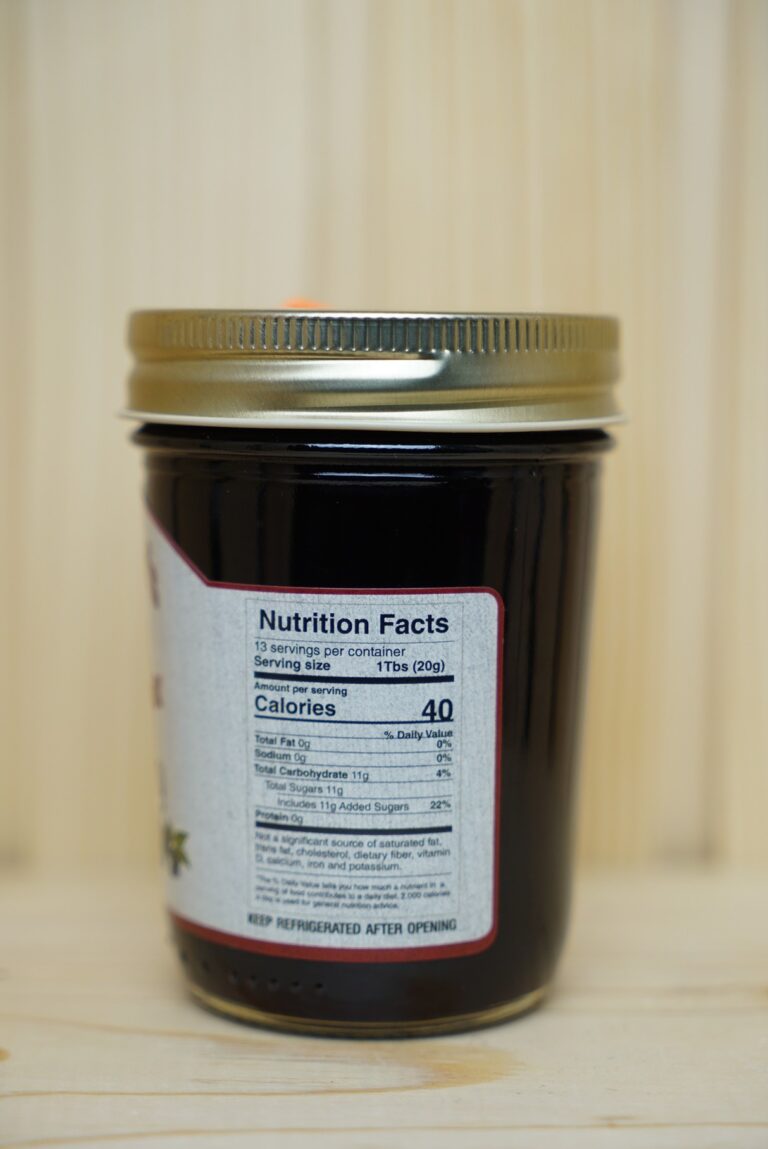
Nutritional Overview of Mixed Berry Jelly (per tablespoon)
| # | Nutrient | Amount | % Daily Value | Calories |
|---|---|---|---|---|
| 1 | Calories | 50 | 2% | 50 |
| 2 | Total Fat | 0g | 0% | 0 |
| 3 | Sodium | 0mg | 0% | 0 |
| 4 | Total Carbohydrate | 13g | 4% | 13 |
| 5 | Sugars | 12g | 24% | 12 |
| 6 | Protein | 0g | 0% | 0 |
| 7 | Vitamin C | 2% DV | 0% | 0 |
| 8 | Calcium | 0% DV | 0% | 0 |
| 9 | Iron | 0% DV | 0% | 0 |
| 10 | Vitamin A | 0% DV | 0% | 0 |
Warning Signs: When Not to Follow This
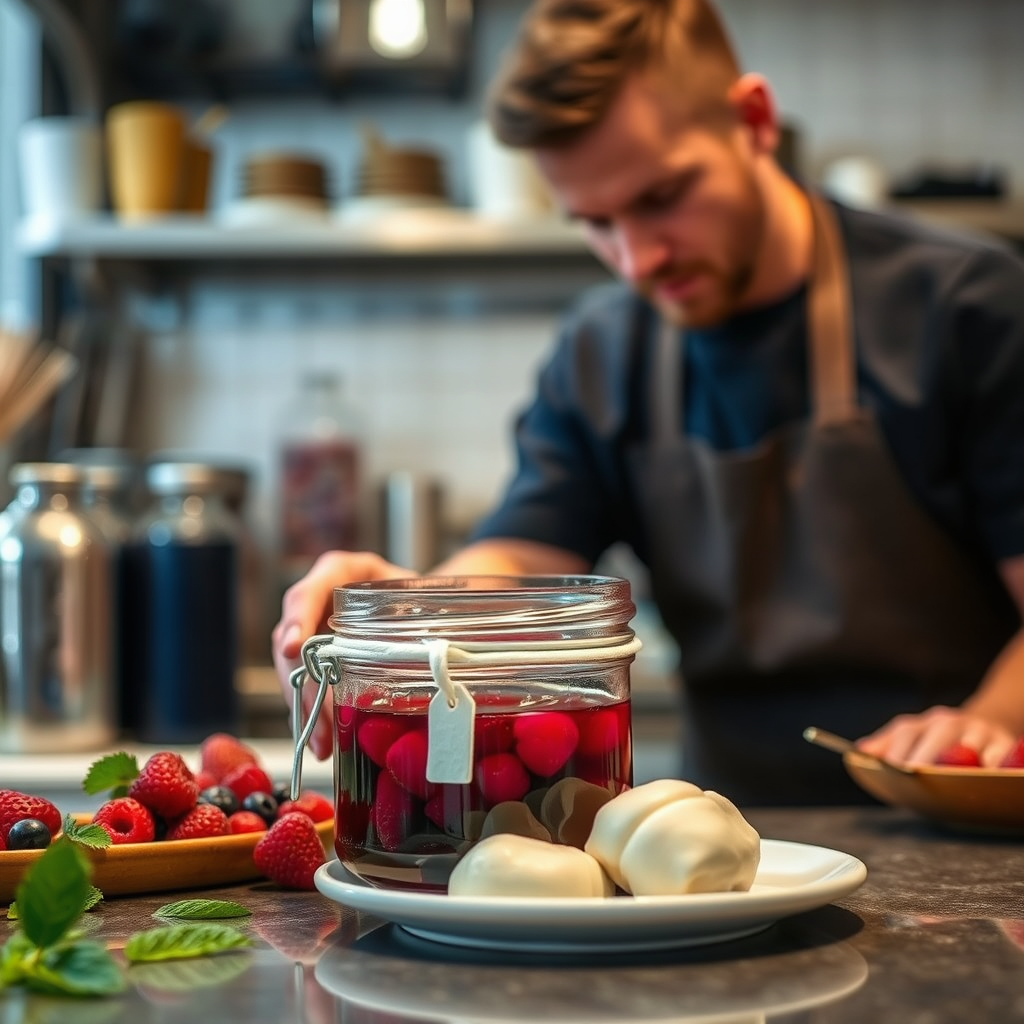
Before embarking on this jelly recipe, be mindful of potential allergens. If you have allergies to any of the ingredients, particularly berries or pectin, refrain from proceeding, as this could lead to severe reactions. Additionally, avoid making the jelly if you notice any signs of spoilage in your ingredients, such as mold on the berries or an unusual odor. It’s crucial to ensure your kitchen environment allows for the proper sterilization of jars and equipment; otherwise, you risk contamination.
The Most Common Mistakes (And Their Consequences)
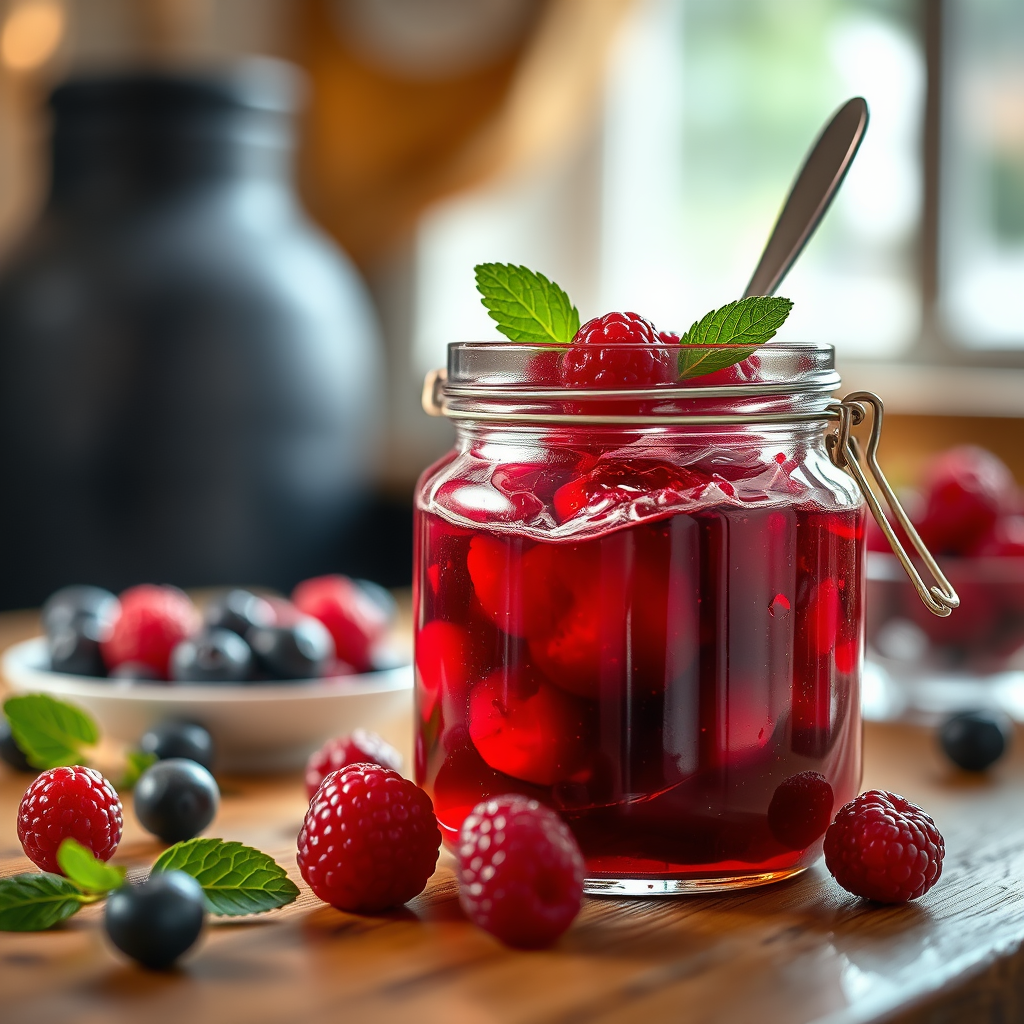
A frequent mistake among novice jelly makers is skipping the pectin, resulting in a runny jelly that resembles syrup rather than the desired consistency. Failing to process jars for the recommended time can lead to unsafe jelly due to potential bacterial growth, posing a risk of foodborne illness. Moreover, not measuring ingredients accurately can disrupt the balance of sugar and berries, adversely affecting both the flavor and preservation quality.
Special Cases That Need a Different Approach
For those using organic or wild berries, it’s essential to adjust sugar levels according to their natural sweetness and acidity, which can vary considerably. If you’re working with dietary restrictions, consider using low-sugar pectin and reducing the sugar to 3 cups for a healthier version of mixed berry jelly. Additionally, when making jelly at high altitudes, adhere to specific altitude adjustments for processing times to ensure safety and proper sealing; for instance, at an altitude of 3,000 feet, process for 13 minutes instead of 10.
When You Need a Professional
If you have uncertainties about the canning process or are attempting to can jelly for the first time, consulting a food safety expert is a wise choice. Should you encounter any issues with jar seals post-processing, such as jars failing to seal properly or lids bulging, seek advice from a licensed canning consultant. Furthermore, if you have underlying health conditions that complicate food preservation, such as compromised immunity or diabetes, it is advisable to obtain professional guidance before attempting this recipe.
Sources and Further Reading
– USDA Complete Guide to Home Canning: A comprehensive resource on safe canning practices.
– The National Center for Home Food Preservation: Offers science-based guidelines for preserving foods, including jellies and jams.
– “Ball Blue Book of Preserving”: A trusted guide featuring various recipes and methods for canning and safely preserving fruits.
Frequently Asked Questions
What ingredients do I need for a mixed berry jelly recipe?
To make a delicious mixed berry jelly, you’ll need fresh or frozen mixed berries (such as strawberries, blueberries, raspberries, and blackberries), granulated sugar, lemon juice, and pectin. These ingredients work together to create a sweet and tangy jelly that captures the vibrant flavors of summer.
How do I make mixed berry jelly without using artificial pectin?
You can make mixed berry jelly without artificial pectin by using natural fruit pectin sources, such as apples or citrus peels. Simply cook the mixed berries with a little water, strain out the solids, and then combine the juice with sugar and lemon juice, cooking until it reaches a gel-like consistency. This method not only creates a delicious jelly but also enhances the natural flavors of the berries.
Why did my mixed berry jelly not set properly?
There are several reasons why mixed berry jelly may not set properly, including insufficient cooking time, not enough pectin, or using overripe fruit. Make sure to follow the recipe closely, checking for the right gel point by testing the mixture on a cold plate. If the jelly is too loose, you can re-cook it with additional pectin to achieve the desired consistency.
What is the best way to store homemade mixed berry jelly?
The best way to store homemade mixed berry jelly is to keep it in sterilized glass jars with airtight lids. After filling the jars, process them in a boiling water bath for 5-10 minutes to ensure they are sealed properly. Store the jars in a cool, dark place, and once opened, keep the jelly refrigerated for optimal freshness.
Which mixed berry combination works best for jelly?
The best mixed berry combination for jelly includes equal parts strawberries, blueberries, and raspberries, as they provide a balanced flavor and natural sweetness. You can also experiment by adding blackberries for a deeper flavor profile. Using a mix of berries not only enhances the taste but also gives your jelly a beautiful color and texture.
References
- Fruit preserves
https://en.wikipedia.org/wiki/Jam - https://www.britannica.com/topic/jam
https://www.britannica.com/topic/jam - Checking your browser – reCAPTCHA
https://www.ncbi.nlm.nih.gov/pmc/articles/PMC6465263/ - Ex Vivo Permeation of Carprofen Vehiculated by PLGA Nanoparticles through Porcine Mucous Membrane…
https://www.ncbi.nlm.nih.gov/pmc/articles/PMC7075292/ - https://www.sciencedirect.com/topics/agricultural-and-biological-sciences/jam
https://www.sciencedirect.com/topics/agricultural-and-biological-sciences/jam - https://www.cdc.gov/nutrition/food-safety.html
https://www.cdc.gov/nutrition/food-safety.html - Google Scholar Google Scholar
https://scholar.google.com/scholar?q=mixed+berry+jelly+recipe - Google Scholar Google Scholar
https://scholar.google.com/scholar?q=berry+preservation+methods - Google Scholar Google Scholar
https://scholar.google.com/scholar?q=jelly+making+techniques - https://www.nutrition.gov/topics/food-safety/food-preservation
https://www.nutrition.gov/topics/food-safety/food-preservation