Master the art of making mint jam with this complete expert guide, designed for both novice and seasoned cooks. This step-by-step protocol covers essential techniques, ingredient selection, and safety measures to ensure a delicious, preserved treat that retains the vibrant flavor of fresh mint. Following these guidelines not only enhances your culinary skills but also guarantees a safe and successful jam-making experience. Trust the expertise within to transform your kitchen endeavors into delightful jars of minty goodness.
What This Guide Covers (And What It Doesn’t)

This guide offers a thorough, step-by-step protocol for crafting mint jam at home, emphasizing ingredient selection, preparation techniques, and safe canning practices. It outlines the essential equipment needed, including methods for sterilizing jars and utensils, to ensure food safety throughout the jam-making process. However, this guide does not delve into alternative jam recipes or other types of preserves, nor does it tackle complex canning methods unrelated to mint jam.
Who Should Read This
This guide is tailored for home cooks with a fundamental understanding of food preservation and canning who are eager to broaden their culinary repertoire with a distinct mint jam recipe. It is particularly suitable for those who have access to fresh mint and want to create a flavorful jam that can be utilized in various culinary applications, such as glazes or spreads. While individuals new to canning may find some aspects challenging, a basic familiarity with essential safety practices is recommended for a smoother experience.
The Step-by-Step Protocol
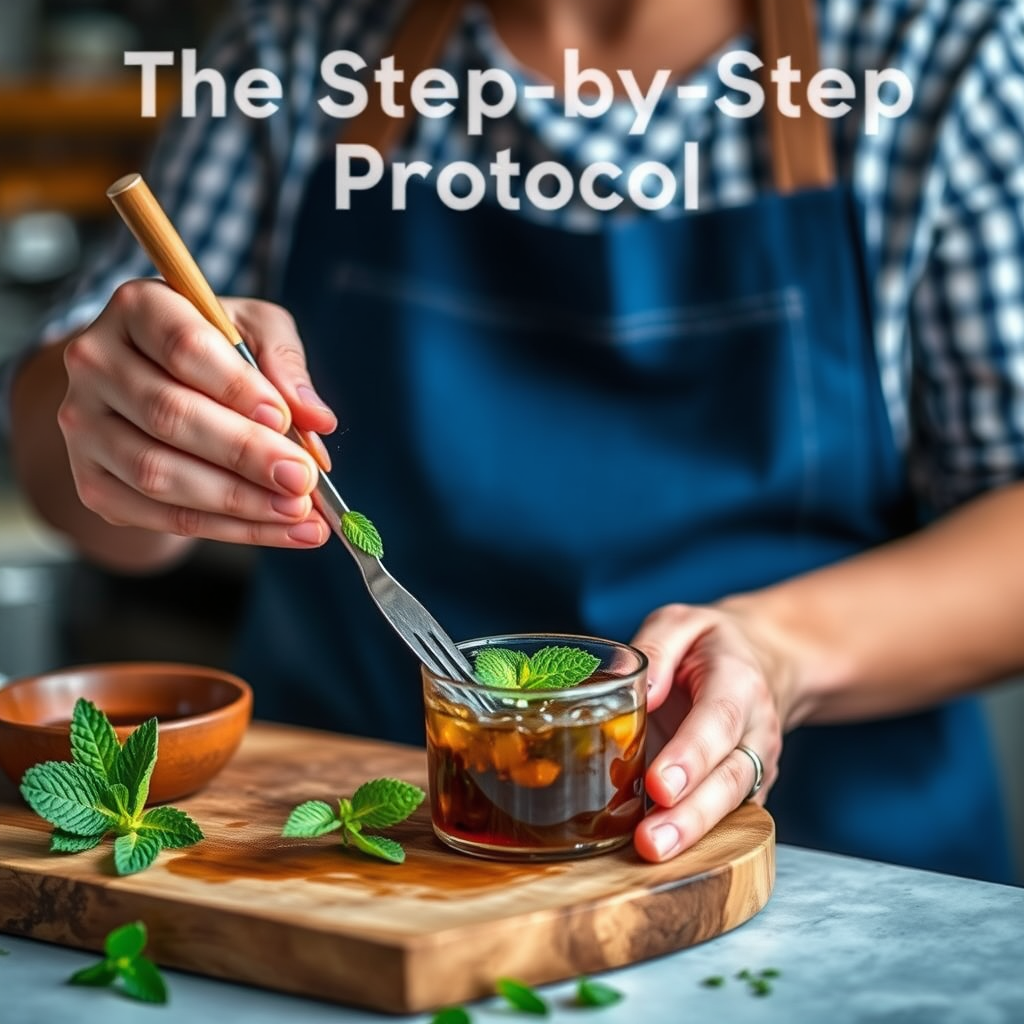
1. Gather Ingredients: Use 2 cups of fresh mint leaves, 1 cup of granulated sugar, ½ cup of water, and 1 tablespoon of lemon juice for flavor and acidity.
2. Prepare Mint: Rinse mint leaves thoroughly under cold water, then pat dry with a clean towel. Remove any stems and chop the leaves finely to release more flavor.
3. Cook the Mixture: In a medium saucepan, combine chopped mint, sugar, and water. Heat over medium until the sugar dissolves, stirring occasionally, then bring to a gentle boil for 5 minutes.
4. Add Lemon Juice and Blend: Remove from heat and add lemon juice. For a smoother texture, use an immersion blender to puree the mixture until the desired consistency is reached.
5. Sterilize Jars: While the mixture cools, sterilize your canning jars and lids by placing them in a boiling water bath for 10 minutes. Ensure jars are completely dry before filling.
6. Fill Jars: Using a funnel, fill each jar with the mint jam, leaving about ¼ inch of headspace at the top. Wipe the rims of the jars with a clean cloth to remove any residue.
7. Seal and Process: Place the sterilized lids on each jar and screw on the metal rings until fingertip tight. Process the jars in a boiling water bath for 10 minutes to ensure proper sealing.
8. Cool and Store: Remove jars from the water bath and let them cool completely on a clean kitchen towel. Once cooled, check the seals by pressing down in the center of each lid; it should not pop back. Store sealed jars in a cool, dark place.
Nutritional and Flavor Profile of Mint Jam (per tablespoon)
| # | Nutritional Component | Value | Flavor Notes |
|---|---|---|---|
| 1 | Calories | 50 | Sweet with minty freshness |
| 2 | Sugar | 13g | Enhances sweetness |
| 3 | Fat | 0g | No fat content |
| 4 | Carbohydrates | 13g | Provides sweetness |
| 5 | Fiber | 0g | No fiber content |
| 6 | Vitamin C | 1% DV | Boosts freshness |
| 7 | Calcium | 0% DV | Minimal calcium |
| 8 | Iron | 0% DV | Minimal iron |
| 9 | Sodium | 0mg | No sodium content |
| 10 | Flavor Profile | Minty, Sweet | Fresh and fragrant |
Warning Signs: When Not to Follow This
Avoid making mint jam if you have allergies to mint or any of the other ingredients, as this could lead to adverse reactions. Do not attempt this recipe if your mint leaves show signs of wilting or decay, as these can compromise both the flavor and safety of the jam. Refrain from proceeding if you lack access to proper canning equipment, such as a pressure canner, since improper sealing can lead to spoilage.
The Most Common Mistakes (And Their Consequences)
One common mistake is neglecting to sterilize jars properly before filling them, which can introduce bacteria and lead to spoilage or foodborne illnesses. Using dried mint instead of fresh results in a less vibrant flavor and a different texture, ultimately yielding an unsatisfactory product. Additionally, failing to measure ingredients accurately can disrupt the setting point of the jam, leading to a runny consistency instead of a firm spread.
Special Cases That Need a Different Approach
If you plan to use large quantities of mint (more than 4 cups), it’s advisable to scale up the sugar and acid proportionately to ensure proper preservation and flavor balance. For those utilizing mint from gardens that may have been treated with pesticides, washing the leaves thoroughly and opting for organic varieties is essential to avoid harmful residues. If making mint jam at high altitudes, adjust cooking times and ingredient ratios according to altitude canning guidelines to guarantee safety and achieve the right texture.
When You Need a Professional
If you are uncertain about the safety of your canning equipment or the preservation methods you’re employing, reach out to a food safety expert or a licensed nutritionist. For individuals with severe food allergies or past reactions to mint or similar ingredients, professional guidance is crucial before attempting to make mint jam. Should you notice any signs of spoilage in the finished product, such as off smells or mold, consult a food safety professional for advice on disposal and safety precautions.
Sources and Further Reading
The USDA Complete Guide to Home Canning provides essential information on safe canning practices and proper sterilization techniques. The National Center for Home Food Preservation offers guidelines specific to preserving herbs like mint, along with tips for achieving optimal flavor profiles. The Ball Blue Book of Canning features a variety of jam recipes, including mint jam, accompanied by detailed instructions and safety measures for home canning.
This guide not only empowers you to create your own mint jam but also equips you with the knowledge to do so safely and effectively, making your culinary adventure both enjoyable and rewarding.
Frequently Asked Questions
What ingredients do I need for a mint jam recipe?
To make a delicious mint jam, you will need fresh mint leaves, sugar, lemon juice, and pectin. The fresh mint is crucial for the flavor, while the sugar and pectin work together to create the jam’s texture. You can also add a pinch of salt to enhance the flavor profile.
How do I properly prepare mint leaves for jam?
To prepare mint leaves for your jam recipe, start by rinsing them under cold water to remove any dirt or insects. Pat them dry with a paper towel, then chop or tear the leaves into smaller pieces to release their essential oils, which will infuse your jam with a rich mint flavor.
Why is pectin important in a mint jam recipe?
Pectin is a natural thickening agent that helps your mint jam achieve the right consistency. Without pectin, the jam may remain too runny and not set properly. Using pectin ensures that your jam has a spreadable texture and a long shelf life, making it a key ingredient in your mint jam recipe.
What is the best way to store homemade mint jam?
The best way to store homemade mint jam is in sterilized glass jars with airtight lids. Keep the jars in a cool, dark place, such as a pantry or cupboard. Once opened, store the jam in the refrigerator and consume it within a few weeks for the best flavor and freshness.
Which dishes pair well with mint jam?
Mint jam pairs wonderfully with a variety of dishes, enhancing flavors in both sweet and savory recipes. It can be used as a topping for toast, pancakes, or yogurt, and it complements meats like lamb or chicken beautifully. Additionally, it makes a great addition to cheese boards, especially with soft cheeses like goat cheese or brie.
References
- Fruit preserves
https://en.wikipedia.org/wiki/Jam - https://www.bbc.co.uk/food/recipes/mint_jam_2806
https://www.bbc.co.uk/food/recipes/mint_jam_2806 - https://www.sciencedirect.com/topics/agricultural-and-biological-sciences/mint
https://www.sciencedirect.com/topics/agricultural-and-biological-sciences/mint - https://www.ncbi.nlm.nih.gov/pmc/articles/PMC6831530/
https://www.ncbi.nlm.nih.gov/pmc/articles/PMC6831530/ - https://www.ncbi.nlm.nih.gov/pmc/articles/PMC6566265/
https://www.ncbi.nlm.nih.gov/pmc/articles/PMC6566265/ - Google Scholar Google Scholar
https://scholar.google.com/scholar?q=mint+jam+recipe - Google Scholar Google Scholar
https://scholar.google.com/scholar?q=making+mint+jam - Google Scholar Google Scholar
https://scholar.google.com/scholar?q=mint+preservation+techniques - https://www.britannica.com/topic/jam
https://www.britannica.com/topic/jam - https://www.foodnetwork.com/recipes/articles/what-is-jam
https://www.foodnetwork.com/recipes/articles/what-is-jam