Master the art of making mango jam with this complete expert guide, tailored for both novice cooks and experienced preservers. This guide covers essential techniques, ingredient ratios, and safety protocols to ensure your mango jam is not only delicious but also safe for consumption. Following these precise methods is crucial to achieving the perfect balance of flavor and texture while preventing spoilage.
What This Guide Covers (And What It Doesn’t)
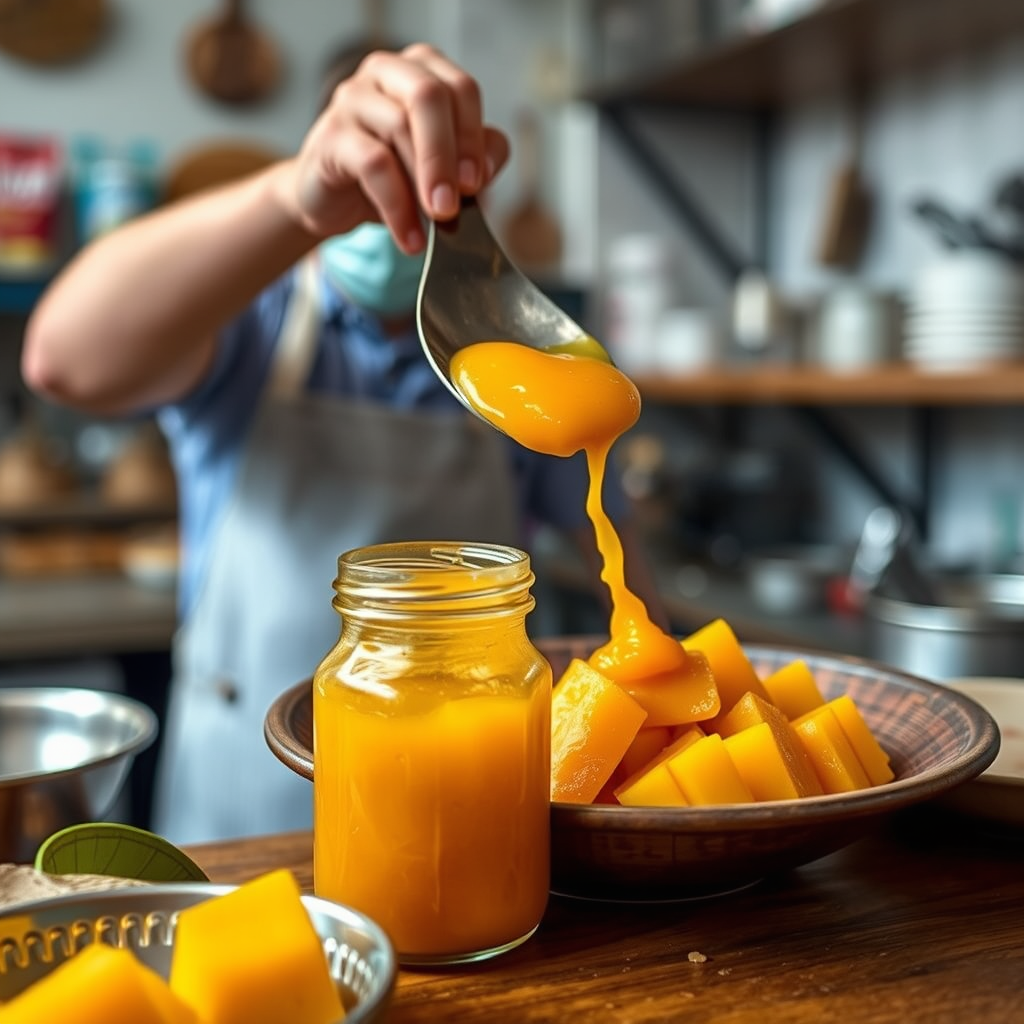
This guide presents a detailed, step-by-step recipe for mango jam, outlining the necessary ingredients, equipment, and safety protocols for home canning. You will learn to craft a delightful mango jam, with options for flavor variations such as ginger or lime. However, it does not cover other fruit jams or preserves. Designed for home cooks with basic canning knowledge, this guide does not delve into advanced preservation techniques or commercial production methods.
Who Should Read This
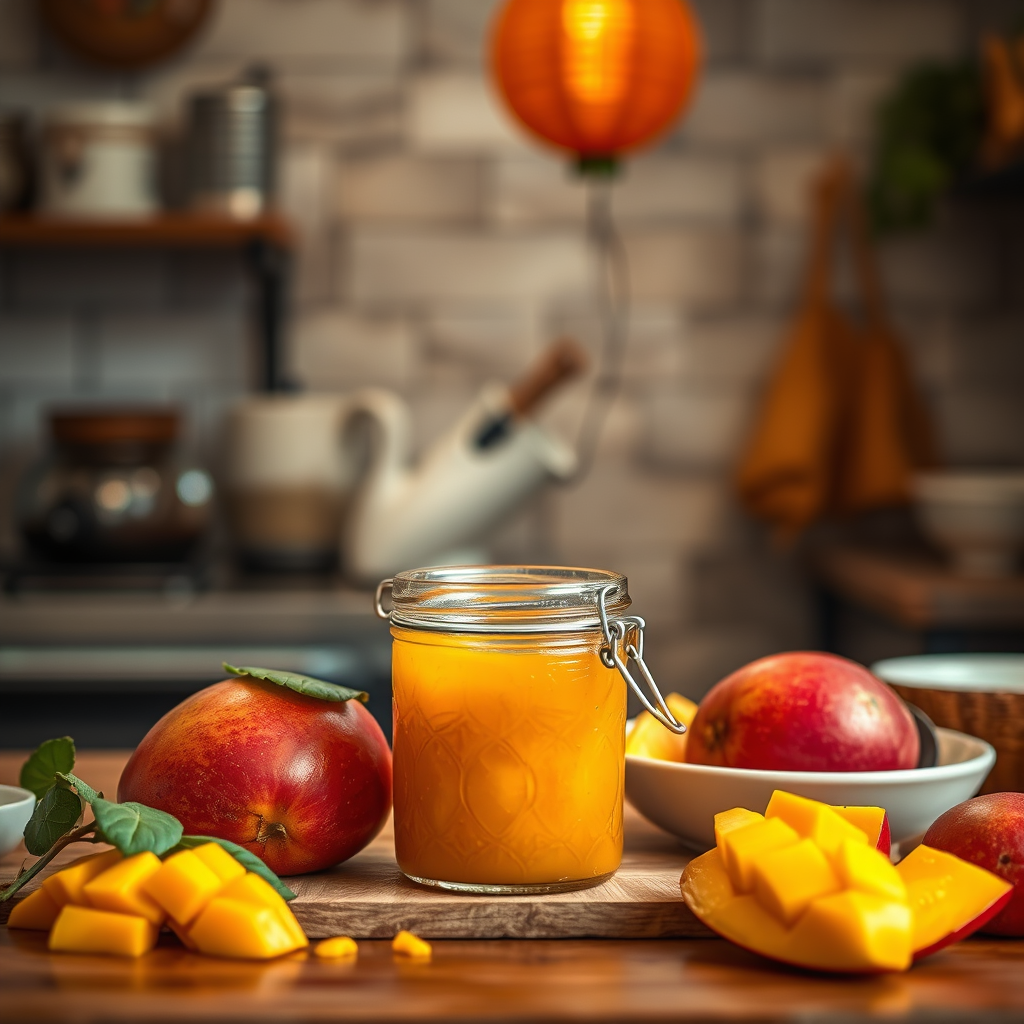
This guide is perfect for home cooks who have some experience with fruit preservation and wish to focus on mango jam. Readers should be familiar with basic kitchen equipment and safety practices, particularly the importance of sterilization and food safety in canning. Those interested in making homemade jams for personal enjoyment, gifts, or local markets will find this guide especially beneficial, while professional chefs may want to pursue more advanced techniques elsewhere.
The Step-by-Step Protocol
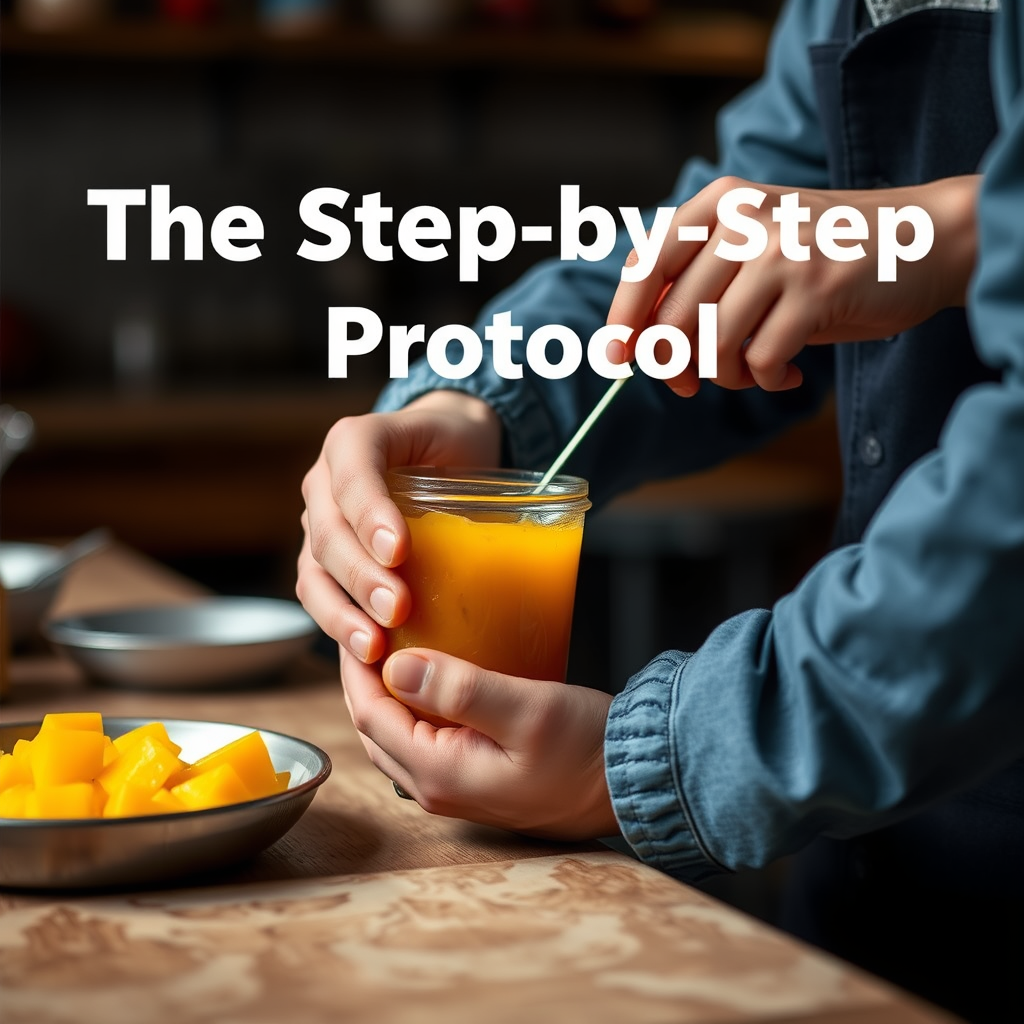
1. Gather Ingredients and Equipment: You will need the following:
– 4 cups of ripe mangoes (approximately 4-5 medium-sized mangoes)
– 1 cup of granulated sugar
– 2 tablespoons of fresh lemon juice (approximately one medium lemon)
– 1 packet of pectin (1.75 oz)
– A large saucepan
– A stirring spoon
– A candy thermometer (optional but recommended)
– Sterilized canning jars and lids
– A boiling water bath canner or a large pot with a lid
2. Prepare the Mangoes: Peel and chop the mangoes into small pieces, discarding any pits. Aim for around 3 cups of chopped mango to yield the necessary pulp for your jam.
3. Cook the Mixture: In a large saucepan, combine the chopped mangoes, sugar, and lemon juice. Stir the mixture over medium heat until the sugar fully dissolves. Once dissolved, bring the mixture to a rolling boil, characterized by vigorous bubbling that cannot be stirred down.
4. Add Pectin: After achieving a rolling boil, add the pectin to the mixture. Stir continuously for 1-2 minutes until the mixture thickens. To ensure the jam sets correctly, use a candy thermometer to confirm that the mixture reaches a temperature of 220°F (104°C), the ideal setting point for jam.
5. Jar the Jam: Before pouring your jam, sterilize jars and lids by boiling them for 10 minutes in a separate pot. Then, pour the hot mango jam into the sterilized jars, leaving a 1/4-inch headspace at the top, which is crucial for sealing. Wipe the rims of the jars clean with a damp cloth to remove any residue before sealing.
6. Process the Jars: To ensure proper sealing and preservation, process the jars in a boiling water bath for 10 minutes. Ensure the water covers the jars by at least an inch. After processing, allow the jars to cool completely on a clean towel or rack for 24 hours before storing them in a cool, dark place.
Warning Signs: When Not to Follow This
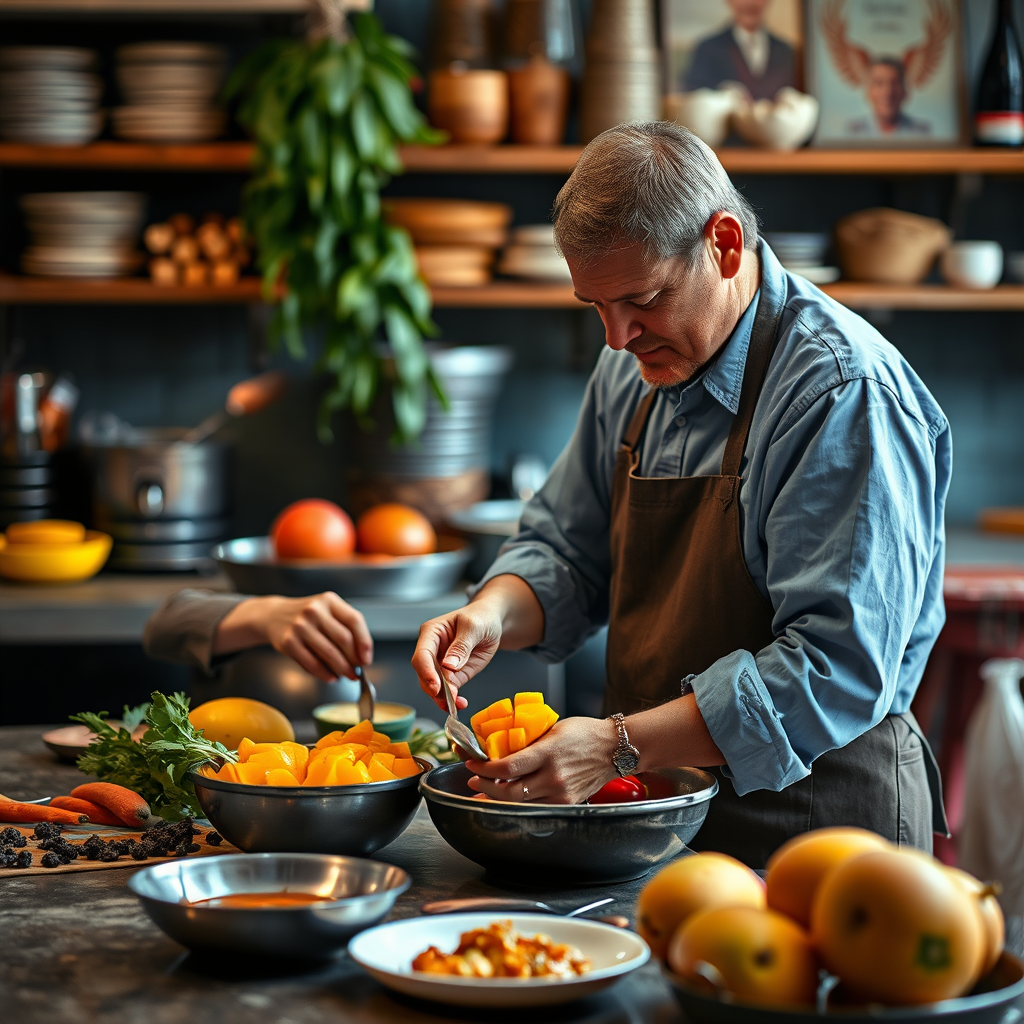
– Avoid this recipe if the mangoes are overly ripe or fermented, as this can lead to spoilage and unsafe products. The fruit should be firm and fragrant.
– Individuals with allergies to any ingredients (like pectin or citrus) should not attempt this recipe without suitable substitutes; consult food allergen resources for alternatives.
– If you have not properly sterilized your jars or equipment, do not proceed with canning, as this significantly increases the risk of contamination and foodborne illness.
The Most Common Mistakes (And Their Consequences)
– Failing to measure ingredients accurately can result in a runny or overly sweet mango jam, undermining the desired consistency and flavor. Always use precise measurements.
– Not adhering to the recommended processing time in the boiling water bath can lead to jars that do not seal properly, resulting in spoilage and safety risks. Always use a timer.
– Ignoring the importance of ripe mangoes can produce a jam that lacks the expected flavor and texture, leading to a disappointing final product. Select mangoes that are ripe but not overripe.
Special Cases That Need a Different Approach
– If using frozen mangoes, ensure they are fully thawed and drained of excess moisture before proceeding with the recipe. Extra water can create a watery jam that won’t set.
– For those seeking a low-sugar version, consider using no-sugar pectin and adjusting the sugar quantity to 1/2 cup for a lower-sugar jam. Keep in mind that the consistency may differ slightly.
– If you prefer a spiced mango jam, add 1 teaspoon of ground ginger or a pinch of cinnamon during the cooking step to achieve a unique flavor profile that complements the mango.
When You Need a Professional
– If you have allergies or health conditions that require dietary restrictions, consult a registered dietitian before making this recipe to ensure it meets your needs.
– If you are uncertain about your canning techniques or have experienced prior issues with food preservation safety, seek guidance from a certified food preservation expert before attempting this recipe.
– For large-scale production, consider hiring a food safety consultant to ensure compliance with local food safety regulations and best practices.
Sources and Further Reading
– USDA’s Complete Guide to Home Canning: This resource provides authoritative information on safe canning practices and recipes.
– Ball Canning Book: A trusted guide for home canners, including numerous fruit jam recipes and preservation tips.
– National Center for Home Food Preservation: Offers research-based information on food preservation techniques and safety guidelines for home canning.
By following this guide, you can create a delicious and safe mango jam to enjoy or share. The joy of making homemade jam not only enhances your culinary skills but also provides a taste of summer year-round. Happy canning!
Frequently Asked Questions
What are the essential ingredients for a homemade mango jam recipe?
To make a delicious homemade mango jam, you will need ripe mangoes, sugar, lemon juice, and pectin. The ripe mangoes provide natural sweetness and flavor, while lemon juice adds acidity to balance the sweetness and help with preservation. Pectin is crucial for achieving the right consistency in your jam.
How do I prepare mangoes for making jam?
To prepare mangoes for jam, start by peeling and removing the pit from the fruit. Chop the mango flesh into small pieces to ensure even cooking and easier blending. You can also purée the mango if you prefer a smoother texture for your jam.
Why is it important to use ripe mangoes in my jam recipe?
Using ripe mangoes in your jam recipe is important because they contain higher sugar content and a more intense flavor, which contributes to the overall taste of the jam. Unripe mangoes may result in a tangy or sour jam, lacking the sweet, rich flavor that ripe fruits provide. For the best results, choose mangoes that are slightly soft to the touch and have a fragrant aroma.
What is the best method for canning mango jam?
The best method for canning mango jam involves sterilizing jars and lids in boiling water before filling them with hot jam. After filling the jars, ensure to leave about 1/4 inch of headspace, wipe the rims clean, and seal them tightly. Process the jars in a water bath for 10-15 minutes to ensure they are properly sealed and safe for long-term storage.
Which spices can enhance the flavor of my mango jam recipe?
To enhance the flavor of your mango jam, consider adding spices like ginger, cinnamon, or cardamom. These spices complement the natural sweetness of mangoes and add a unique twist to your jam. Start with small amounts and adjust to your taste preference for the perfect balance of flavors.
References
- Mango
https://en.wikipedia.org/wiki/Mango - https://www.britannica.com/plant/mango
https://www.britannica.com/plant/mango - https://pubmed.ncbi.nlm.nih.gov/27440163/
https://pubmed.ncbi.nlm.nih.gov/27440163/ - https://www.sciencedirect.com/topics/agricultural-and-biological-sciences/mango
https://www.sciencedirect.com/topics/agricultural-and-biological-sciences/mango - https://www.ncbi.nlm.nih.gov/pmc/articles/PMC6313398/
https://www.ncbi.nlm.nih.gov/pmc/articles/PMC6313398/ - Google Scholar Google Scholar
https://scholar.google.com/scholar?q=mango+jam+recipe - Google Scholar Google Scholar
https://scholar.google.com/scholar?q=mango+preservation+methods - Google Scholar Google Scholar
https://scholar.google.com/scholar?q=mango+nutritional+benefits - https://www.cdc.gov/nutrition/about-nutrition/fruit.html
https://www.cdc.gov/nutrition/about-nutrition/fruit.html - Healthy diet
https://www.who.int/news-room/fact-sheets/detail/healthy-diet