Mastering the art of making lemon jam requires precise techniques and safety protocols to ensure a delicious and safe end product. This expert guide provides a step-by-step breakdown tailored for both novice and seasoned cooks, emphasizing the importance of proper canning methods to prevent spoilage. Follow these meticulously crafted instructions to create vibrant, flavorful lemon jam that preserves the essence of summer in every jar.
What This Guide Covers (And What It Doesn’t)
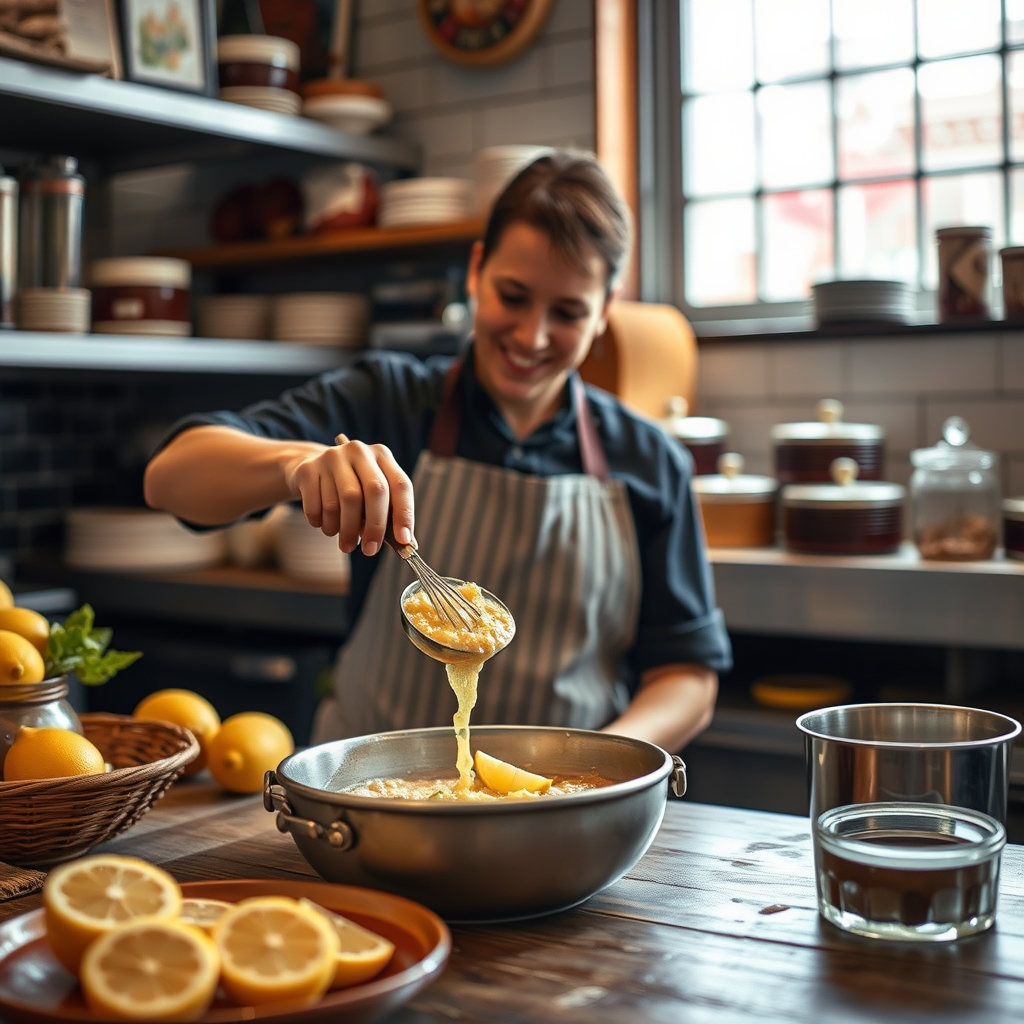
This comprehensive guide details a step-by-step protocol for safely making lemon jam, featuring precise measurements and techniques to enhance flavor and ensure preservation. You’ll find everything you need to know about the essential ingredients, equipment, and safety precautions necessary for crafting lemon jam that is both delicious and safe for consumption. However, this guide does not delve into other fruit jams, alternative preservation methods, or variations of lemon jam that diverge from traditional canning standards.
Who Should Read This
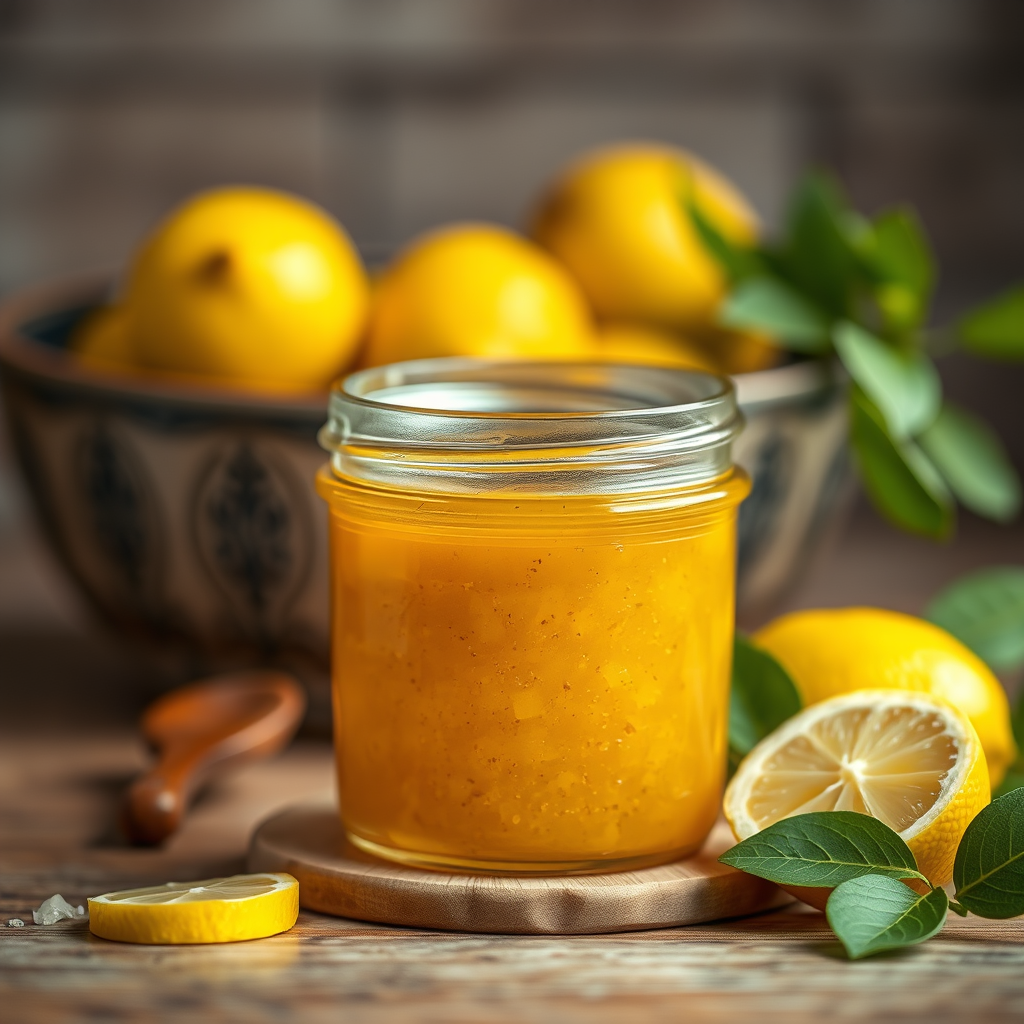
This guide is designed for home cooks with a foundational understanding of basic cooking techniques who aspire to expand their skills into jam-making. Readers should be familiar with kitchen equipment, including canning pots, sterilization methods, and the principles of food preservation. If you lack prior experience in jam-making or canning, it is advisable to start with simpler recipes before tackling this lemon jam protocol.
The Step-by-Step Protocol
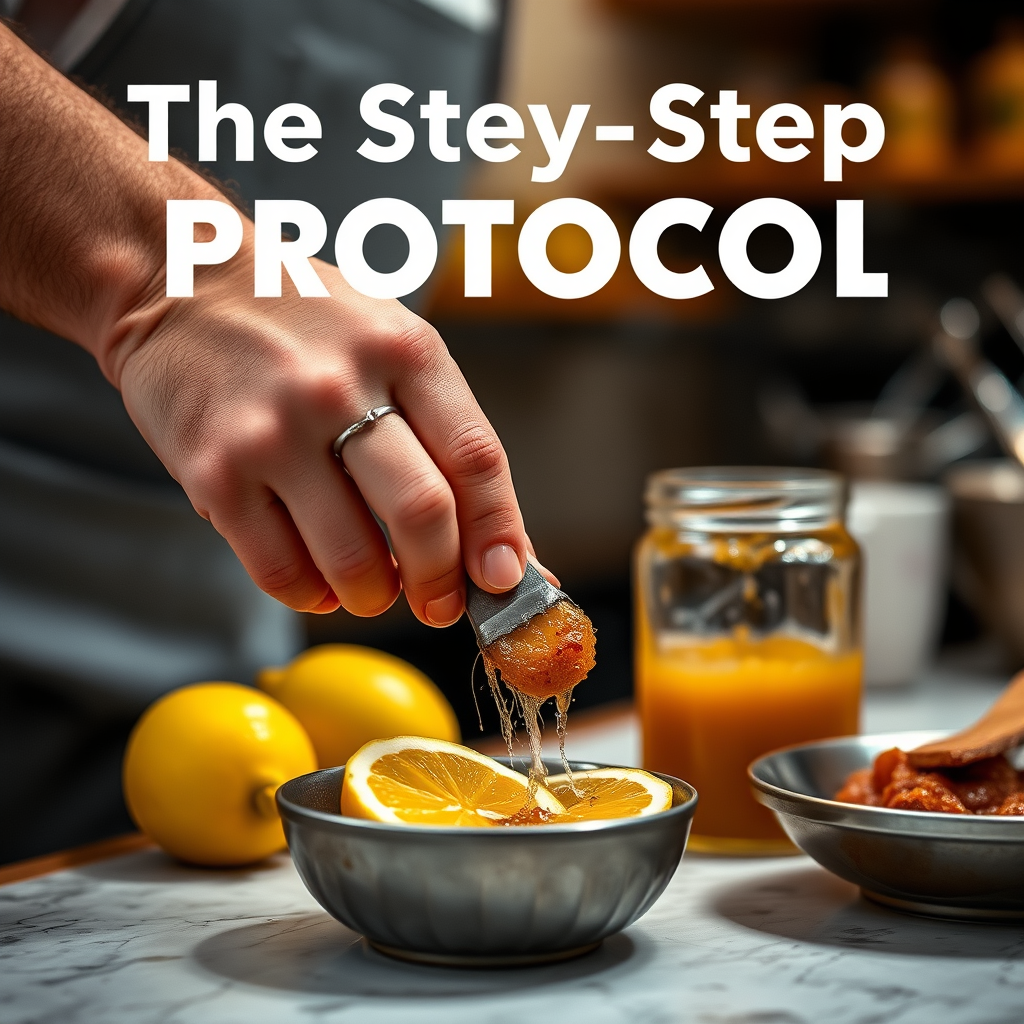
1. Gather Ingredients and Equipment: Collect 4 medium-sized lemons, 1 cup of granulated sugar, and 1/4 cup of water. Ensure you have a large pot, a wooden spoon, a canning jar, and a sterilizing setup, such as a boiling water bath or a dishwasher with a sanitize cycle.
2. Prepare the Lemons: Wash the lemons thoroughly to eliminate any wax or pesticides. Zest two lemons, taking care to only collect the yellow part of the peel, as the white pith can impart bitterness. Juice all four lemons, yielding approximately 1 cup of juice.
3. Combine Ingredients: In a large pot, mix the lemon juice, lemon zest, sugar, and water. Stir well to combine, then let the mixture sit at room temperature for 15 minutes, allowing the sugar to dissolve completely.
4. Cook the Mixture: Over medium heat, bring the mixture to a boil, stirring constantly to prevent scorching. Allow it to boil for 10-15 minutes until it thickens and reaches a temperature of 220°F (104°C) on a candy thermometer. This is the gel point for jams, ensuring the right consistency.
5. Jar the Jam: Once thickened, remove the pot from heat. Ladle the hot lemon jam into sterilized jars, leaving a 1/4-inch headspace at the top. Wipe the rims of the jars with a clean cloth to guarantee a proper seal, then securely place the lids on.
6. Process the Jars: Process the sealed jars in a boiling water bath for 10 minutes. This crucial step ensures the safety and preservation of the jam. Allow the jars to cool completely on a clean towel or cooling rack before checking the seals.
Lemon Jam Recipe Nutritional Breakdown (per tablespoon)
| # | Nutrient | Amount | % Daily Value |
|---|---|---|---|
| 1 | Calories | 50 | 2% |
| 2 | Total Carbohydrates | 13g | 4% |
| 3 | Sugars | 12g | N/A |
| 4 | Vitamin C | 5mg | 6% |
| 5 | Calcium | 6mg | 0% |
| 6 | Iron | 0.1mg | 1% |
| 7 | Sodium | 1mg | 0% |
Warning Signs: When Not to Follow This
Do not attempt to make lemon jam if the lemons display any signs of spoilage, such as mold, soft spots, or an off smell. These indicators can lead to unsafe food products. Additionally, avoid this recipe if you lack the necessary canning equipment, as improper sealing can result in bacterial growth, particularly botulism. If you’re unsure about maintaining the correct boiling temperature or time, it’s wise to practice further or seek guidance before proceeding.
The Most Common Mistakes (And Their Consequences)
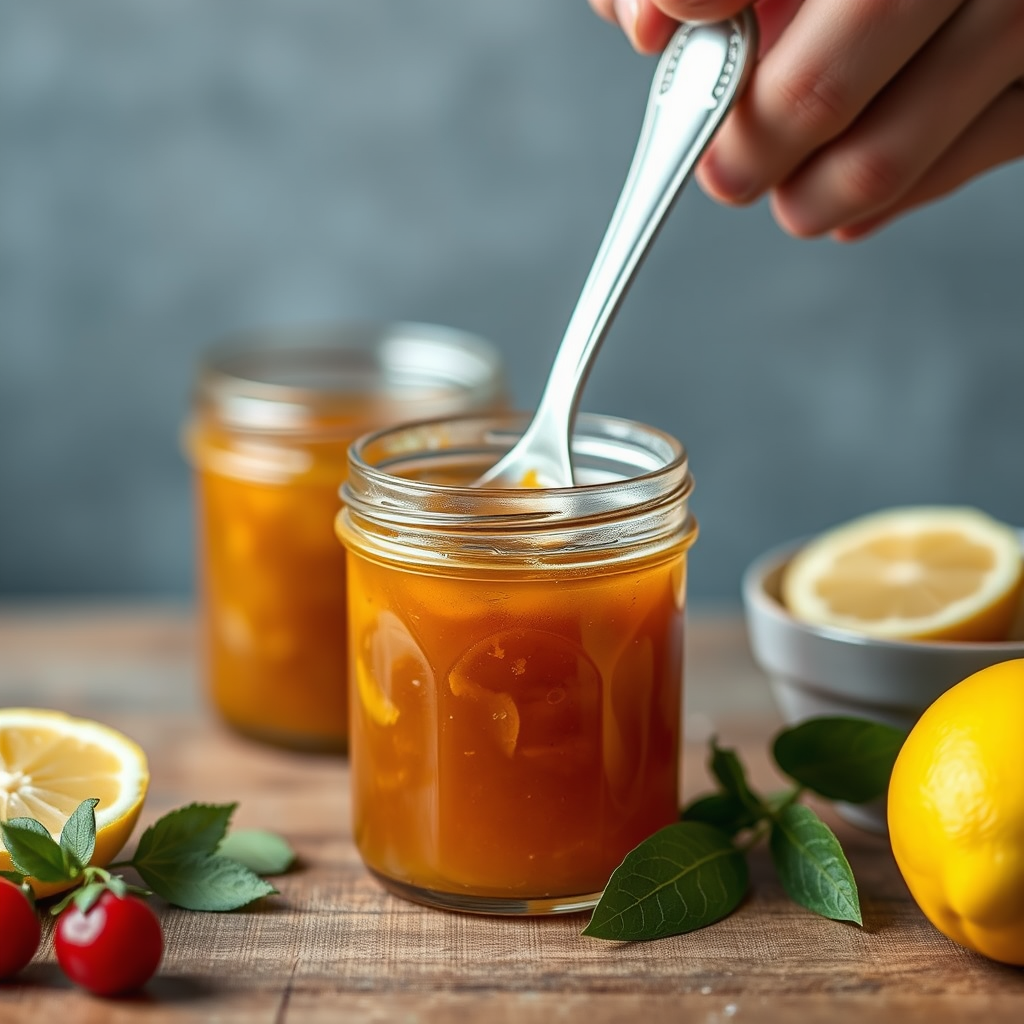
One of the most common pitfalls is inaccurate measurement of lemon juice and sugar, which can result in a jam that is either too tart or fails to set properly. Skipping the boiling water bath risks jars that are not properly sealed, potentially leading to spoilage and foodborne illness. Overcooking the jam past 220°F can cause caramelization, resulting in a bitter taste and undesirable texture that ruins the batch.
Special Cases That Need a Different Approach
When using Meyer lemons, reduce the sugar by 1/4 cup, as their sweeter profile alters the overall balance of the jam. For those with dietary restrictions, consider substituting granulated sugar with a suitable alternative, such as agave syrup, adjusting quantities based on sweetness levels. If you live at high altitudes (above 1,000 feet), consult local canning guidelines for adjusted processing times and temperatures to ensure safety and proper preservation.
When You Need a Professional
If you suspect contamination of your ingredients or equipment, it’s crucial to consult a food safety expert before proceeding with the lemon jam recipe. Additionally, seek professional guidance if you experience any adverse reactions to food preservation methods or if you are uncertain about the safety of your canned products after processing. For those considering mass production of lemon jam for sale, working with a food safety consultant is essential to comply with local health regulations and standards.
Sources and Further Reading
– “Canning and Preserving for Beginners” by Carla Emery offers foundational knowledge on safe canning practices.
– The National Center for Home Food Preservation provides guidelines on safe canning methods and the science behind food preservation.
– “The Complete Book of Jam Making” by Anne Sheasby includes numerous recipes and tips on achieving the perfect jam texture and flavor, including lemon variations.
Frequently Asked Questions
What ingredients do I need for a basic lemon jam recipe?
To make a basic lemon jam, you’ll need fresh lemons, sugar, and water. Typically, you’ll use about 4-5 medium lemons, 2 cups of sugar, and 1 cup of water. Optionally, you can add pectin if you prefer a thicker consistency, but it’s not necessary for this simple jam.
How do I properly prepare lemons for making jam?
To prepare lemons for jam, start by washing them thoroughly to remove any pesticides or wax. Then, zest the lemons and juice them, making sure to remove any seeds. The zest adds flavor and helps with the jam’s texture, while the juice provides the necessary acidity for preservation.
Why is my lemon jam not setting properly?
If your lemon jam isn’t setting, it could be due to insufficient cooking time or the lack of pectin. Ensure you boil the mixture long enough to reach the right temperature, typically around 220°F (104°C). If you’re using low-pectin fruit, consider adding commercial pectin to help achieve the desired consistency.
What is the best way to store homemade lemon jam?
The best way to store homemade lemon jam is in sterilized glass jars with airtight lids. Once cooled, keep the jam in the refrigerator for up to 3 months or process it in a water bath for longer shelf life, allowing it to be stored in a cool, dark place for up to a year.
Which recipes can I use lemon jam in besides spreading on toast?
Lemon jam can be used in various recipes beyond toast, such as in marinades, salad dressings, or as a glaze for meats. You can also incorporate it into desserts like tarts, cakes, or yogurt parfaits for a zesty flavor boost. Its versatility makes it a delightful addition to both sweet and savory dishes.
References
- Fruit preserves
https://en.wikipedia.org/wiki/Jam - https://www.britannica.com/topic/jam
https://www.britannica.com/topic/jam - Google Scholar Google Scholar
https://scholar.google.com/scholar?q=lemon+jam+recipe - Google Scholar Google Scholar
https://scholar.google.com/scholar?q=lemon+preservation - https://www.ncbi.nlm.nih.gov/pmc/articles/PMC4887896/
https://www.ncbi.nlm.nih.gov/pmc/articles/PMC4887896/ - https://www.sciencedirect.com/topics/agricultural-and-biological-sciences/jam
https://www.sciencedirect.com/topics/agricultural-and-biological-sciences/jam - https://www.ars.usda.gov/ARSUserFiles/oc/np/foodpreservation.pdf
https://www.ars.usda.gov/ARSUserFiles/oc/np/foodpreservation.pdf - https://www.cdc.gov/foodsafety/keep-food-safe.html
https://www.cdc.gov/foodsafety/keep-food-safe.html - Food safety
https://www.who.int/news-room/fact-sheets/detail/food-safety - lemon jam recipe – Search results
https://en.wikipedia.org/wiki/Special:Search?search=lemon+jam+recipe