Master the art of making jelly cake with this complete expert guide, which provides a detailed, step-by-step recipe designed for both novice and experienced bakers. This guide emphasizes essential safety protocols and techniques to ensure a perfect, wobbly treat every time, highlighting the importance of precision in ingredients and methods. Get ready to impress with a delightful dessert that balances flavor and texture, adhering to best practices for successful jelly cake creation.
What This Guide Covers (And What It Doesn’t)
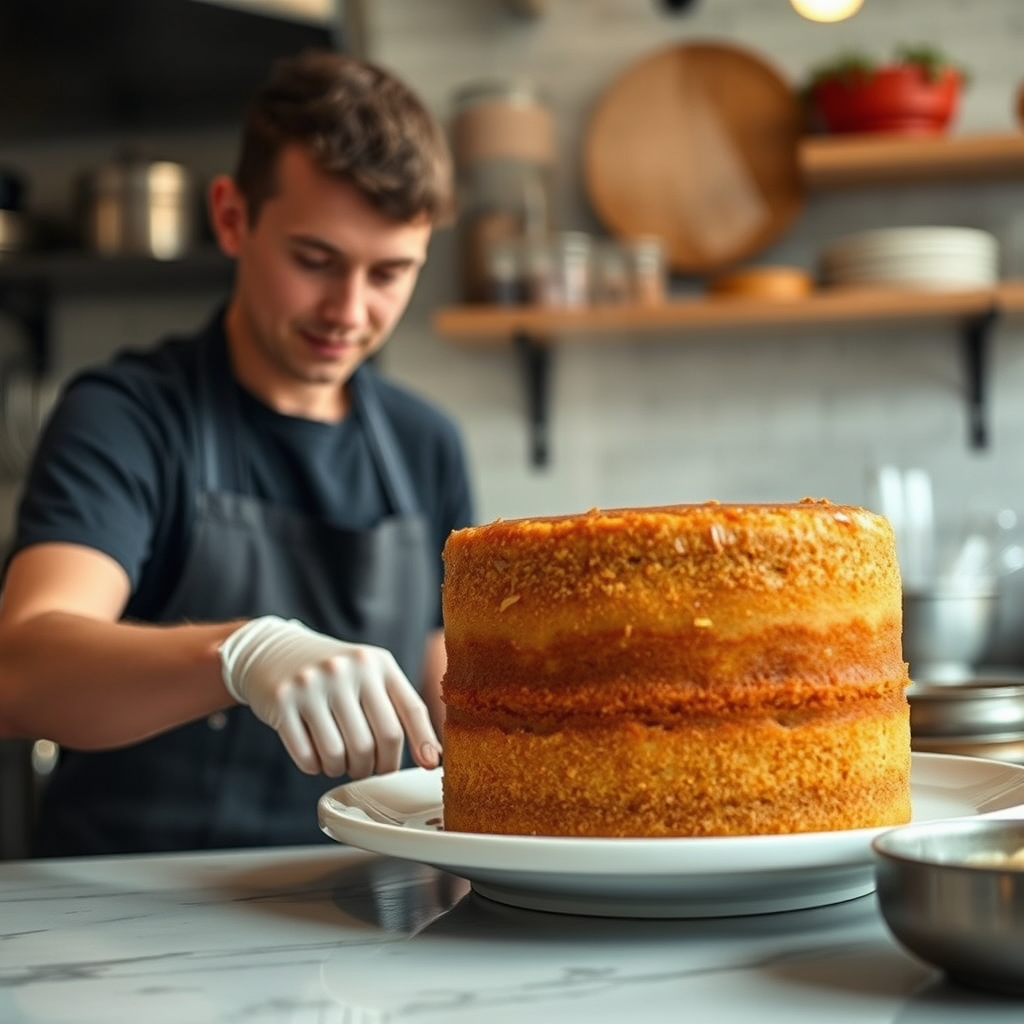
This guide offers a thorough jelly cake recipe, complete with detailed ingredient lists, preparation steps, and baking techniques to ensure your success. It places a strong emphasis on safety considerations in food preparation, particularly the proper handling of gelatin, while highlighting food safety standards relevant to jelly cakes. However, it does not delve into alternative dessert recipes, non-jelly variations, or extensive discussions on dietary restrictions beyond those specific to jelly cakes.
Who Should Read This
Designed for home bakers with basic to intermediate skills, this guide invites anyone interested in expanding their dessert repertoire to explore the delightful world of jelly cakes. It is particularly useful for individuals looking to impress guests at special occasions, such as birthdays or celebrations. Moreover, those eager to grasp the science behind gelatin and cake textures will find the detailed explanations beneficial.
The Step-by-Step Protocol
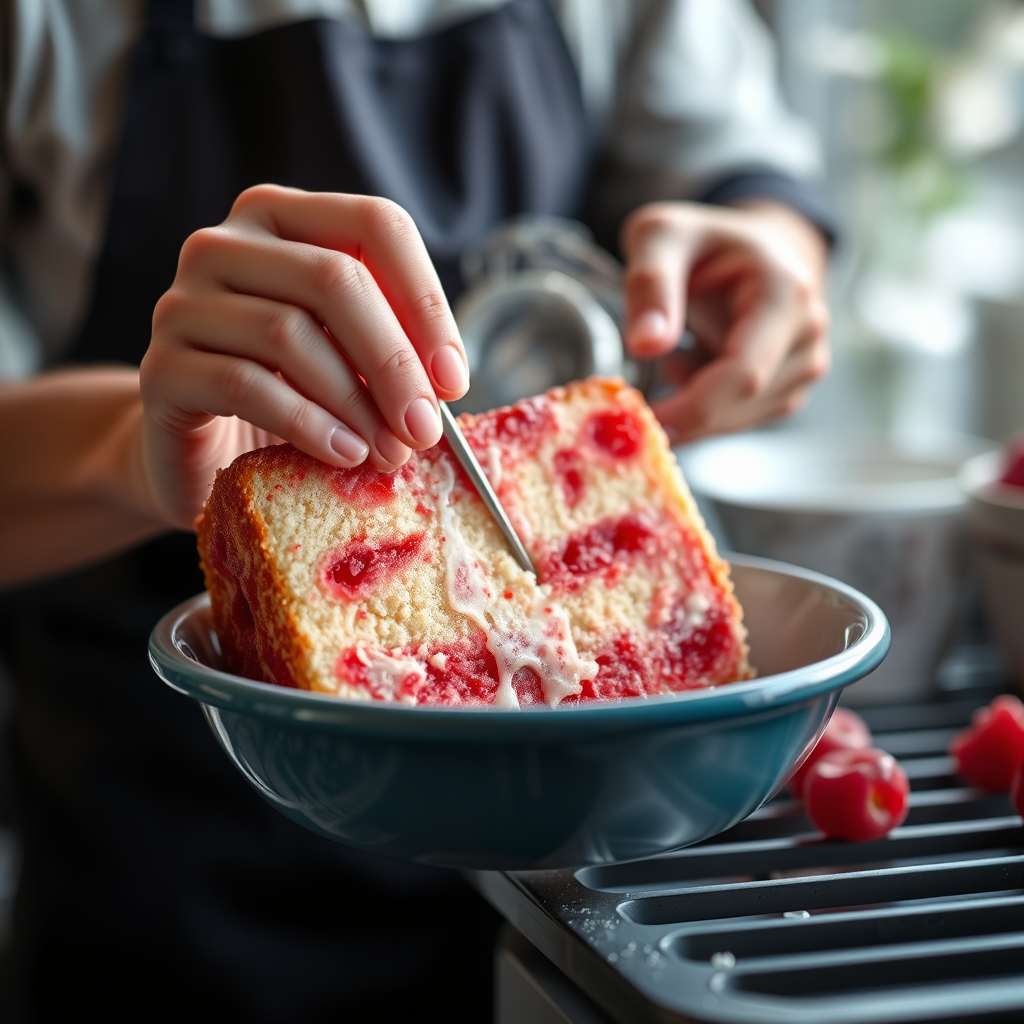
1. Gather Your Ingredients: You will need:
– 1 cup of all-purpose flour
– 1/2 cup of granulated sugar
– 1/2 cup of unsalted butter (softened)
– 3 large eggs
– 2 teaspoons of baking powder
– 1 packet (3 oz) of flavored gelatin (such as strawberry or raspberry)
– 1 cup of boiling water
2. Preheat the Oven: Set your oven to 350°F (175°C) and allow it to preheat fully before placing your cake in. This ensures even cooking and optimal rise.
3. Prepare the Cake Batter: In a mixing bowl, cream together the softened butter and granulated sugar until the mixture is light and fluffy, about 3-5 minutes. Add the eggs one at a time, mixing well after each addition. In a separate bowl, combine the flour and baking powder, then gradually add this mixture to the creamed mixture, mixing until just combined to avoid overmixing.
4. Bake the Cake: Pour the prepared batter into a greased 9-inch round cake pan. Bake for 25-30 minutes or until a toothpick inserted in the center comes out clean. The cake should be lightly golden on top.
5. Prepare the Jelly Layer: While the cake bakes, dissolve the gelatin in 1 cup of boiling water, stirring until fully dissolved. Allow this mixture to cool to room temperature; this step is crucial as it prevents the gelatin from melting the cake during assembly.
6. Assemble the Cake: Once the cake has cooled completely, slice it in half horizontally using a serrated knife. Pour half of the cooled gelatin over the bottom layer of the cake. Carefully place the top layer back on and pour the remaining gelatin over it, ensuring even distribution.
7. Refrigerate: Chill the assembled cake in the refrigerator for at least 4 hours or until the gelatin is fully set. This is essential for achieving the desired jelly texture.
8. Serve: Once the gelatin is set, remove the cake from the refrigerator, slice, and serve. Optionally, garnish with whipped cream or fresh fruit to enhance presentation.
Jelly Cake Ingredients Overview
| # | Ingredient | Quantity | Calories per Serving | Notes |
|---|---|---|---|---|
| 1 | All-purpose flour | 1 cup | 455 | Base ingredient |
| 2 | Granulated sugar | 1/2 cup | 387 | Sweetness |
| 3 | Unsalted butter | 1/2 cup | 810 | Moisture |
| 4 | Eggs | 3 large | 210 | Binding agent |
| 5 | Baking powder | 2 tsp | 0 | Leavening agent |
| 6 | Flavored gelatin | 1 packet (3 oz) | 80 | Flavor enhancer |
| 7 | Boiling water | 1 cup | 0 | Dissolves gelatin |
Warning Signs: When Not to Follow This
– Do not attempt this recipe if you are allergic to any of the key ingredients, particularly gelatin, dairy, or eggs, as this could lead to severe allergic reactions.
– Avoid making this recipe if your kitchen environment is not clean, as improper hygiene can lead to foodborne illnesses.
– If you are unsure about your oven’s temperature accuracy or have unreliable baking equipment, it’s best to refrain from baking until these issues are resolved.
The Most Common Mistakes (And Their Consequences)
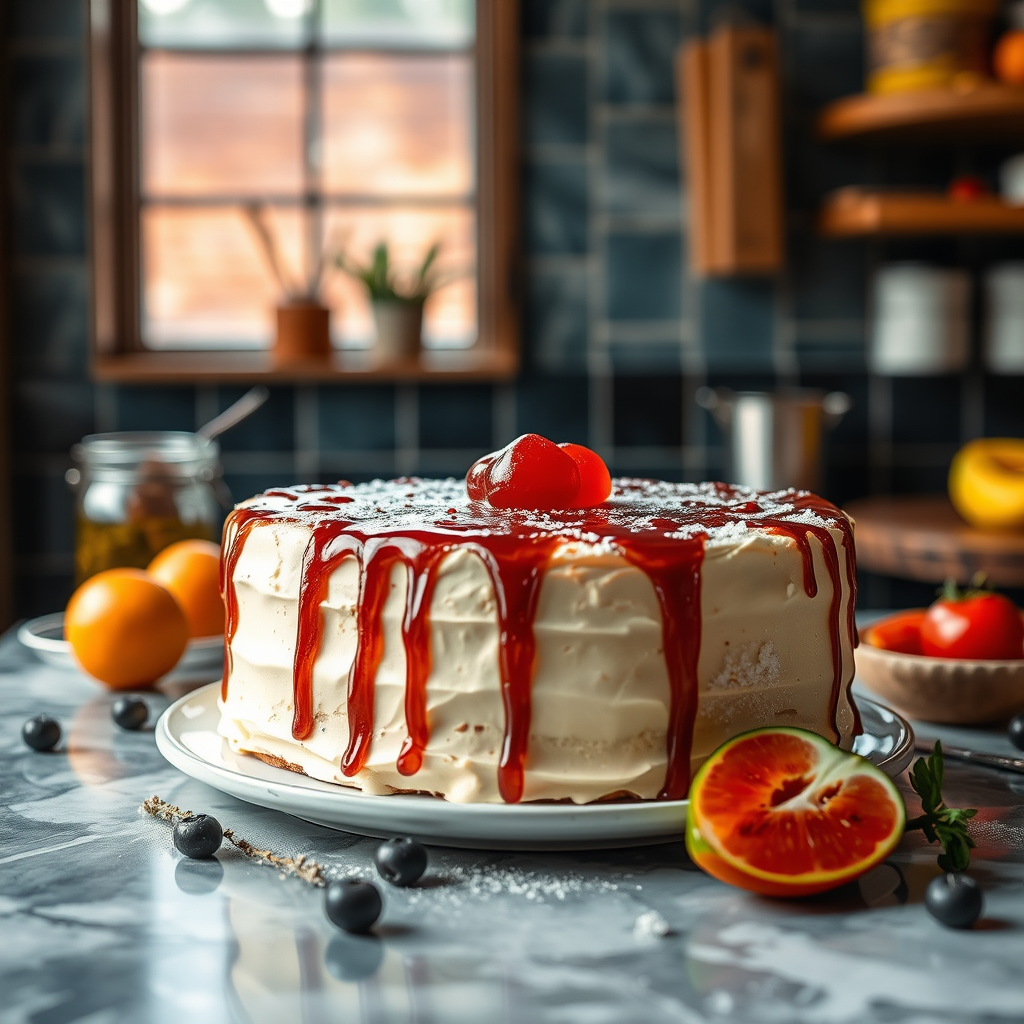
– Not Allowing the Cake to Cool Completely: Pouring the gelatin over a warm cake may melt it, resulting in a soggy texture and inadequate setting of the jelly layer. This can ruin the dessert’s overall presentation and flavor.
– Improper Gelatin Preparation: Using water that is too hot or too cold can prevent the gelatin from dissolving properly, causing lumps and an uneven jelly layer. This mishap compromises both taste and texture.
– Overmixing the Batter: Mixing the cake batter for too long can introduce excessive air, leading to a dense cake instead of a light, fluffy texture. This affects the cake’s mouthfeel and overall quality.
Special Cases That Need a Different Approach
– For gluten-free diets, substitute all-purpose flour with a gluten-free flour blend specifically designed for baking. Ensure that your baking powder is gluten-free as well.
– If using sugar substitutes due to dietary restrictions, be aware that some alternatives may not behave the same way as granulated sugar, resulting in different textures and flavors in the cake.
– For a vegan version, replace the eggs with flax eggs (1 tablespoon ground flaxseed mixed with 3 tablespoons water per egg). Additionally, use plant-based butter and substitute gelatin with vegan alternatives like agar-agar, adjusting the setting process accordingly.
When You Need a Professional
– In cases of severe allergies or dietary restrictions, consult with a registered dietitian or allergist before attempting to make a jelly cake to ensure safety and compliance with personal dietary needs.
– If you experience any issues with food preparation that could lead to food safety concerns, such as cross-contamination or improper storage, seek guidance from food safety experts or local health departments.
– For those looking to create jelly cakes for commercial purposes, it’s advisable to work with a certified food safety consultant to ensure compliance with local health regulations and standards.
Sources and Further Reading
– “The Science of Good Cooking” by Cook’s Illustrated discusses the chemistry behind baking and gelatin.
– USDA guidelines on food safety, particularly those related to safe food handling practices.
– Research papers on gelatin preparation and its applications in baking, available through culinary science journals and food technology publications.
By following this guide, you can create a delightful jelly cake that is both visually appealing and delicious, while adhering to best practices in food safety and preparation. Enjoy your baking journey!
Frequently Asked Questions
What are the key ingredients for a jelly cake recipe?
The key ingredients for a jelly cake recipe typically include a sponge cake base, flavored gelatin, whipped cream, and fresh fruits. The sponge cake serves as the foundation, while the gelatin adds flavor and a beautiful translucent layer. You can customize the flavors and fruits according to your preference, making it a versatile dessert option.
How do I prevent my jelly from separating from the cake?
To prevent your jelly from separating from the cake, make sure the sponge cake is completely cooled before adding the gelatin. Additionally, using a layer of whipped cream between the cake and the jelly can create a barrier that helps keep the layers intact. Allow the jelly to set slightly before pouring it over the cake to further reduce separation.
Why is my jelly cake not setting properly?
If your jelly cake is not setting properly, it could be due to insufficient gelatin or the gelatin not being dissolved correctly. Ensure that you are using the right amount of gelatin according to the package instructions and that it is fully dissolved in hot water before mixing it with cold ingredients. Additionally, chilling the cake in the refrigerator for enough time is crucial for proper setting.
What is the best type of fruit to use in a jelly cake?
The best type of fruit to use in a jelly cake includes berries like strawberries, raspberries, and blueberries, as they provide vibrant colors and flavors. Citrus fruits, such as oranges and lemons, can also add a refreshing tang. However, be cautious with fruits like pineapple and kiwi, as they contain enzymes that can prevent gelatin from setting.
Which tips can enhance the flavor of my jelly cake?
To enhance the flavor of your jelly cake, consider using flavored gelatin that complements your sponge cake, such as lemon or raspberry. Additionally, infusing your whipped cream with vanilla extract or citrus zest can add depth. Incorporating fresh herbs like mint or basil can also provide a unique twist that elevates the overall taste of your dessert.
References
- https://en.wikipedia.org/wiki/Jelly_cake
https://en.wikipedia.org/wiki/Jelly_cake - https://www.bbc.co.uk/food/recipes/jelly_cake_02837
https://www.bbc.co.uk/food/recipes/jelly_cake_02837 - https://www.nature.com/articles/s41538-021-00062-6
https://www.nature.com/articles/s41538-021-00062-6 - https://www.sciencedirect.com/topics/food-science/jelly-cake
https://www.sciencedirect.com/topics/food-science/jelly-cake - A Review on Liquid Chromatography-Tandem Mass Spectrometry Methods for Rapid Quantification of On…
https://www.ncbi.nlm.nih.gov/pmc/articles/PMC6321130/ - https://www.cdc.gov/foodsafety/communication/jelly.html
https://www.cdc.gov/foodsafety/communication/jelly.html - Diabetes and depression: Coping with the two conditions – Mayo Clinic
https://www.mayoclinic.org/healthy-lifestyle/nutrition-and-healthy-eating/expert-answers/jelly/faq-20057904 - Google Scholar Google Scholar
https://scholar.google.com/scholar?q=jelly+cake+recipe - Google Scholar Google Scholar
https://scholar.google.com/scholar?q=jelly+cakes+food+science - Google Scholar Google Scholar
https://scholar.google.com/scholar?q=jelly+desserts+recipes