Master the art of making huckleberry jam with this comprehensive expert guide, designed for both novice and seasoned canners. This guide details precise steps, essential ingredients, and safety protocols to ensure your homemade jam is both delicious and safe to enjoy. Following these expert recommendations will elevate your jam-making skills and preserve the vibrant flavor of huckleberries for a delightful treat.
What This Guide Covers (And What It Doesn’t)
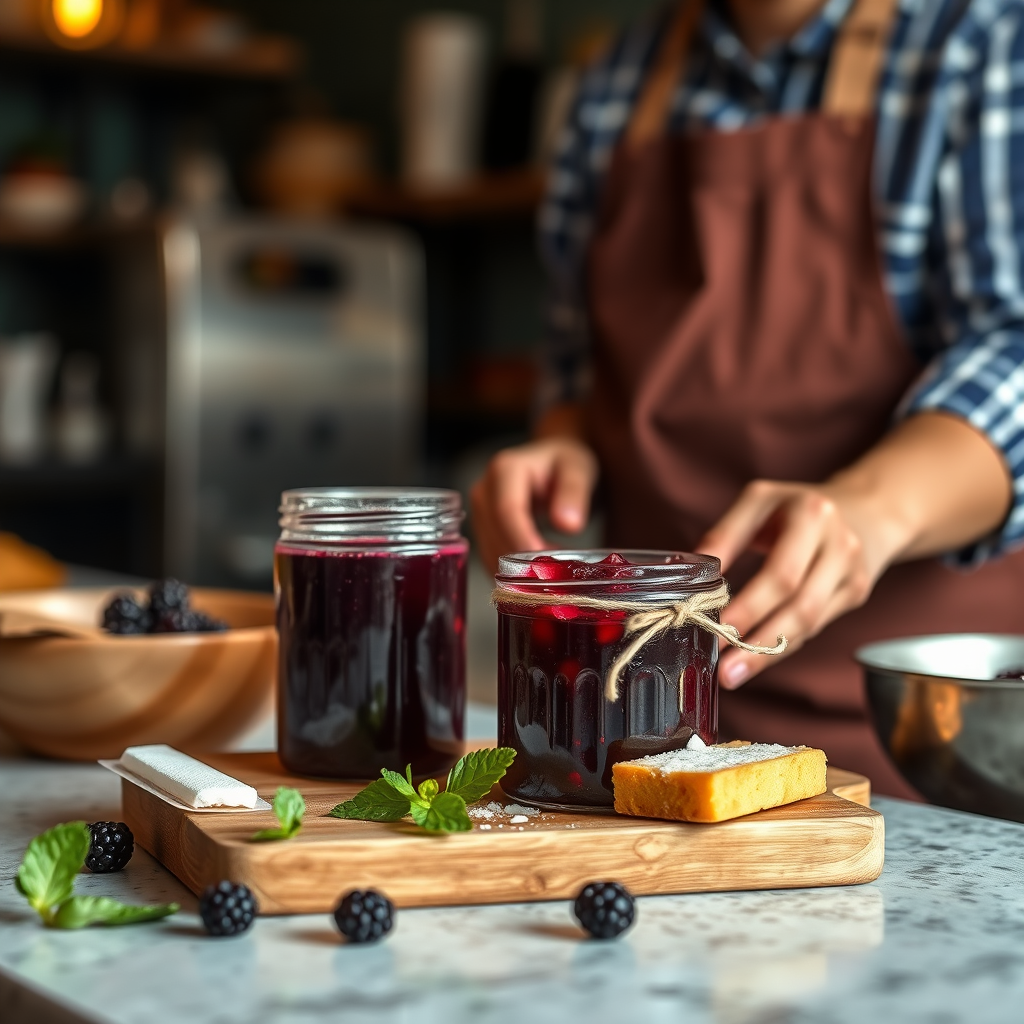
This guide offers a thorough, step-by-step approach to safely making huckleberry jam. You’ll find detailed information on the necessary ingredients, equipment, and techniques essential for successful preservation. It emphasizes food safety practices specific to huckleberries, including proper washing, handling, and storage methods to prevent spoilage or contamination. However, this guide does not delve into other types of berry jams or jellies, nor does it explore variations or alternative recipes that deviate from traditional huckleberry jam preparation.
Who Should Read This
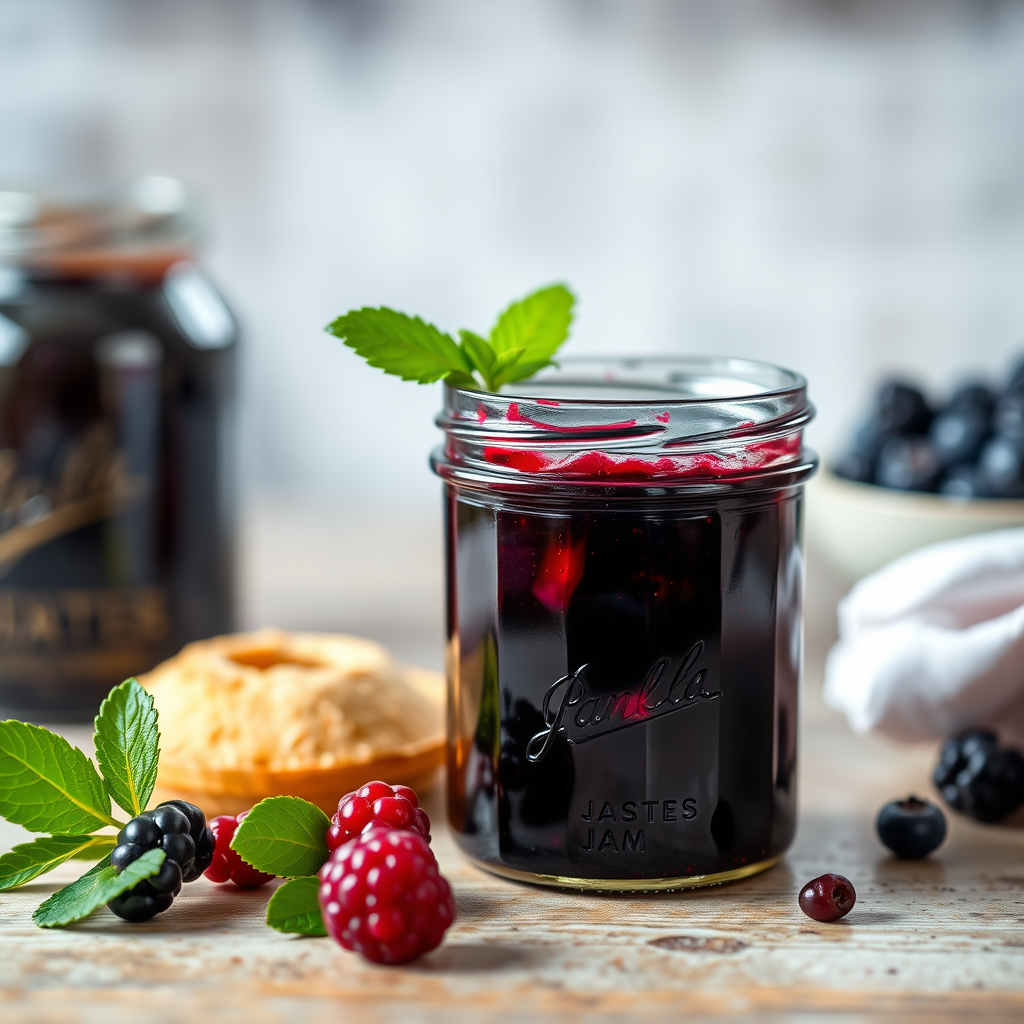
This guide is designed for home cooks and food enthusiasts who possess a basic understanding of canning and preserving fruits but may be unfamiliar with huckleberries specifically. It is also ideal for those seeking a reliable recipe that adheres to safety standards in food preservation while ensuring the best flavor and texture in their jam. Individuals with no prior experience in canning or food preservation should first consult beginner-level resources, as this recipe requires specific techniques and knowledge.
The Step-by-Step Protocol
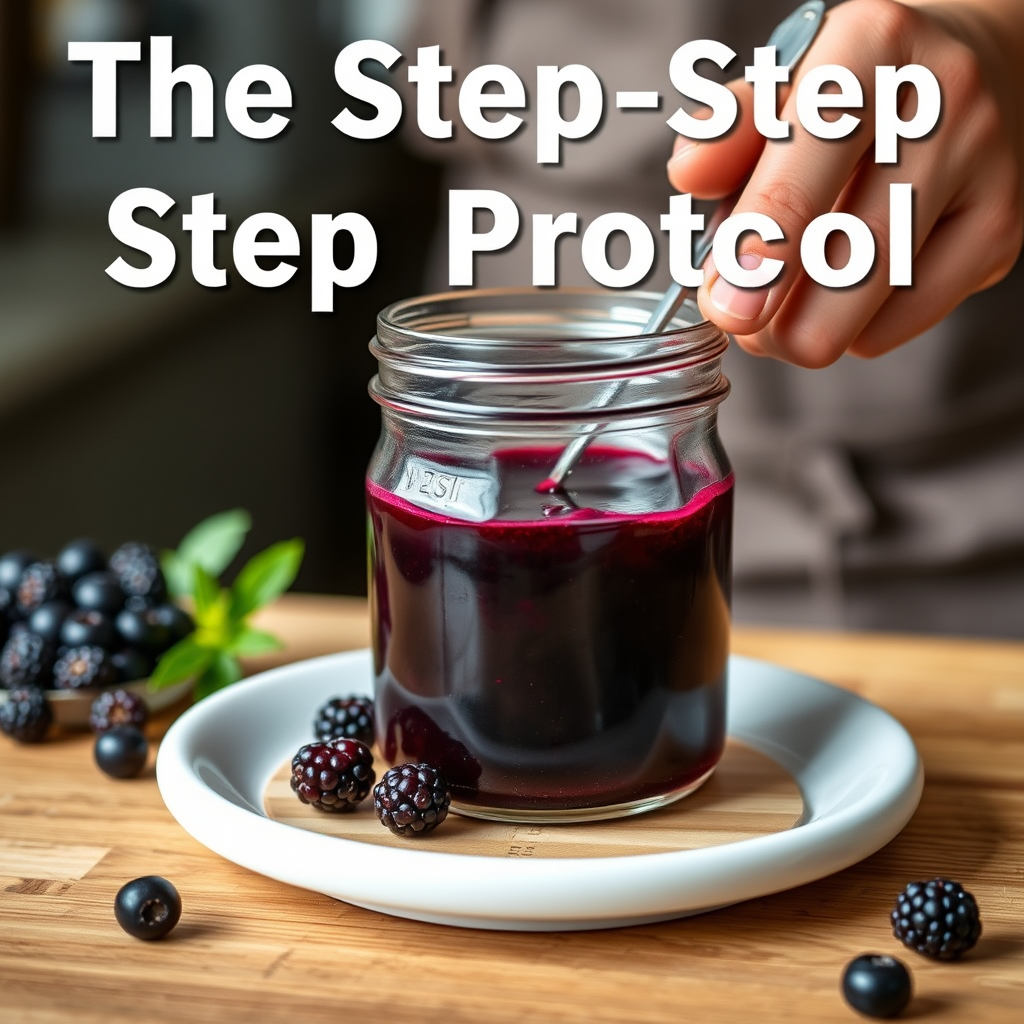
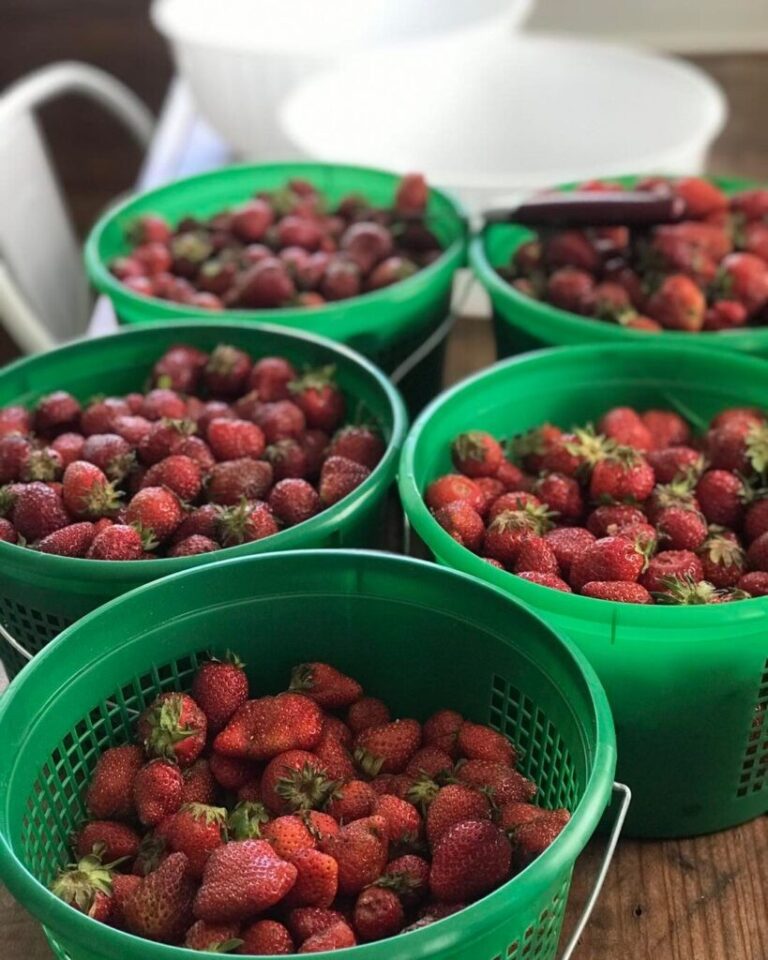
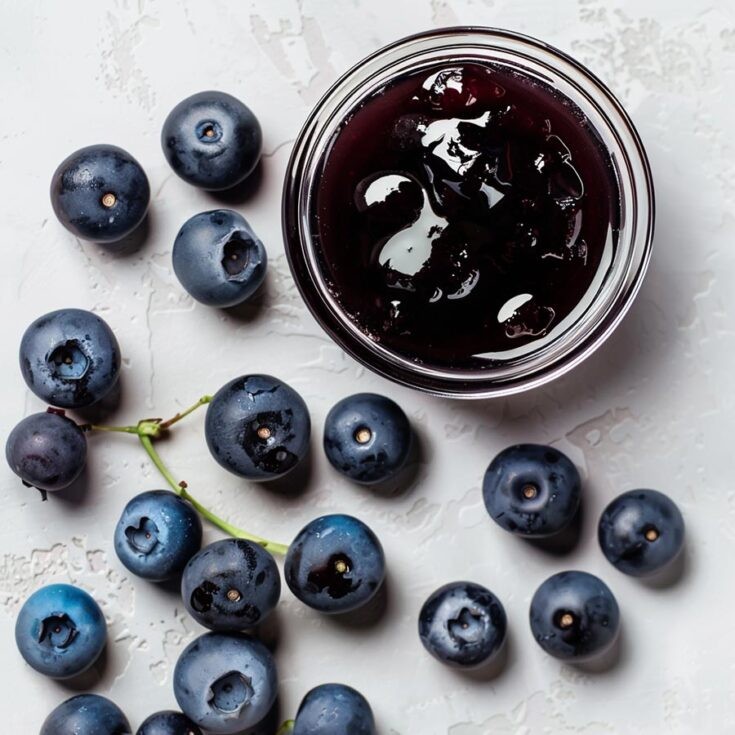
1. Gather Your Ingredients: Start by collecting 4 cups of fresh huckleberries, 1 cup of granulated sugar, and 1/4 cup of lemon juice. Carefully inspect the huckleberries, ensuring they are free from stems, leaves, or any signs of spoilage.
2. Prepare the Fruit Mixture: In a large, heavy-bottomed pot, combine the huckleberries, sugar, and lemon juice. Allow the mixture to sit for 30 minutes. This resting period helps to draw out the natural juices of the berries, which is crucial for achieving the right consistency in your jam.
3. Cook the Mixture: Place the pot over medium heat and bring the mixture to a gentle boil. Stir frequently to ensure the sugar dissolves completely. Monitor the temperature with a candy or digital thermometer until it reaches 220°F (104°C). This temperature is critical for proper gel formation.
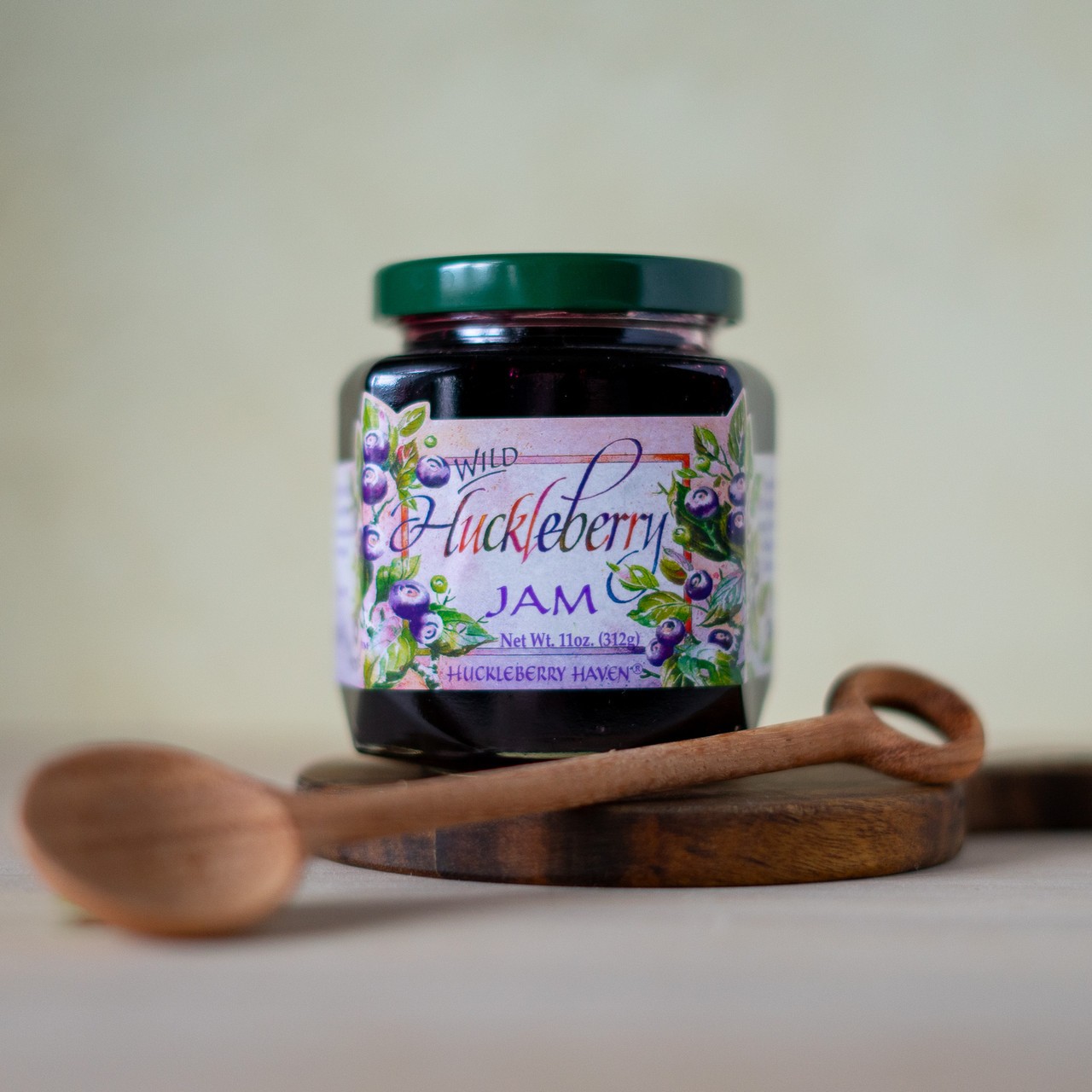
4. Ladle into Jars: Once the mixture has reached the correct temperature, remove the pot from the heat. Using a ladle, carefully fill sterilized canning jars with the hot jam, leaving about 1/4-inch headspace at the top of each jar. This headspace is vital for creating an airtight seal.
5. Seal and Process: Wipe the rims of the jars with a clean, damp cloth to remove any residue. Secure sterilized lids on top of the jars, then process them in a boiling water bath for 10 minutes. Ensure the water covers the jars by at least an inch.
6. Cool and Store: After processing, carefully remove the jars from the boiling water bath and let them cool on a clean kitchen towel or cooling rack. You should hear a popping sound as the lids seal. Once completely cool, check that the lids are sealed by pressing the center of each lid; it should not flex up and down. Store the sealed jars in a cool, dark place.
Warning Signs: When Not to Follow This
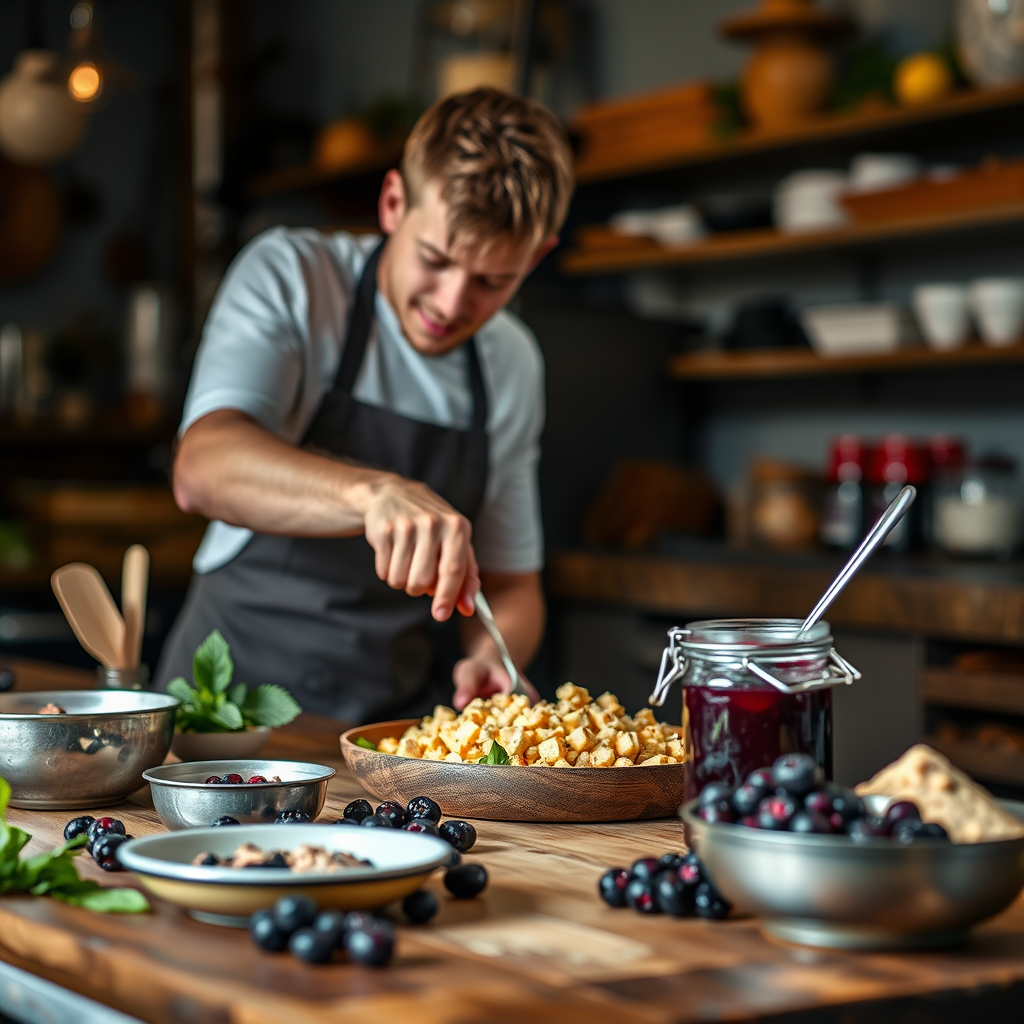
Refrain from making huckleberry jam if the huckleberries show visible mold, off odors, or any signs of spoilage. These indicators could suggest unsafe fruit that may lead to foodborne illness. Additionally, do not attempt this recipe if you lack access to proper canning equipment, such as a large pot for boiling water or sterilized jars, since inadequate equipment can compromise safety and preservation. If you are allergic to huckleberries or any ingredients in the recipe, it is essential to avoid proceeding, as this could trigger severe allergic reactions.
The Most Common Mistakes (And Their Consequences)
One of the most frequent missteps in huckleberry jam-making is misjudging the gelling point. Many home canners remove the jam from heat too soon, resulting in a runny consistency instead of a firm jam that holds its shape. Another common mistake is failing to leave sufficient headspace in jars; this can lead to overflow during the boiling process, causing a failed seal and potential spoilage. Additionally, using non-sterilized jars or lids can introduce bacteria, leading to spoilage, fermentation, or even botulism, a serious foodborne illness that can be life-threatening.
Special Cases That Need a Different Approach
If you are using frozen huckleberries, ensure they are completely thawed and drained of excess liquid before beginning the jam-making process. This step is crucial to achieve the correct consistency in the final product. For those with dietary restrictions, consider substituting granulated sugar with a suitable alternative like honey or agave nectar. However, be aware that this may alter the gelling process, necessitating adjustments to the amount used. If you desire a lower-sugar version of huckleberry jam, utilize low-sugar pectin, following the package directions closely, as the ratio of fruit to sugar is critical for proper setting.
When You Need a Professional
If you are uncertain about the safety of your huckleberries, especially if they were foraged or sourced from an unknown location, consulting a food safety expert is advisable. Should you notice any signs of spoilage in your jam after processing—such as bulging lids or unusual odors—seek professional guidance on whether the product is safe to consume. For individuals with underlying health conditions or weakened immune systems, it is prudent to consult with a nutritionist or food safety expert before consuming home-canned goods to assess potential risks.
Sources and Further Reading
– “Canning and Preserving for Beginners: The Essential Canning Recipes and Step-by-Step Guide” by Carla J. Henson includes foundational knowledge for safe canning practices.
– The National Center for Home Food Preservation offers guidelines on fruit preservation, including specific instructions for huckleberries and other berries.
– Local extension services often provide resources and workshops on safe canning methods, including updates on best practices and seasonal ingredient availability.
By following this guide, you’ll gain the knowledge needed to create delicious huckleberry jam both safely and effectively. With careful attention to the outlined protocol and awareness of common pitfalls, you can savor the fruits of your labor for months to come.
Frequently Asked Questions
What ingredients do I need for a huckleberry jam recipe?
To make a delicious huckleberry jam, you’ll need fresh huckleberries, granulated sugar, lemon juice, and pectin. The huckleberries provide a rich flavor, while the sugar and lemon juice help balance the tartness and enhance the jam’s preservation. Using pectin is crucial for achieving the right consistency in your homemade jam.
How do I properly prepare huckleberries for jam-making?
Before making huckleberry jam, it’s essential to clean your huckleberries thoroughly. Rinse them gently under cold water to remove any dirt or debris, then remove any stems or leaves. Once cleaned, you can mash the berries slightly to release their juices, which will help in the cooking process and flavor development.
Why is my huckleberry jam not setting properly?
If your huckleberry jam is not setting, it could be due to insufficient pectin or not cooking the mixture long enough. Make sure to follow the recommended measurements for pectin and allow the jam to boil for the necessary time. Additionally, using overripe huckleberries can affect the setting, as they contain less natural pectin.
What is the best method for canning huckleberry jam?
The best method for canning huckleberry jam involves sterilizing your jars and lids in boiling water, then filling them with hot jam, leaving about a quarter-inch headspace. After sealing the jars, process them in a boiling water bath for 10-15 minutes to ensure they are airtight and shelf-stable. This method helps preserve the freshness and flavor of your homemade jam.
Which huckleberry varieties are best for making jam?
The best huckleberry varieties for making jam are typically the blue huckleberry (Vaccinium membranaceum) and the red huckleberry (Vaccinium parvifolium). Both varieties offer a sweet and tangy flavor that translates well into jam. When selecting berries, opt for ripe, plump huckleberries to ensure the highest quality in your jam recipe.
References
- Huckleberry
https://en.wikipedia.org/wiki/Huckleberry - Huckleberry | Description, Plant, Fruit, Leaves, Distribution, & Facts | Britannica
https://www.britannica.com/plant/huckleberry - https://pubmed.ncbi.nlm.nih.gov/24892641/
https://pubmed.ncbi.nlm.nih.gov/24892641/ - https://www.ncbi.nlm.nih.gov/pmc/articles/PMC3996637/
https://www.ncbi.nlm.nih.gov/pmc/articles/PMC3996637/ - Google Scholar Google Scholar
https://scholar.google.com/scholar?q=huckleberry+jam+recipe - Google Scholar Google Scholar
https://scholar.google.com/scholar?q=huckleberry+preservation - Google Scholar Google Scholar
https://scholar.google.com/scholar?q=huckleberry+cooking+methods - Extension publications | University of Idaho
https://www.extension.uidaho.edu/food/recipes/jams/huckleberry-jam.aspx - https://www.fs.usda.gov/wildflowers/ethnobotany/huckleberry.shtml
https://www.fs.usda.gov/wildflowers/ethnobotany/huckleberry.shtml - https://www.oregon.gov/oha/PHD/Pages/huckleberry.aspx
https://www.oregon.gov/oha/PHD/Pages/huckleberry.aspx