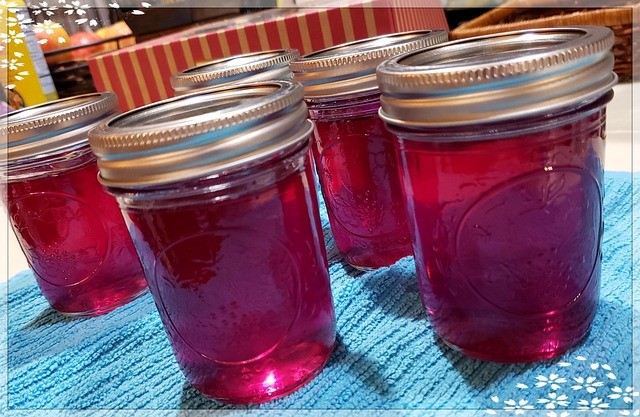
Mastering the art of making hot pepper jelly requires precise techniques and safety protocols to ensure a delicious and safe product. This expert guide provides step-by-step instructions, essential tips, and crucial safety measures for crafting your own hot pepper jelly at home. Following these guidelines not only enhances flavor but also protects you from potential food safety hazards. Whether you’re a seasoned canner or a curious novice, this comprehensive resource will elevate your culinary skills and confidence in the kitchen.
What This Guide Covers (And What It Doesn’t)
This guide provides an in-depth, step-by-step approach to safely making hot pepper jelly, ensuring a delightful balance of flavor and food safety. You’ll find specific measurements, cooking times, and necessary equipment to create a successful batch. The focus is on traditional recipes that utilize fresh peppers, pectin, and vinegar, while alternative preservation methods or non-pepper variations are not included. If you’re looking for canning techniques outside of jelly-making or recipes that omit peppers, this guide won’t meet those needs.
Who Should Read This
This guide is designed for home cooks who have a basic understanding of canning and preserving, especially those eager to craft spicy condiments. It’s ideal for individuals experienced in handling hot peppers and aware of the critical importance of food safety in preservation. If you’re new to jelly making or not familiar with canning safety practices, it’s advisable to familiarize yourself with general canning techniques before diving into this recipe. Additionally, anyone with allergies to peppers or specific preservatives should consider alternative recipes or consult a dietary expert prior to starting.
The Step-by-Step Protocol
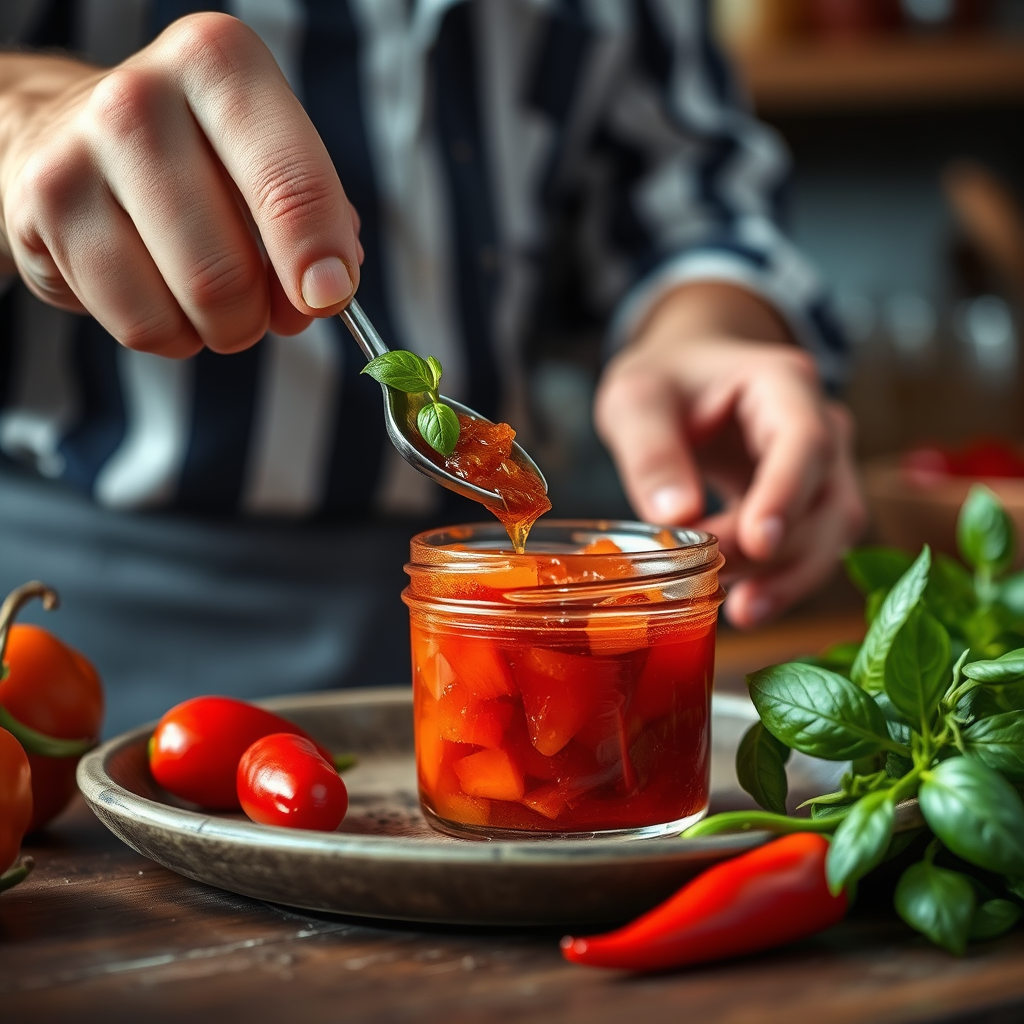
1. Gather Ingredients: Collect 1 cup of finely chopped hot peppers (such as jalapeños or habaneros), 1 cup of apple cider vinegar, 4 cups of granulated sugar, and 1 package (1.75 oz) of pectin. Ensure all ingredients are fresh and free from spoilage.
2. Prepare Jars: Sterilize 5 half-pint jars and lids by boiling them in water for 10 minutes. Afterward, let them air dry on a clean surface to avoid contamination.
3. Cook the Mixture: In a large pot, combine the chopped peppers, vinegar, and sugar over medium heat. Stir continuously until the sugar dissolves completely. Once dissolved, increase the heat and bring the mixture to a rolling boil.
4. Add Pectin: When the mixture reaches a full rolling boil, stir in the pectin and continue boiling for an additional minute, stirring constantly. Use a candy thermometer to ensure the mixture achieves a temperature of at least 220°F for proper gelling.
5. Jar the Jelly: Remove the pot from heat. Carefully ladle the hot jelly into the prepared sterilized jars, leaving about 1/4 inch of headspace at the top. Wipe the rims of the jars with a clean cloth to ensure a proper seal.
6. Seal and Process: Place the sterilized lids on the jars and screw on the metal bands until they are fingertip-tight. Process the jars in a boiling water bath for 10 minutes to ensure proper sealing and safety.
7. Cool and Store: After processing, remove the jars from the boiling water and let them cool on a clean towel or rack. Once cooled, check the seals by pressing the center of the lid. If it does not pop back, the jar is sealed properly. Store the sealed jars in a cool, dark place.
Key Ingredients and Their Roles in Hot Pepper Jelly
| # | Ingredient | Purpose | Quantity | Notes |
|---|---|---|---|---|
| 1 | Hot Peppers | Flavor and heat | 1 cup | Use fresh for best flavor |
| 2 | Apple Cider Vinegar | Acidity and preservation | 1 cup | Must be at least 5% acidity |
| 3 | Granulated Sugar | Sweetness and gelling | 4 cups | Essential for preserving |
| 4 | Pectin | Gelling agent | 1 package (1.75 oz) | Follow package instructions |
| 5 | Water (for sterilization) | Sterilization | As needed | Use boiling water |
| 6 | Salt (optional) | Flavor enhancer | 1/2 tsp | Not required, but recommended |
| 7 | Herbs (optional) | Flavor customization | As desired | Test in small batches |
Warning Signs: When Not to Follow This
Avoid this recipe if you cannot guarantee the cleanliness of your equipment and workspace, as inadequate sanitation can lead to spoilage. Refrain from proceeding if you have allergies to hot peppers or any other ingredients, as this could pose serious health risks. Should you notice any signs of spoilage in your ingredients, such as mold or off-odors, do not attempt to make the jelly. Additionally, if you’re unfamiliar with basic canning safety practices, including pressure and water bath canning, this recipe may not be suitable.
The Most Common Mistakes (And Their Consequences)
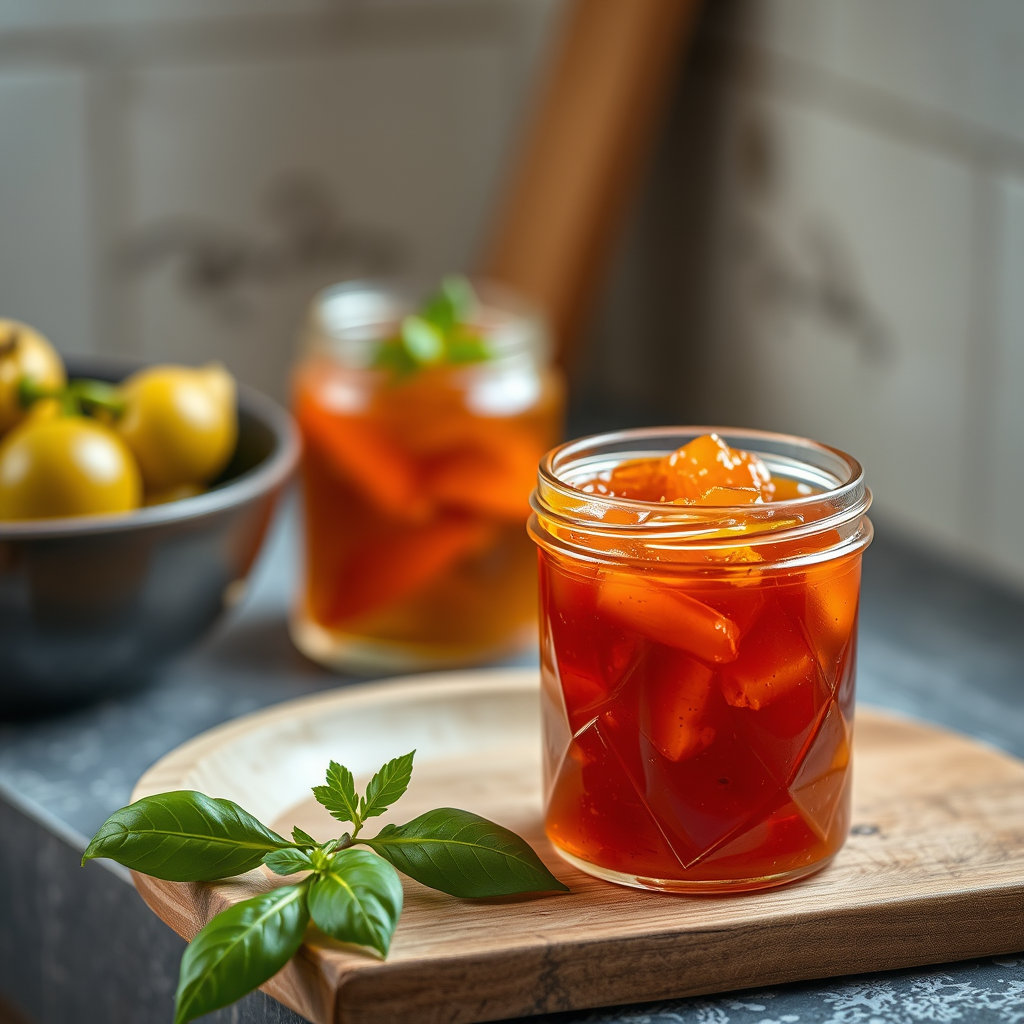
One common pitfall is inaccurate measurement of pectin, which can result in jelly that is either too runny or overly firm. Failing to reach a full rolling boil before adding pectin can cause improper gelling and spoilage. Neglecting to follow proper sterilization techniques for jars may introduce harmful bacteria, leading to foodborne illnesses. Omitting vinegar or substituting it with a non-acidic liquid can alter the pH level, jeopardizing the safety and preservation of the jelly.
Special Cases That Need a Different Approach
When using extremely hot peppers or specialty varieties (like ghost peppers), adjust the quantity to maintain a balanced flavor without overwhelming heat. For those at high altitudes, it may be necessary to extend cooking times and modify the sugar-to-pectin ratio to achieve proper gelling. Individuals with dietary restrictions might need to replace sugar with alternatives like stevia, although this may require adjustments to pectin usage and cooking times. If you wish to infuse additional flavors, such as garlic or herbs, it’s essential to test these combinations in small batches to ensure both safety and flavor balance.
When You Need a Professional
Consult a licensed food preservation expert if you have any doubts regarding the acidity levels of your ingredients, as incorrect acidity can lead to botulism. If you intend to scale up production beyond a few batches, working with a food safety expert will help ensure compliance with local canning regulations. Seek professional advice if you experience unusual reactions after consuming the jelly or suspect any contamination during the canning process. For health concerns related to food preservation or specific dietary needs, a registered dietitian can offer tailored guidance.
Sources and Further Reading
– USDA Complete Guide to Home Canning: A trusted source for safe canning practices and guidelines.
– National Center for Home Food Preservation: Offers research-based information on preserving food safely, including jelly and jam recipes.
– “The Joy of Cooking”: A classic cookbook that includes foundational knowledge for jelly making and other preserving techniques.
– “Ball Complete Book of Home Preserving”: A comprehensive guide covering a variety of canning methods, including safety tips for making hot pepper jelly.
Following this guide enables you to confidently create your own hot pepper jelly, allowing you to enjoy the satisfaction of home canning while savoring the vibrant flavors of this spicy condiment.
Frequently Asked Questions
What ingredients do I need for a basic hot pepper jelly recipe?
To make a basic hot pepper jelly, you’ll need fresh hot peppers (like jalapeños or habaneros), sugar, apple cider vinegar, and pectin. You can also add optional ingredients like garlic or herbs to enhance the flavor. This simple combination creates a sweet and spicy jelly perfect for pairing with cheese or meats.
How do I make hot pepper jelly from scratch?
To make hot pepper jelly from scratch, chop the peppers and combine them with sugar and apple cider vinegar in a saucepan. Bring the mixture to a boil, stirring until the sugar dissolves, then add pectin and boil again for a minute. Pour the hot mixture into sterilized jars, seal them, and process in a water bath for preservation.
Why does my hot pepper jelly not set properly?
If your hot pepper jelly doesn’t set, it may be due to insufficient pectin or not boiling the mixture long enough. Ensure you follow the pectin package instructions closely and consider adding a little more pectin if the mixture remains runny. Additionally, using overly ripe peppers can affect the jelly’s ability to set.
What is the best way to store homemade hot pepper jelly?
The best way to store homemade hot pepper jelly is by keeping it in a cool, dark place, such as a pantry or cupboard. Once opened, it should be refrigerated to maintain freshness, and it can last for several months when stored properly in airtight containers. Always check for signs of spoilage before using.
Which types of peppers are best for making hot pepper jelly?
The best types of peppers for making hot pepper jelly vary based on your heat preference; jalapeños offer moderate heat while habaneros provide a much spicier kick. For a milder flavor, consider using sweet bell peppers combined with a few spicy ones. Experimenting with different varieties can help you find the perfect balance for your jelly.
References
- Jelly
https://en.wikipedia.org/wiki/Jelly - Google Scholar Google Scholar
https://scholar.google.com/scholar?q=hot+pepper+jelly+recipe - Implantation of 3D Constructs Embedded with Oral Mucosa-Derived Cells Induces Functional Recovery…
https://www.ncbi.nlm.nih.gov/pmc/articles/PMC5671470/ - https://www.foodsafety.gov/keep/charts/jelly.html
https://www.foodsafety.gov/keep/charts/jelly.html - https://www.foodnetwork.com/recipes/articles/what-is-jelly
https://www.foodnetwork.com/recipes/articles/what-is-jelly - Google Scholar Google Scholar
https://scholar.google.com/scholar?q=pepper+jelly - https://www.uga.edu/
https://www.uga.edu/ - Extension at the University of Minnesota
https://www.extension.umn.edu/ - Food Safety | Food Safety | CDC
https://www.cdc.gov/foodsafety/ - https://www.britannica.com/topic/jelly-food-product
https://www.britannica.com/topic/jelly-food-product