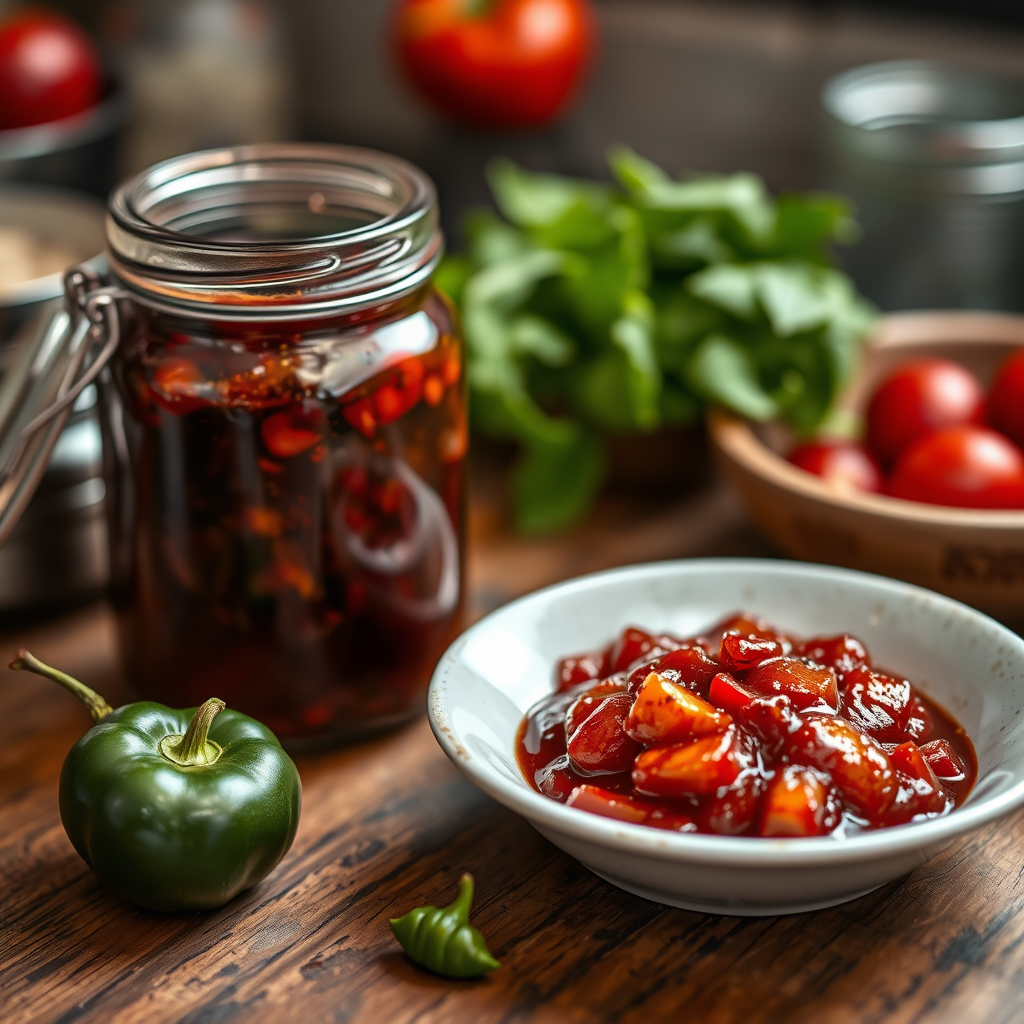
Mastering the art of making hot pepper jam is essential for both culinary enthusiasts and home preservers seeking to elevate their condiment game. This expert guide details the precise steps and safety protocols necessary to create a flavorful, shelf-stable jam packed with heat and sweetness. Following these guidelines ensures not only a delicious outcome but also the safety of your preservation efforts. Get ready to transform fresh peppers into a gourmet delight that’s perfect for any occasion.
What This Guide Covers (And What It Doesn’t)
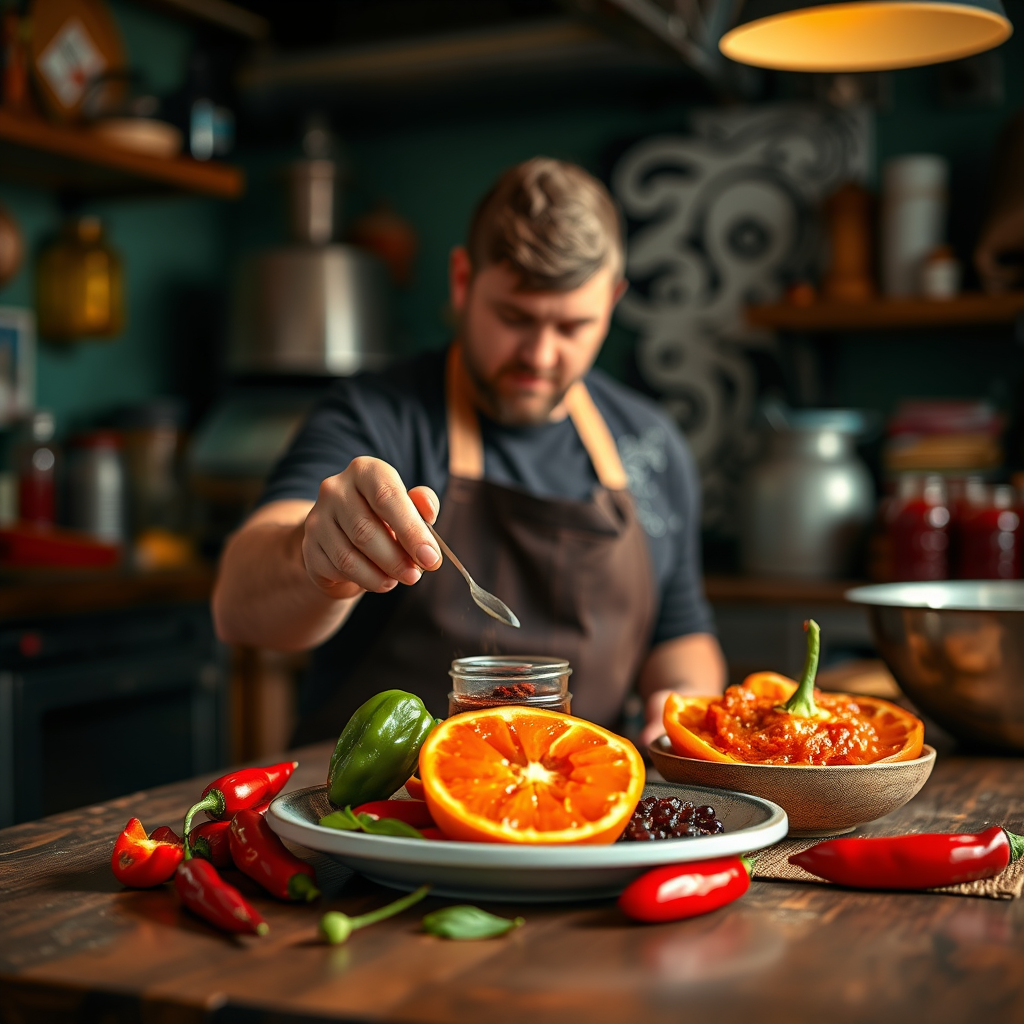
This comprehensive guide outlines a detailed, step-by-step process for making hot pepper jam at home. You’ll find insights into ingredient selection, preparation, cooking times, and effective canning techniques. Additionally, the guide emphasizes food safety practices specific to hot pepper jam, including essential acidity levels and preservation methods to ensure your jam is safe for consumption. However, it does not address other types of jams or preserves, nor does it explore variations of hot pepper jam recipes that stray from the standard method detailed here.
Who Should Read This
Designed for home cooks with a basic understanding of canning and preserving techniques, this guide invites you to explore the unique flavor profile of hot pepper jam. It’s perfect for those looking to enhance their culinary skills by learning about safe food preservation and the science behind acidity and jamming. However, if you’re a complete novice in the kitchen or unfamiliar with basic food safety practices, a foundational knowledge is essential for successful and safe jam-making.
The Step-by-Step Protocol
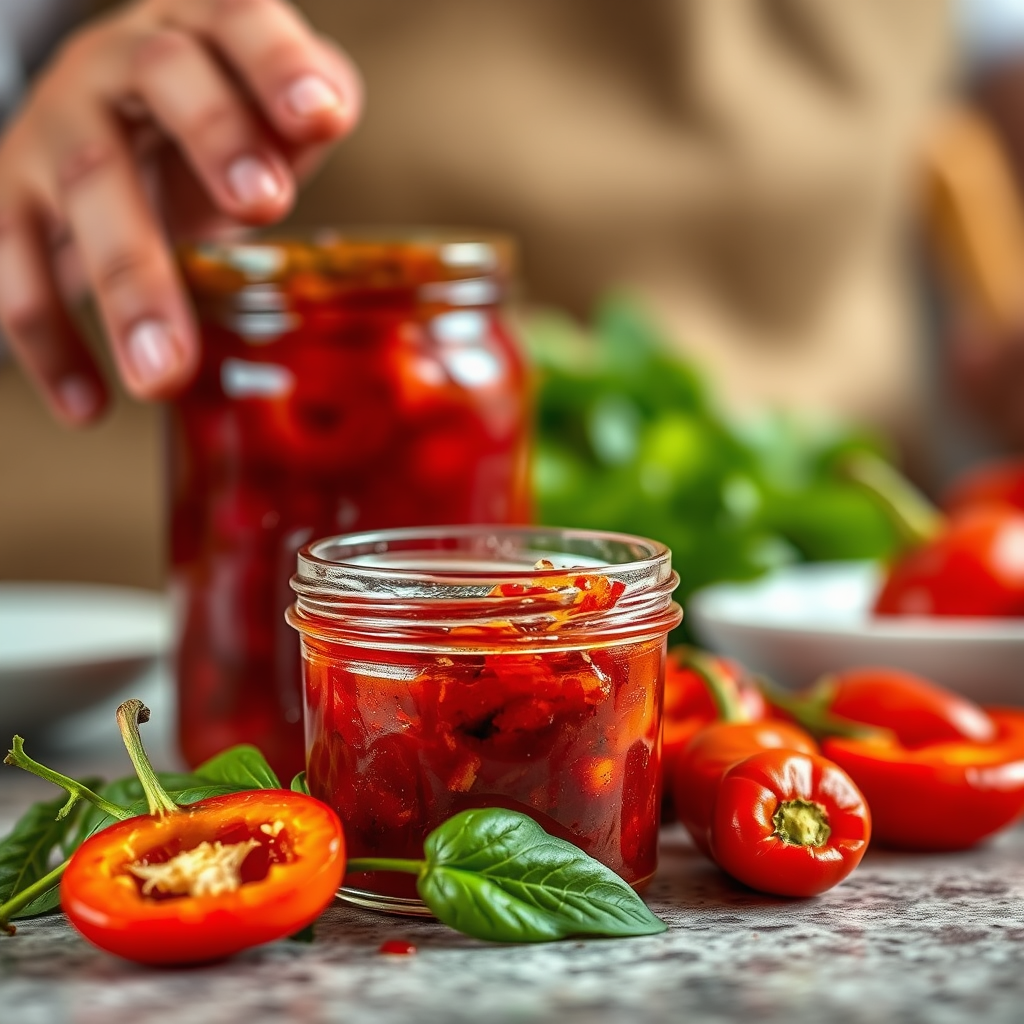
1. Gather Ingredients: Start by assembling 1 pound of fresh hot peppers (such as jalapeños, habaneros, or serranos), 1 pound of granulated sugar, 1 cup of apple cider vinegar (5% acidity), and 1 package (1.75 oz) of fruit pectin. Ensure all ingredients are fresh and of high quality to achieve the best flavor and preservation.
2. Prepare the Peppers: Wear gloves while chopping the hot peppers to protect your skin from irritating oils. Remove the stems and seeds for a milder jam; however, leaving some seeds can enhance texture and heat. Measure the chopped peppers carefully to ensure you have the correct amount for the recipe.
3. Cook the Mixture: In a large, heavy-bottomed pot, combine the chopped peppers, granulated sugar, and apple cider vinegar. Stir to ensure the sugar is well incorporated. Bring the mixture to a rolling boil over medium-high heat, stirring constantly. Once boiling, continue for exactly 1 minute before adding the pectin. Stir until the pectin is fully dissolved.
4. Canning Process: Prepare your canning jars by sterilizing them in boiling water for at least 10 minutes. Fill the hot, sterilized jars with the hot pepper jam mixture, leaving approximately 1/4 inch of headspace at the top. Wipe the rims of the jars with a clean, damp cloth to remove any residue. Place the sterilized lids on the jars and screw on the metal bands until they are fingertip-tight. Process the jars in a boiling water bath for 10-15 minutes, adjusting the time based on your altitude (see below for details).
5. Cool and Store: After processing, carefully remove the jars from the boiling water and allow them to cool on a clean towel or cooling rack for 12-24 hours. Check the seals by pressing down in the center of each lid; if it doesn’t pop back, the jar has sealed properly. Store sealed jars in a cool, dark place. Unsealed jars can be refrigerated and used within a few weeks.
Top Hot Pepper Varieties for Jam Making
| # | Pepper Variety | Scoville Heat Units (SHU) | Flavor Profile | Best For |
|---|---|---|---|---|
| 1 | Jalapeño | 2,500 – 8,000 | Sweet, mild heat | Versatile use |
| 2 | Habanero | 100,000 – 350,000 | Fruity, extreme heat | Spicy jams |
| 3 | Serrano | 2,500 – 5,000 | Bright, grassy flavor | Mildly spicy jams |
| 4 | Thai Chili | 50,000 – 100,000 | Fruity, citrus notes | Unique flavor |
| 5 | Ghost Pepper | 800,000 – 1,000,000 | Intense heat, fruity | Caution advised |
| 6 | Poblano | 1,000 – 2,000 | Rich, earthy flavor | Mild jams |
| 7 | Carolina Reaper | 1,400,000 – 2,200,000 | Fruity, sweet | Use with care |
Warning Signs: When Not to Follow This
– Do not attempt this recipe if you are allergic to any of the ingredients, particularly hot peppers or vinegar, as this can lead to severe allergic reactions. Always read labels for hidden allergens.
– If your hot peppers show signs of spoilage, such as mold or unusual discoloration, do not use them, as this could compromise food safety. Freshness is crucial for both flavor and safety.
– Avoid following this guide if you lack proper canning equipment, such as a boiling water canner or sterilized jars, which are essential for the safe preservation of the jam.
The Most Common Mistakes (And Their Consequences)
– Failing to measure the acidity of the vinegar accurately can result in unsafe jam, as low acidity may promote the growth of harmful bacteria. Always verify that your vinegar is at least 5% acidity.
– Not processing the jars long enough in the boiling water bath can lead to spoilage. Ensure you follow time guidelines based on your altitude; for example, process for 10 minutes at sea level, increasing this time by 1 minute for every 1,000 feet of elevation.
– Skipping the use of pectin or incorrectly substituting it can result in a runny consistency that doesn’t set properly, turning your jam into a sauce instead.
Special Cases That Need a Different Approach
– If using very mild peppers, consider increasing their quantity or mixing in a spicier variety to achieve the desired heat level without compromising the balance of flavors. Adjusting the heat can significantly enhance the overall taste.
– For those with dietary restrictions, substitute granulated sugar with an appropriate low-sugar pectin product, adjusting the sugar quantity according to the manufacturer’s instructions. This allows you to accommodate those monitoring their sugar intake while still enjoying the jam.
– In regions with high altitudes, adjust the processing time according to local guidelines. Typically, this means increasing your processing time by 1-2 minutes for every 1,000 feet above sea level.
When You Need a Professional
– If you are uncertain about the acidity of your ingredients or have concerns regarding food safety practices, consult a food safety expert before proceeding with the recipe. Proper acidity is essential for safe preservation.
– In cases of severe allergic reactions or if you are unsure of your ability to handle and process hot peppers safely, seek advice from a culinary professional. Always prioritize safety when working with potent ingredients.
– If you encounter issues with the canning process, such as jars failing to seal properly after processing, consult with a food preservation specialist for guidance. Taking these steps can prevent spoilage and ensure your jam remains safe for consumption.
Sources and Further Reading
– USDA Complete Guide to Home Canning: A comprehensive resource on safe canning practices and food preservation, available at the USDA website.
– Ball Canning Book of Preserving: A valuable reference for various canning recipes and techniques, including safe methods for making hot pepper jam.
– National Center for Home Food Preservation: Offers research-based guidelines to ensure safe food preservation methods, including details on acidity levels and canning procedures.
Frequently Asked Questions
What ingredients do I need for a basic hot pepper jam recipe?
A basic hot pepper jam recipe typically requires fresh hot peppers, sugar, vinegar, and pectin. You can use a variety of peppers such as jalapeños, habaneros, or even sweet bell peppers for a milder flavor. Additionally, you might want to add spices like garlic or ginger for an extra kick.
How do I make hot pepper jam from scratch?
To make hot pepper jam from scratch, start by chopping your chosen peppers and combining them with sugar and vinegar in a pot. Bring the mixture to a boil, then add pectin and simmer until it thickens. Pour the jam into sterilized jars and let it cool before sealing.
Why is my hot pepper jam too runny, and how can I fix it?
If your hot pepper jam is too runny, it may be due to insufficient cooking time or not enough pectin. To fix this, you can reheat the jam and add more pectin according to package instructions, then boil it again to achieve the desired thickness. Ensure you’re following the recommended cooking times for the best results.
What are the best peppers to use for making hot pepper jam?
The best peppers for hot pepper jam depend on your heat preference and flavor profile. Jalapeños provide a moderate heat, while habaneros add significant spice and a fruity flavor. For a milder jam, consider using sweeter peppers like bell peppers or mixing them with spicier varieties for complexity.
Which serving suggestions pair well with hot pepper jam?
Hot pepper jam pairs wonderfully with a variety of foods, making it a versatile condiment. It’s great on cheese platters, served with cream cheese on crackers, or as a glaze for meats like chicken and pork. You can also use it in sandwiches or as a topping for grilled vegetables for an exciting flavor boost.
References
- Fruit preserves
https://en.wikipedia.org/wiki/Jam - https://www.ncbi.nlm.nih.gov/pmc/articles/PMC5980909/
https://www.ncbi.nlm.nih.gov/pmc/articles/PMC5980909/ - https://www.ncbi.nlm.nih.gov/pmc/articles/PMC6432290/
https://www.ncbi.nlm.nih.gov/pmc/articles/PMC6432290/ - Google Scholar Google Scholar
https://scholar.google.com/scholar?q=hot+pepper+jam+recipe - Google Scholar Google Scholar
https://scholar.google.com/scholar?q=pepper+preservation+techniques - Google Scholar Google Scholar
https://scholar.google.com/scholar?q=hot+pepper+recipes - https://www.sciencedirect.com/topics/food-science/jam
https://www.sciencedirect.com/topics/food-science/jam - https://www.britannica.com/topic/jam
https://www.britannica.com/topic/jam - https://www.nal.usda.gov/legacy/fnic/food-safety-and-preservation-pickling-and-jams
https://www.nal.usda.gov/legacy/fnic/food-safety-and-preservation-pickling-and-jams - https://www.cdc.gov/foodsafety/communication/food-safety-education.html
https://www.cdc.gov/foodsafety/communication/food-safety-education.html