Homemade pepper jelly is a delicious and versatile condiment that can elevate any dish, but making it safely requires precision and knowledge. This expert guide provides detailed instructions, essential tips, and safety protocols to ensure your pepper jelly turns out perfectly every time. Understanding the importance of proper canning techniques will not only enhance flavor but also prevent foodborne illnesses. Get ready to master the art of homemade pepper jelly with confidence.
What This Guide Covers (And What It Doesn’t)
This guide offers a comprehensive step-by-step process for crafting homemade pepper jelly, detailing the necessary ingredients, equipment, and cooking techniques. Emphasizing the use of fresh peppers, pectin, and other specific components, it aims to help you achieve the perfect texture and flavor profile. However, it does not delve into alternative jelly recipes or methods unrelated to pepper jelly, nor does it review commercial pepper jelly brands.
Who Should Read This
Designed for home cooks with basic kitchen skills, this guide is perfect for those looking to expand their knowledge of canning and jarring techniques specifically for pepper jelly. Readers should have some familiarity with kitchen equipment such as canning jars, water baths, and basic cooking terminology to effectively follow the instructions. While prior experience with making jams or jellies will enhance your understanding, it’s not strictly necessary for those ready to learn.
The Step-by-Step Protocol
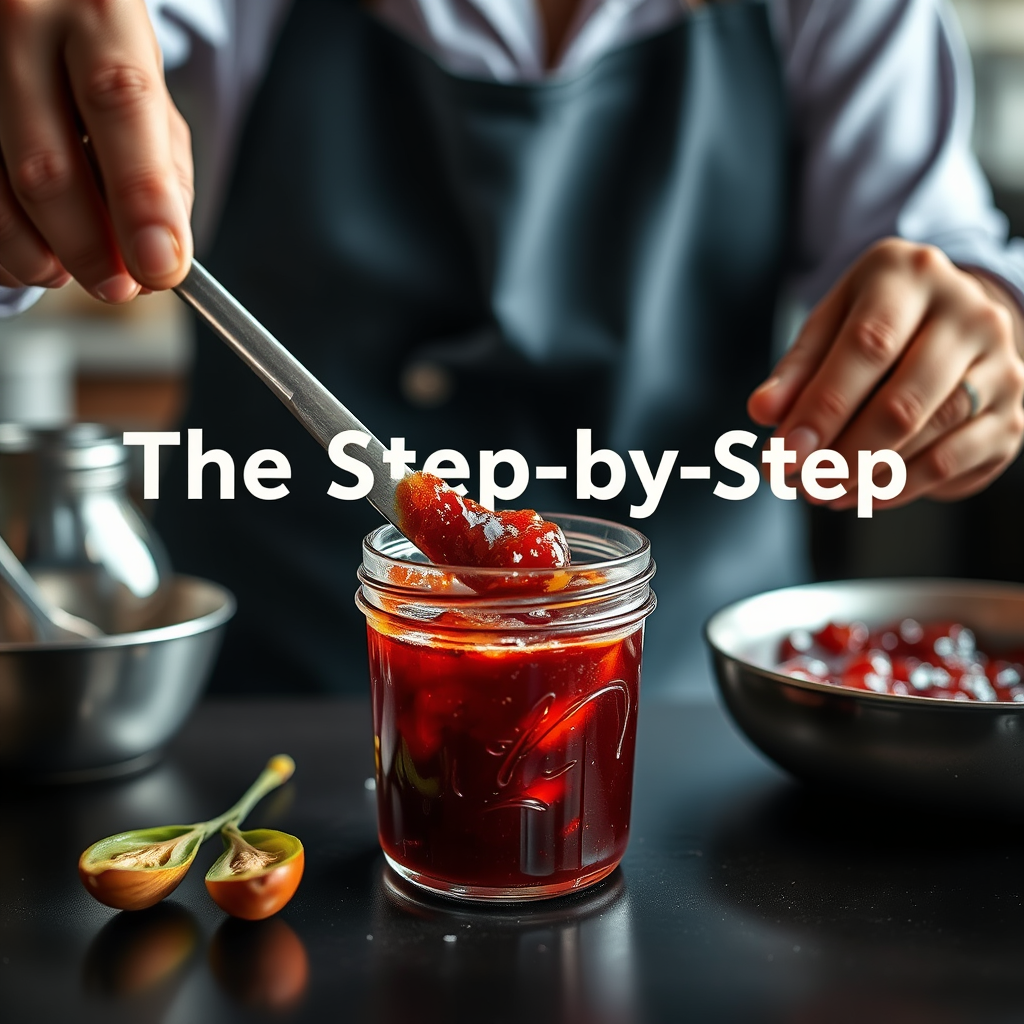
1. Gather ingredients: You will need 1 cup of finely chopped bell peppers (red and green), 1 cup of finely chopped hot peppers (like jalapeños), 1 1/2 cups of white sugar, 1 cup of apple cider vinegar, and 1 package of pectin (typically 1.75 ounces or 49 grams).
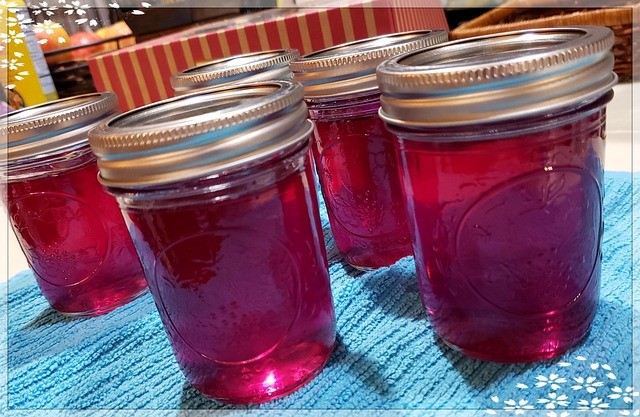
2. Prepare jars: Sterilize 4 half-pint jars by placing them in boiling water for 10 minutes, then let them cool on a clean towel. Ensure the lids are also sterilized.
3. Cook the mixture: In a large pot, combine the chopped bell peppers, hot peppers, apple cider vinegar, and sugar. Bring to a boil over medium heat while stirring frequently. Allow it to reach a rolling boil, characterized by large bubbles that cannot be stirred away.
4. Add pectin: Once the mixture reaches a rolling boil, stir in the pectin and continue boiling for an additional 1-2 minutes. To check for thickness, place a small amount of the mixture on a cold plate. If it holds its shape after cooling briefly, it’s ready.
5. Fill jars: Pour the hot jelly into the prepared jars, leaving 1/4-inch headspace. Wipe the rims of the jars clean with a damp cloth to ensure a proper seal. Place the sterilized lids on top and screw on the metal bands until they are fingertip tight.
6. Process jars: Place the jars in a boiling water bath for 10 minutes to ensure proper sealing and preservation. If you live at an altitude above 1,000 feet, increase the processing time by 5 minutes to ensure safety.
Top 7 Pepper Varieties for Jelly Making
| # | Pepper Variety | Heat Level (Scoville) | Flavor Profile | Best For |
|---|---|---|---|---|
| 1 | Jalapeño | 2,500 – 8,000 | Fruity and mild | Standard Jelly |
| 2 | Habanero | 100,000 – 350,000 | Fruity and floral | Spicy Jelly |
| 3 | Serrano | 2,500 – 5,000 | Bright and crisp | Balanced Jelly |
| 4 | Thai Chili | 50,000 – 100,000 | Slightly sweet | Unique Jelly |
| 5 | Ghost Pepper | 855,000 | Fruity but extremely hot | Caution Jelly |
| 6 | Poblano | 1,000 – 2,000 | Rich and earthy | Mild Jelly |
| 7 | Anaheim | 500 – 2,500 | Mild and sweet | Versatile Jelly |
Warning Signs: When Not to Follow This
– Avoid making pepper jelly if you have allergies to peppers or any of the other ingredients listed, as this could lead to serious health issues.
– Do not attempt this recipe if your kitchen lacks proper sanitation; contamination can lead to spoilage and foodborne illnesses.
– If you notice any off-putting smells, discoloration, or mold in your ingredients before or after cooking, do not proceed with the recipe.
The Most Common Mistakes (And Their Consequences)
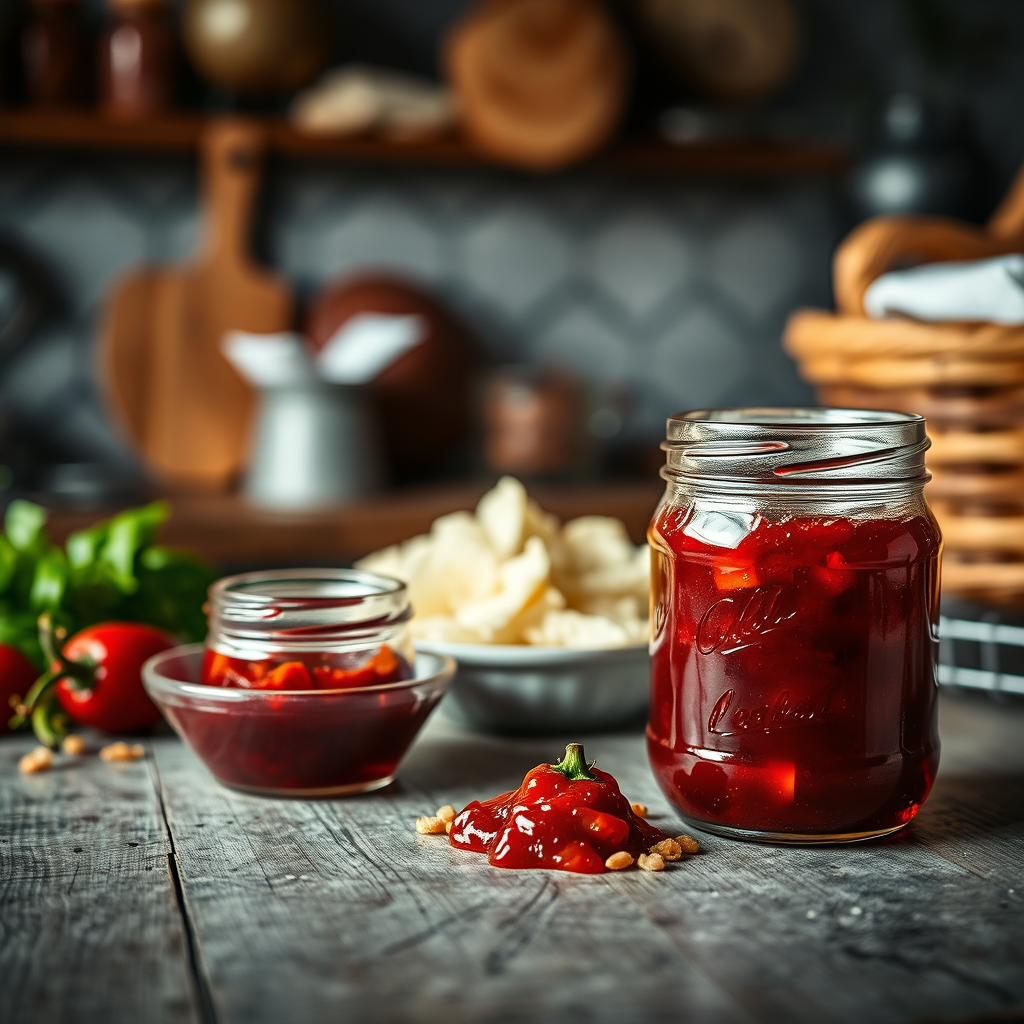
– Many novice cooks skip the sterilization of jars, resulting in bacterial growth and spoilage of the jelly. This oversight can lead to foodborne illness if consumed.
– Using the wrong type of pectin or not adhering to the recommended quantity can create a runny or overly thick jelly, compromising the desired consistency.
– Inaccurate measurement of ingredients, particularly vinegar and sugar, can affect the acidity and preservation quality of the jelly. Improper acidity may lead to spoilage or the growth of harmful microorganisms.
Special Cases That Need a Different Approach
– If you prefer a sweeter jelly, consider increasing the sugar by up to 1/2 cup while balancing the vinegar to maintain acidity.
– For those who wish to reduce heat, opt for milder peppers and adjust the quantities of hot peppers accordingly. For example, using 1/2 cup of jalapeños instead of a full cup can help control spiciness.
– If canning at high altitudes (above 1,000 feet), increase the processing time by 5 minutes to ensure safe preservation. Consult local canning guidelines for specific adjustments needed for your altitude.
When You Need a Professional
– If you are unsure about the safety of your canning practices or have never canned before, it’s advisable to consult a local extension office or food safety expert before attempting this recipe.
– When dealing with large batches (over 20 jars), consider reaching out to a professional canner to ensure proper techniques and safety measures are followed.
– If you have specific dietary restrictions or health concerns that may affect food safety, consult a registered dietitian or food safety professional for tailored advice.
Sources and Further Reading
– USDA’s Complete Guide to Home Canning provides in-depth information on safe canning practices and techniques.
– The National Center for Home Food Preservation offers resources and research-based guidelines for preserving fruits and vegetables, including pepper jelly.
– Local Extension Services often provide workshops and hands-on training for home canning, which can be beneficial for self-taught cooks looking for professional guidance.
By following this guide, you can confidently create delicious homemade pepper jelly while ensuring safety and quality in your preserving endeavors. Embrace the process, and enjoy the vibrant flavors of your homemade creation!
Frequently Asked Questions
What ingredients do I need for a homemade pepper jelly recipe?
To make a basic homemade pepper jelly, you’ll need fresh or dried peppers (such as jalapeños or bell peppers), sugar, apple cider vinegar, pectin, and water. The type of pepper you choose will affect the flavor and heat level of your jelly, so feel free to experiment with different varieties for unique tastes.
How do I ensure my homemade pepper jelly sets properly?
To ensure your homemade pepper jelly sets properly, it’s crucial to follow the right proportions of sugar and pectin as specified in your recipe. Make sure to bring the mixture to a rolling boil that cannot be stirred down, and perform a “gel test” by placing a spoonful on a cold plate to check if it firms up as it cools.
Why is my homemade pepper jelly too runny, and how can I fix it?
If your homemade pepper jelly is too runny, it may be due to insufficient cooking time, not enough pectin, or not using the correct sugar-to-pectin ratio. You can remedy this by returning the jelly to a pot, adding more pectin, and bringing it back to a boil for a few minutes until it thickens.
What is the best way to store homemade pepper jelly?
The best way to store homemade pepper jelly is in sterilized glass jars with airtight lids. After sealing, keep the jars in a cool, dark place, such as a pantry, for up to a year. Once opened, store the jar in the refrigerator and consume it within a few weeks for optimal flavor and freshness.
Which peppers are best for making spicy homemade pepper jelly?
The best peppers for making spicy homemade pepper jelly include jalapeños, habaneros, or red serranos, depending on your heat preference. For a milder version, you can opt for sweet bell peppers or a mix of sweet and hot varieties to create a balanced flavor profile while still achieving a delightful kick.
References
- Jelly
https://en.wikipedia.org/wiki/Jelly - https://www.foodsafety.gov/food-safety-charts/canning-jelly
https://www.foodsafety.gov/food-safety-charts/canning-jelly - https://www.extension.purdue.edu/extmedia/FS/FS-49-W.pdf
https://www.extension.purdue.edu/extmedia/FS/FS-49-W.pdf - Formulas for the Detection β-Thalassemia Carriers Are Affected by Changes in Red Cell Parameters …
https://www.ncbi.nlm.nih.gov/pmc/articles/PMC5937978/ - https://www.sciencedirect.com/topics/agricultural-and-biological-sciences/jelly
https://www.sciencedirect.com/topics/agricultural-and-biological-sciences/jelly - Food Safety | NDSU Agriculture
https://www.ag.ndsu.edu/food/food-safety/food-preservation/jelly-and-jam - Page not found
https://www.clemson.edu/extension/food-safety/food-preservation/canning/jelly.html - Google Scholar Google Scholar
https://scholar.google.com/scholar?q=homemade+pepper+jelly+recipe - Google Scholar Google Scholar
https://scholar.google.com/scholar?q=pepper+jelly+preservation+techniques - homemade pepper jelly recipe – Search results
https://en.wikipedia.org/wiki/Special:Search?search=homemade+pepper+jelly+recipe