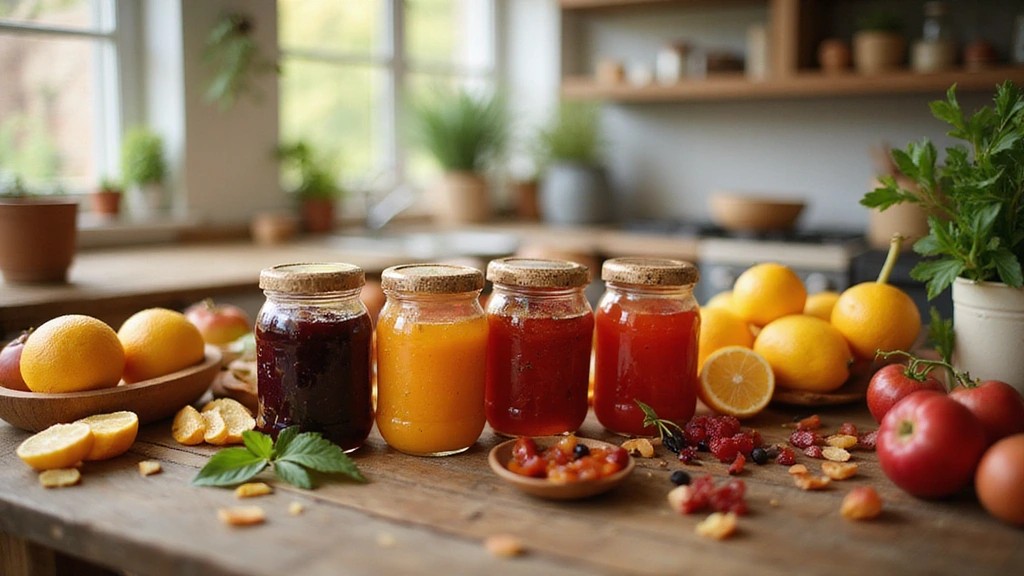
Homemade jam recipes can elevate your culinary skills while preserving seasonal fruits, but safety is paramount in the canning process. This expert guide provides step-by-step protocols for making delicious, safe jams at home, ensuring you avoid common pitfalls. With precise techniques and tips, you’ll learn how to create flavorful jams that not only taste great but are also safe for consumption. Follow these guidelines to confidently embark on your homemade jam-making journey.
What This Guide Covers (And What It Doesn’t)

This guide offers detailed instructions for safely crafting a variety of homemade jam recipes. Focusing on traditional methods, it emphasizes preserving flavor and texture while ensuring food safety. You’ll find essential information about ingredients, equipment, and techniques for making fruit jams, including beloved flavors like strawberry, raspberry, and peach, along with options for low-sugar and no-sugar recipes. However, it does not cover jelly-making, marmalade, or other preserves that require different methods or ingredients; the focus here is strictly on jam. If you’re looking for advanced canning techniques or industrial-scale production, you may find limited relevance, as this guide is tailored for home cooks.
Who Should Read This
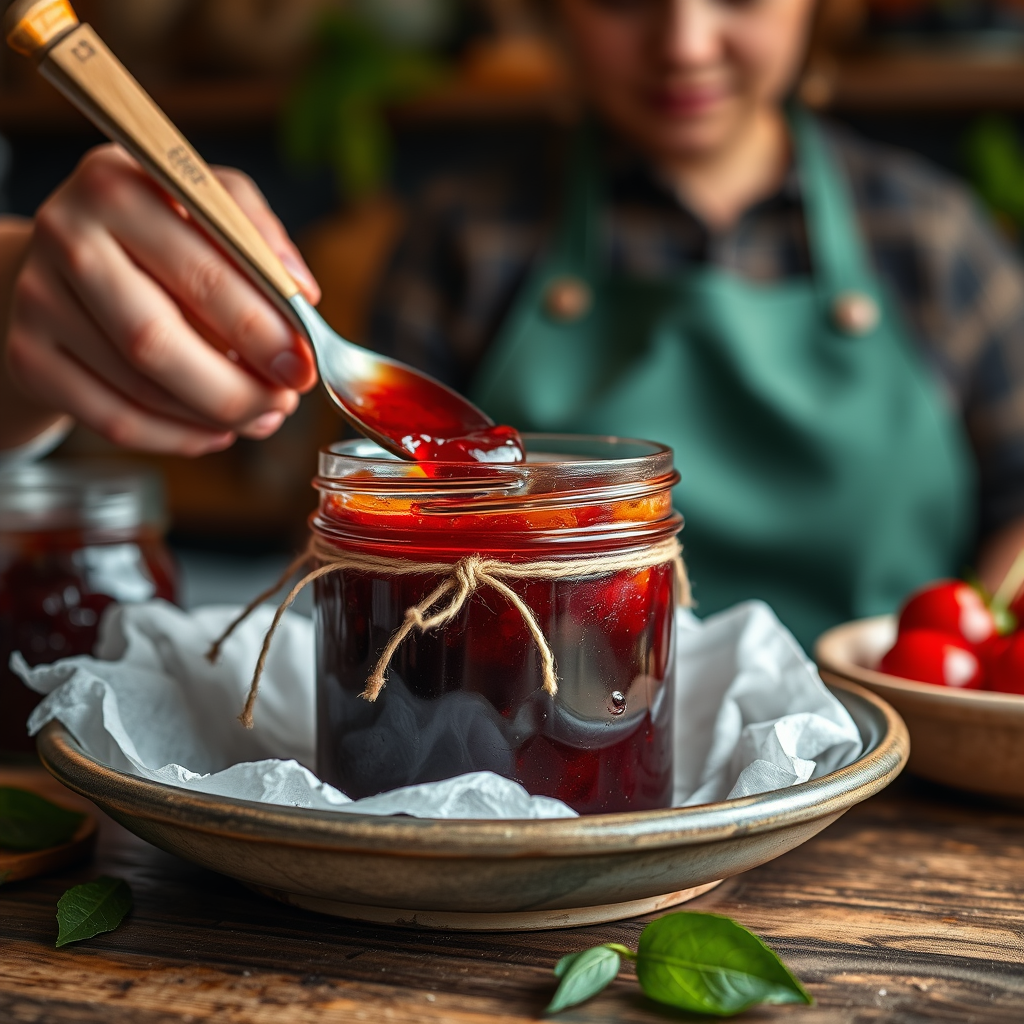
This guide is perfect for home cooks who possess a basic understanding of cooking techniques and are eager to expand their skills into the world of preserves. It’s especially valuable for those who want to use seasonal fruits to create homemade gifts or healthier pantry staples than what’s available in stores. Readers should have access to essential tools such as a large pot, canning jars, and a food thermometer, along with a readiness to adhere to precise measurements and steps. If you’re new to canning or preserving food, it’s advisable to first familiarize yourself with basic food safety principles before diving into jam-making.
The Step-by-Step Protocol
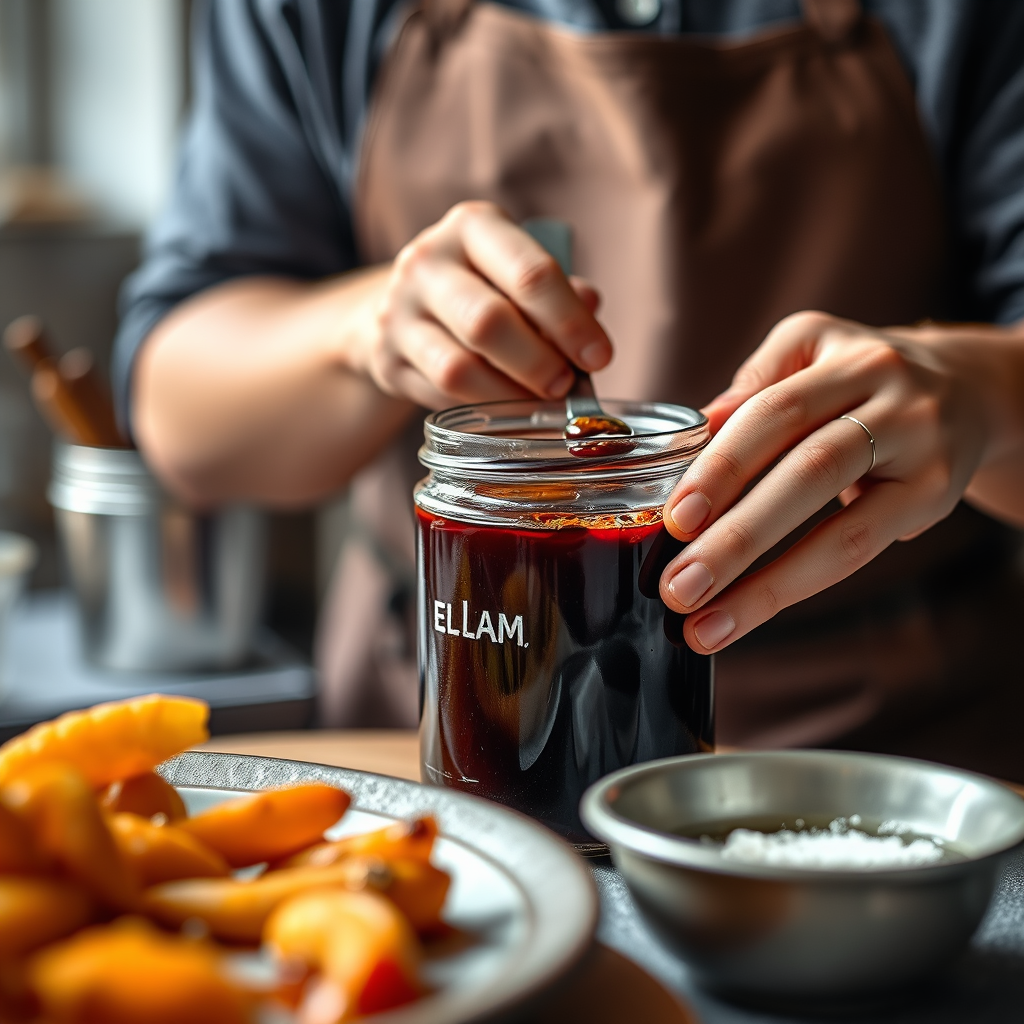
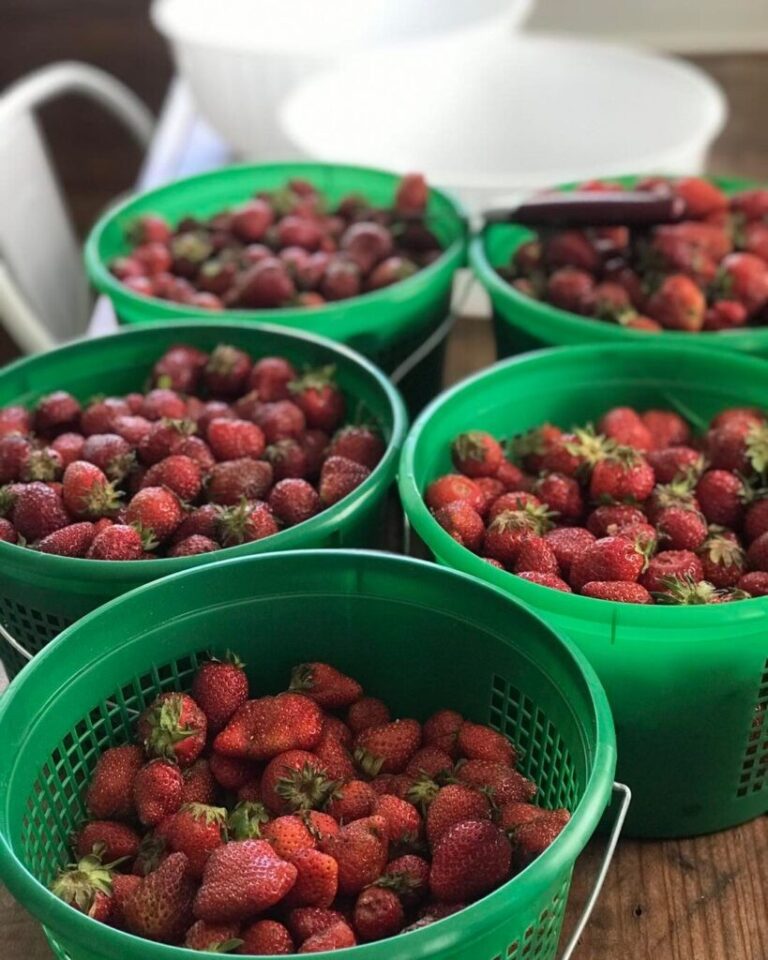
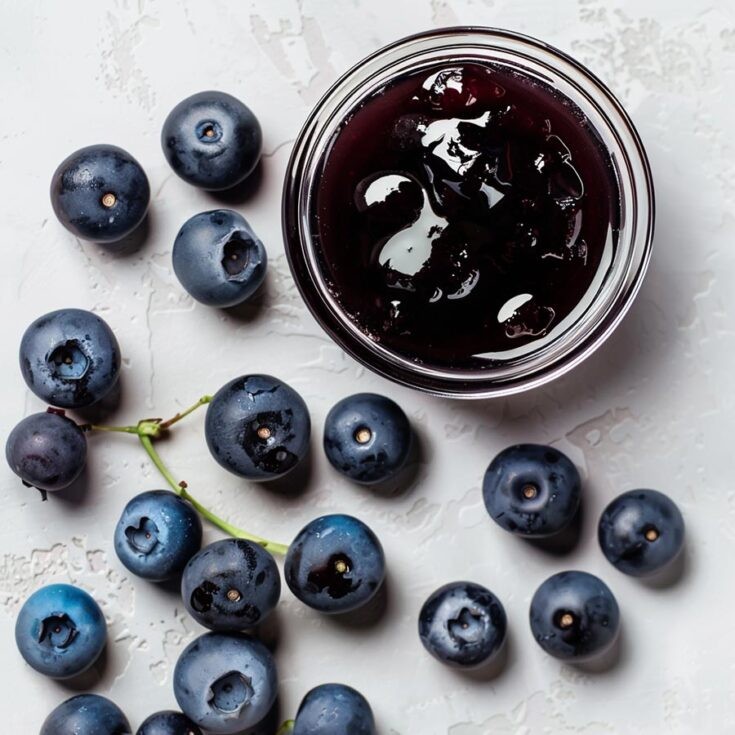
1. Select Your Fruit: Choose ripe, high-quality fruit such as strawberries, peaches, or blueberries. Aim for about 2 pounds of fruit to yield approximately 4-5 half-pint jars of jam.
2. Prepare the Fruit: Wash the fruit thoroughly. For berries, remove stems; for stone fruits, pit and chop into small pieces. Measure out 4 cups of prepared fruit for optimal sweetness and consistency.
3. Cook the Jam: In a large pot, combine the prepared fruit with 1 cup of granulated sugar and 1 tablespoon of lemon juice. Heat over medium until the sugar dissolves, then bring to a rolling boil. Stir constantly for about 10-15 minutes until the mixture thickens.
4. Test for Doneness: Use a candy thermometer to ensure the temperature reaches 220°F (104°C). Alternatively, perform a spoon test: place a spoonful of jam on a plate and let it cool; it should wrinkle when pushed with your finger.
5. Fill and Seal Jars: Sterilize jars and lids in boiling water. Pour the hot jam into the jars, leaving 1/4-inch headspace. Wipe the rims clean, place the lids on, and process in a water bath canner for 10 minutes to ensure a proper seal.
Top 7 Fruits for Homemade Jam (2024)
| # | Fruit | Sugar Content (per 100g) | Pectin Levels | Best For |
|---|---|---|---|---|
| 1 | Strawberries | 7.7g | Low | Classic Jams |
| 2 | Peaches | 8.4g | Medium | Sweet Spreads |
| 3 | Raspberries | 4.4g | High | Gourmet Jams |
| 4 | Blueberries | 10g | Medium | Versatile Jams |
| 5 | Blackberries | 9.6g | High | Rich Flavors |
| 6 | Cherries | 8.5g | Medium | Sweet Treats |
| 7 | Figs | 16g | High | Gourmet Jams |
Warning Signs: When Not to Follow This
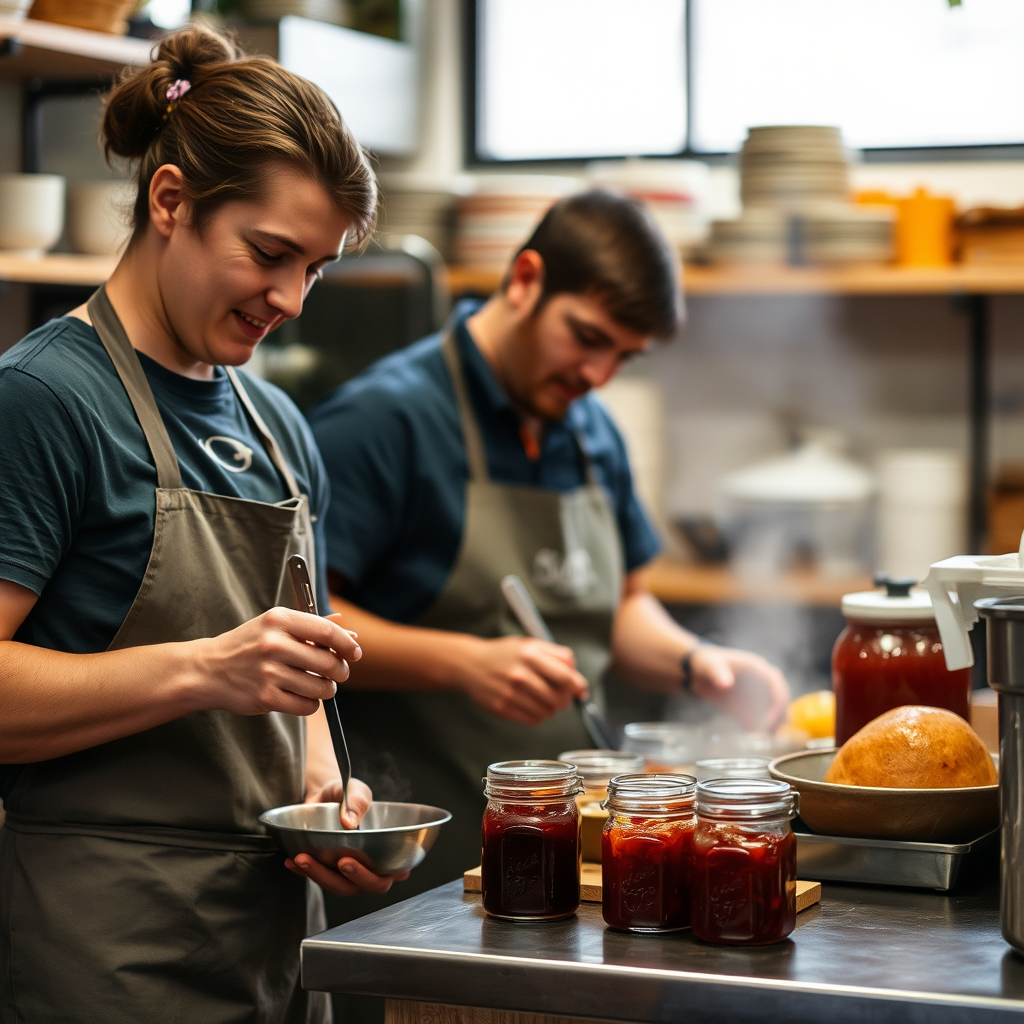
– Avoid making jam if your fruit shows signs of spoilage, such as mold, off smells, or excessive bruising; these can lead to unsafe products.
– If you lack the necessary equipment, such as a pressure canner or proper jars, do not attempt to can your jam, as this could result in spoilage or foodborne illness.
– Do not proceed if you are allergic to any of the ingredients, including fruits, pectin, or additives like citric acid, which can cause adverse reactions.
– If your recipe deviates significantly from standard proportions or methods, reconsider using it; incorrect ratios can lead to improper preservation.
The Most Common Mistakes (And Their Consequences)
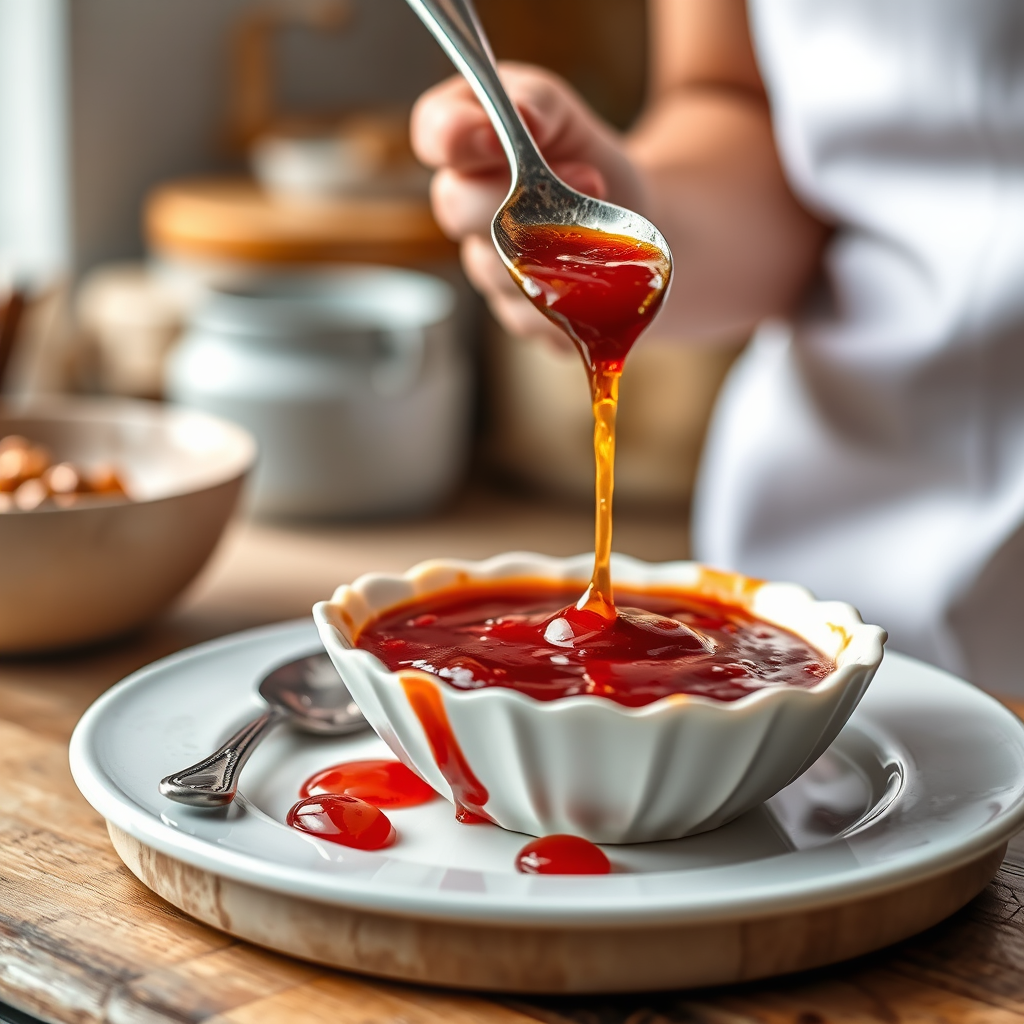
– One common mistake is not using the right fruit-to-sugar ratio. Using too little sugar can result in a jam that doesn’t set properly, resulting in a runny consistency.
– Skipping the sterilization process for jars and lids can introduce bacteria, risking spoilage or foodborne illness; always sterilize before use.
– Failing to check the temperature during cooking can cause the jam to overcook or burn, impacting flavor and texture; always use a reliable thermometer for accuracy.
– Not allowing the jam to cool completely before sealing can create a vacuum seal that is insufficient, leading to jar spoilage or mold growth.
Special Cases That Need a Different Approach
– For low-sugar jams, consider using pectin specifically designed for low-sugar recipes; standard sugar ratios will not yield the desired consistency with fruit alone.
– If using frozen fruit, thaw and drain excess liquid before measuring; this can alter the jam’s consistency if not accounted for.
– When making jam with high-acid fruits like citrus or cranberries, you may need to adjust the pH with additional lemon juice to ensure proper setting and safety.
– For those living at high altitudes, adjust cooking times and pressure canning methods according to local altitude guidelines to ensure safe preservation.
When You Need a Professional
– If you are unsure about the safety of your ingredients, particularly if they are homegrown or wild foraged, consult with a food safety expert to confirm they are safe for consumption.
– In cases of failed seals after the canning process, do not consume the jam; instead, seek advice from a food preservation specialist to determine safe disposal methods.
– If you experience any adverse reactions after consuming homemade jam, it is crucial to consult a medical professional to address potential foodborne illness.
– When attempting to create specialized dietary jams (e.g., for diabetic patients), seek guidance from a registered dietitian to ensure recipes meet specific nutritional needs without compromising safety.
Sources and Further Reading
– The National Center for Home Food Preservation provides detailed guidelines on safe canning practices, including jam-making techniques specific to various fruit types.
– “Ball Complete Book of Home Preserving” by Judi Kingry and Lauren Devine offers thorough recipes and troubleshooting tips for home canning, including specific jam recipes.
– Local extension services frequently host workshops and publish literature on home canning safety, serving as vital resources for both beginners and experienced preservers.
– The USDA’s Complete Guide to Home Canning is an authoritative reference for understanding the science behind preservation and ensuring the safety of home-canned goods.
By following these guidelines, you can confidently create delicious jams that not only taste great but are safe for storage and consumption. Happy canning!
Frequently Asked Questions
What are the basic ingredients needed for homemade jam recipes?
The basic ingredients for homemade jam recipes typically include fresh fruits, sugar, and pectin. Fruits like strawberries, blueberries, and peaches are popular choices, while sugar helps with sweetness and preservation. Pectin, a natural thickening agent found in fruits, is often added to achieve the desired consistency and gel-like texture.
How do I choose the right fruit for making jam?
When choosing fruit for making jam, opt for ripe, fresh, and seasonal options as they offer the best flavor and natural sweetness. Consider using a mix of fruits for unique flavors and textures; for example, combining berries with citrus can enhance tartness. Always check for any blemishes or soft spots, as these can affect the quality of your homemade jam.
Why is it important to sterilize jars when making homemade jam?
Sterilizing jars is crucial when making homemade jam because it helps eliminate bacteria that could spoil the jam and ensures a longer shelf life. Clean, hot jars create a vacuum seal, preventing air from entering and preserving the jam’s freshness. You can sterilize jars by boiling them in water or running them through a dishwasher cycle before filling them.
What is the best method for thickening homemade jam?
The best method for thickening homemade jam is to use pectin, which is a natural gelling agent that can be found in liquid or powdered forms. You can also allow the jam to simmer longer to reduce the liquid content, helping it achieve a thicker consistency. Additionally, using fruits high in natural pectin, such as apples or citrus, can enhance the thickening process without needing additional pectin.
Which homemade jam recipes are easiest for beginners?
For beginners, easy homemade jam recipes include strawberry jam, blueberry jam, and freezer jam, as they require minimal ingredients and steps. These recipes typically involve simply cooking the fruit with sugar and pectin, making the process straightforward and enjoyable. Starting with these simpler recipes can build your confidence before trying more complex flavors and techniques.
References
- Fruit preserves
https://en.wikipedia.org/wiki/Jam - https://www.verywellfit.com/how-to-make-jam-5182419
https://www.verywellfit.com/how-to-make-jam-5182419 - https://extension.umd.edu/resource/homemade-jam-and-jelly
https://extension.umd.edu/resource/homemade-jam-and-jelly - https://www.foodsafety.gov/keep/charts/jam.html
https://www.foodsafety.gov/keep/charts/jam.html - Page not found
https://www.clemson.edu/extension/food_safety/preservation/jam.html - https://www.ncbi.nlm.nih.gov/pmc/articles/PMC3762191/
https://www.ncbi.nlm.nih.gov/pmc/articles/PMC3762191/ - https://www.sciencedirect.com/topics/agricultural-and-biological-sciences/jam
https://www.sciencedirect.com/topics/agricultural-and-biological-sciences/jam - Jam recipes | Good Food
https://www.bbcgoodfood.com/recipes/collection/jam - Google Scholar Google Scholar
https://scholar.google.com/scholar?q=homemade+jam+recipes - Google Scholar Google Scholar
https://scholar.google.com/scholar?q=homemade+jam+preservation+techniques