Master the art of crafting habanero pepper jam with this expert guide, designed for both novice and seasoned cooks alike. This comprehensive resource covers everything from selecting the right peppers to the precise canning methods necessary for safe preservation. Adhering to correct protocols is crucial to ensure both flavor and food safety, making this guide indispensable for anyone looking to elevate their jam-making skills.
What This Guide Covers (And What It Doesn’t)
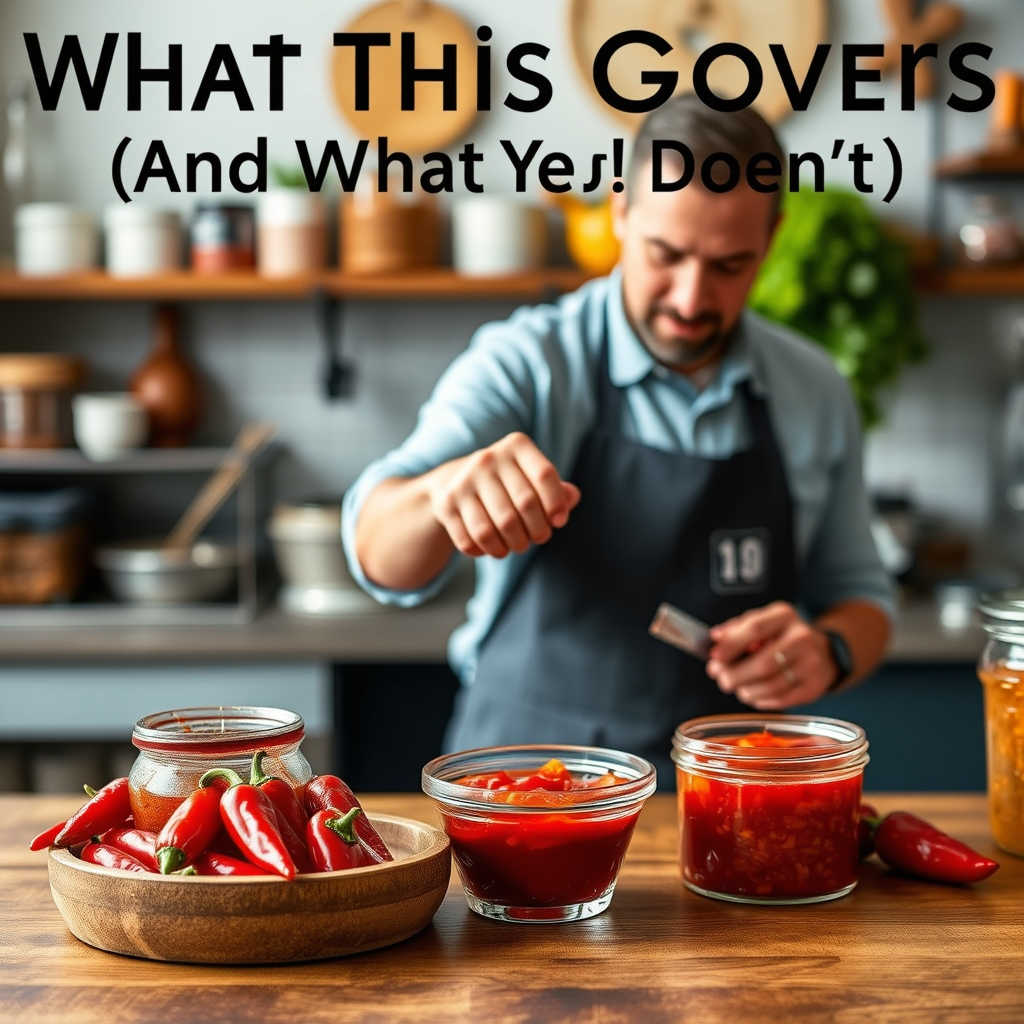
This guide offers a detailed step-by-step recipe for crafting habanero pepper jam, emphasizing the necessary ingredients, equipment, and safe canning practices. It delves into the unique flavor profile of habanero pepper jam, highlighting techniques for balancing heat and sweetness to create a delicious condiment. However, this guide does not address alternative pepper varieties or general jam-making techniques unrelated to habaneros. Readers seeking information on non-spicy jam recipes or general canning methods may find this guide less applicable.
Who Should Read This
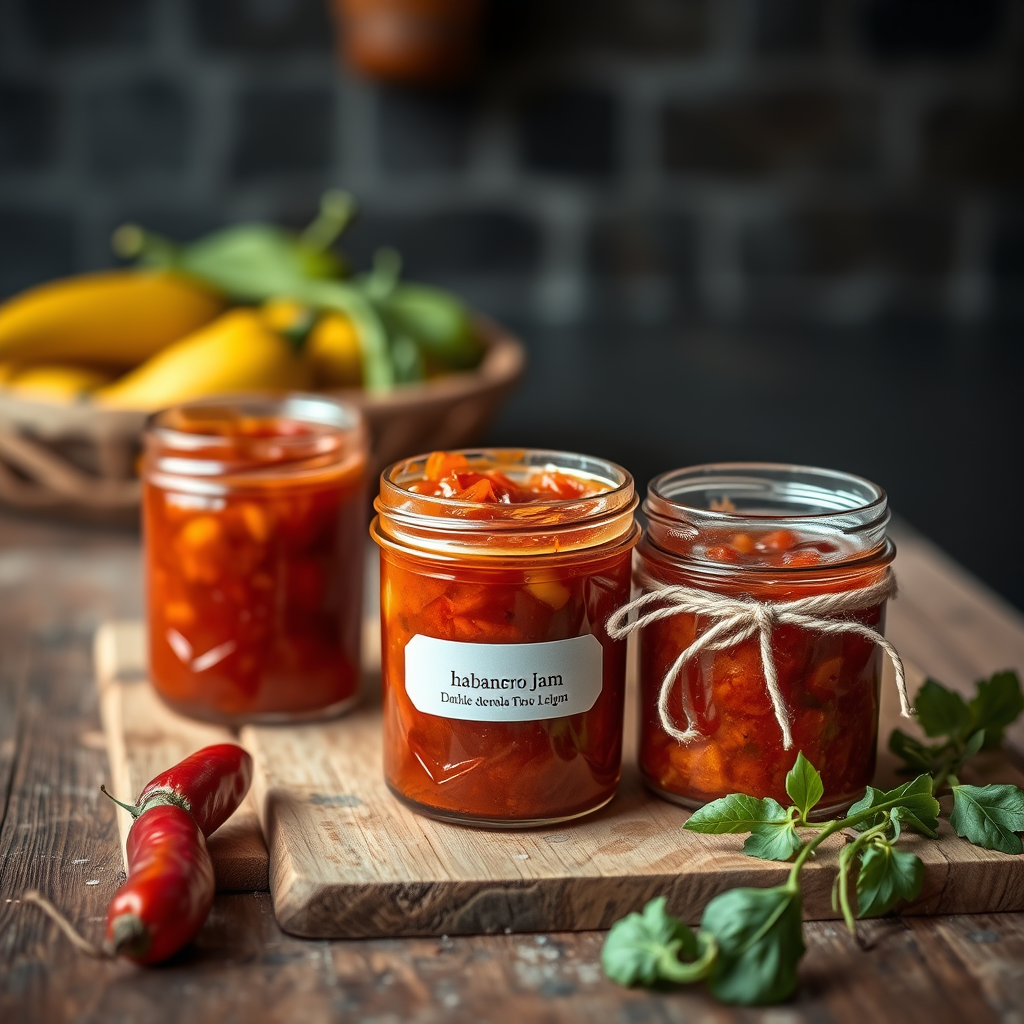
This guide is designed for home cooks eager to explore spicy condiments and enhance their culinary skills by making homemade habanero pepper jam. It is perfect for individuals with basic kitchen skills, including experience in chopping, measuring, and utilizing equipment such as canners and jars. Those who enjoy experimenting with flavors and wish to understand the nuances of working with hot peppers will find the detailed instructions invaluable. However, beginners unfamiliar with food preservation or canning should seek additional resources to grasp foundational canning practices before attempting this recipe.
The Step-by-Step Protocol
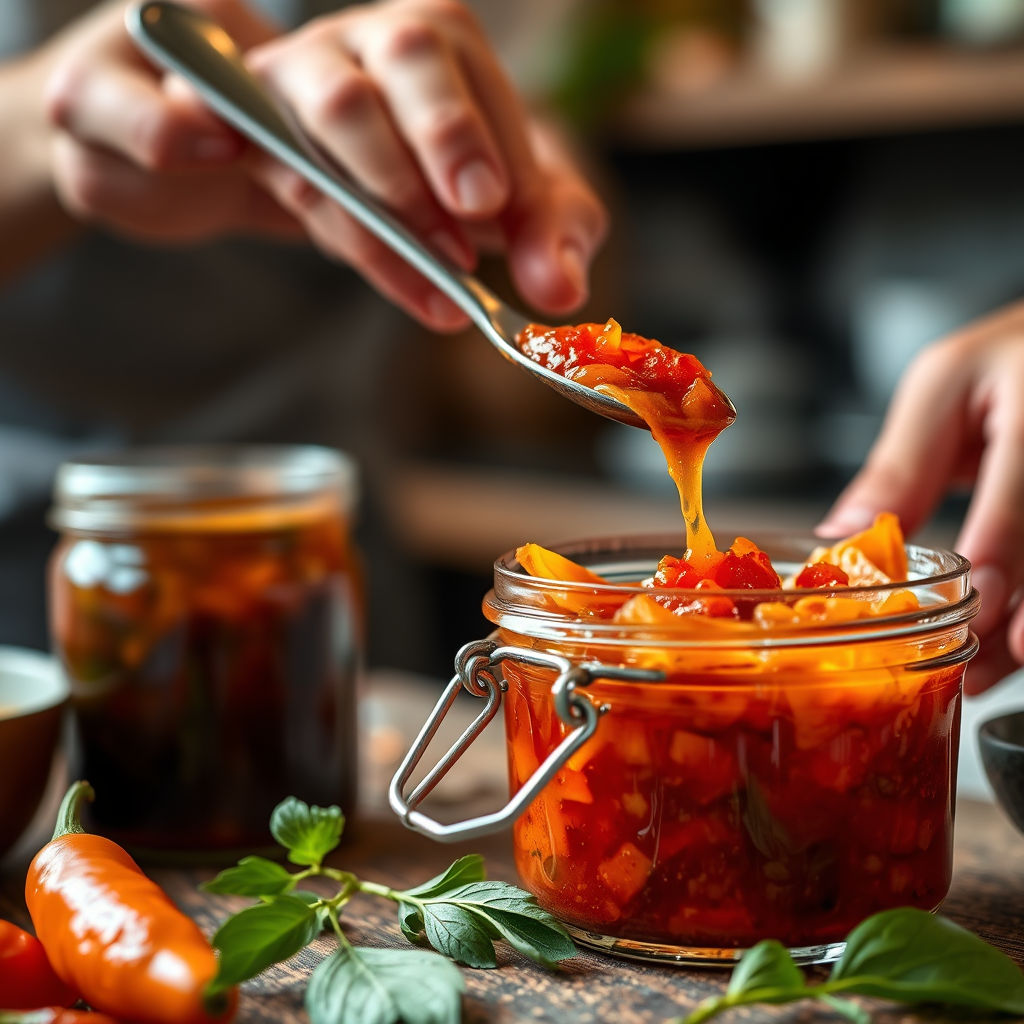
1. Gather Ingredients: Collect 10-12 fresh habanero peppers, 1 cup of finely chopped bell peppers, 4 cups of granulated sugar, 1 cup of apple cider vinegar, and 1 packet of pectin. Ensure all ingredients are fresh to achieve optimal flavor.
2. Prepare the Peppers: Wearing gloves, remove the stems and seeds from the habanero peppers, then finely chop them. This preparation helps control the heat and ensures even flavor distribution in the jam.
3. Cook the Mixture: In a large pot, combine the chopped habaneros, bell peppers, sugar, and apple cider vinegar. Bring the mixture to a boil over medium heat, stirring constantly until the sugar fully dissolves, which typically takes about 5-7 minutes.
4. Add Pectin and Jam Consistency: Once boiling, add the pectin and continue to boil for an additional 1-2 minutes until the mixture reaches a gel-like consistency. Use a candy thermometer to check that the temperature reaches at least 220°F (104°C) to ensure proper gelling.
5. Jar the Jam: Carefully ladle the hot jam into sterilized jars, leaving about ¼ inch of headspace at the top. Wipe the rims of the jars with a clean, damp cloth to remove any residue.
6. Seal and Process: Place the lids on the jars and process them in a water bath canner for 10-15 minutes. This step is crucial for ensuring the jam seals properly and is safe for storage.
7. Cool and Store: Allow the jars to cool completely at room temperature. After cooling, check the seals by pressing down in the center of each lid; it should not pop back. Store the sealed jars in a cool, dark place.
Habanero Pepper Jam Key Ingredients and Quantities
| # | Ingredient | Quantity | Purpose |
|---|---|---|---|
| 1 | Habanero Peppers | 10-12 | Main flavor, heat |
| 2 | Bell Peppers | 1 cup | Sweetness, color |
| 3 | Granulated Sugar | 4 cups | Preservation, sweetness |
| 4 | Apple Cider Vinegar | 1 cup | Acidity, flavor |
| 5 | Pectin | 1 packet | Gelling agent |
Warning Signs: When Not to Follow This
Avoid attempting this recipe if you are allergic to peppers or sensitive to spicy foods, as the habaneros will impart significant heat. Do not proceed without the essential canning equipment, such as a water bath canner and sterilized jars, since improper preservation can lead to foodborne illnesses. If you lack experience in accurate measurements or have not previously made jams, this recipe may pose challenges without further foundational guidance. Additionally, individuals on low-sodium or low-sugar diets should not attempt this recipe without making appropriate ingredient adjustments.
The Most Common Mistakes (And Their Consequences)
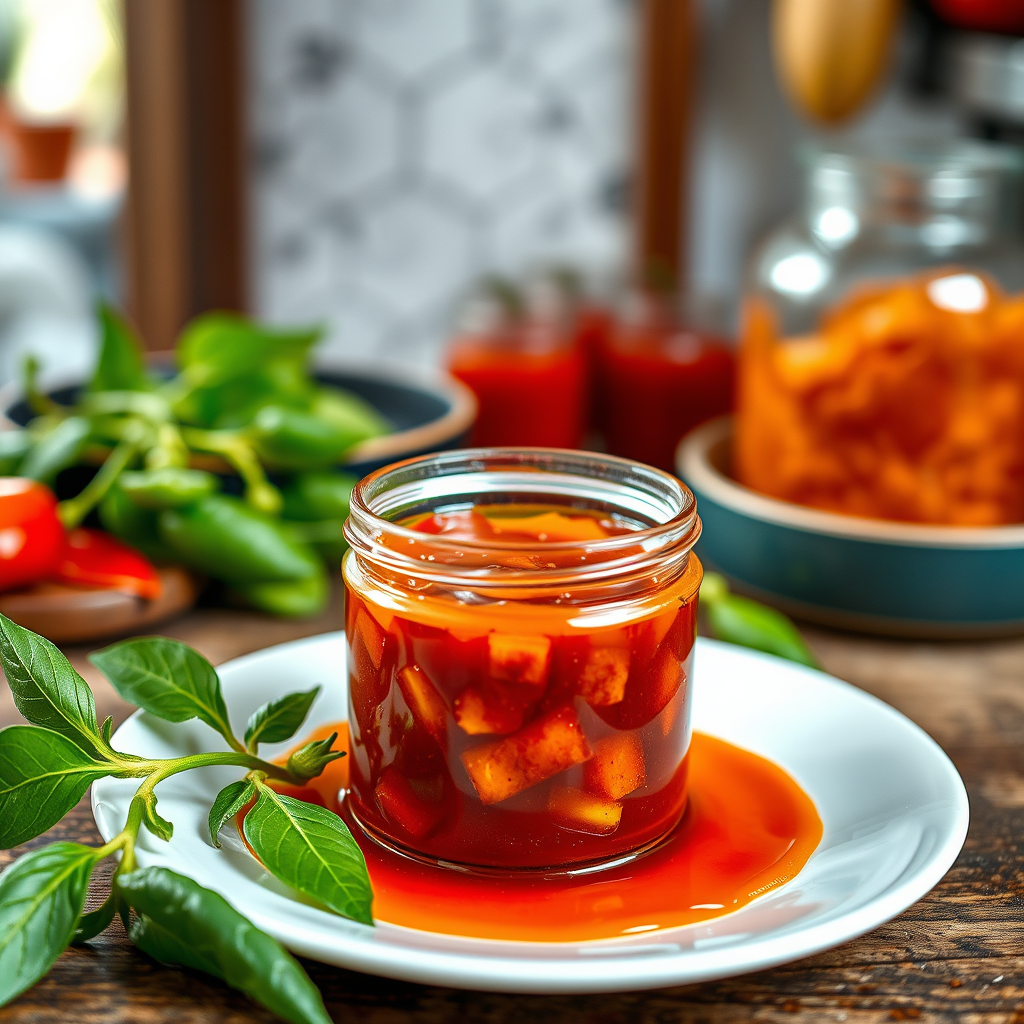
A frequent error is neglecting to wear gloves while handling habanero peppers, which can lead to skin irritation or burns due to capsaicin. Many home cooks also struggle with measuring the pectin correctly, resulting in jam that is either too runny or overly thick and unspreadable. Failing to bring the mixture to a full rolling boil can prevent the jam from setting correctly, compromising its shelf stability. Moreover, ignoring sterilization guidelines for jars can lead to contamination, resulting in spoilage and potential foodborne illness.
Special Cases That Need a Different Approach
For those who prefer a milder jam, a good option is to substitute half of the habaneros with sweet bell peppers or simply reduce the number of habaneros used. To introduce a unique flavor twist, consider adding spices such as cinnamon or ginger, but be sure to adjust the sugar and vinegar accordingly to maintain the right balance. If using frozen habaneros, ensure they are completely thawed and drained of excess moisture before chopping to avoid altering the jam’s consistency. For a sugar-free version, use a canning-compatible sugar substitute, as regular alternatives may not set properly.
When You Need a Professional
Should you experience severe reactions to spicy foods, such as anaphylaxis, during the cooking process, seek medical assistance immediately. If your jam fails to set despite following the recipe, and you suspect a broader issue with the canning process, consult a certified food preservation expert for troubleshooting. Those considering scaling the recipe for larger batches or commercial sale must consult with a food safety professional to ensure compliance with local regulations. Additionally, individuals looking to preserve their jam using methods outside of standard water bath canning should seek guidance from a food safety expert to mitigate potential hazards.
Sources and Further Reading
– National Center for Home Food Preservation guidelines on safe canning practices and jam making.
– University of Georgia’s Cooperative Extension resources for preserving hot peppers and making spicy jams.
– “The Ball Book of Canning and Preserving” as a comprehensive reference for home canning techniques.
– Research articles on the health benefits of capsaicin from habanero peppers, available through food science journals.
Frequently Asked Questions
What ingredients do I need to make habanero pepper jam?
To make habanero pepper jam, you will need fresh habanero peppers, sugar, apple cider vinegar, and pectin. Make sure to wear gloves when handling the peppers to avoid skin irritation. You can also add spices like garlic or ginger for an extra flavor kick.
How do I properly prepare habanero peppers for jam?
To prepare habanero peppers for jam, start by washing them thoroughly. Remove the stems and finely chop the peppers; if you prefer a milder jam, you can remove some of the seeds and membranes. Always use gloves while handling the peppers to protect your skin from their heat.
Why does my habanero pepper jam not set properly?
If your habanero pepper jam does not set, it may be due to insufficient pectin or not boiling the mixture long enough. Make sure to follow the recipe instructions carefully, including the cooking time and pectin measurements. If needed, you can reprocess the jam with additional pectin to achieve the desired consistency.
What is the best way to store homemade habanero pepper jam?
The best way to store homemade habanero pepper jam is in sterilized glass jars with airtight lids. Keep the jars in a cool, dark place like a pantry, and once opened, store them in the refrigerator. Properly canned, the jam can last up to a year, while opened jars should be used within a few weeks.
Which dishes can I pair with habanero pepper jam?
Habanero pepper jam pairs well with a variety of dishes, enhancing flavors in both savory and sweet recipes. Try it as a glaze for grilled meats, a topping for cream cheese on crackers, or even drizzled over desserts like cheesecake. Its sweet and spicy profile makes it versatile for many culinary creations.
References
- Habanero
https://en.wikipedia.org/wiki/Habanero - https://www.ncbi.nlm.nih.gov/pmc/articles/PMC7020555/
https://www.ncbi.nlm.nih.gov/pmc/articles/PMC7020555/ - https://www.ncbi.nlm.nih.gov/pmc/articles/PMC6120605/
https://www.ncbi.nlm.nih.gov/pmc/articles/PMC6120605/ - https://www.sciencedirect.com/topics/agricultural-and-biological-sciences/habanero
https://www.sciencedirect.com/topics/agricultural-and-biological-sciences/habanero - Habanero | Description, Varieties of Pepper, Hotness Level, & Health Benefits | Britannica
https://www.britannica.com/plant/habanero - Google Scholar Google Scholar
https://scholar.google.com/scholar?q=habanero+pepper+jam+recipe - Google Scholar Google Scholar
https://scholar.google.com/scholar?q=habanero+jam+recipe - Google Scholar Google Scholar
https://scholar.google.com/scholar?q=habanero+pepper+preservation - https://www.cdc.gov/foodsafety/communication/food-safety-facts.html
https://www.cdc.gov/foodsafety/communication/food-safety-facts.html - Food safety
https://www.who.int/news-room/fact-sheets/detail/food-safety