This complete expert guide to safely making habanero jelly provides precise, step-by-step instructions for creating a spicy, flavorful preserve while ensuring food safety. By adhering to established protocols, you’ll not only achieve the perfect balance of heat and sweetness but also prevent spoilage and preserve quality. Whether you’re a seasoned canner or a curious beginner, mastering this recipe will elevate your culinary skills and impress your taste buds.
What This Guide Covers (And What It Doesn’t)
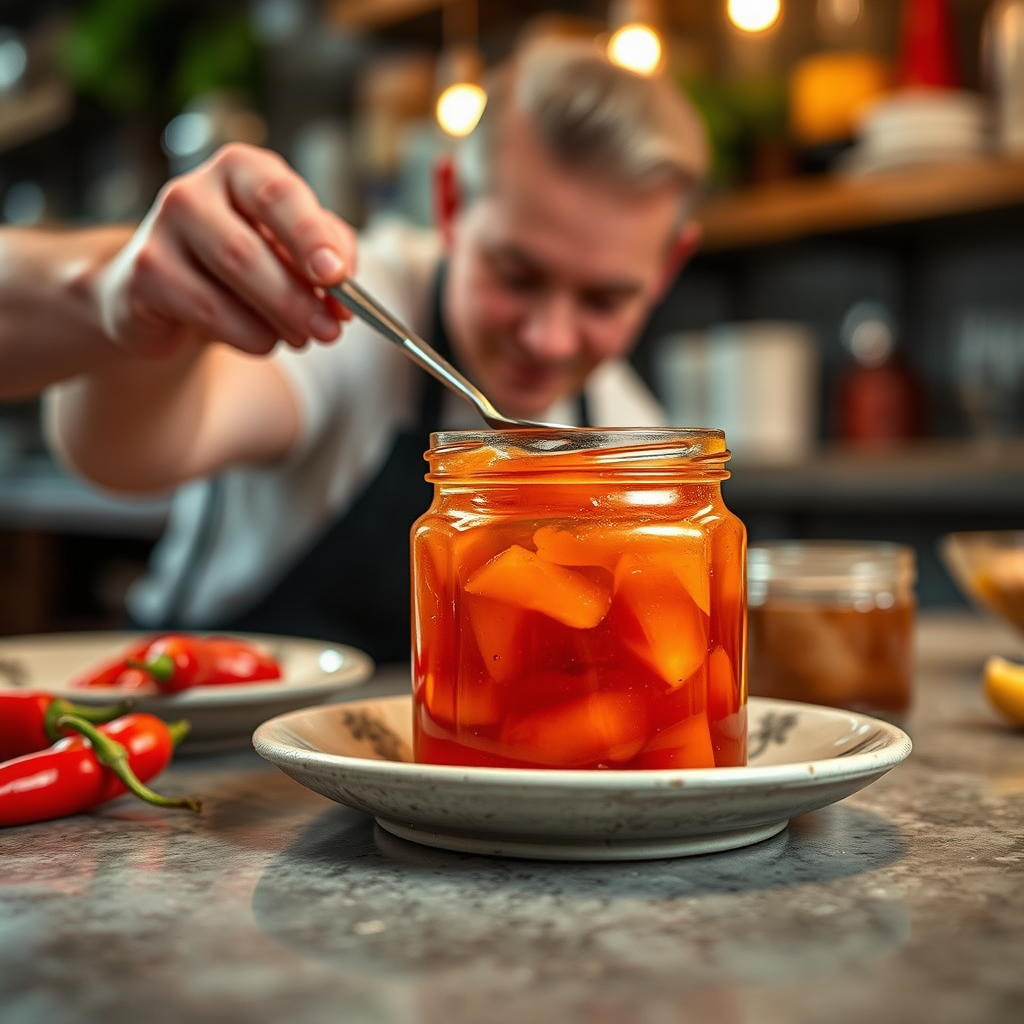
This guide presents a comprehensive, step-by-step recipe for crafting habanero jelly, focusing on essential techniques and safety measures. Inside, you’ll find precise measurements, cooking times, and canning methods to ensure your jelly is not only flavorful but also safe for consumption. However, this guide does not explore variations of jelly made with other peppers or fruits, nor does it discuss nutritional aspects; it is dedicated solely to the preparation of habanero jelly.
Who Should Read This
This guide is ideal for home cooks eager to create unique preserves and experiment with spicy condiments. Those with basic cooking skills and some familiarity with canning techniques will gain the most from this resource, as the recipe presumes knowledge of essential kitchen tools and processes. Conversely, complete beginners or those lacking access to canning supplies may find this guide less applicable, given that it requires specific equipment like jars, lids, and a water bath canner.
The Step-by-Step Protocol
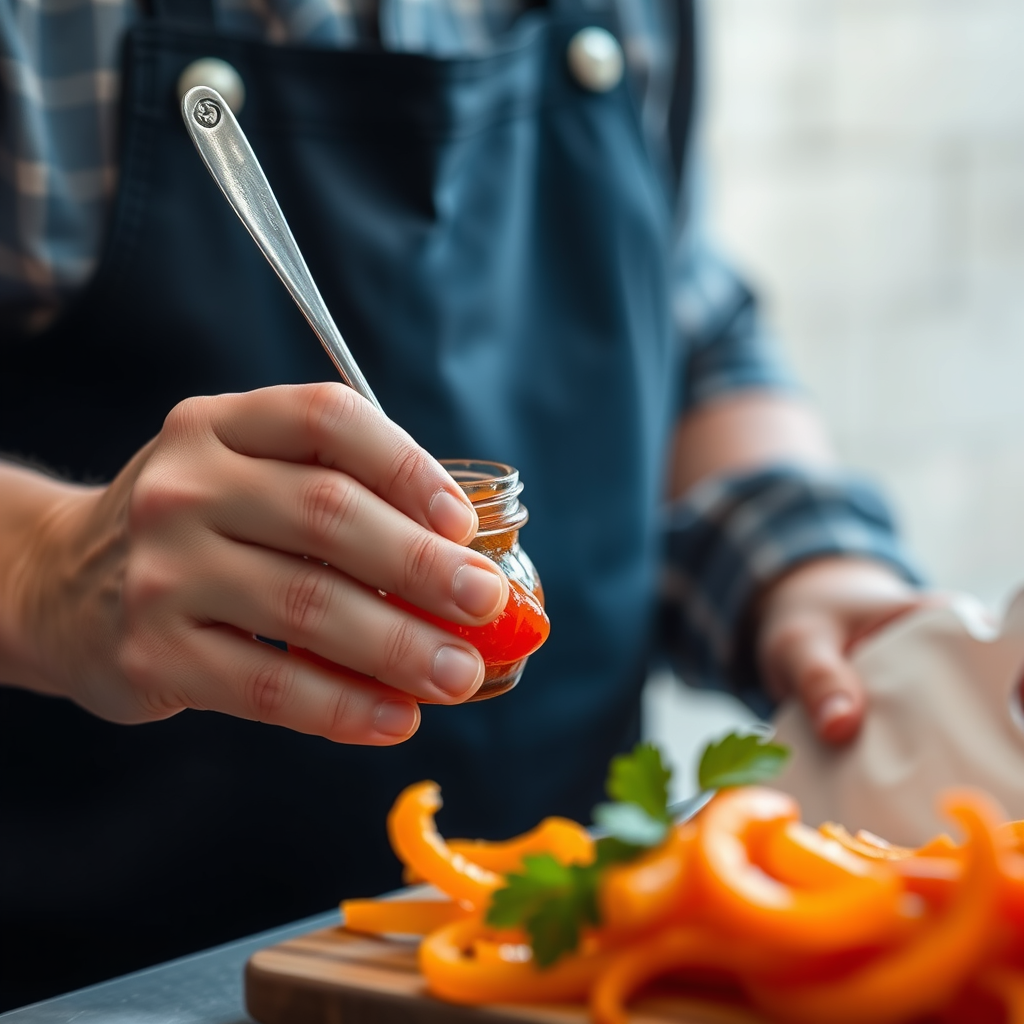
1. Gather Ingredients: You will need 1 cup finely chopped fresh habanero peppers (about 6-8 peppers), 1 cup apple cider vinegar, 5 cups granulated sugar, and 1 pouch (1.75 oz) fruit pectin.
2. Prepare the Peppers: Wearing gloves, remove the stems and seeds from the habaneros. Finely chop them to release their flavor and heat. This step is crucial; skipping it may lead to unwanted bitterness from the seeds.
3. Combine Ingredients: In a large stainless steel pot, mix the chopped habaneros, apple cider vinegar, and granulated sugar. Stir the mixture well and bring it to a rolling boil over medium-high heat, stirring continuously to ensure the sugar dissolves completely.
4. Add Pectin: Once the mixture reaches a rolling boil, stir in the fruit pectin. Return the mixture to a hard boil for 1 minute, ensuring it thickens properly. This step is vital for achieving the desired jelly consistency.
5. Prepare the Jars: While the mixture is boiling, sterilize your canning jars and lids by placing them in a boiling water bath for 10 minutes. This step helps prevent the introduction of bacteria that could spoil your jelly.
6. Fill the Jars: Carefully ladle the hot jelly mixture into the sterilized jars, leaving about 1/4 inch of headspace. Wipe the rims of the jars with a clean cloth to eliminate any residue that could interfere with sealing.
7. Seal and Process: Place the lids on the jars and screw on the bands until they’re fingertip-tight. Process the jars in a water bath canner for 10 minutes. Ensure the water covers the jars by at least an inch for proper heat distribution.
8. Cool and Store: After processing, remove the jars and allow them to cool completely on a towel or cooling rack. Once cool, check the seals by pressing down in the center of each lid. If it pops back, the jar did not seal properly; refrigerate it and use it within a few weeks.
📋 MANDATORY DATA TABLE
Top Ingredients for Habanero Jelly Preparation
| # | Ingredient | Quantity | Purpose |
|---|---|---|---|
| 1 | Habanero Peppers | 1 cup | Flavor and Heat |
| 2 | Apple Cider Vinegar | 1 cup | Acidity and Preservation |
| 3 | Granulated Sugar | 5 cups | Sweetness and Gel Formation |
| 4 | Fruit Pectin | 1 pouch (1.75 oz) | Gelling Agent |
| 5 | Water (for boiling jars) | N/A | Sterilization |
| 6 | Canning Jars and Lids | Varies | Storage |
| 7 | Clean Cloth | N/A | Cleaning Jar Rims |
Warning Signs: When Not to Follow This

– If you have a sensitivity or allergy to spicy foods or hot peppers, avoid this recipe. Habaneros rank among the hottest peppers available.
– Should you observe any signs of spoilage in your ingredients, such as mold on the peppers or an off smell from the vinegar, do not proceed with the recipe.
– Avoid attempting this recipe if you lack proper canning supplies, as failing to seal jars correctly can lead to botulism and other food safety issues.
The Most Common Mistakes (And Their Consequences)
– Skipping Gloves: Not wearing gloves while handling habaneros can lead to skin irritation or burns. Always protect your hands to avoid discomfort, as the oils can linger and cause irritation long after handling.
– Not Boiling Properly: Failing to bring the mixture to a full boil before adding pectin can result in jelly that does not set, leaving you with a syrupy consistency instead of a firm jelly. This can ruin the texture and make the jelly unsuitable for canning.
– Improper Sterilization: Neglecting to properly sterilize jars and lids before canning may introduce bacteria, leading to spoilage and potential foodborne illness. Always ensure your equipment is clean and sterile to mitigate these risks.
Special Cases That Need a Different Approach
– Dried Habaneros: If using dried habanero peppers, rehydrate them in vinegar for at least 4 hours before chopping to ensure optimal flavor extraction. This process enhances the taste and gives the jelly a richer profile.
– High Altitudes: For those living at high altitudes, adjustments in processing time and ingredient ratios may be necessary to achieve the correct jelly consistency and ensure safety. Consult local canning guidelines for appropriate adjustments.
– Milder Flavor: If you prefer a milder flavor, consider combining habaneros with sweeter peppers, such as red bell peppers. Adjust the ratio to maintain the jelly’s integrity while reducing the overall heat.
When You Need a Professional
– If you’re unsure about the safety of your canning techniques or have questions about food preservation, consult a food safety expert or your local extension office. They can provide tailored advice and resources suited to your specific conditions.
– Should you experience any adverse reactions after consuming the habanero jelly, seek medical advice immediately, especially if symptoms are severe. Spicy foods can trigger reactions in individuals with specific health conditions.
– For individuals with underlying health conditions that may be affected by spicy foods, consult a healthcare professional before attempting to make or consume this jelly. Conditions like acid reflux or gastrointestinal disorders may be exacerbated by spicy ingredients.
Sources and Further Reading
– USDA Complete Guide to Home Canning: A comprehensive resource on safe canning practices and preservation techniques.
– National Center for Home Food Preservation: Offers guidelines for safe food preservation and specific recipes for various types of jams and jellies.
– “The Ball Book of Canning and Preserving”: A well-respected reference that includes a variety of jelly recipes, including those using hot peppers.
By following these detailed instructions, you can successfully create a delicious and spicy habanero jelly that adds a unique twist to your culinary repertoire. Embrace the process and savor the bold flavors that come with it.
Frequently Asked Questions
What ingredients do I need for a basic habanero jelly recipe?
To make a basic habanero jelly, you’ll need fresh or dried habanero peppers, sugar, apple cider vinegar, pectin, and water. The combination of these ingredients creates a sweet and spicy flavor profile that is perfect for pairing with meats or as a spread on crackers.
How do I properly prepare habanero peppers for jelly?
To prepare habanero peppers for jelly, start by wearing gloves to protect your skin from the heat. Remove the stems and seeds, then finely chop the peppers. This helps to release their flavor and heat into the jelly, ensuring a balanced taste.
Why is pectin important in making habanero jelly?
Pectin is crucial in making habanero jelly because it acts as a thickening agent that helps the jelly set properly. Without pectin, the jelly may remain runny and not achieve the desired consistency. You can use powdered or liquid pectin depending on your preference and the recipe instructions.
What is the best way to store homemade habanero jelly?
The best way to store homemade habanero jelly is in sterilized glass jars with airtight lids. Keep the jelly in a cool, dark place, such as a pantry, for up to a year. Once opened, it should be refrigerated and used within a few weeks for optimal freshness and flavor.
Which dishes pair well with habanero jelly?
Habanero jelly pairs well with various dishes, including cheese platters, grilled meats, and roasted vegetables. It’s also delicious as a glaze on salmon or chicken, or as a dip for spring rolls and appetizers. The sweet heat complements savory flavors, making it a versatile condiment.
References
- Jelly
https://en.wikipedia.org/wiki/Jelly - https://pubmed.ncbi.nlm.nih.gov/24879893/
https://pubmed.ncbi.nlm.nih.gov/24879893/ - https://www.sciencedirect.com/science/article/pii/S0141022917312407
https://www.sciencedirect.com/science/article/pii/S0141022917312407 - Google Scholar Google Scholar
https://scholar.google.com/scholar?q=habanero+jelly+recipe - Jelly | Definition, Processing, & Uses | Britannica
https://www.britannica.com/topic/jelly - https://www.nature.com/articles/s41598-020-73532-0
https://www.nature.com/articles/s41598-020-73532-0 - Google Scholar Google Scholar
https://scholar.google.com/scholar?q=habanero+preservation - Global analysis of LARP1 translation targets reveals tunable and dynamic features of 5′ TOP motif…
https://www.ncbi.nlm.nih.gov/pmc/articles/PMC7071917/ - https://www.cdc.gov/foodsafety/food-safety-education-month.html
https://www.cdc.gov/foodsafety/food-safety-education-month.html - Google Scholar Google Scholar
https://scholar.google.com/scholar?q=recipe+for+habanero+jelly