Mastering the art of making guava jelly jam is essential for anyone looking to elevate their canning skills and enjoy this tropical delight at home. This expert guide provides a step-by-step recipe along with crucial safety protocols to ensure your homemade jelly is not only delicious but also safe to consume. Following these guidelines will help you avoid common pitfalls and achieve the perfect texture and flavor.
What This Guide Covers (And What It Doesn’t)

This guide provides a thorough, step-by-step protocol for making guava jelly jam, detailing the necessary ingredients, equipment, and techniques essential for ensuring safety and quality in home canning. It focuses exclusively on the classic guava jelly jam recipe, emphasizing the unique flavor profile of guava and its proper handling for optimal preservation. While it offers in-depth guidance for this specific fruit, alternative jelly-making fruits and variations from the standard jelly-making process are outside its scope.
Who Should Read This
This guide is tailored for home cooks and food enthusiasts who possess a basic understanding of canning and preserving. It is particularly suited for those eager to expand their culinary repertoire with tropical fruits like guava. If you have successfully made other types of jams or jellies, you’ll find this guide especially beneficial, as it builds upon foundational canning techniques. Additionally, individuals with dietary restrictions or those seeking natural, homemade spreads will appreciate the detailed instructions and safety measures provided here.
The Step-by-Step Protocol
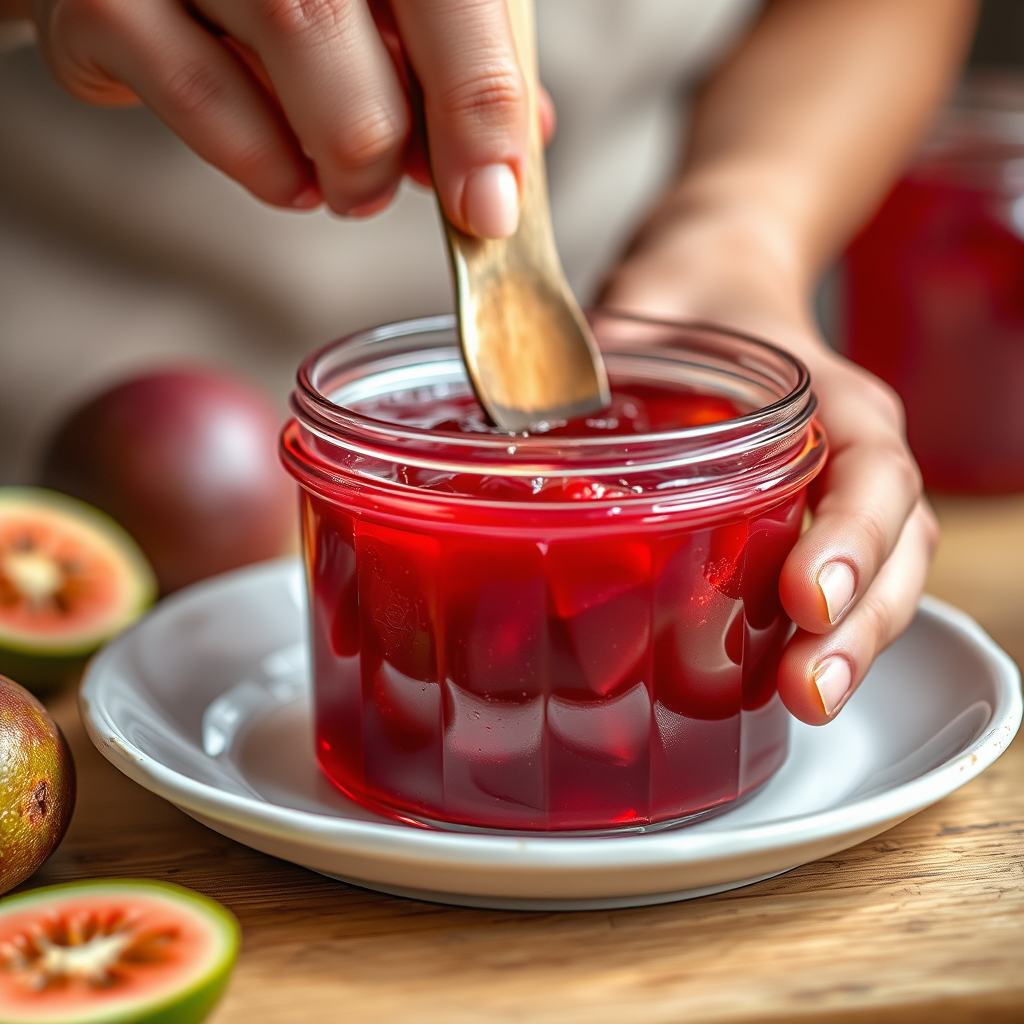
1. Gather Ingredients and Equipment: You will need 4 cups of ripe guava puree, 1 cup of water, 1/4 cup of lemon juice, and 1 package (1.75 oz) powdered pectin. Ensure you have sterilized jars and lids ready for canning.
2. Prepare the Guava: Wash and chop 2-3 ripe guavas, then blend them with water to create a smooth puree. Strain the puree through a cheesecloth to remove seeds and achieve a clear consistency.
3. Cook the Jelly: In a large pot, combine the guava puree, lemon juice, and powdered pectin. Bring to a rolling boil over medium heat, stirring constantly, and boil for 1 minute to ensure the pectin activates properly.
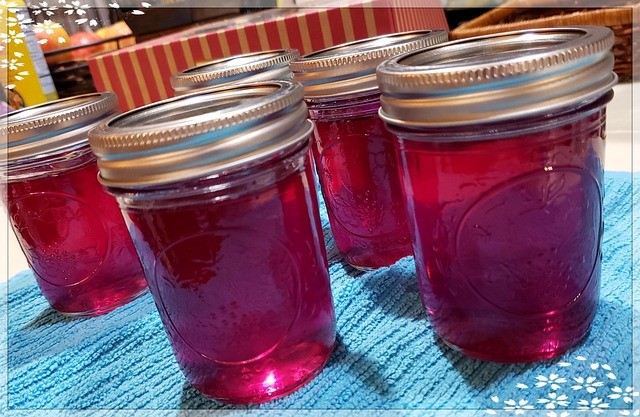
4. Canning Process: Fill the sterilized jars with the hot guava jelly, leaving 1/4 inch of headspace. Wipe the rims of the jars with a clean cloth, place the lids on, and process in a boiling water bath for 5-10 minutes depending on your altitude.
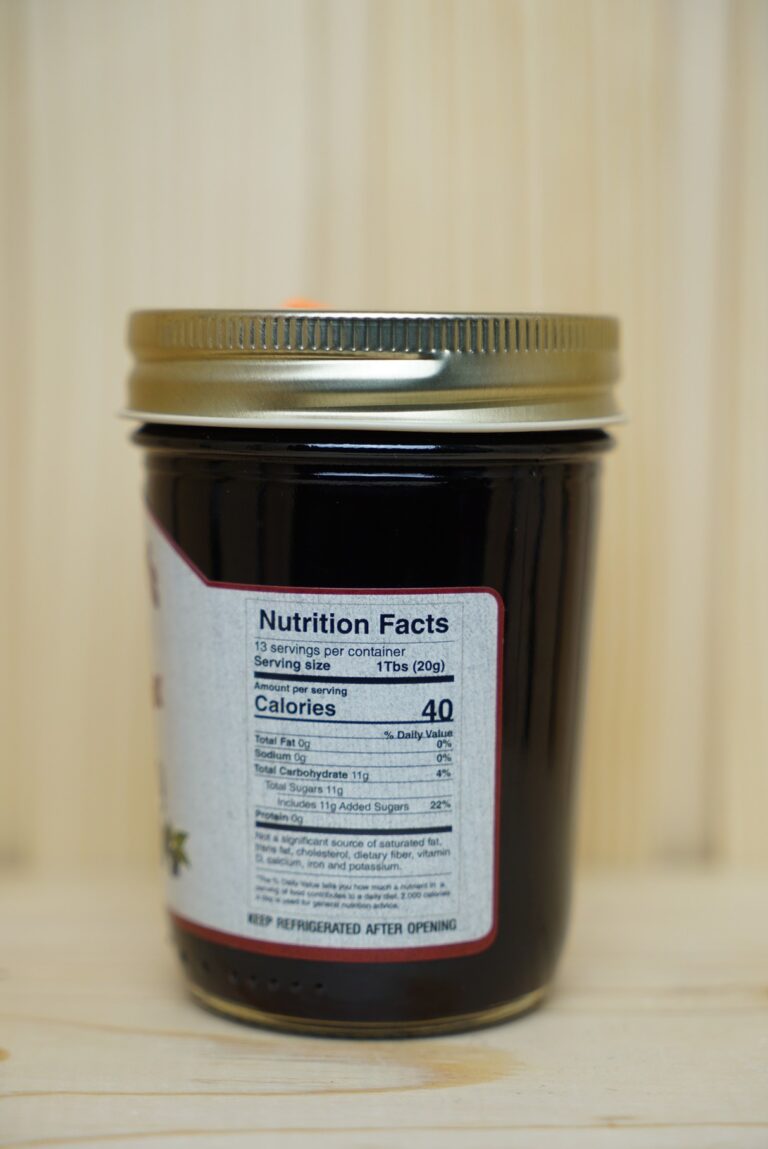
Nutritional Information for Guava Jelly Jam (Per 1 Tbsp)
| # | Nutritional Component | Amount | % Daily Value |
|---|---|---|---|
| 1 | Calories | 50 | 2% |
| 2 | Total Fat | 0g | 0% |
| 3 | Sodium | 5mg | 0% |
| 4 | Total Carbohydrates | 13g | 5% |
| 5 | Sugars | 12g | N/A |
| 6 | Protein | 0g | 0% |
| 7 | Vitamin C | 1mg | 2% |
Warning Signs: When Not to Follow This

– Avoid making guava jelly jam if you notice any signs of spoilage in the guavas, such as mold, off-odors, or a mushy texture, as these issues can compromise the safety of the final product.
– Do not attempt this recipe without proper canning equipment, such as a boiling water bath canner; inadequate equipment can lead to foodborne illness.
– If you are uncertain about your ability to follow the precise measuring and boiling times, it’s best to gain more experience before attempting this recipe.
The Most Common Mistakes (And Their Consequences)
– A frequent error is mismeasuring the pectin. Too little pectin can result in a runny jelly, while too much can create an overly firm texture that spreads poorly.
– Skipping the sterilization process for jars can lead to bacterial contamination, resulting in spoilage and potential food poisoning.
– Failing to process the jars in a boiling water bath for the appropriate time can result in inadequate sealing, causing the jelly to spoil or ferment.
Special Cases That Need a Different Approach
– If using frozen guavas, ensure they are completely thawed and well-drained before proceeding; excess water can alter the jelly’s consistency and shelf stability.
– For those with specific dietary needs, consider substituting regular sugar with low-sugar pectin products or natural sweeteners, but adjust the recipe and boiling times accordingly for best results.
– If you have access to other guava varieties or hybrid types, test small batches first, as variations in sugar content may require adjustments in pectin and sugar quantities.
When You Need a Professional
– If you experience gastrointestinal issues after consuming homemade guava jelly, seek medical advice promptly to rule out foodborne illness.
– If you’re unsure about the safety of your canning techniques or the preservation of your guava jelly, consult a local extension service or food safety expert before consuming or distributing the product.
– Individuals with compromised immune systems or those preparing food for vulnerable populations should consult a food preservation expert to ensure all safety standards are met in the canning process.
Sources and Further Reading
– National Center for Home Food Preservation: Guidelines for Home Canning (https://nchfp.uga.edu)
– USDA Complete Guide to Home Canning: A detailed source for safe canning practices (https://www.fs.usda.gov)
– “The Complete Book of Home Preserving” by Ball: A comprehensive resource for various canning methods and recipes, including guava jelly.
Frequently Asked Questions
What ingredients do I need for a guava jelly jam recipe?
To make guava jelly, you will need ripe guavas, granulated sugar, lemon juice, and pectin. The ripe guavas provide the base flavor, while lemon juice adds acidity to balance the sweetness and pectin is essential for achieving the desired jelly consistency.
How do I properly prepare guavas for making jelly?
To prepare guavas for jelly, start by washing the fruit thoroughly to remove any dirt. Cut the guavas in half and scoop out the pulp, discarding the seeds, and then mash the pulp to release the juices. This process ensures that you maximize the flavor and texture in your guava jelly.
Why is pectin important in a guava jelly jam recipe?
Pectin is a natural thickening agent that helps jelly set properly, creating a smooth and spreadable texture. Without pectin, your guava jelly may remain too runny and not achieve the desired consistency, making it less enjoyable to eat. It’s crucial to follow the right pectin instructions for the best results.
What is the best method for canning guava jelly?
The best method for canning guava jelly is the water bath canning technique. This involves filling sterilized jars with the hot jelly, sealing them with lids, and processing them in boiling water for the recommended time. This method ensures a safe seal and extends the shelf life of your guava jelly.
Which types of guavas are best for making jelly?
The best types of guavas for making jelly are the pink or white-fleshed varieties, as they have a rich flavor and high pectin content. Ripe guavas that are slightly soft to the touch will yield the best results, providing a vibrant color and sweet taste in your homemade guava jelly.
References
- Fruit preserves
https://en.wikipedia.org/wiki/Jam - Checking your browser – reCAPTCHA
https://www.ncbi.nlm.nih.gov/pmc/articles/PMC4469593/ - https://www.sciencedirect.com/science/article/pii/S2214784319300586
https://www.sciencedirect.com/science/article/pii/S2214784319300586 - https://www.nutrition.gov/topics/food-safety/food-preservation/jams-jellies
https://www.nutrition.gov/topics/food-safety/food-preservation/jams-jellies - https://www.britannica.com/topic/jam
https://www.britannica.com/topic/jam - Google Scholar Google Scholar
https://scholar.google.com/scholar?q=guava+jelly+jam+recipe - Google Scholar Google Scholar
https://scholar.google.com/scholar?q=guava+preservation - Google Scholar Google Scholar
https://scholar.google.com/scholar?q=homemade+jams+and+jellies - https://www.healthline.com/nutrition/guava-benefits
https://www.healthline.com/nutrition/guava-benefits - Checking your browser – reCAPTCHA
https://www.ncbi.nlm.nih.gov/pmc/articles/PMC3741548/