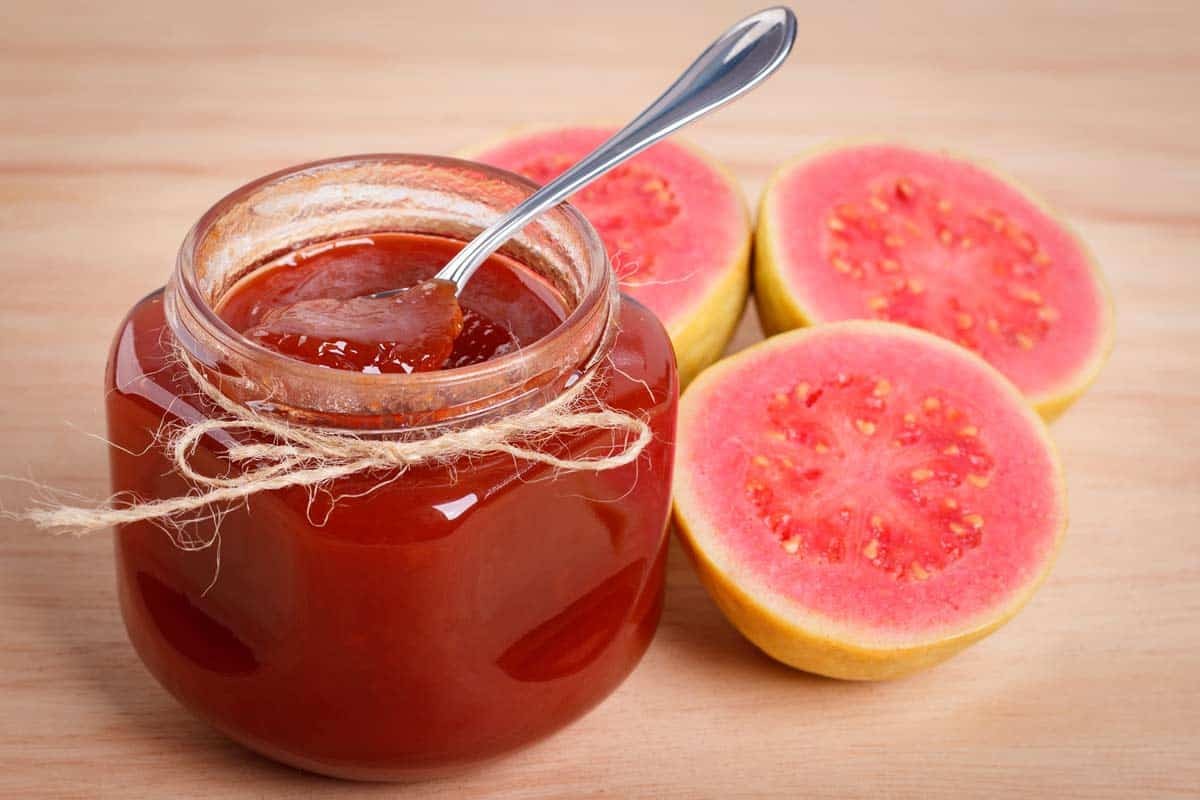
Master the art of guava jam with this complete expert guide to safely making guava jam recipes. This guide is tailored for both novices and seasoned canners, covering essential techniques, safety protocols, and delicious variations. Following the right procedures ensures not only a delightful flavor but also food safety, making your homemade guava jam a treat you can enjoy with confidence.
What This Guide Covers (And What It Doesn’t)

This guide offers comprehensive methods for making guava jam safely, covering everything from selecting the right ingredients to effective storage techniques. You’ll find specific recipes for various types of guava jam, including low-sugar options and exciting variations with spices or other fruits. However, it does not delve into unrelated fruit preservation methods or DIY canning projects outside of guava jam; our focus remains solely on this tropical delight. Tailored for home cooks, this guide caters to everyone from novices to those with some canning experience, inviting you to explore the world of guava jam making.
Who Should Read This
This guide is ideal for home cooks eager to preserve fruits, particularly those who have access to fresh guavas or guava puree. It caters to individuals with basic kitchen skills, such as measuring ingredients and operating cooking appliances. A genuine interest in learning about safe canning practices is essential, as food safety and proper storage take center stage. Those looking to expand their culinary repertoire with tropical flavors and unique jam recipes will find this guide particularly useful.
The Step-by-Step Protocol
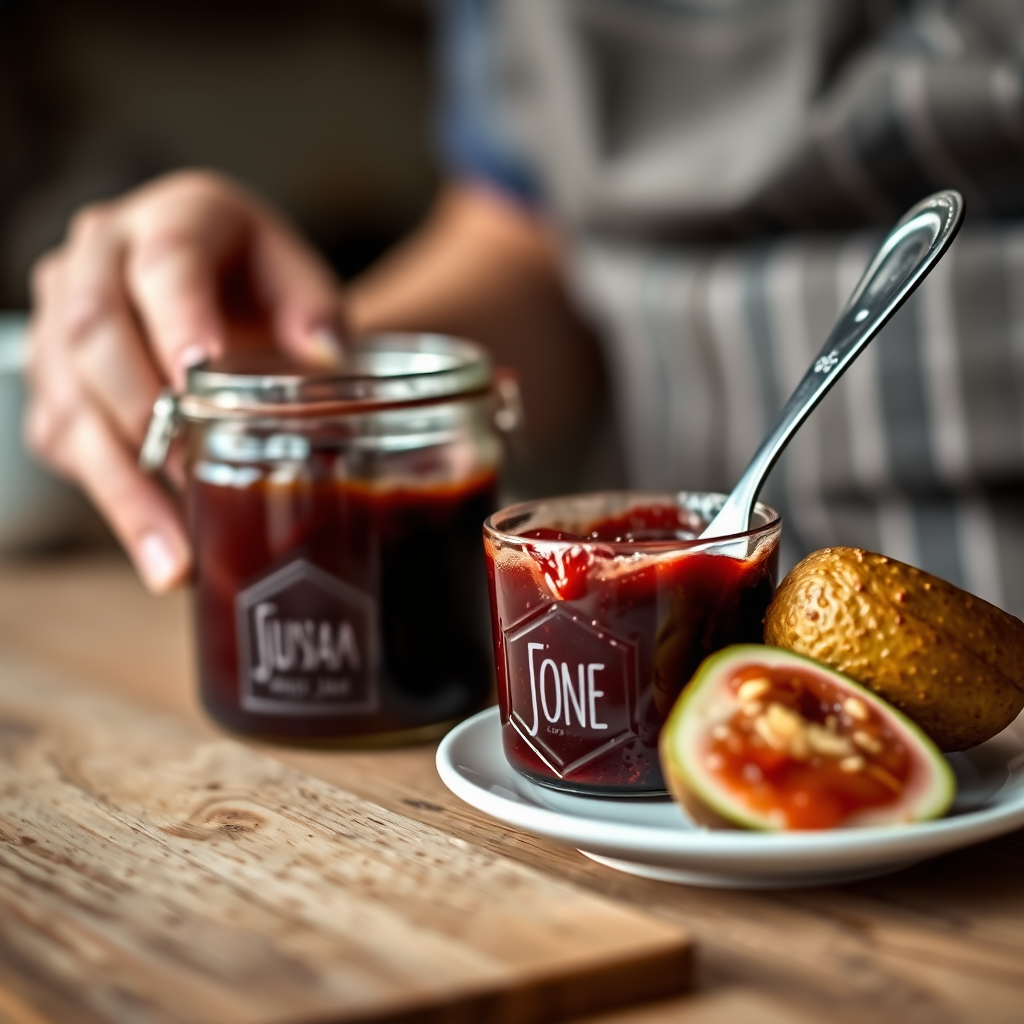
1. Gather Ingredients: Collect 4 cups of ripe guava pulp, 1 cup of granulated sugar, 1 tablespoon of lemon juice, and 1/2 teaspoon of pectin for standard guava jam. Additionally, consider adding spices like cinnamon or ginger for variations.
2. Prepare Guavas: Wash and peel 2-3 medium-sized guavas. Cut them in half and scoop out the flesh to obtain the necessary pulp. If using a blender, pulse the guava pieces until smooth.
3. Cook the Mixture: In a large saucepan, combine the guava pulp, sugar, and lemon juice. Heat the mixture over medium heat, stirring continuously until it reaches a rolling boil. Once boiling, reduce the heat and let it simmer for 10-15 minutes.
4. Test for Doneness: Use a candy thermometer to check if the mixture reaches 220°F (104°C), the ideal temperature for proper jam consistency. If the mixture hasn’t reached this temperature, continue to simmer and retest every 5 minutes until it does.
5. Add Pectin: If the jam has reached the desired temperature but has not thickened, sprinkle in the pectin, stirring vigorously to ensure even distribution. Allow it to simmer for an additional 5 minutes.
6. Prepare Jars: While the jam simmers, sterilize your jars and lids by boiling them in water for 10 minutes. This crucial step prevents spoilage.
7. Fill Jars: Once the jam is ready, carefully ladle it into the sterilized jars, leaving about 1/4 inch of headspace. Wipe the rims of the jars with a clean cloth to ensure a proper seal.
8. Seal and Process: Place the sterilized lids on the jars and screw on the rings until they are fingertip-tight. Process the jars in a boiling water canner for 5-10 minutes, ensuring they are fully submerged.
9. Cool and Store: Remove the jars from the canner and let them cool on a clean kitchen towel. Once completely cooled, check the seals by pressing down in the center of each lid; if it doesn’t pop back, the jar is sealed properly. Store the sealed jars in a cool, dark place.
Top 7 Guava Varieties for Jam Making (2024)
| # | Variety | Flavor Profile | Pulp Color | Sugar Content |
|---|---|---|---|---|
| 1 | Pink Guava | Sweet and fragrant | Pink | 14-16% |
| 2 | White Guava | Mild and sweet | White | 12-14% |
| 3 | Strawberry Guava | Intensely sweet | Red | 15-18% |
| 4 | Yellow Guava | Fruity and floral | Yellow | 10-12% |
| 5 | Apple Guava | Crisp and tart | Green | 8-10% |
| 6 | Red Malaysian Guava | Sweet with hints of spice | Red | 14-17% |
| 7 | Tropical Guava | Exotic and aromatic | Pink | 15-20% |
Warning Signs: When Not to Follow This
– If your guavas show any signs of mold, bruising, or an off smell, do not use them; these issues can compromise the safety and quality of your jam.
– Avoid making guava jam if you lack proper canning equipment, such as sterilized jars and a boiling water canner, as this could lead to contamination.
– If you have a history of allergies to tropical fruits, consult with a healthcare provider before making or consuming guava products.
– Do not proceed with this recipe if you are uncertain about the pH levels of the final product; low acidity can jeopardize safe preservation.
The Most Common Mistakes (And Their Consequences)
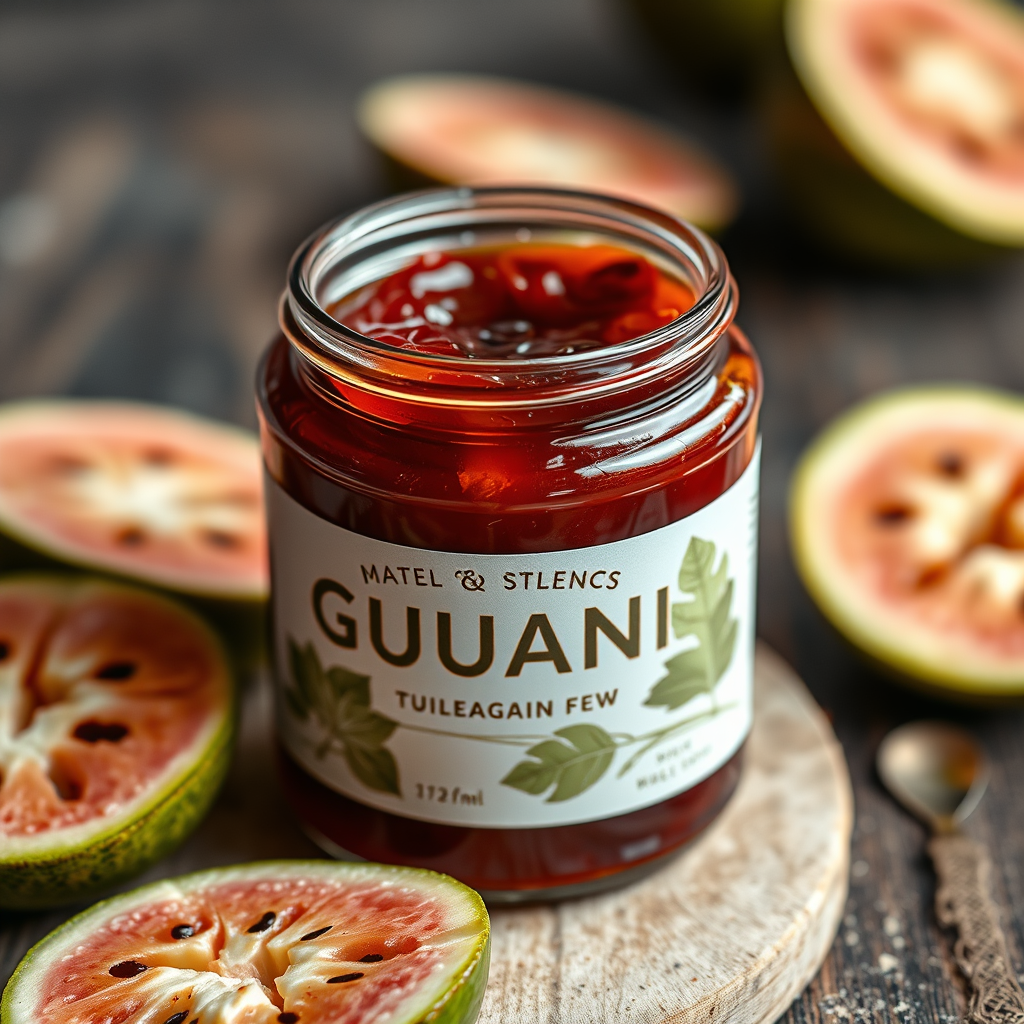
– Many home cooks underestimate the importance of accurately measuring sugar, which can lead to jam that is either too runny or overly sweet. This misstep affects not only taste but also preservation.
– Failing to sterilize jars properly can introduce bacteria, resulting in spoilage and foodborne illness. Always ensure jars are boiled for the recommended time.
– Skipping the pectin or not adding enough can result in jam that doesn’t set, creating a product more akin to guava syrup than a spreadable jam. Follow pectin guidelines meticulously, based on the sugar used.
– Ignoring the boiling water bath for sealing jars increases the risk of unsafe storage and the potential for botulism. Always adhere to established canning methods.
Special Cases That Need a Different Approach
– For those using low-sugar or sugar-free recipes, adjusting pectin levels and cooking times is necessary to achieve the desired consistency. In such cases, refer to pectin product instructions for guidance.
– If utilizing frozen guava pulp instead of fresh, allow it to thaw completely and drain any excess liquid before measuring for the recipe. This ensures the correct consistency and sugar balance.
– Cooks in high-altitude areas should modify cooking times and temperatures; typically, increase the boiling time by 5-10 minutes to ensure proper sealing. Adjust the pressure used in the boiling water canner according to altitude as well.
– When using additional spices (like ginger or cinnamon), be mindful that they can alter the pH and may require adjustments to sugar or acidity levels for safe preservation. Always test the final product’s pH.
When You Need a Professional
– Consult a food safety expert if you notice any unusual fermentation or bubbling in sealed jars, as these could indicate spoilage.
– If you have health concerns related to canning, such as food allergies or sensitivities to certain preservatives, seeking advice before proceeding is wise.
– Consider involving a certified canning instructor if you are new to the process and want to ensure your methods align with food safety standards.
– If you plan to produce guava jam for sale or distribution, contact a food safety consultant to understand local regulations and safe production practices.
Sources and Further Reading
– “The Ball Book of Canning and Preserving” provides foundational techniques and recipes specific to fruit jams, including guava. This book is essential for anyone serious about canning.
– The USDA’s “Complete Guide to Home Canning” offers safety protocols and guidelines for home canning, which are crucial for ensuring proper methods. It is advisable to consult this guide frequently.
– Research articles from the Journal of Food Science discuss the effects of pH and sugar content on the preservation of fruit jams, including studies specific to guava. Engaging with peer-reviewed research can provide deeper insights.
– Websites such as the National Center for Home Food Preservation offer downloadable resources and updated standards for safe canning practices, making them invaluable for home canners.
Frequently Asked Questions
What are the essential ingredients for making guava jam?
To create a delicious guava jam, you will need ripe guavas, sugar, lemon juice, and pectin. The ripe guavas provide the natural sweetness and flavor, while the sugar helps with preservation and sweetness balance. Lemon juice adds acidity, which enhances the flavor and helps the jam set properly when combined with pectin.
How do I prepare guavas for jam making?
To prepare guavas for jam making, start by washing the fruit thoroughly to remove any dirt. Next, cut the guavas in half and scoop out the flesh, discarding any seeds. You can either mash the flesh or puree it, depending on your desired texture for the guava jam.
Why is pectin important in guava jam recipes?
Pectin is a natural thickening agent that helps guava jam achieve the right consistency and gel-like texture. Without pectin, the jam may turn out runny and not hold its shape. Using the right amount of pectin ensures that your guava jam sets properly and has a delightful spreadable quality.
What is the best method for canning guava jam at home?
The best method for canning guava jam involves sterilizing your jars and lids by boiling them for 10 minutes. Once your jam is cooked and at the desired consistency, pour it into the hot jars, leaving a small headspace. Seal the jars with lids and process them in a boiling water bath for about 10-15 minutes to ensure they are properly preserved for long-term storage.
Which spices can enhance the flavor of guava jam?
To enhance the flavor of guava jam, consider adding spices such as cinnamon, cloves, or ginger. These spices complement the natural sweetness of guava and add depth to the overall flavor profile. A pinch of vanilla extract can also elevate the taste, making your guava jam even more delightful.
References
- Guava
https://en.wikipedia.org/wiki/Guava - https://www.ncbi.nlm.nih.gov/pmc/articles/PMC4511165/
https://www.ncbi.nlm.nih.gov/pmc/articles/PMC4511165/ - https://www.ncbi.nlm.nih.gov/pmc/articles/PMC3900070/
https://www.ncbi.nlm.nih.gov/pmc/articles/PMC3900070/ - https://www.sciencedirect.com/topics/agricultural-and-biological-sciences/guava
https://www.sciencedirect.com/topics/agricultural-and-biological-sciences/guava - Frontiers | Plasma Lipid Profile and Systemic Inflammation in Patients With Cancer Cachexia
https://www.frontiersin.org/articles/10.3389/fnut.2020.00004/full - https://www.ncbi.nlm.nih.gov/pmc/articles/PMC6693159/
https://www.ncbi.nlm.nih.gov/pmc/articles/PMC6693159/ - Google Scholar Google Scholar
https://scholar.google.com/scholar?q=guava+jam+recipes - Google Scholar Google Scholar
https://scholar.google.com/scholar?q=guava+preservation+methods - Google Scholar Google Scholar
https://scholar.google.com/scholar?q=guava+cooking+techniques - https://www.britannica.com/plant/guava
https://www.britannica.com/plant/guava