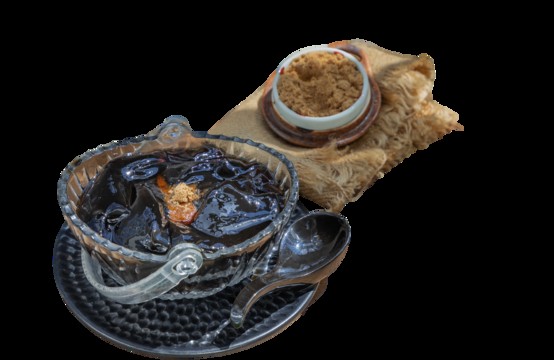
Mastering the art of making grass jelly at home requires precision and adherence to best practices to ensure safety and quality. This complete expert guide provides step-by-step instructions, essential tips, and crucial safety protocols to help you create this delightful treat with confidence. By following the right procedures, you’ll not only enhance flavor but also avoid common pitfalls that can compromise your results.
What This Guide Covers (And What It Doesn’t)

This comprehensive guide provides a step-by-step recipe for crafting grass jelly at home, detailing the necessary ingredients, preparation methods, and tips to achieve optimal texture and flavor. It emphasizes safety protocols for working with herbal ingredients, ensuring you can confidently prepare grass jelly without health risks. However, it does not include variations that incorporate added ingredients, such as sugars or flavorings, nor does it explore industrial production methods.
Who Should Read This
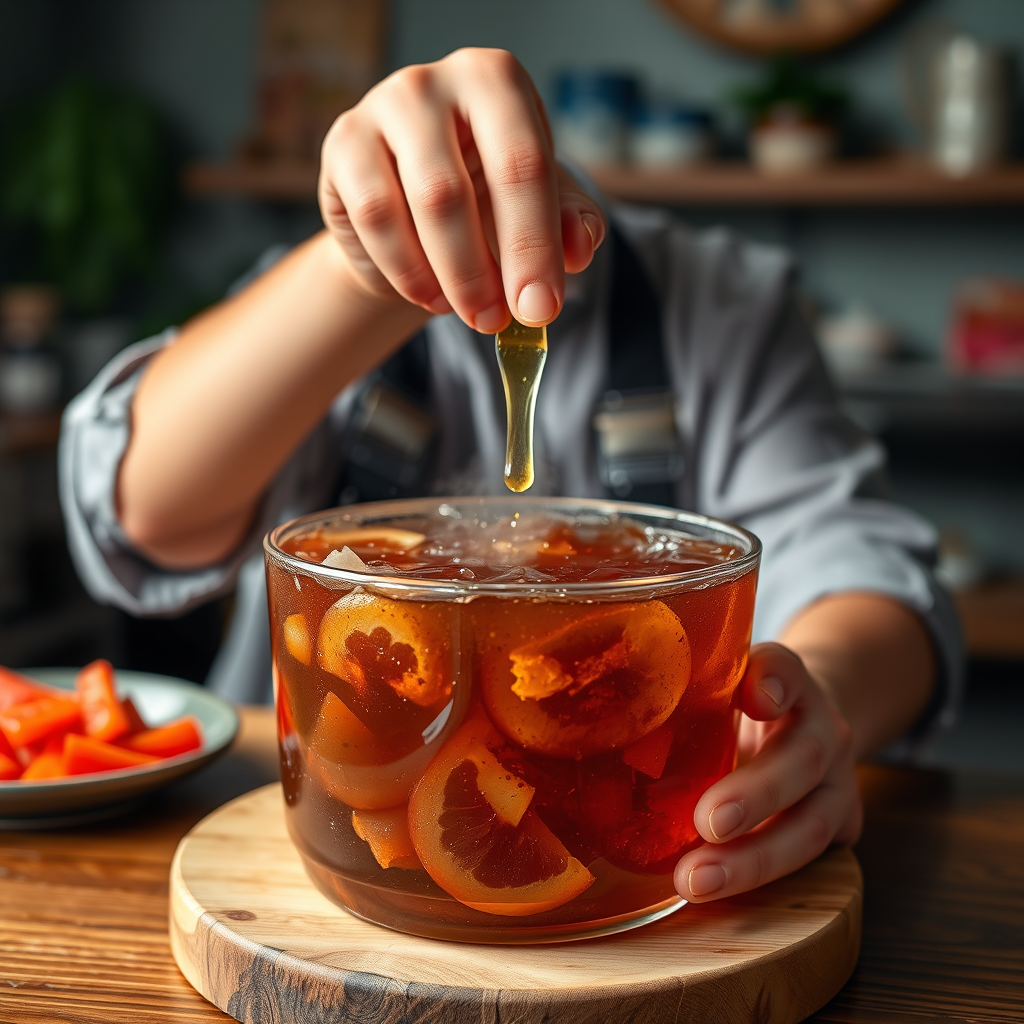
This guide is tailored for home cooks with basic kitchen skills eager to expand their culinary repertoire with traditional Asian desserts. If you have a keen interest in plant-based foods and a curiosity about natural ingredients, particularly those derived from the Mesona chinensis plant, this guide is for you. However, readers with dietary restrictions or allergies should proceed with caution, as the focus here is on the fundamental preparation of grass jelly without additives.
The Step-by-Step Protocol
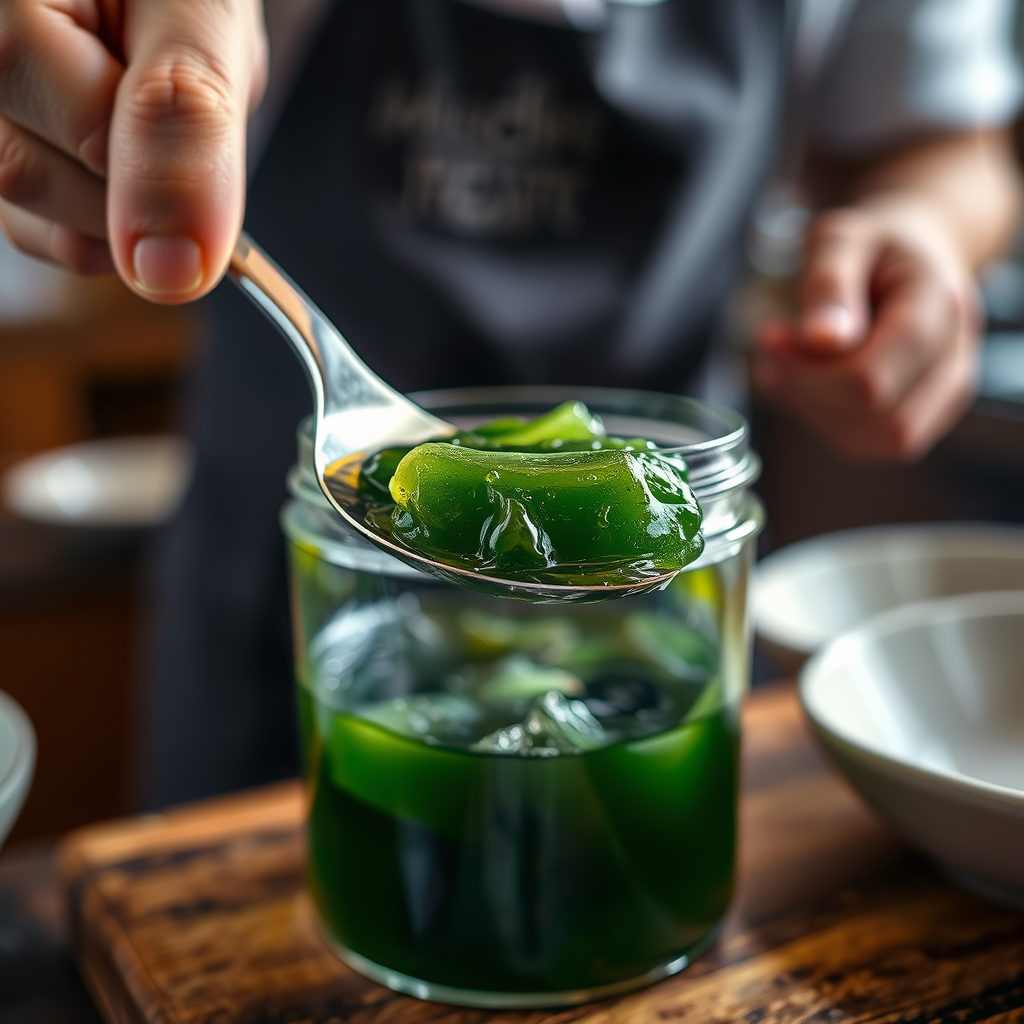
1. Gather Ingredients: Collect 100 grams of dried grass jelly leaves (Mesona chinensis), 1 liter of water, and optional sweeteners like honey or sugar to taste.
2. Rinse Leaves: Thoroughly rinse the dried grass jelly leaves under cold water to remove any impurities and debris.
3. Simmer the Leaves: In a saucepan, bring 1 liter of water to a boil. Add the rinsed grass jelly leaves and reduce the heat to a simmer. Allow it to simmer for 30 minutes, stirring occasionally.
4. Strain and Cool: After simmering, strain the mixture through a fine mesh sieve into a bowl to separate the liquid from the leaves. Allow the liquid to cool at room temperature before transferring it to the refrigerator.
5. Set the Jelly: Once the liquid is cool, transfer it to a mold or container. Place it in the refrigerator for at least 2-3 hours or until it sets completely.
6. Cut and Serve: When the jelly has set, cut it into your desired shapes or cubes. Serve chilled, optionally adding sweeteners or toppings as preferred.
Grass Jelly Nutritional Information (Per 100g)
| # | Nutrient | Amount | Daily Value (%) |
|---|---|---|---|
| 1 | Calories | 50 | |
| 2 | Carbohydrates | 12g | 4% |
| 3 | Dietary Fiber | 3g | 12% |
| 4 | Protein | 1g | 2% |
| 5 | Fat | 0g | |
| 6 | Calcium | 30mg | 3% |
| 7 | Iron | 0.5mg | 3% |
Warning Signs: When Not to Follow This

Certain conditions may indicate that making grass jelly is not advisable. If you are allergic to any plants in the mint family, including Mesona chinensis, refrain from attempting this recipe, as it could trigger an allergic reaction. Additionally, pregnant or nursing individuals should avoid making grass jelly, given that the effects of consuming herbal products during these times remain unclear. If you have previously experienced adverse reactions after consuming herbal teas or other herbal products, it is best to steer clear of this recipe, as it may signify a sensitivity or allergy.
The Most Common Mistakes (And Their Consequences)
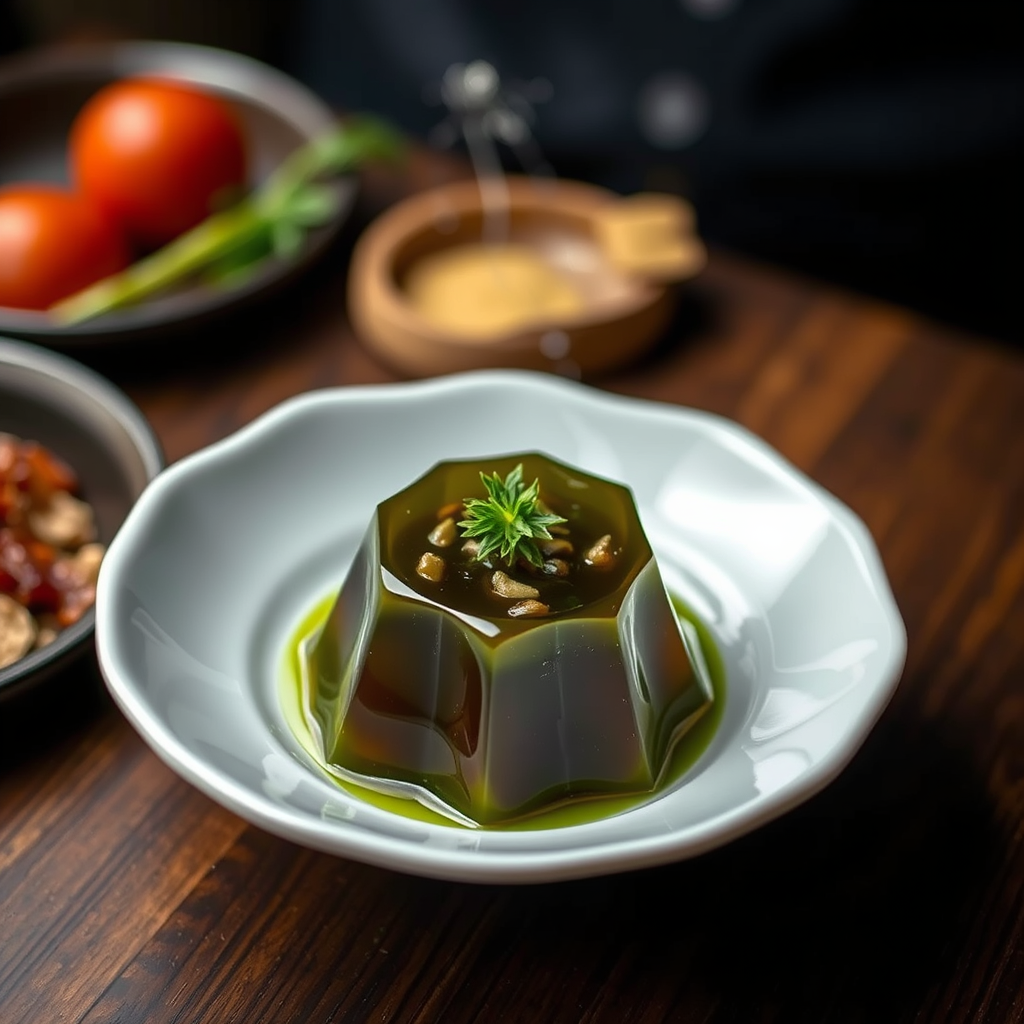
Several common pitfalls can compromise your grass jelly. Failing to rinse the dried leaves adequately can lead to a gritty texture, undermining the smooth mouthfeel that characterizes perfectly made grass jelly. Overcooking the leaves may result in a bitter taste, necessitating additional sweetening and masking the jelly’s natural flavor. Not allowing the jelly to cool completely before refrigerating can cause it to set improperly, resulting in a rubbery texture rather than the desired jelly consistency.
Special Cases That Need a Different Approach
Certain adjustments may be necessary for specific circumstances. For individuals living at high altitudes, the cooking time and water ratios might need modification due to changes in boiling points; consider extending the simmering time by an additional 10-15 minutes. If you opt to use fresh grass jelly leaves rather than dried, increase the quantity to about 150 grams and reduce the simmering time to around 20 minutes to prevent over-extraction of flavors. Those with dietary restrictions may want to substitute sweeteners; for example, using agave syrup or stevia can alter the flavor profile and should be added after the jelly has cooled.
When You Need a Professional
If you encounter any adverse reactions after consuming grass jelly or have uncertainties about the safety of your ingredients, consult a healthcare provider for guidance. It’s also wise to seek professional advice if you have pre-existing health conditions related to herbal consumption, such as liver issues or blood clotting disorders, as these may require tailored recommendations. Furthermore, if you are preparing grass jelly for a large gathering or event and have doubts about food safety practices, consider consulting a food safety expert to ensure compliance with health standards.
Sources and Further Reading
– “Medicinal Plants: A Compendium of Herbal Remedies” – An authoritative resource on the benefits and uses of various herbal plants, including Mesona chinensis.
– “The Art of Chinese Desserts: Traditional Recipes for Modern Chefs” – This book offers an in-depth look at traditional dessert preparation, including grass jelly.
– USDA Food Safety and Inspection Service guidelines – These provide insights into safe food handling and preparation methods applicable to homemade recipes like grass jelly.
By following this guide, you can confidently prepare grass jelly at home, creating a delightful and authentic addition to your dessert repertoire. Enjoy the process, and savor the unique flavors of this traditional treat!
Frequently Asked Questions
What ingredients do I need for a basic grass jelly recipe?
To make a basic grass jelly recipe, you will need 10 grams of grass jelly powder, 1 liter of water, and sugar to taste. Optionally, you can add pandan leaves for flavor and a pinch of salt to enhance the taste. These ingredients are essential for achieving the signature texture and flavor of grass jelly.
How do I prepare grass jelly from scratch?
To prepare grass jelly from scratch, dissolve the grass jelly powder in 1 liter of water over low heat, stirring continuously until it thickens. Pour the mixture into a mold and let it cool at room temperature before refrigerating it for at least an hour. Once set, cut the jelly into cubes and serve it chilled or with your favorite toppings.
Why is my grass jelly not setting properly?
If your grass jelly is not setting properly, it could be due to incorrect ratios of grass jelly powder to water or insufficient cooking time. Ensure you are using the right amount of powder and allow enough time for the mixture to thicken completely over low heat. Additionally, check the expiration date of your grass jelly powder, as old ingredients may not perform well.
What is the best way to serve grass jelly?
The best way to serve grass jelly is chilled, cut into cubes, and accompanied by sweetened coconut milk or syrup. You can also add toppings like fresh fruit, tapioca pearls, or crushed ice for a delightful dessert. This versatile jelly can also be used in beverages, adding a refreshing texture to drinks.
Which variations of grass jelly can I try at home?
You can try various grass jelly variations at home by infusing it with different flavors, such as matcha, chocolate, or fruit essences. Additionally, consider mixing it with ingredients like lychee, mango, or even adding it to bubble tea for a unique twist. Experimenting with different toppings and presentations can enhance your grass jelly experience.
References
- Grass jelly
https://en.wikipedia.org/wiki/Grass_jelly - Pitch as the Main Determiner of Italian Lexical Stress Perception Across the Lifespan: Evidence F…
https://www.ncbi.nlm.nih.gov/pmc/articles/PMC6611421/ - Fecal indicator bacteria and virus removal in stormwater biofilters: Effects of biochar, media sa…
https://www.ncbi.nlm.nih.gov/pmc/articles/PMC6760807/ - https://www.sciencedirect.com/science/article/pii/S2352901517300281
https://www.sciencedirect.com/science/article/pii/S2352901517300281 - https://www.britannica.com/topic/grass-jelly
https://www.britannica.com/topic/grass-jelly - https://www.theguardian.com/food/2020/jul/08/what-is-grass-jelly-how-to-make-it
https://www.theguardian.com/food/2020/jul/08/what-is-grass-jelly-how-to-make-it - Google Scholar Google Scholar
https://scholar.google.com/scholar?q=grass+jelly+recipe - Google Scholar Google Scholar
https://scholar.google.com/scholar?q=grass+jelly+health+benefits - Google Scholar Google Scholar
https://scholar.google.com/scholar?q=grass+jelly+ingredients - Alpha Receptor Agonist Toxicity – StatPearls – NCBI Bookshelf
https://www.ncbi.nlm.nih.gov/books/NBK500023/