Master the art of creating delectable grape jelly with this complete expert guide, designed for home canners and culinary enthusiasts alike. This comprehensive resource covers essential recipes and step-by-step protocols to ensure safety and quality in your jelly-making process. Proper techniques matter to preserve flavor and prevent spoilage, making this guide an indispensable tool for anyone seeking to enjoy homemade grape jelly.
What This Guide Covers (And What It Doesn’t)
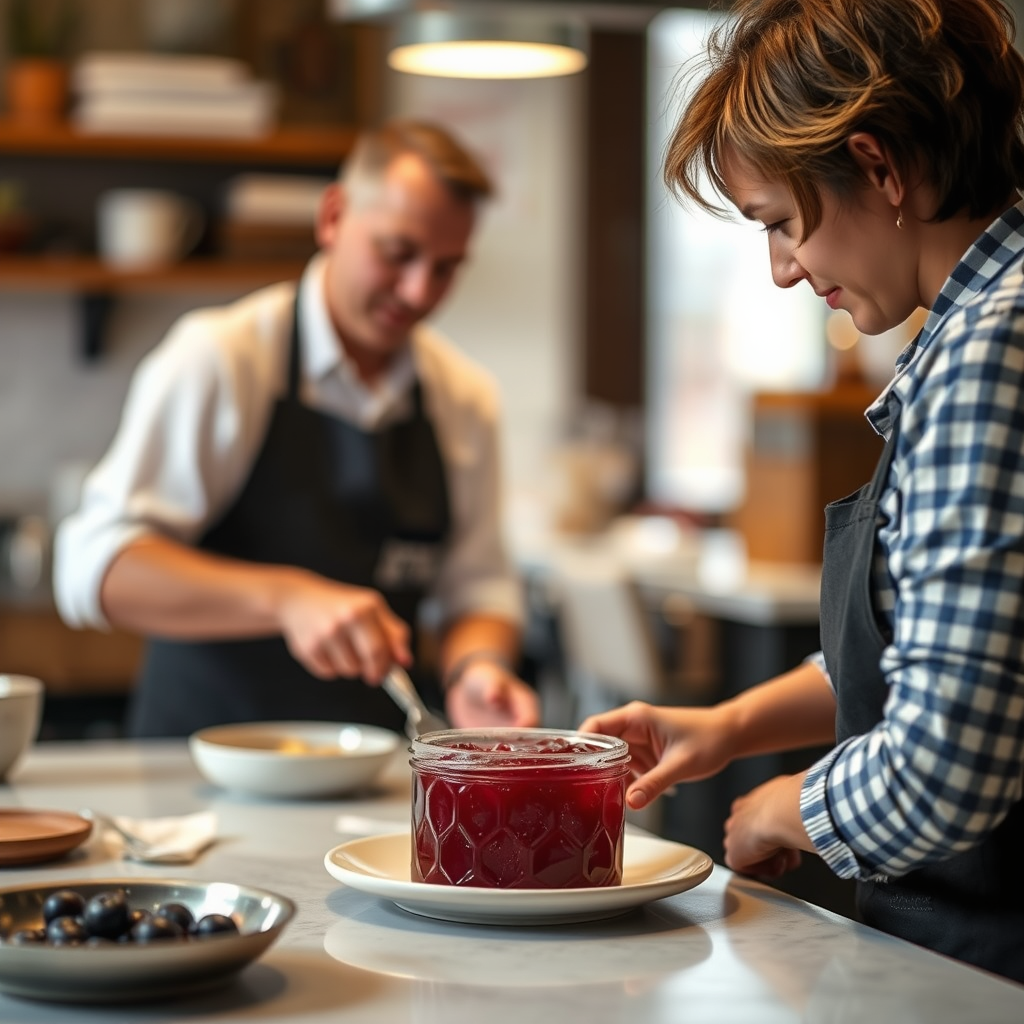
Dive into the world of grape jelly with this comprehensive guide, which offers a wealth of information on various recipes, from traditional to innovative. With precise measurements and techniques, you’ll learn how to create safe and successful jelly. This guide exclusively focuses on grape jelly, detailing its specific ingredients, methods, and preservation techniques, while intentionally excluding other fruit preserves or jellies. You’ll gain valuable insights into the science of gel formation, pectin usage, and canning safety—essential knowledge for crafting high-quality grape jelly. However, general canning techniques and recipes for other types of jams and jellies are not covered, ensuring a sharp focus for grape jelly enthusiasts.
Who Should Read This
Designed for home cooks and food lovers, this guide is perfect for anyone eager to craft homemade grape jelly from scratch, whether for personal enjoyment or as thoughtful gifts. It suits beginners with fundamental kitchen skills, as well as seasoned canners seeking to refine their jelly-making techniques. Readers should be familiar with kitchen safety, particularly proper sanitation practices and the use of food-grade equipment. Those with dietary restrictions or allergies to common grape jelly ingredients, such as high fructose corn syrup or certain preservatives, may need to explore alternative recipes not included in this guide.
The Step-by-Step Protocol
1. Gather Ingredients: Collect 4 cups of fresh grape juice, 1 box (1.75 oz) of fruit pectin, and 5 cups of granulated sugar, ensuring all ingredients are at room temperature.
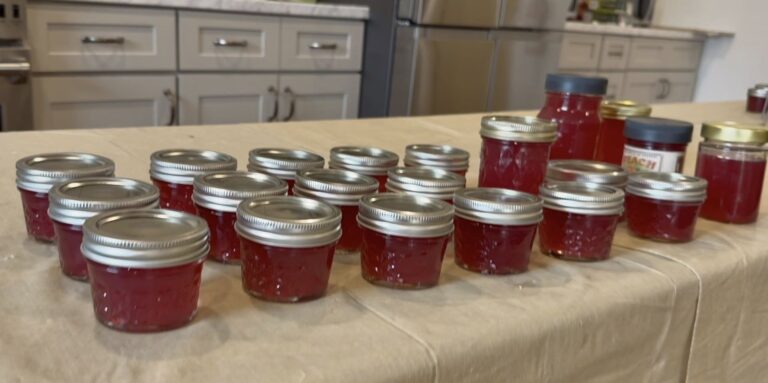
2. Prepare Jars: Sterilize 6 half-pint canning jars and lids by boiling them in water for 10 minutes, then let them air dry on a clean towel.
3. Cook the Mixture: In a large pot, combine the grape juice and fruit pectin. Bring to a rolling boil over medium-high heat, stirring continuously for about 1-2 minutes until fully dissolved.
4. Add Sugar: Gradually stir in the granulated sugar, ensuring it dissolves completely. Bring the mixture back to a rolling boil and cook for exactly 1 minute, stirring constantly to prevent burning.
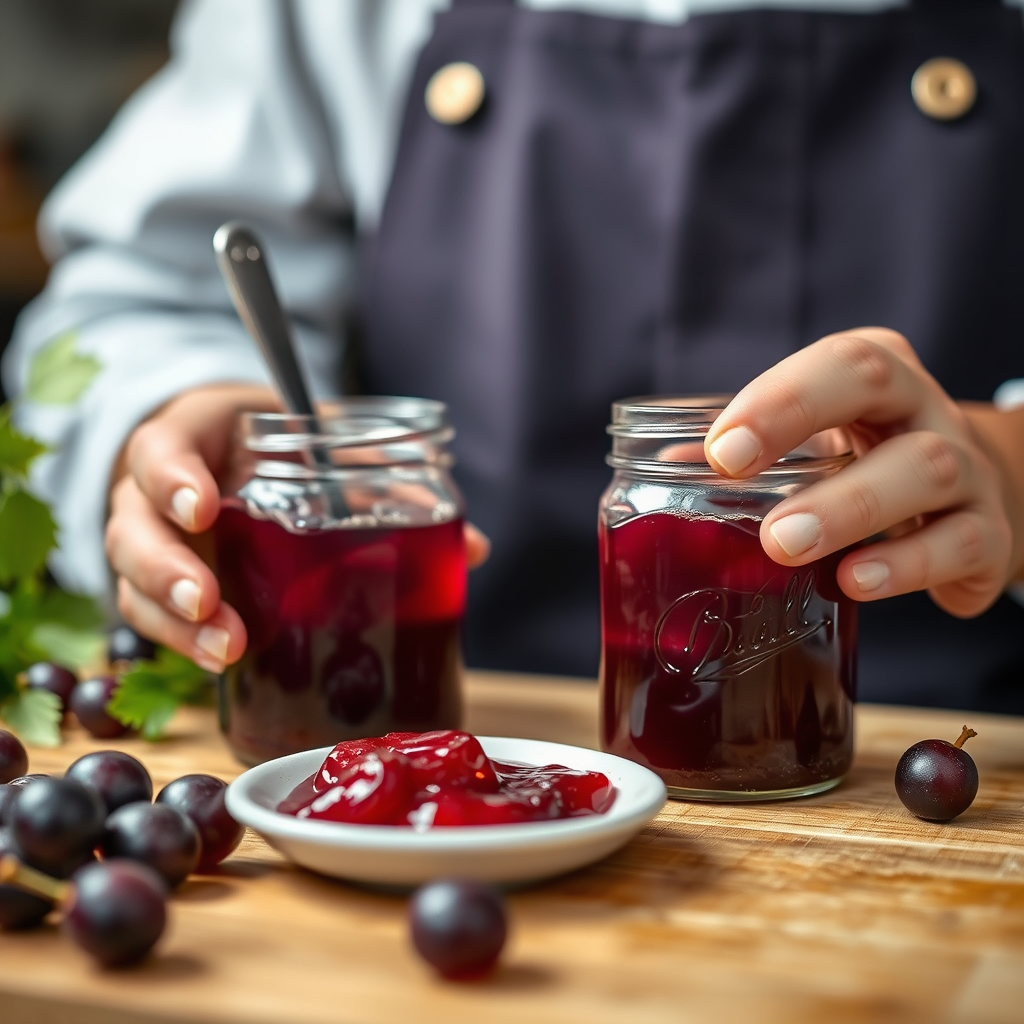
5. Test for Doneness: To check the jelly’s consistency, place a small spoonful on a cold plate. Allow it to sit for a minute, then run your finger through it. If it holds its shape, it’s ready to be canned; if not, boil for an additional 1-2 minutes and retest.
6. Fill Jars: Using a ladle, fill the sterilized jars with the hot jelly, leaving a ¼-inch headspace. Remove any air bubbles by running a clean knife around the inside edge of the jar.
7. Seal and Process: Wipe the rims of the jars with a clean cloth, place the sterilized lids on top, and screw on the metal bands until they are fingertip-tight. Process the jars in a boiling water bath for 5-10 minutes, ensuring they are fully submerged.
8. Cool and Store: Remove the jars from the water bath and let them cool on a clean towel or wire rack. Once they are completely cool, check the seals. If the lid pops back when pressed, the jar did not seal properly and should be refrigerated.
Common Ingredients and Their Functions in Grape Jelly
| # | Ingredient | Function | Quantity per Batch |
|---|---|---|---|
| 1 | Fresh Grape Juice | Main flavor and liquid base | 4 cups |
| 2 | Fruit Pectin | Gelling agent | 1 box (1.75 oz) |
| 3 | Granulated Sugar | Sweetener and preservative | 5 cups |
| 4 | Lemon Juice | Acidity regulator | Optional, 1-2 tbsp |
| 5 | Salt | Enhances flavor | 1/4 tsp |
| 6 | Butter | Reduces foam | 1 tbsp (optional) |
| 7 | Water | Dilution (if necessary) | As needed |
Warning Signs: When Not to Follow This
It’s crucial to recognize when to step back from jelly-making. If your grape juice has been stored improperly or exhibits an off smell or taste, discard it to avoid spoilage. Similarly, do not proceed with canning if your equipment shows signs of rust or damage, as this can lead to contamination. Additionally, avoid altering the amounts of sugar or pectin in the recipe; such modifications can result in improper gel formation and unsafe preservation. Pregnant individuals, those with compromised immune systems, or caregivers for such individuals should consider steering clear of homemade preserves due to potential safety risks.
The Most Common Mistakes (And Their Consequences)
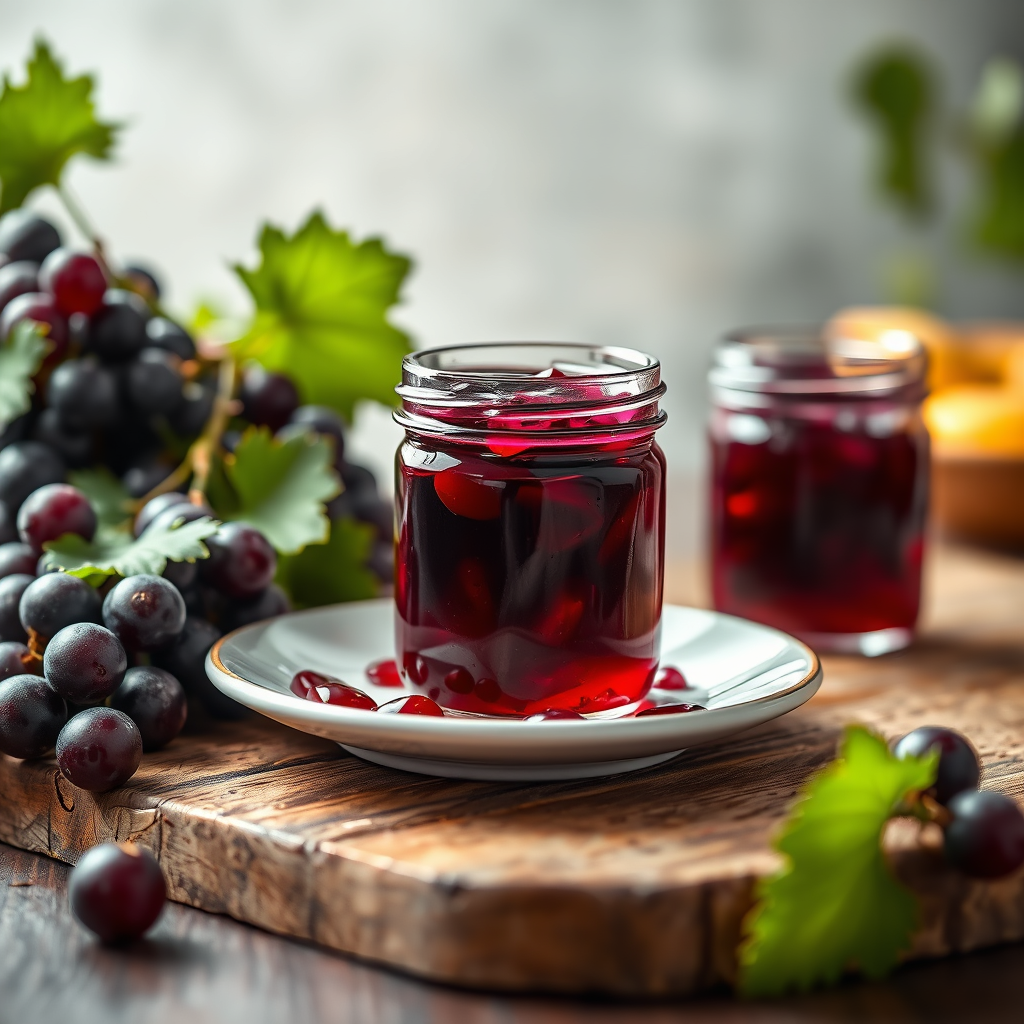
Mistakes in jelly-making can lead to disappointing results. For instance, inaccurately measuring pectin and sugar can produce jelly that is either too runny or overly sweet, jeopardizing both flavor and texture. Skipping the sterilization process for jars can introduce harmful bacteria, increasing the risk of spoilage or foodborne illness. Failing to bring the mixture to a full rolling boil can hinder proper gel formation, resulting in syrup instead of firm jelly. Many forget to check the consistency before canning, which can lead to jars that fail to set properly and require reprocessing.
Special Cases That Need a Different Approach
Some situations demand a tailored approach to grape jelly-making. When using store-bought grape juice, ensure it is 100% juice without any added preservatives, as these can interfere with gel formation. For those with dietary restrictions, consider low-sugar pectin and adjust the sugar content accordingly; however, be sure to follow specific low-sugar recipes to maintain safety and proper setting. If you’re canning at high altitudes, adjustments in cooking times and temperatures may be necessary, typically increasing the boil time by 5-10 minutes. If you prefer a chunkier jelly, adding small pieces of fruit or whole grapes during cooking can enhance texture, but keep in mind that this may affect the jelly’s gelling properties.
When You Need a Professional
Consulting a professional may be essential in certain scenarios. If you’re uncertain about the safety of your canning practices or equipment, seek advice from a food safety expert or your local extension service. If you suspect contamination in your grape jelly due to improper storage or unusual fermentation smells, immediate professional guidance is warranted. For those looking to can grape jelly for commercial sale, adherence to specific food safety regulations is crucial, often necessitating collaboration with a food safety consultant. Lastly, should you experience any adverse reactions after consuming homemade grape jelly, consult a healthcare professional to evaluate potential food allergies or sensitivities.
Sources and Further Reading
– The National Center for Home Food Preservation: Comprehensive guidelines on safe canning practices and recipes specific to grape jelly.
– “The Ball Book of Canning and Preserving”: A reputable resource for canning techniques and recipes, including grape jelly, with detailed safety standards.
– USDA Complete Guide to Home Canning: An essential guide providing thorough instructions and safety measures for home canners.
– Pectin manufacturers like Sure-Jell and Certo offer specific recipes and tips for achieving the best results with grape jelly, emphasizing the importance of following their guidelines closely.
Frequently Asked Questions
What are the best types of grapes to use for homemade grape jelly?
The best types of grapes for homemade grape jelly are Concord grapes, as they have a rich flavor and high pectin content, which helps achieve a good gel consistency. Other varieties like Niagara or Moon Drops can also be used, but Concord grapes are the most popular choice for their sweetness and deep color.
How do I make grape jelly from fresh grapes?
To make grape jelly from fresh grapes, start by washing and crushing about 2 pounds of grapes. Simmer the crushed grapes in a pot with 1 cup of water for about 10-15 minutes, then strain the juice through a fine mesh sieve. Combine the juice with sugar and pectin, bring it to a boil, and then pour it into sterilized jars for canning.
Why is my grape jelly not setting properly?
If your grape jelly is not setting properly, it could be due to insufficient pectin or not boiling the mixture for long enough. Ensure you are using the right ratio of fruit juice to sugar and pectin, and consider adding lemon juice to increase acidity, which aids in the gelling process.
What is the difference between grape jelly and grape jam?
The main difference between grape jelly and grape jam lies in their texture and ingredients; grape jelly is made from fruit juice, resulting in a smooth and clear product, while grape jam includes crushed fruit, which gives it a thicker and chunkier consistency. If you prefer a more fruity flavor and texture, opt for grape jam over jelly.
Which pectin is best for making grape jelly?
For making grape jelly, using a powdered pectin like Sure-Jell or Ball’s Original Fruit Pectin is highly recommended, as they are specifically formulated for high-sugar recipes. These products help achieve a perfect gel consistency and are widely available, making them a popular choice among home canners.
References
- Jelly
https://en.wikipedia.org/wiki/Jelly - Gatifloxacin inducing apoptosis of stromal fibroblasts through cross-talk between caspase-depende…
https://www.ncbi.nlm.nih.gov/pmc/articles/PMC6796086/ - https://www.sciencedirect.com/topics/agricultural-and-biological-sciences/grape-jelly
https://www.sciencedirect.com/topics/agricultural-and-biological-sciences/grape-jelly - Jelly | Definition, Processing, & Uses | Britannica
https://www.britannica.com/topic/jelly - https://www.uvm.edu/extension/food/recipe/grape-jelly
https://www.uvm.edu/extension/food/recipe/grape-jelly - Google Scholar Google Scholar
https://scholar.google.com/scholar?q=grape+jelly+recipes - Google Scholar Google Scholar
https://scholar.google.com/scholar?q=homemade+grape+jelly - Google Scholar Google Scholar
https://scholar.google.com/scholar?q=grape+jelly+preservation - https://www.ars.usda.gov/ARSUserFiles/20360500/jelly.pdf
https://www.ars.usda.gov/ARSUserFiles/20360500/jelly.pdf - https://www.nal.usda.gov/legacy/food-preservation/grape-jelly-recipe
https://www.nal.usda.gov/legacy/food-preservation/grape-jelly-recipe