Mastering grape jam recipes requires precise techniques and safety protocols to ensure delicious, safe results. This expert guide provides step-by-step instructions and essential tips for making grape jam, focusing on proper sterilization, ingredient selection, and cooking methods. Following these guidelines is crucial not only for flavor but also for food safety, making this resource indispensable for both novice and seasoned jam makers.
What This Guide Covers (And What It Doesn’t)

This guide offers comprehensive procedures for making grape jam at home, with a focus on both traditional and pectin-based recipes. Inside, you’ll find precise ingredient ratios, a list of necessary equipment, and vital canning safety tips to ensure successful preservation. Our goal is to empower you with the knowledge to craft delicious grape jam safely.
However, this guide does not address grape jelly, grape preserves, or any recipes unrelated to jam. Additionally, it steers clear of commercial grape jam production methods, centering instead on home cooks eager to create their own grape jam.
Who Should Read This
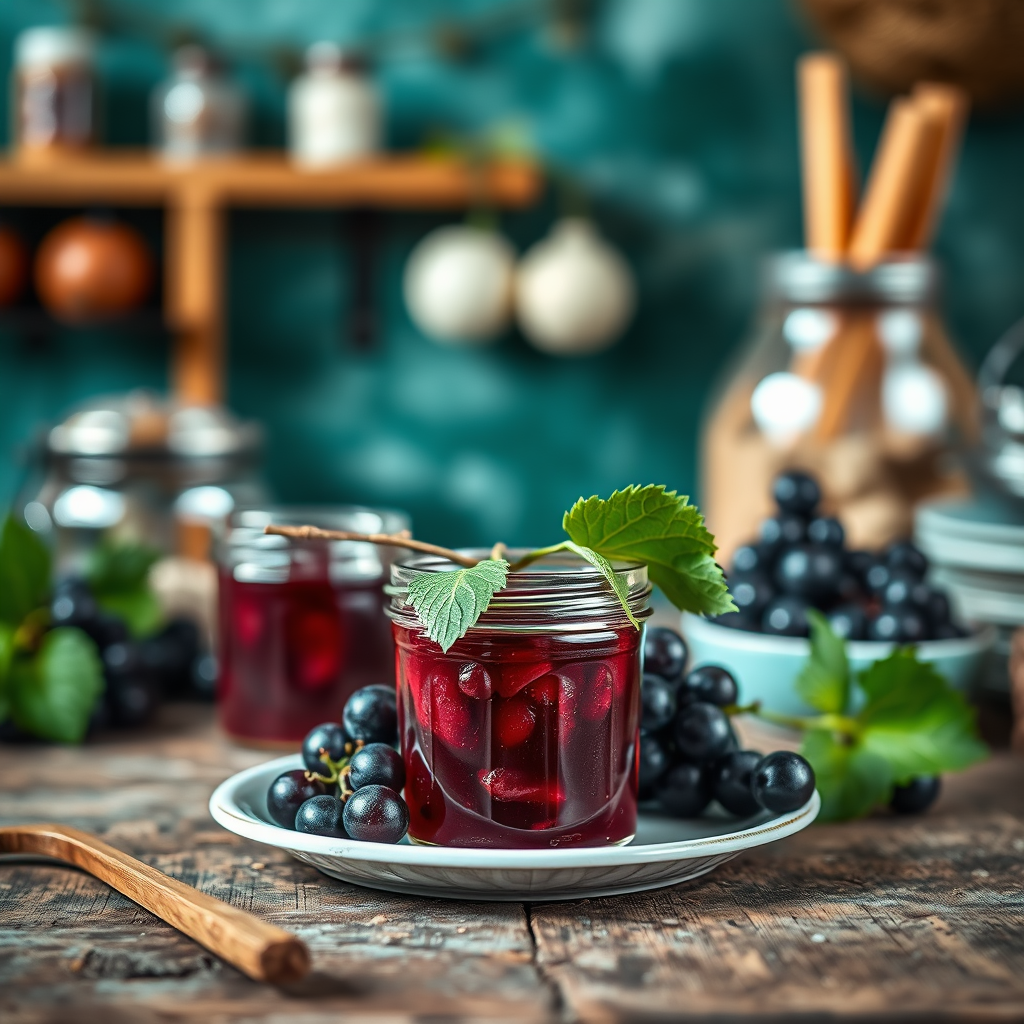
This guide is designed for home cooks who already have a foundational understanding of food preservation techniques and wish to enhance their skills specifically in jam-making. Access to fresh grapes or grape juice, alongside a desire to utilize seasonal ingredients for homemade preserves, is essential. This guide may not be suitable for novice cooks without prior experience in kitchen safety or food preservation, as it assumes a basic knowledge of canning practices.
The Step-by-Step Protocol

1. Gather Ingredients: Collect 4 cups of fresh grapes, 1 cup of granulated sugar, and 1 tablespoon of lemon juice. Ensure that the grapes are ripe, firm, and free from mold or spoilage.
2. Prepare Equipment: Sterilize your jars and lids by boiling them in water for at least 10 minutes. You will need a large pot for cooking the jam, a ladle for filling jars, and a boiling water canner to process the jars.
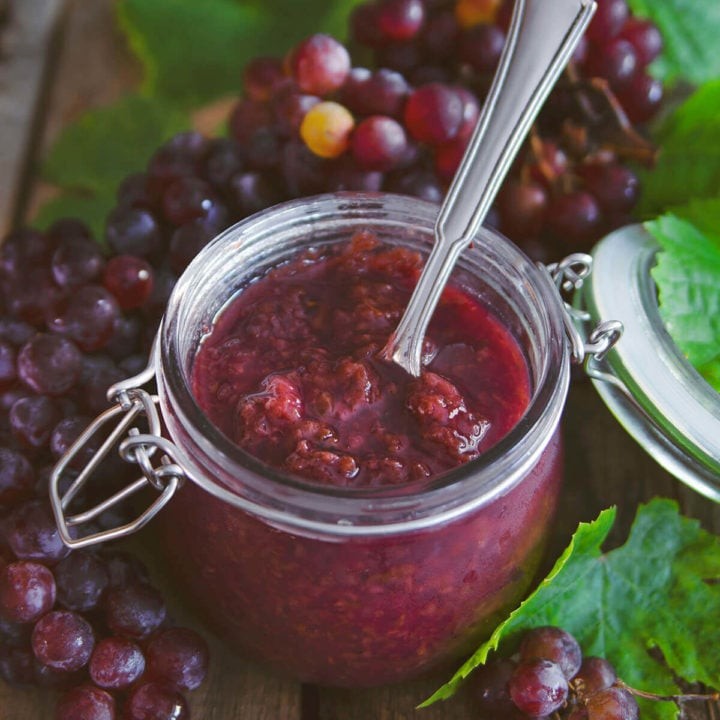
3. Cook the Jam: Begin by crushing the grapes in a large pot using a potato masher or a similar tool. Once crushed, add the sugar and lemon juice to the pot. Heat the mixture over medium heat while stirring continuously. Allow it to reach a rolling boil, then maintain this boil for 10 minutes. The acidity from the lemon juice will help balance the sweetness and enhance the flavor.
4. Test for Consistency: After boiling, perform the spoon test. Place a spoonful of the hot jam on a cold plate; let it sit for a minute. If the jam holds its shape and does not run, it is ready for canning. If it appears too runny, return it to the heat and boil for an additional 5 minutes, then retest.
5. Fill Jars and Seal: Ladle the hot jam into the sterilized jars, leaving about 1/4 inch of headspace at the top. Wipe the rims of the jars with a clean, damp cloth to ensure a good seal. Place the sterilized lids on each jar and secure them with metal bands. Process the jars in a boiling water canner for 10 minutes to ensure they are sealed properly and to eliminate any potential bacteria.
Warning Signs: When Not to Follow This
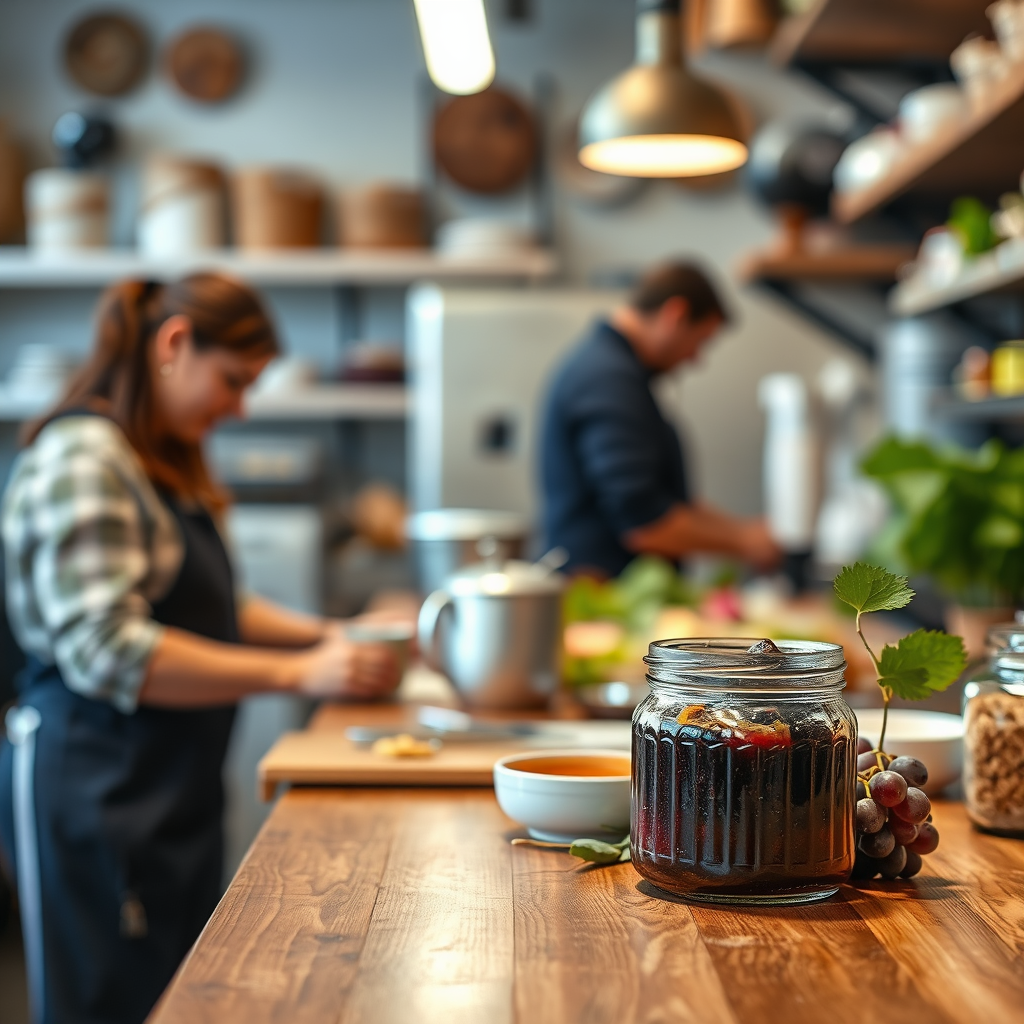
Do not attempt to make grape jam if the grapes are overripe, shriveled, or exhibit visible mold. Using compromised fruit can lead to spoilage, impacting both the taste and safety of the jam. Furthermore, avoid making grape jam if you lack essential canning equipment, such as a boiling water canner or sterilized jars. Improper canning techniques can result in botulism, a serious foodborne illness.
If you are unfamiliar with safe canning processes or have any doubts about the steps, do not proceed until you have acquired the necessary skills and resources to do so safely.
The Most Common Mistakes (And Their Consequences)
– Incorrect Sugar Ratios: Using insufficient sugar will likely result in jam that does not set properly, creating a syrupy consistency rather than a spreadable product. Always adhere to the recommended sugar ratios for the best results.
– Insufficient Sterilization: Failing to adequately sterilize jars can introduce bacteria, leading to spoilage and potential foodborne illnesses. Always ensure jars are boiled before filling.
– Ignoring Boiling Times: Not boiling the jam long enough can lead to a final product that is too runny, while overcooking can caramelize the sugars, negatively altering both flavor and texture. Precision in timing is essential.
Special Cases That Need a Different Approach
– Using Different Grape Varieties: If you’re working with less sweet or more tart grape varieties, such as Concord grapes versus Thompson Seedless, you may need to adjust the sugar content to achieve the desired sweetness and acidity. Taste testing during the cooking process can help you find the right balance.
– Low-Sugar Alternatives: If you prefer to use low-sugar pectin, follow the specific instructions provided with the pectin package, as this may change your cooking times and sugar ratios significantly. Always check the manufacturer’s guidelines.
– Allergy Considerations: If someone in your household has a fruit allergy, consider using grape juice instead of whole grapes. Adjust the recipe accordingly, typically using about 2 cups of juice for every 4 cups of grapes, to maintain the flavor and consistency of the jam.
When You Need a Professional
If you notice signs of fermentation in your sealed jars, such as bulging lids or a foul odor upon opening, it is essential to discard the jam and consult a food safety expert immediately. Consuming spoiled products can pose serious health risks.
For persistent questions regarding canning methods or adjustments for special dietary needs, reach out to a certified food preservation educator. They can provide tailored advice to ensure your processes are safe and effective.
If you are considering preserving large batches of grape jam for commercial purposes, consult with a food safety specialist to ensure compliance with local health regulations. They will guide you through necessary inspections and certifications to keep your production safe and legal.
Sources and Further Reading
– “Canning and Preserving for Beginners” by Carla Emery offers foundational knowledge on home canning techniques and serves as a practical guide for novices and experienced cooks alike.
– The USDA’s Complete Guide to Home Canning serves as a comprehensive resource for safe canning practices, providing a wealth of information on various preservation methods.
– The National Center for Home Food Preservation website is an excellent resource, frequently updated with information on safe canning methods, troubleshooting tips, and seasonal preservation advice.
By following this guide, you can confidently create delicious grape jam at home, bringing the vibrant flavors of fresh grapes to your pantry and enriching your culinary repertoire.
Frequently Asked Questions
What are the best grape varieties for making jam?
The best grape varieties for making jam include Concord, Thompson Seedless, and Niagara grapes. Concord grapes are particularly favored for their rich, sweet flavor and high pectin content, making them ideal for jam. Thompson Seedless provides a milder taste, while Niagara grapes offer a floral aroma that can enhance the overall flavor profile of your grape jam.
How do I make homemade grape jam without pectin?
To make homemade grape jam without pectin, start by crushing fresh grapes and cooking them in a pot with sugar and a splash of lemon juice. Simmer the mixture until it thickens, usually taking about 30-45 minutes, stirring frequently to prevent burning. The natural pectin in the grapes will help achieve the desired consistency, and it’s important to test the jam by placing a spoonful on a cold plate to check for firmness.
Why is my grape jam runny, and how can I fix it?
A runny grape jam often indicates insufficient cooking time or not enough natural pectin in the grapes. To fix this, you can return the jam to the stove, add a bit more sugar, and cook it longer until it reaches the desired thickness. Alternatively, using a commercial pectin product can help achieve the right consistency if you’re struggling with natural methods.
What are some creative uses for grape jam besides spreading on toast?
Grape jam can be creatively used in various ways beyond spreading it on toast. Consider using it as a glaze for meats like chicken or pork, mixing it into yogurt or oatmeal for added flavor, or incorporating it into dessert recipes, such as filling for pastries or swirl in cheesecake. The versatility of grape jam makes it a fantastic ingredient for both sweet and savory dishes.
Which kitchen tools are essential for making grape jam at home?
Essential kitchen tools for making grape jam at home include a heavy-bottomed pot for even heat distribution, a potato masher or food processor for crushing grapes, and a ladle for filling jars. Additionally, having canning jars with lids, a funnel for mess-free pouring, and a thermometer to check the jam’s temperature can make the process smoother and ensure your jam sets perfectly.
References
- Fruit preserves
https://en.wikipedia.org/wiki/Jam - https://www.ncbi.nlm.nih.gov/pmc/articles/PMC6701966/
https://www.ncbi.nlm.nih.gov/pmc/articles/PMC6701966/ - https://www.ncbi.nlm.nih.gov/pmc/articles/PMC7822031/
https://www.ncbi.nlm.nih.gov/pmc/articles/PMC7822031/ - https://www.sciencedirect.com/science/article/pii/S0308814619301963
https://www.sciencedirect.com/science/article/pii/S0308814619301963 - https://www.bbc.co.uk/food/recipes/grape_jam_82368
https://www.bbc.co.uk/food/recipes/grape_jam_82368 - https://www.mayoclinic.org/healthy-lifestyle/nutrition-and-healthy-eating/in-depth/jams-and-jellies/art-20046250
https://www.mayoclinic.org/healthy-lifestyle/nutrition-and-healthy-eating/in-depth/jams-and-jellies/art-20046250 - https://www.foodnetwork.com/recipes/articles/what-is-jam
https://www.foodnetwork.com/recipes/articles/what-is-jam - Google Scholar Google Scholar
https://scholar.google.com/scholar?q=grape+recipes+jam - Google Scholar Google Scholar
https://scholar.google.com/scholar?q=making+grape+jam - Google Scholar Google Scholar
https://scholar.google.com/scholar?q=grape+preservation+techniques