Master the art of creating grape jam and jelly with this complete expert guide that provides precise recipes and essential safety protocols. Designed for both novice and seasoned home cooks, this guide ensures your preserves not only taste exceptional but are also safely prepared. Following the right techniques is crucial to avoid spoilage and enhance flavor, making this resource indispensable for any kitchen. Dive in to elevate your canning skills and enjoy the rich, fruity goodness of homemade grape preserves.
What This Guide Covers (And What It Doesn’t)
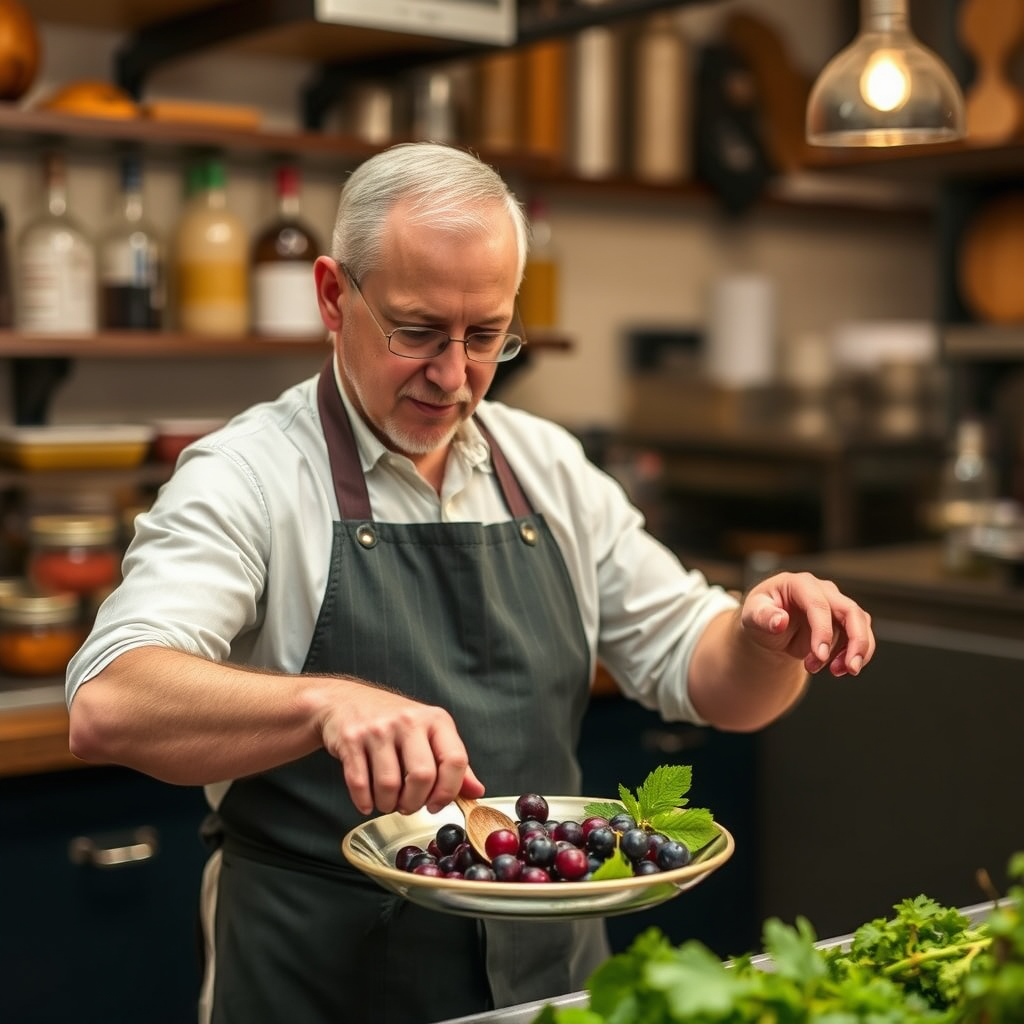
This guide provides detailed instructions for safely making grape jam and jelly, focusing on ingredient ratios, cooking times, and preservation techniques specific to grape fruits. You will discover various grape varieties suitable for jam and jelly, including Concord, Niagara, and red globe grapes, along with insights on how their distinct flavors impact the final product. While this guide offers a thorough approach to grape preserves, it intentionally excludes unrelated fruit preserves and advanced canning techniques that extend beyond the basics of home jam and jelly making.
Who Should Read This
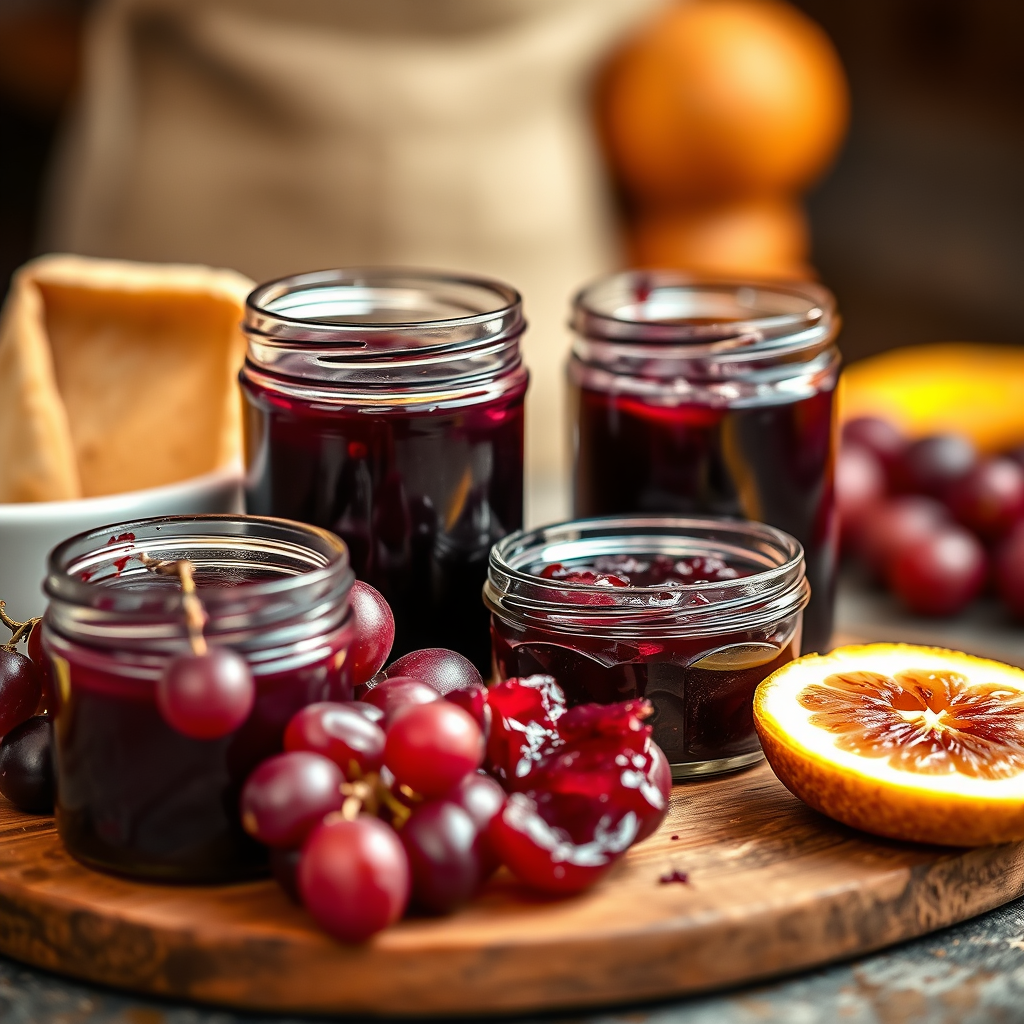
This guide is designed for home cooks with basic kitchen skills who are eager to learn the art of making grape jam and jelly from scratch. Readers should have a general understanding of cooking terminology and be familiar with essential kitchen equipment, such as boiling water canners, jars, and pectin. Although designed for beginners, experienced preservers may find value in the specific grape varietal recommendations and troubleshooting sections.
The Step-by-Step Protocol
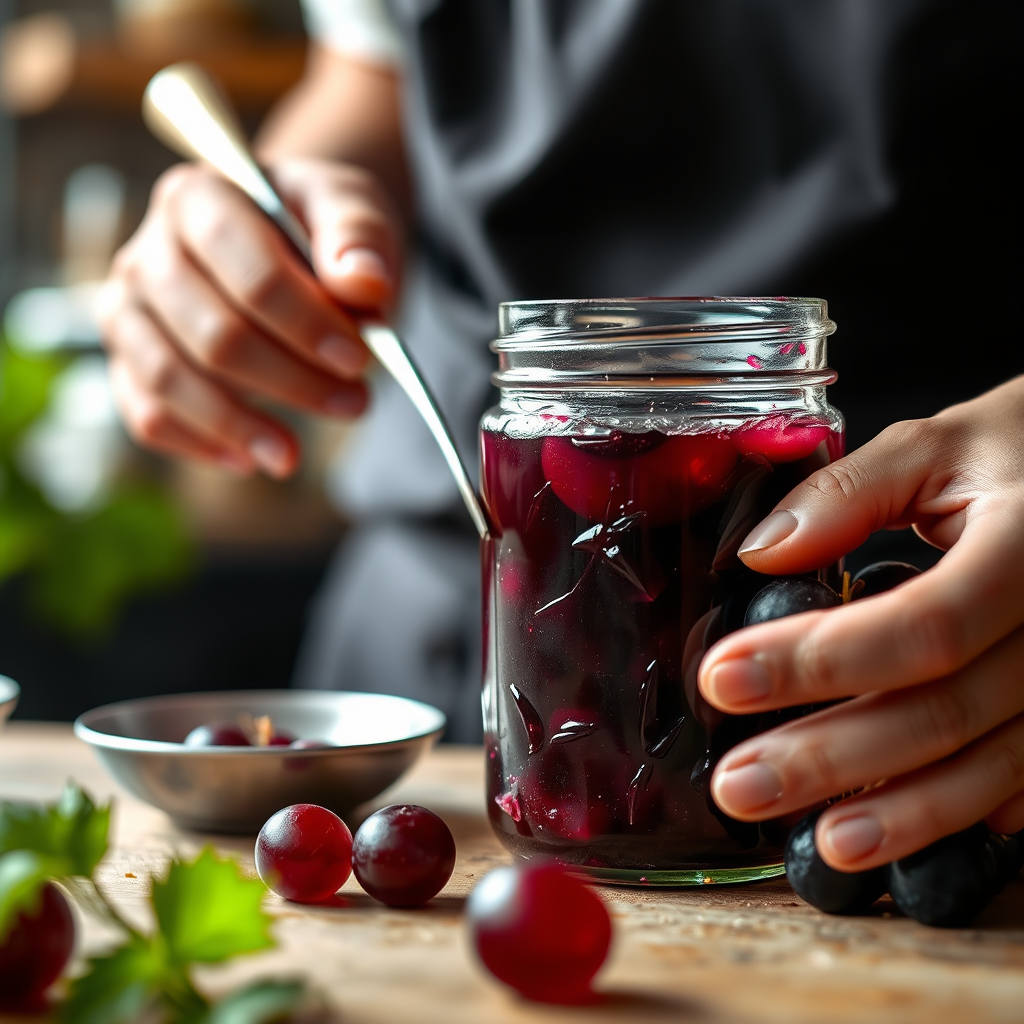
1. Select Your Grapes: Choose 2 to 3 pounds of ripe grapes; Concord grapes yield the best flavor for jam. Wash the grapes thoroughly and remove any stems or leaves.
2. Prepare the Juice: Crush the grapes in a large pot, adding 1 cup of water to facilitate juice extraction. Bring the mixture to a boil over medium heat, then reduce the heat and simmer for approximately 10 minutes. This process helps release the natural juices. After simmering, strain the mixture through a fine mesh sieve or cheesecloth to extract the juice, discarding the solids.
3. Measure Ingredients: For every 4 cups of grape juice obtained, add 1 package (1.75 oz) of fruit pectin and 5 cups of granulated sugar. Stir the mixture well to ensure the pectin is evenly distributed before boiling.
4. Cook the Mixture: Bring the mixture to a rolling boil over medium-high heat, stirring constantly to prevent sticking. Maintain this boil for exactly 1 minute, then remove the pot from heat. Skim off any foam that forms on the surface to ensure a clear final product.
5. Jar and Seal: Carefully pour the hot grape jam or jelly into sterilized jars, leaving a 1/4 inch headspace at the top of each jar. Wipe the rims of the jars with a clean, damp cloth to remove any residue. Seal the jars with lids according to the manufacturer’s instructions. Process the jars in a boiling water bath for 5 to 10 minutes, adjusting the time based on your altitude — refer to local guidelines for specifics.
Warning Signs: When Not to Follow This
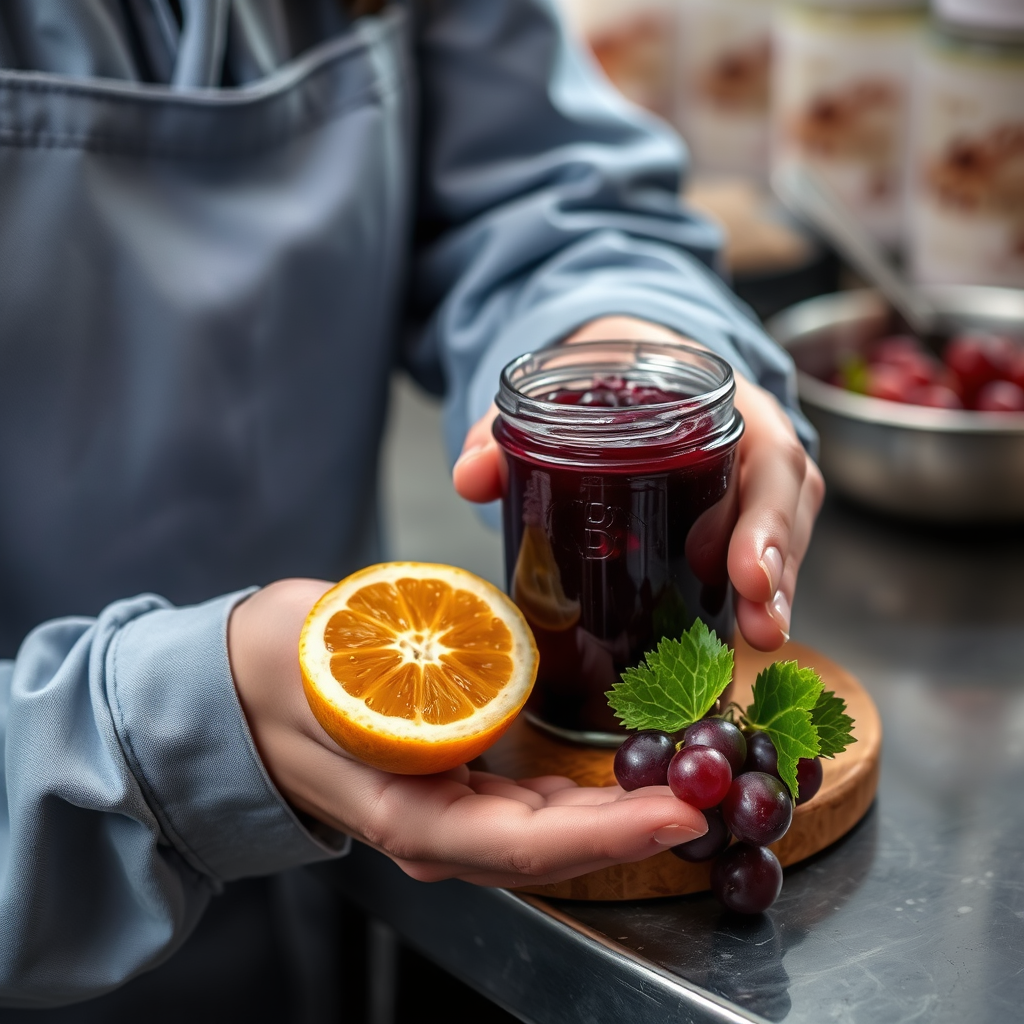
Avoid making grape jam or jelly if your grapes show signs of mold, excessive softness, or fermentation; these issues can lead to spoilage. If you are unfamiliar with the canning process and do not possess the proper equipment (such as a canner or thermometer), it is advisable not to attempt home canning. Additionally, if you have allergies to any ingredients, such as pectin or sugar substitutes, do not proceed without a proper understanding of alternatives and their effects.
The Most Common Mistakes (And Their Consequences)
– Incorrect Pectin Use: Utilizing a non-recommended pectin can lead to jam that fails to set properly, resulting in a syrupy texture instead of a spreadable consistency. Always verify that the pectin you choose is suitable for grape preserves.
– Improper Sterilization: Neglecting to sterilize jars adequately can introduce bacteria, leading to spoilage. Always ensure jars are boiled for at least 10 minutes prior to filling.
– Ignoring Hot Water Bath Times: Skipping or shortening the processing time can result in unsafe preservation. Always adhere to recommended times to prevent bacterial growth and ensure the safety of your preserved food.
Special Cases That Need a Different Approach
– If using low-sugar or sugar-free pectin, follow the package instructions for ratios and cooking times, as these differ significantly from traditional pectin. These pectins often require the addition of more acid to assist with gelling.
– For those with dietary restrictions, such as diabetes, consider using fruit juice or alternative sweeteners instead of granulated sugar. Recipes will require specific adjustments to achieve the desired consistency and flavor.
– If using exotic grape varieties or hybrid grapes, conduct thorough research on their pectin content and acidity levels, as they may necessitate adjustments in cooking times or pectin amounts to ensure successful gel formation.
When You Need a Professional
If you are unsure about the safety of your canning process or have experienced spoilage, consult a food preservation expert for guidance on safe practices. In cases of severe allergies or dietary restrictions, contact a registered dietitian to ensure that your grape jam or jelly recipes suit your health needs. If you are considering large-scale production or sales of grape jam and jelly, engage a food safety professional to comply with local health regulations and ensure your products meet safety standards.
Sources and Further Reading
– Ball Blue Book of Canning: This comprehensive resource provides home canning techniques and recipes, including grape jam and jelly.
– USDA Complete Guide to Home Canning: An official guideline outlining safe canning practices, including specific instructions for fruit preserves.
– National Center for Home Food Preservation: Offers research-based information on food preservation, including troubleshooting tips for grape jelly and jam recipes.
By following these guidelines, you will be well on your way to mastering the delicious craft of grape jam and jelly making. Embrace the process, and savor the fruits of your labor.
Frequently Asked Questions
What are the key ingredients for making grape jam jelly?
The key ingredients for making grape jam jelly include fresh grapes, sugar, pectin, and lemon juice. Fresh grapes provide the essential flavor and natural pectin, while sugar not only sweetens the jam but also helps with preservation. Pectin is crucial for achieving the desired jelly consistency, and lemon juice adds acidity, enhancing flavor and aiding the gelling process.
How do I properly prepare grapes for jam and jelly recipes?
To prepare grapes for jam and jelly, start by washing them thoroughly under running water to remove any dirt or pesticides. Next, remove the stems and mash the grapes to release their juices. For jelly, strain the mixture through a fine mesh to separate the juice from the skins and seeds, as this will ensure a smooth texture in your final product.
Why is pectin important in grape jam and jelly making?
Pectin is essential in grape jam and jelly making because it acts as a thickening agent that helps the mixture gel. Without sufficient pectin, your jam or jelly may turn out runny instead of having the desired spreadable consistency. Many recipes recommend using commercial pectin for reliable results, especially if you’re using low-pectin grapes.
What is the best method for canning grape jam jelly at home?
The best method for canning grape jam jelly at home is to use the water bath canning technique. After preparing your jam or jelly, ladle it into sterilized jars, leaving about a quarter-inch headspace. Process the jars in a boiling water bath for the recommended time to ensure a proper seal and prevent spoilage, ensuring your homemade grape jam jelly lasts for months.
Which grape varieties are best for making jam and jelly?
The best grape varieties for making jam and jelly include Concord, Niagara, and Muscadine grapes due to their naturally high sugar content and rich flavor. Concord grapes are especially popular for their intense sweetness and full-bodied taste, while Niagara grapes offer a lighter, floral flavor. Using these varieties will enhance the overall taste and quality of your homemade grape jam jelly.
References
- Fruit preserves
https://en.wikipedia.org/wiki/Jam - https://www.extension.purdue.edu/extmedia/FS/FS-15-W.pdf
https://www.extension.purdue.edu/extmedia/FS/FS-15-W.pdf - https://www.uga.edu/recipes/sweet-and-tart-grape-jam
https://www.uga.edu/recipes/sweet-and-tart-grape-jam - https://www.freshpreserving.com/recipes/grape-jam-5025081.html
https://www.freshpreserving.com/recipes/grape-jam-5025081.html - Grape jam foods
https://www.nutritionvalue.org/Grape_jam_nutritional_value.html - https://www.nutrition.gov/topics/food-safety/preservation/jams-jellies
https://www.nutrition.gov/topics/food-safety/preservation/jams-jellies - Google Scholar Google Scholar
https://scholar.google.com/scholar?q=grape+jam+jelly+recipes - Google Scholar Google Scholar
https://scholar.google.com/scholar?q=grape+preservation+techniques - Google Scholar Google Scholar
https://scholar.google.com/scholar?q=grape+jelly+health+benefits - https://www.ncbi.nlm.nih.gov/pmc/articles/PMC4615095/
https://www.ncbi.nlm.nih.gov/pmc/articles/PMC4615095/