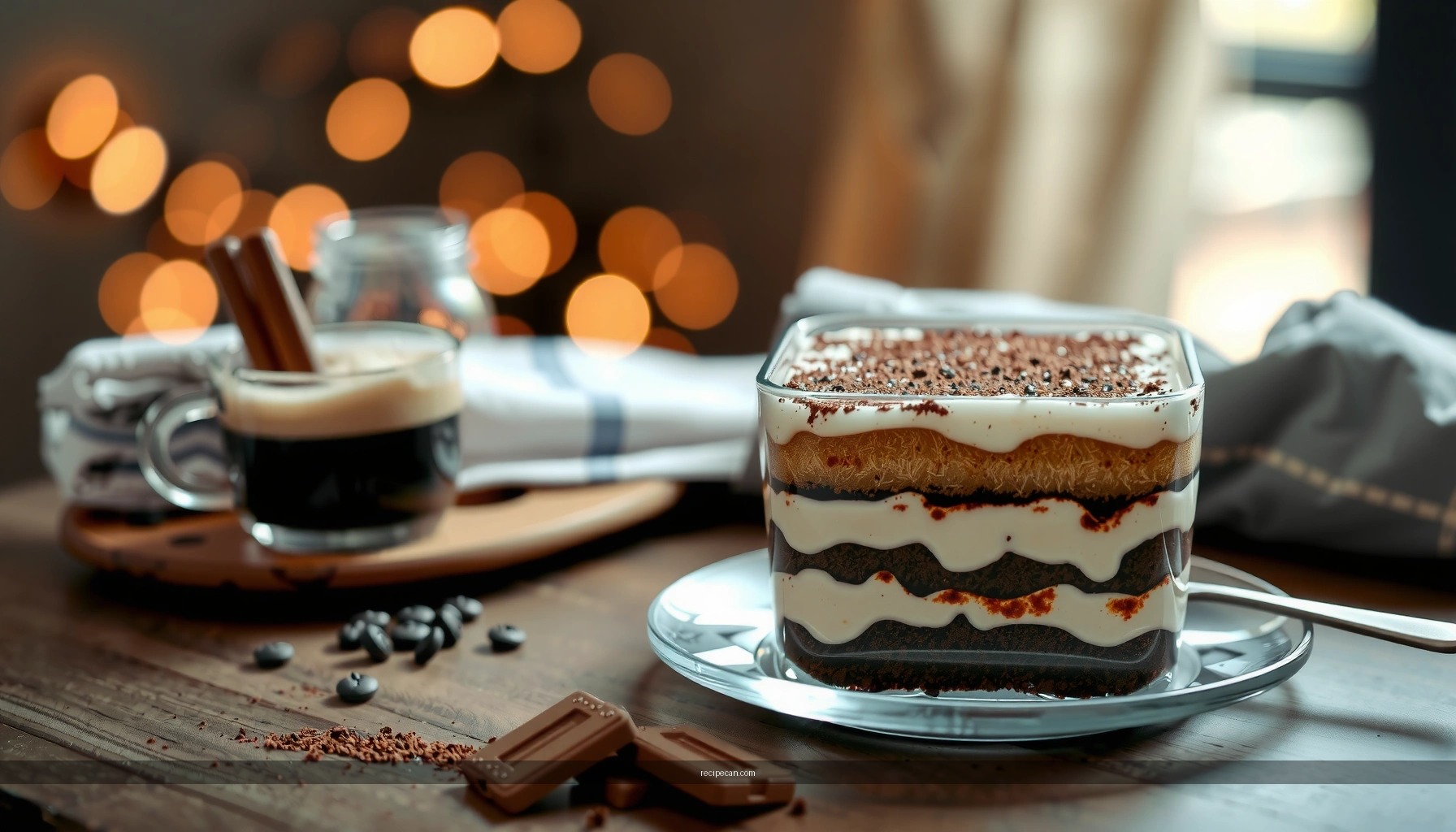
Mastering the art of making frozen coffee at home requires precision and the right techniques to ensure a delicious, refreshing beverage every time. This expert guide provides step-by-step instructions, essential tips, and safety protocols for creating the perfect frozen coffee that rivals your favorite café. Following these guidelines not only enhances flavor but also guarantees a safe and enjoyable experience.
What This Guide Covers (And What It Doesn’t)
This guide offers a thorough, step-by-step method for crafting frozen coffee at home, featuring a variety of recipes and techniques tailored to different tastes, including dairy-free and flavored options. You’ll discover precise measurements and methods to achieve the ideal frozen coffee consistency and flavor. While it does not touch on unrelated coffee beverages or brewing methods like traditional iced coffee, the focus remains solely on frozen coffee recipes. Designed for home cooks of all skill levels, this guide empowers readers to create their unique versions using readily available ingredients, all while ensuring quality and safety.
Who Should Read This
Coffee enthusiasts eager to explore innovative coffee experiences beyond conventional servings will find this guide invaluable, especially those who enjoy frozen desserts. It caters to home cooks with basic kitchen skills familiar with common cooking terms and techniques such as blending and freezing. Readers seeking healthier alternatives to store-bought frozen coffee products, particularly those who wish to control sugar content and ingredient quality, will benefit significantly. Additionally, individuals with specific dietary restrictions, such as lactose intolerance or vegan preferences, will appreciate the tailored recipes designed to meet their needs.
The Step-by-Step Protocol
1. Choose Your Base: Select your coffee type—strong brewed coffee, espresso, or cold brew—and let it cool to room temperature (approximately 70°F) to avoid ice crystals forming. Cooling the coffee is critical; hot coffee can negatively impact the texture of the final product.
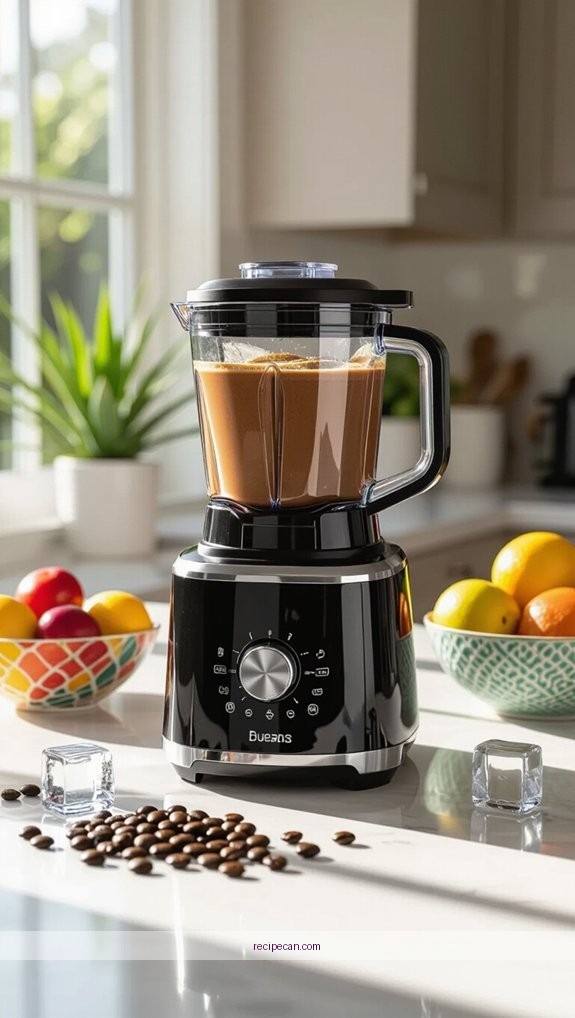
2. Blend Ingredients: In a blender, combine 2 cups of cooled coffee, 1 cup of milk or a milk alternative (such as almond or oat milk), and sweetener to taste (typically 2 tablespoons of sugar or syrup). Blend until smooth, ensuring all ingredients are well incorporated for a uniform flavor.
3. Freeze the Mixture: Pour the blended coffee mixture into an ice cube tray or a shallow dish for quicker freezing. Freeze for at least 4-6 hours, or until solid. Spreading the mixture in a shallow dish can expedite the freezing process, reducing the time needed.
4. Final Blending: Once frozen, remove the coffee cubes from the tray and place them back in the blender. Blend again until you achieve a slushy consistency. Serve immediately, and consider topping with whipped cream or flavored syrups for an elevated presentation and taste.
Popular Ingredients for Frozen Coffee (2024)
| # | Ingredient | Usage | Flavor Profile | Popularity Rating |
|---|---|---|---|---|
| 1 | Espresso | Base | Bold | ★★★★☆ |
| 2 | Almond Milk | Dairy-free | Nutty | ★★★★☆ |
| 3 | Coconut Cream | Creamy | Tropical | ★★★★☆ |
| 4 | Sugar | Sweetener | Sweet | ★★★★★ |
| 5 | Vanilla Syrup | Flavoring | Sweet | ★★★★☆ |
| 6 | Cocoa Powder | Flavoring | Rich | ★★★★☆ |
| 7 | Oat Milk | Dairy-free | Creamy | ★★★★☆ |
Warning Signs: When Not to Follow This
– If you have a sensitivity to caffeine or your healthcare provider advises limiting caffeine intake, consider modifying the recipes to reduce coffee content. You could use half the amount of coffee or substitute with a caffeine-free alternative like herbal tea.
– Those with lactose intolerance or dairy allergies should avoid recipes that include cow’s milk unless they substitute with lactose-free or plant-based alternatives like almond or oat milk. Cross-contamination in dairy products can pose serious health risks.
– If you experience gastrointestinal issues or discomfort from consuming frozen or cold beverages, it’s best to skip frozen coffee recipes in favor of warm coffee alternatives. Cold beverages can exacerbate symptoms in individuals with sensitive digestive systems.
– Individuals with specific dietary restrictions or health conditions, such as diabetes, should carefully assess the sugar content in recipes and consult a nutritionist if necessary. Monitoring total carbohydrate intake is crucial for effective blood sugar management.
The Most Common Mistakes (And Their Consequences)
– Using Hot Coffee: Pouring hot coffee directly into the blender can cause steam buildup, leading to a messy explosion. Always cool the coffee first to about 70°F to ensure safe blending.
– Insufficient Freezing Time: Not allowing the coffee to freeze long enough can result in a watery consistency instead of a creamy slush. Ensure a minimum freezing time of 4-6 hours, or until the mixture is completely solid.
– Overloading the Blender: Filling the blender too full can prevent proper blending, resulting in an uneven texture. Stick to recommended quantities and blend in batches if necessary to achieve a consistent mix.
– Ignoring Ingredients’ Quality: Using low-quality coffee or artificial sweeteners can detract from the flavor. Opt for fresh, high-quality coffee beans and natural sweeteners for the best results. Poor ingredient choices can lead to a less enjoyable drinking experience.
Special Cases That Need a Different Approach
– For a dairy-free version, replace any milk with coconut milk or almond milk and optionally add a tablespoon of coconut cream for creaminess. This ensures a rich texture without lactose.
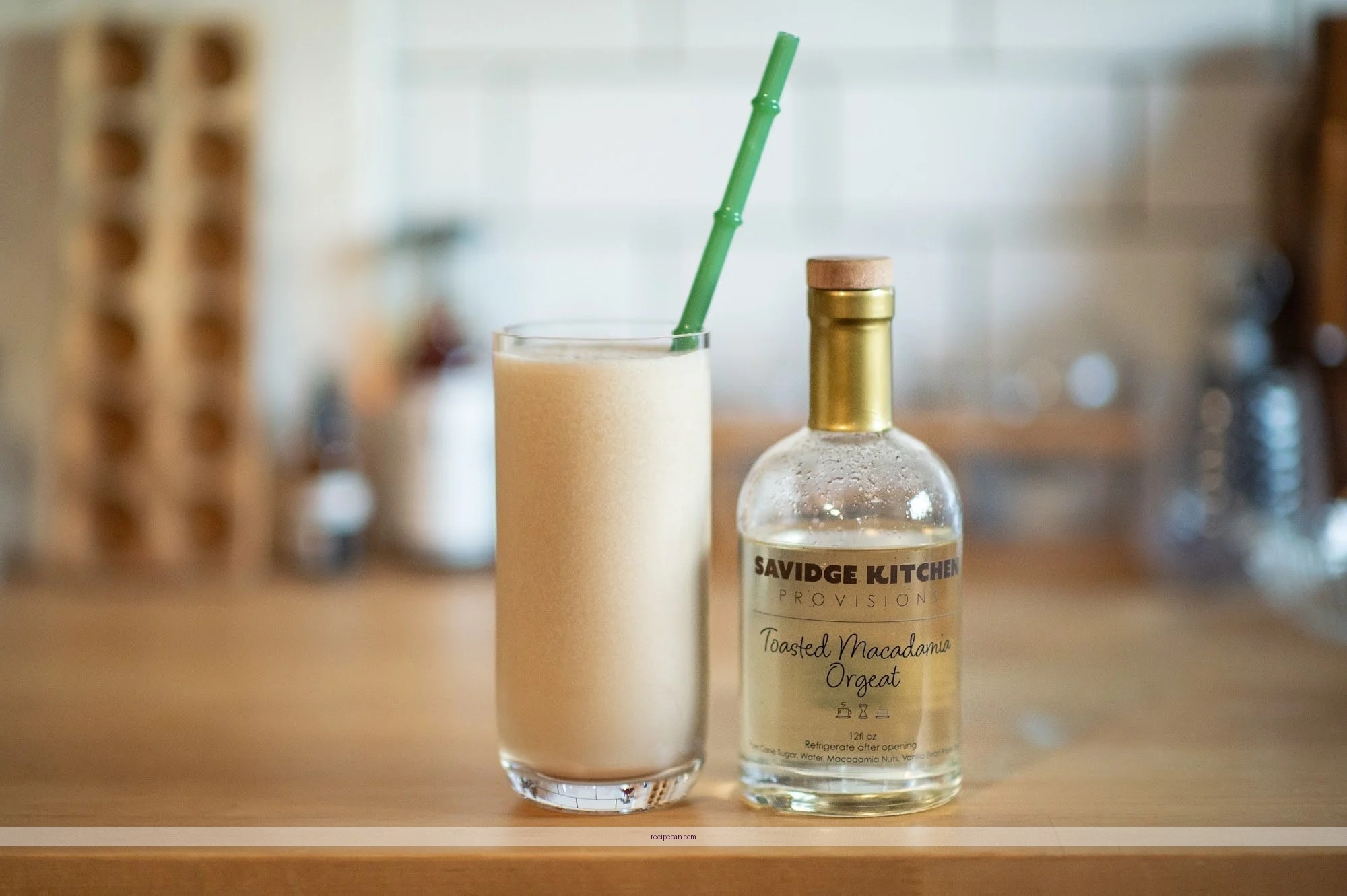
– If you want to create a flavored frozen coffee, consider adding 1-2 tablespoons of flavored syrups (like vanilla or hazelnut) or spices (such as cinnamon) during the blending step for enhanced taste. This customization allows for a personalized flavor profile.
– For a lower-calorie option, use unsweetened almond milk or skip sweeteners altogether, relying on the natural flavor of the coffee. Adding a ripe banana can provide a touch of sweetness and creaminess without added sugar.
– People with nut allergies should avoid almond milk and consider using oat milk or soy milk instead while ensuring that all ingredients are free from cross-contamination. Always check labels for allergen warnings.
When You Need a Professional
– If you have specific health conditions, such as diabetes, requiring strict monitoring of your sugar and caffeine intake, it’s wise to consult a registered dietitian before making frozen coffee. A professional can provide tailored advice to meet your dietary needs.
– If you experience any adverse reactions to caffeine or dairy when consuming frozen coffee, such as digestive discomfort or allergic symptoms, seek advice from a healthcare professional. Symptoms may necessitate dietary adjustments or further evaluation.
– If you are unsure about the suitability of certain ingredients (e.g., artificial sweeteners or flavorings) for your dietary needs, consult with a nutritionist for personalized guidance. This is particularly important for individuals with complex dietary restrictions.
– In case of persistent issues related to caffeine sensitivity or adverse reactions from homemade beverages, consider discussing these concerns with your physician to explore underlying causes and potential solutions.
Sources and Further Reading
– “Coffee: A Comprehensive Guide to the World’s Favorite Beverage” by Robert W. Thurston and the Specialty Coffee Association provides deeper insights into coffee types and brewing methods.
– The USDA Food Composition Database offers accurate nutritional information on various ingredients used in frozen coffee recipes.
– “The Science of Coffee: A Comprehensive Guide” by David A. Smith explains the chemical processes involved in coffee preparation and flavor enhancement.
– Online resources like the American Dietary Guidelines provide recommendations on caffeine intake and dietary considerations for special populations.
Frequently Asked Questions
What are the essential ingredients for a frozen coffee recipe?
To make a delicious frozen coffee, you’ll need brewed coffee, ice cubes, milk (or a milk alternative), and sweetener to taste. Optional ingredients include flavored syrups, whipped cream, or chocolate for added richness. Using high-quality coffee will enhance the overall flavor of your frozen treat.
How do I make a frozen coffee at home?
To prepare a frozen coffee at home, start by brewing your favorite coffee and letting it cool. Blend the cooled coffee with ice, milk, and sweetener until smooth. For a creamier texture, you can add a scoop of vanilla ice cream or frozen yogurt before blending.
Why is my frozen coffee not as creamy as I expected?
If your frozen coffee isn’t creamy, it may be due to the ice-to-coffee ratio or the type of milk used. Using too much ice can lead to a watery texture, while opting for whole milk or a creamy non-dairy alternative can enhance the richness. Additionally, incorporating a bit of cream or ice cream can help achieve that desired creaminess.
What is the best coffee to use for a frozen coffee recipe?
The best coffee for a frozen coffee recipe is one that you enjoy drinking on its own, typically a medium to dark roast that has a bold flavor. Cold brew coffee is also an excellent choice, as it has a smoother and less acidic profile. Experimenting with flavored coffees can add a unique twist to your frozen coffee.
Which frozen coffee recipe is the easiest for beginners?
The easiest frozen coffee recipe for beginners involves just three ingredients: brewed coffee, ice, and milk. Simply blend equal parts of cooled coffee and ice, then add milk to your desired creaminess. This basic recipe allows for personalization with sweeteners and flavorings, making it perfect for those new to making frozen coffee drinks.
References
- Iced coffee
https://en.wikipedia.org/wiki/Iced_coffee - https://pubmed.ncbi.nlm.nih.gov/26723090/
https://pubmed.ncbi.nlm.nih.gov/26723090/ - Checking your browser – reCAPTCHA
https://www.ncbi.nlm.nih.gov/pmc/articles/PMC6036899/ - https://www.sciencedirect.com/topics/agricultural-and-biological-sciences/frozen-coffee
https://www.sciencedirect.com/topics/agricultural-and-biological-sciences/frozen-coffee - https://www.bbc.com/food/recipes/iced_coffee_84136
https://www.bbc.com/food/recipes/iced_coffee_84136 - https://www.theguardian.com/food/2020/jul/01/how-to-make-perfect-iced-coffee
https://www.theguardian.com/food/2020/jul/01/how-to-make-perfect-iced-coffee - https://www.nytimes.com/2021/07/21/dining/iced-coffee-recipe.html
https://www.nytimes.com/2021/07/21/dining/iced-coffee-recipe.html - Google Scholar Google Scholar
https://scholar.google.com/scholar?q=frozen+coffee+recipe - Google Scholar Google Scholar
https://scholar.google.com/scholar?q=iced+coffee+preparation - Google Scholar Google Scholar
https://scholar.google.com/scholar?q=coffee+beverage+recipes