Mastering the art of making freezer jam can elevate your preserves, providing fresh, vibrant flavors without the hassle of traditional canning. This complete expert guide offers step-by-step instructions, essential tips, and safety protocols to ensure your homemade freezer jam is not only delicious but also safe to consume. Following these guidelines is crucial for achieving the perfect texture and taste while minimizing food safety risks.
What This Guide Covers (And What It Doesn’t)
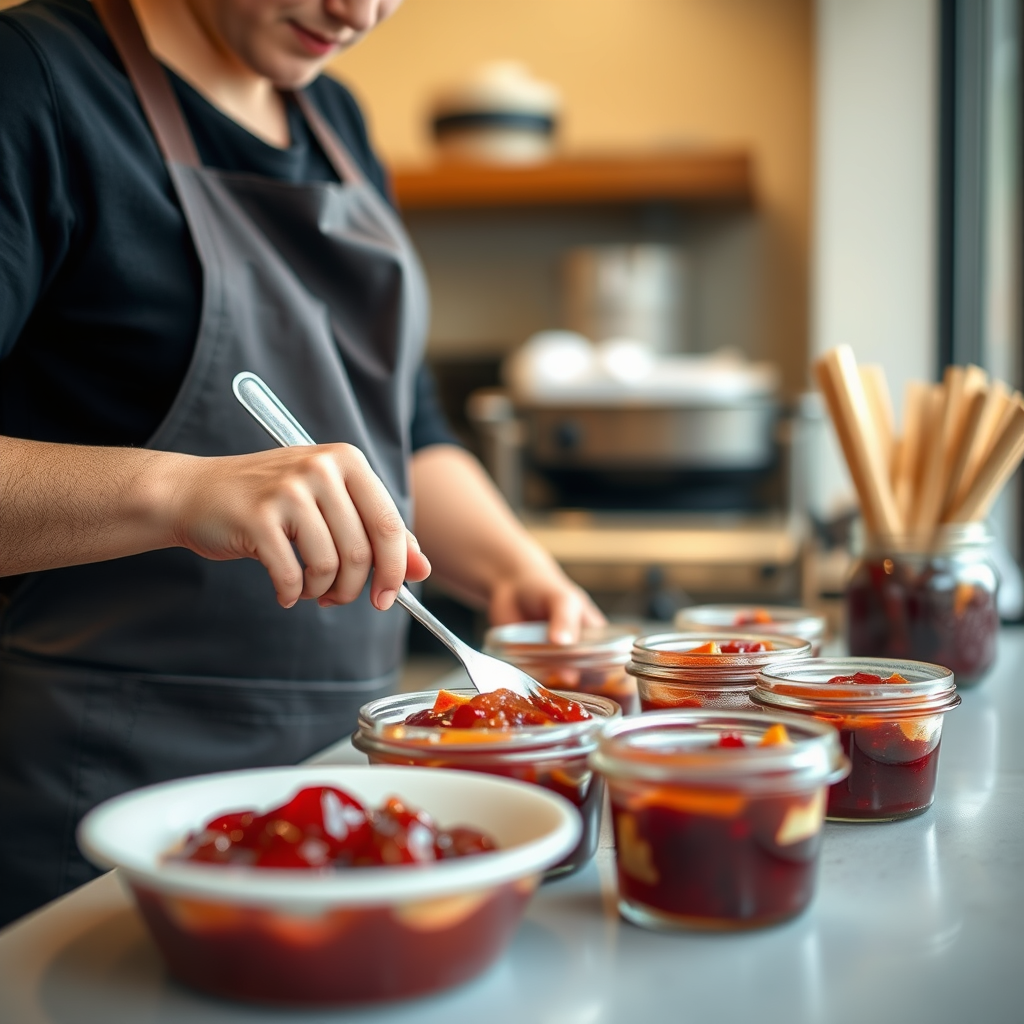
This guide offers a thorough, step-by-step recipe for making freezer jam, highlighting the safety and storage techniques essential to this method. You’ll discover detailed ingredient lists, precise measurements, and procedural insights tailored for both beginner and intermediate home cooks eager to preserve the vibrant flavors of fruit. The emphasis here is on the simplicity and convenience of freezer jam, which allows for quick and effortless fruit spreads with minimal equipment.
However, this guide does not address traditional canning methods, nor does it explore the intricacies of jellies or preserves that require different techniques and equipment. Those interested in classic canning practices or in making jellies will need to consult specialized resources for that information.
Who Should Read This
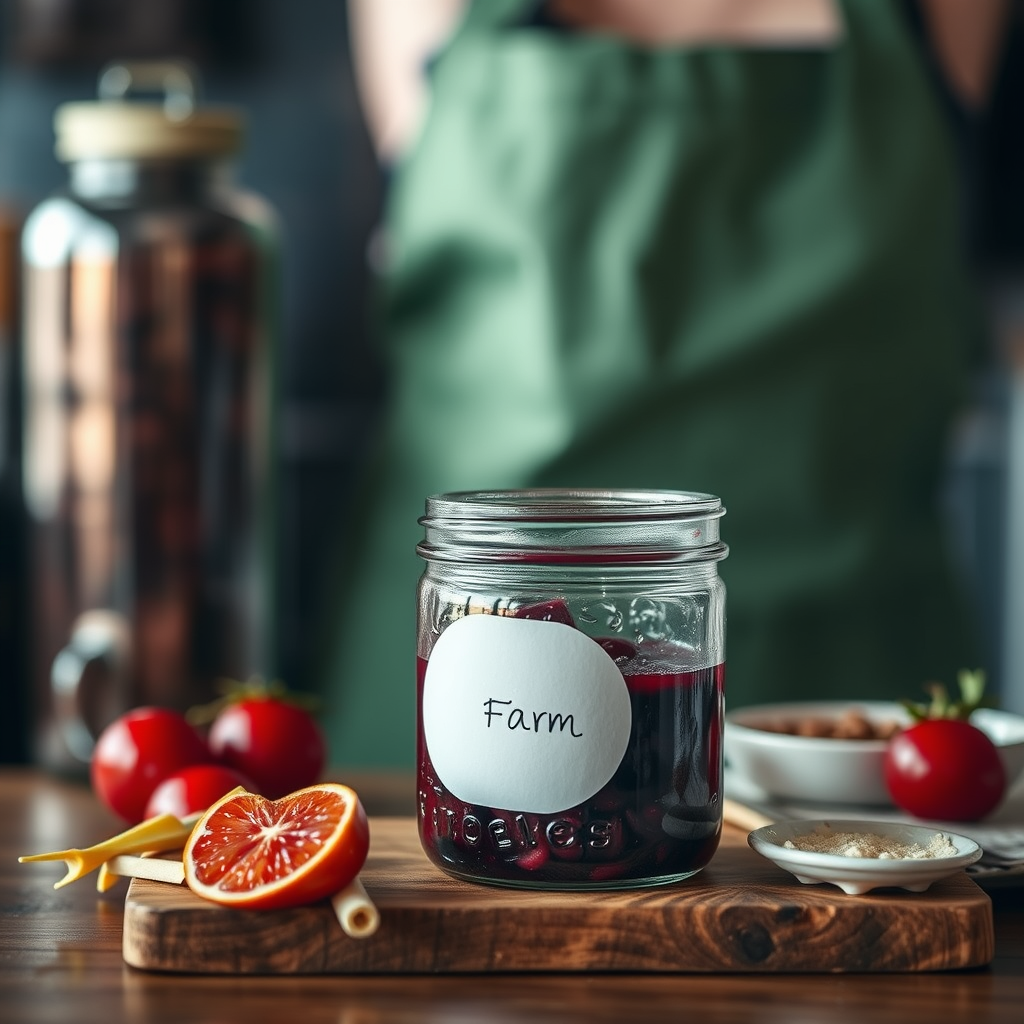
This guide is designed for home cooks eager to delve into the art of making freezer jam, particularly those with limited experience in food preservation. It’s also perfect for families seeking to whip up easy, homemade fruit spreads without the complexities of elaborate canning processes or specialized equipment. Readers should be comfortable with basic kitchen tasks, such as measuring ingredients and using a stove, but prior experience in jam making is not necessary. This guide will equip you with the knowledge to create delicious, homemade freezer jam safely and confidently.
The Step-by-Step Protocol
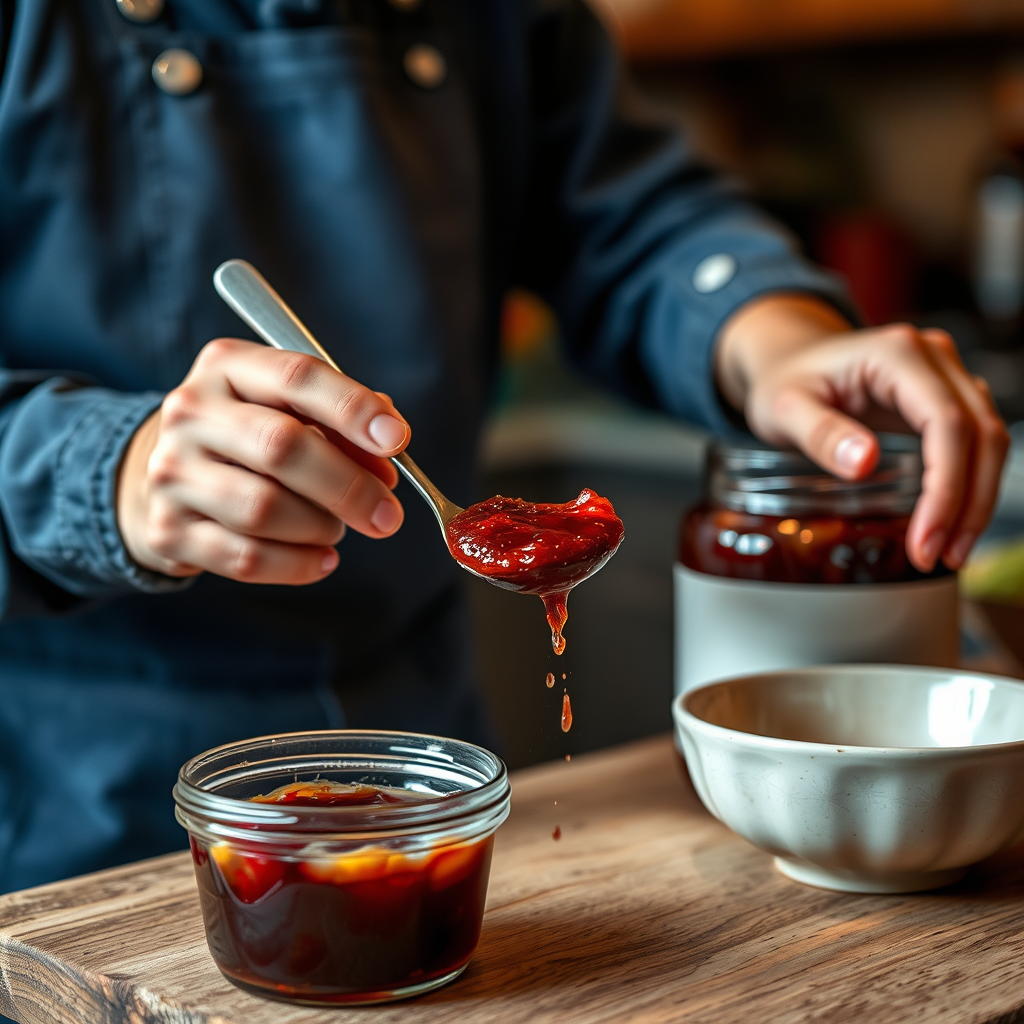
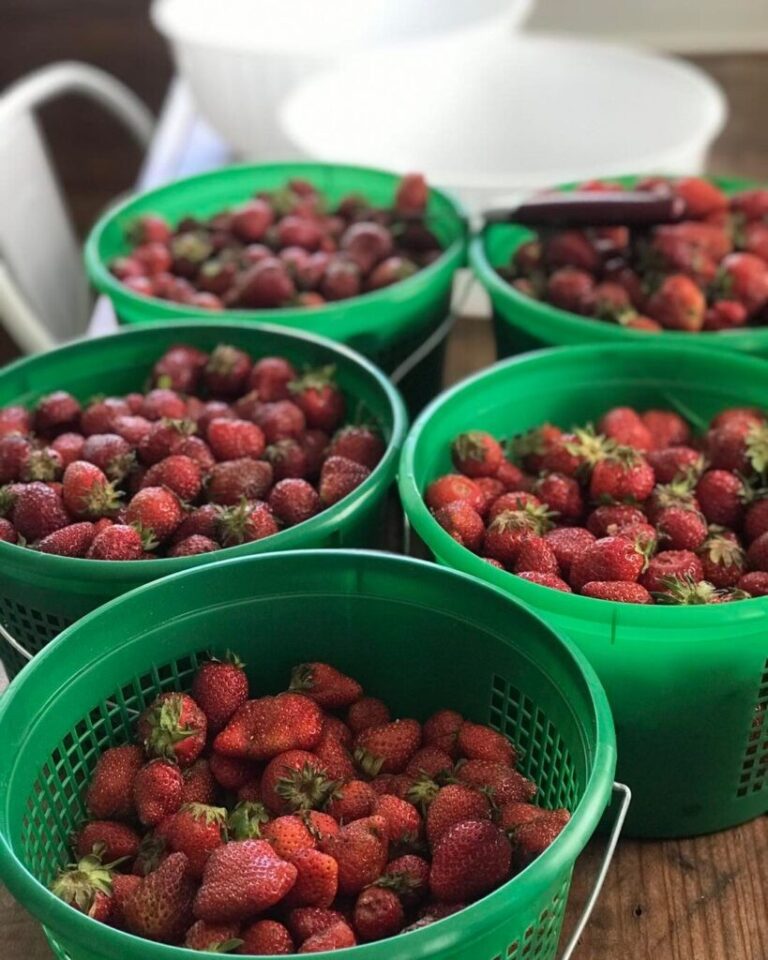
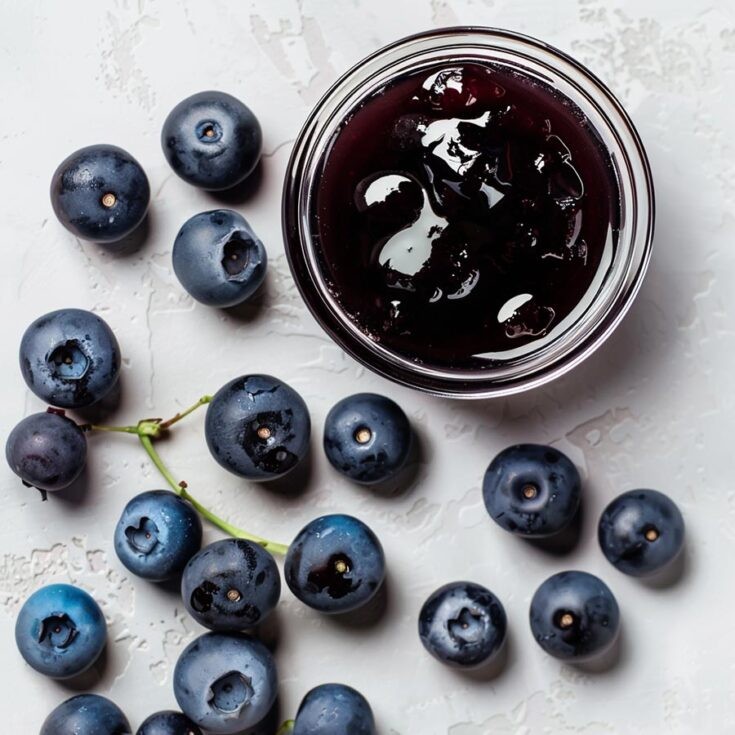
1. Select and Prepare Your Fruit: Choose 4 cups of ripe fruit, such as strawberries, blueberries, or peaches. Ensure the fruit is fresh and free from blemishes. Wash the fruit thoroughly under running water. For strawberries, hull them; for peaches, remove the skin if preferred, and chop them into small pieces as needed.
2. Mash the Fruit: Use a potato masher or a fork to crush the fruit until you have about 2 cups of mashed fruit for your jam base. This step will help release the natural juices, making it easier to mix with sugar and pectin.
3. Combine Ingredients: In a medium bowl, mix the mashed fruit with 1.5 cups of granulated sugar. This step is crucial, as the sugar helps draw out the juices from the fruit. Let the mixture sit for 10 minutes to allow the sugar to dissolve and the juices to accumulate.
4. Add Pectin: Stir in 1/4 cup of powdered pectin (such as Sure-Jell) into the fruit-sugar mixture. Mix vigorously for 2-3 minutes until the pectin is fully dissolved. This is essential for the jam to set properly.
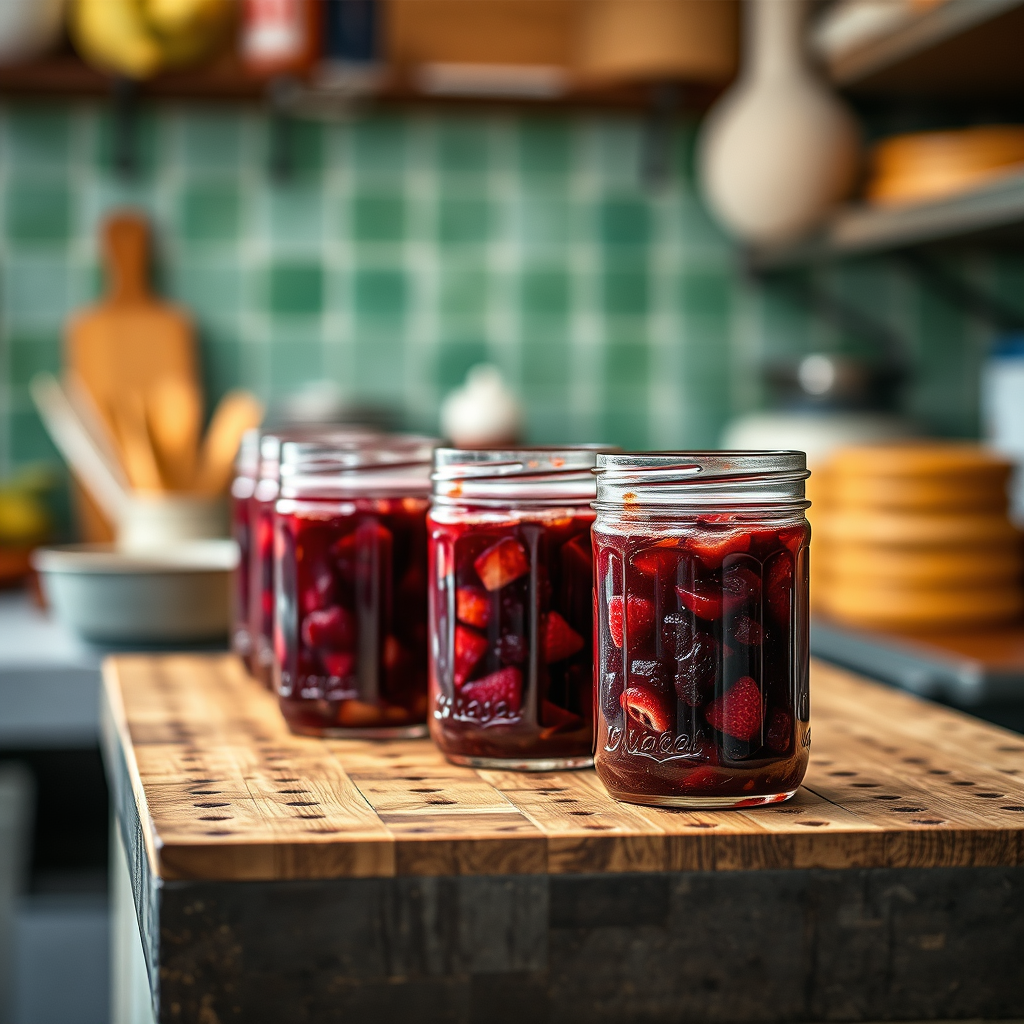
5. Pack the Jam: Pour the mixture into clean, airtight freezer-safe containers. Be sure to leave about 1/2 inch of headspace at the top of each container to allow for expansion during freezing. Proper headspace is critical to prevent the containers from bursting.
6. Freeze and Set: Seal the containers tightly and place them in the freezer. Allow the jam to set for at least 24 hours before using it. The jam can be stored in the freezer for up to a year, maintaining its flavor and quality.
Warning Signs: When Not to Follow This
– Avoid making freezer jam if your fruit is overripe, bruised, or showing signs of spoilage, as this can lead to spoilage and unsafe consumption of the jam.
– Do not proceed if you have allergies to any of the ingredients used, especially pectin, as this can cause severe reactions.
– If you lack proper freezer space or containers that can withstand freezing, do not attempt this recipe. Improper storage can compromise the jam’s safety and quality, leading to freezer burn or spoilage.
The Most Common Mistakes (And Their Consequences)
– Using Low-Sugar or Sugar Substitutes: Substituting granulated sugar with low-sugar or sugar substitutes can result in a jam that does not set properly. This affects both texture and flavor, leading to a disappointing final product.
– Not Allowing the Fruit-Sugar Mixture to Rest: Skipping the recommended 10-minute rest period can lead to inadequate maceration of the fruit. This may result in a runny jam that lacks the desired consistency.
– Overfilling Containers: Overfilling containers beyond the recommended headspace can cause the lids to pop off during freezing. This leads to mess, potential spoilage, and wasted product.
Special Cases That Need a Different Approach
– High-Acidity Fruits: If you’re using fruits with high acidity, such as rhubarb or citrus, consider adjusting the sugar content or adding a bit of lemon juice to achieve the desired flavor balance. The acidity can affect the setting properties of the jam.
– Dietary Restrictions: For those with dietary restrictions, such as low-sugar diets, explore recipes that use fruit juice concentrates or alternative sweeteners specifically designed for freezer jam. Ensure that these alternatives are compatible with the pectin used.
– Large Batches for Events or Gifts: If you’re making large batches for events or gifts, consider using multiple smaller containers instead of one large one. This method allows for better portion control and freshness, as smaller containers can be thawed and used without exposing the entire batch to air.
When You Need a Professional
– If you experience any adverse reactions or foodborne illnesses after consuming freezer jam, consult a healthcare professional immediately. Symptoms can vary from mild to severe, and it’s crucial to address any health concerns promptly.
– Seek guidance from a food preservation expert if you wish to alter the recipe significantly, such as by changing the fruit types or using alternative preservation methods. Improper modifications can lead to safety issues.
– Consider involving a nutritionist if you have specific dietary restrictions or health conditions that necessitate a tailored approach to sugar and fruit intake in your homemade jams. This will ensure that your jam meets your nutritional needs without compromising safety.
Sources and Further Reading
– National Center for Home Food Preservation: Guidelines on freezing fruits and making jams and jellies. This resource provides detailed techniques for safe food preservation.
– USDA Complete Guide to Home Canning: A comprehensive resource for safe canning and food preservation practices, which can also provide insights applicable to freezer jam.
– Ball Canning: Recipes and tips for making freezer jam, including seasonal fruit variations and storage advice to enhance your jam-making endeavors.
By following this expert guide, you can confidently create delicious, homemade freezer jam that captures the essence of fresh fruit, ready to be enjoyed throughout the year.
Frequently Asked Questions
What ingredients do I need for a basic freezer jam recipe?
To make a basic freezer jam, you’ll need fresh fruit (like strawberries or raspberries), granulated sugar, pectin, and lemon juice. These ingredients work together to create a flavorful and easy-to-make jam that requires no cooking, allowing you to preserve the fresh taste of the fruit.
How do I properly prepare fruit for freezer jam?
To prepare fruit for freezer jam, start by washing your fruit thoroughly to remove any dirt or pesticides. Then, hull or chop the fruit as necessary, and mash it with a potato masher or fork until you reach your desired consistency—this will help release the fruit’s natural juices, which are essential for the jam’s flavor.
Why is pectin important in a freezer jam recipe?
Pectin is a natural thickening agent that helps the jam set and achieve the desired texture. In freezer jam recipes, pectin binds with the sugars and fruit juices to create a spreadable consistency, making it a crucial ingredient for ensuring your jam is not too runny.
What is the best way to store freezer jam after making it?
After making freezer jam, the best way to store it is in airtight containers or freezer-safe jars, leaving some headspace for expansion. Make sure to label each container with the date and type of jam, and store them in the freezer for up to a year, or in the refrigerator for up to three weeks after thawing.
Which fruits work best for making freezer jam?
The best fruits for making freezer jam include berries like strawberries, blueberries, and raspberries, as well as peaches and apricots. These fruits have a high natural sugar content and good acidity, which help in achieving the right balance of flavor and consistency in your jam.
References
- Fruit preserves
https://en.wikipedia.org/wiki/Jam - Extension publications | University of Idaho
https://www.extension.uidaho.edu/publishing/pdf/BUL/BUL0877.pdf - Page not found
https://www.clemson.edu/extension/food/food_safety/preservation/jams_jellies.html - https://www.foodsafety.gov/keep/charts/jam.html
https://www.foodsafety.gov/keep/charts/jam.html - https://www.nal.usda.gov/legacy/fnic/freezer-jam-recipe
https://www.nal.usda.gov/legacy/fnic/freezer-jam-recipe - https://www.extension.msstate.edu/publications/freezer-jam-recipe
https://www.extension.msstate.edu/publications/freezer-jam-recipe - Google Scholar Google Scholar
https://scholar.google.com/scholar?q=freezer+jam+recipe - Google Scholar Google Scholar
https://scholar.google.com/scholar?q=making+freezer+jam - Google Scholar Google Scholar
https://scholar.google.com/scholar?q=preserving+fruit+freezer+jam - https://www.uga.edu/extension/publications/food-preservation-jams-jellies.pdf
https://www.uga.edu/extension/publications/food-preservation-jams-jellies.pdf