Master the art of making fig jam at home with this comprehensive expert guide, designed for both novice and experienced cooks. This guide covers essential techniques, safety protocols, and precise recipes to ensure your homemade fig jam is not only delicious but also safe to consume. Understanding the right methods and ingredients is crucial to achieving the perfect balance of flavor and texture while minimizing food safety risks. Follow these expert tips to elevate your preserves and enjoy the rich taste of figs year-round.
What This Guide Covers (And What It Doesn’t)
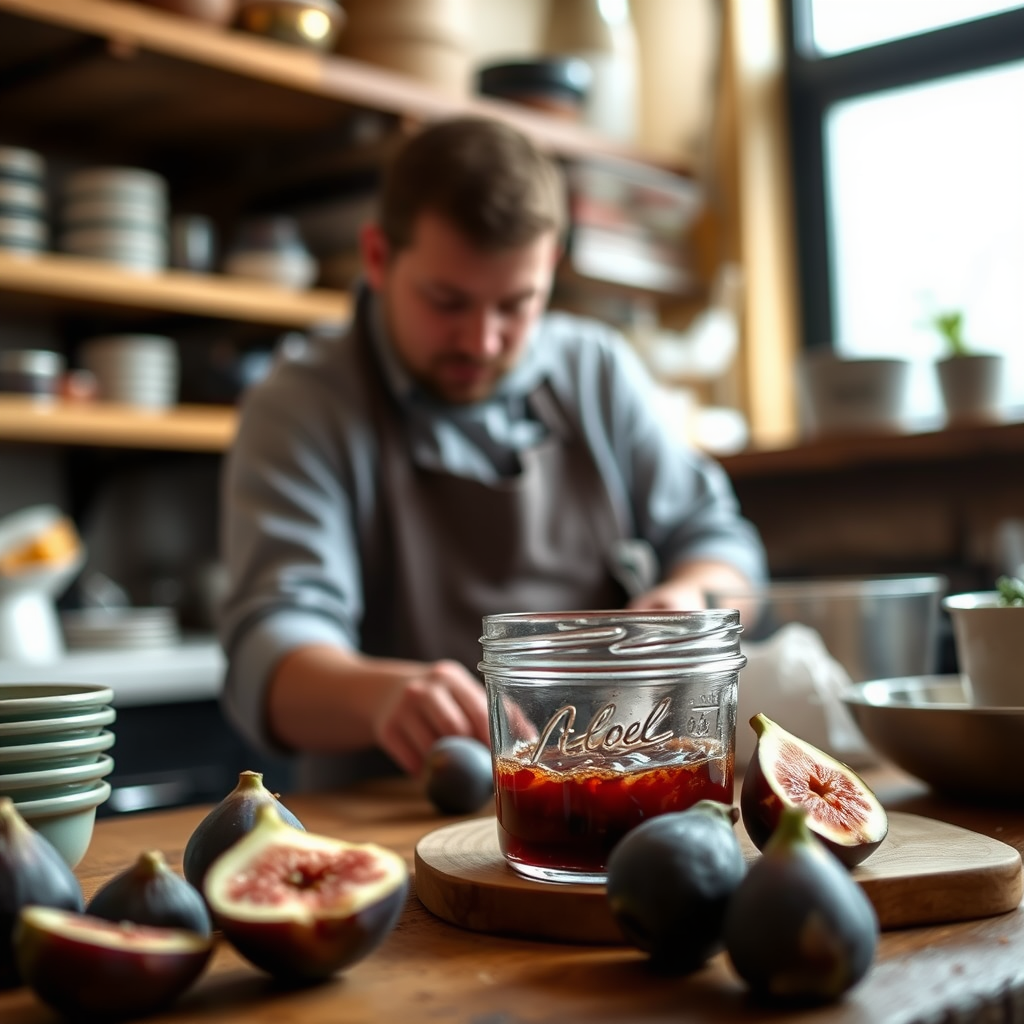
This guide serves as a comprehensive resource for crafting fig jam at home, offering a detailed recipe along with essential information on ingredients, equipment, and safety precautions. You will discover how to choose the best figs for maximum flavor and texture, as well as effective storage techniques to extend the shelf life of your homemade jam. However, it’s important to note that this guide does not address alternative fruit jams or preservation methods that diverge from the traditional boiling and canning process specific to fig jam.
Who Should Read This
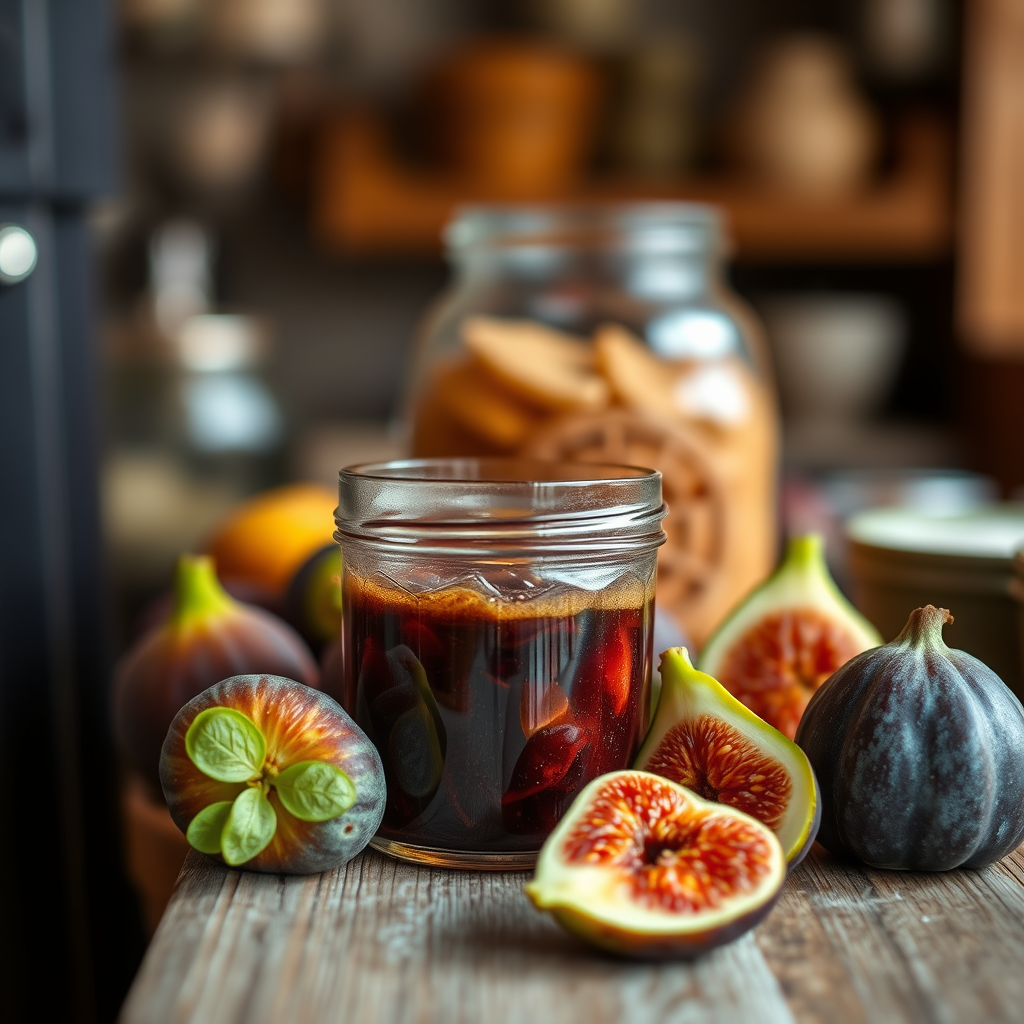
This guide is tailored for home cooks who possess a basic understanding of canning and preserving but may be new to making fig jam. It’s also ideal for anyone interested in creating gourmet food products for personal enjoyment or gifting, who seeks a reliable and safe method. Those with dietary restrictions requiring low-sugar options or alternative preservatives might need to refer to specialized resources beyond what this guide offers.
The Step-by-Step Protocol
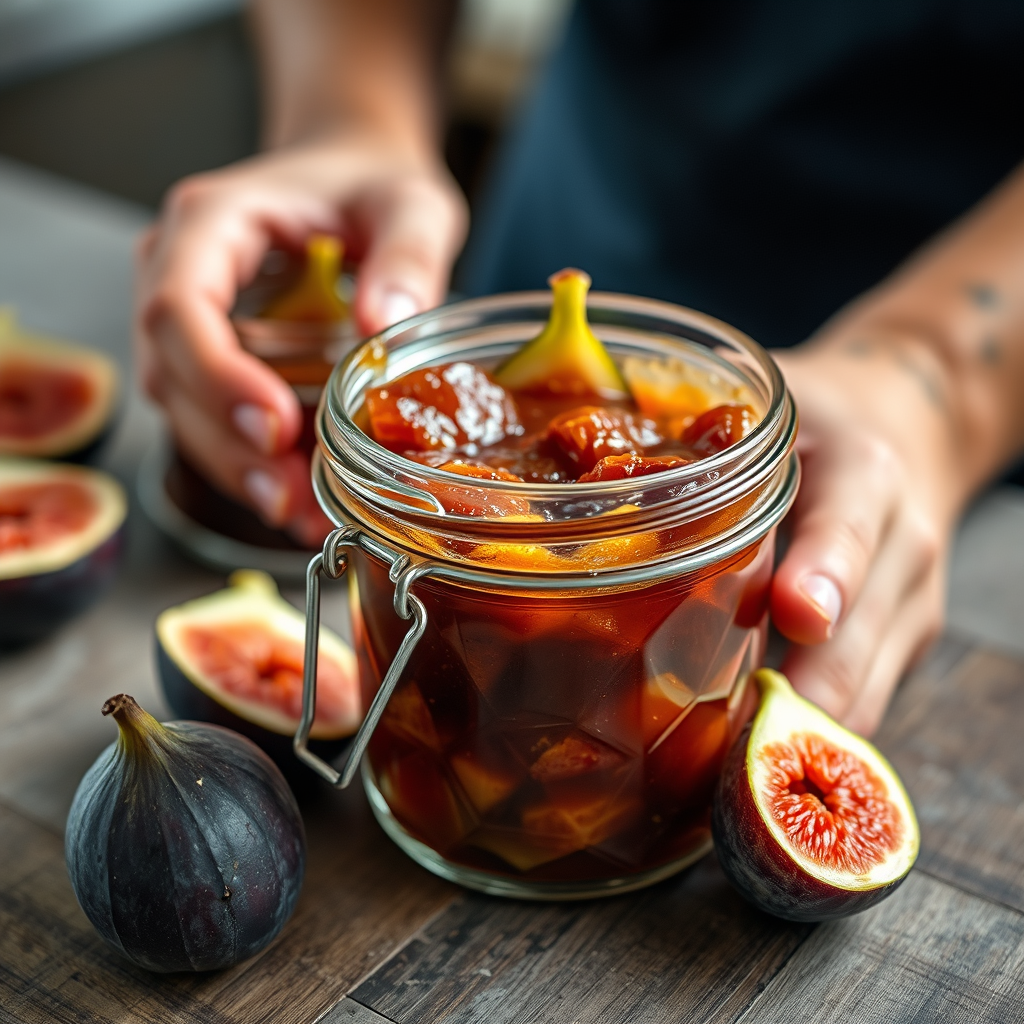
1. Gather Ingredients: Start by gathering 2 pounds of ripe figs, 1 cup of granulated sugar, the juice of 1 lemon, and 1/4 cup of water. Ensure your figs are fresh, free from blemishes, and ready for use.
2. Prepare the Figs: Rinse the figs under cold water to eliminate any dirt or debris. Remove the stems and chop the figs into quarters for even cooking. This step facilitates the release of their natural juices, helping you achieve the desired consistency.
3. Cook the Mixture: In a heavy-bottomed pot, combine the chopped figs, sugar, lemon juice, and water. Heat the mixture over medium heat until the sugar dissolves completely. Once dissolved, increase the heat to medium-high and bring the mixture to a rolling boil, stirring frequently to prevent scorching.
4. Test for Consistency: Use a candy thermometer to monitor the temperature of the jam, aiming for the gel stage at 220°F (104°C). This typically takes 15 to 30 minutes of boiling. To check the consistency, perform a spoon test: place a spoonful of jam on a cold plate and run your finger through it. If it holds its shape, it’s ready to jar.
5. Jar the Jam: Pour the hot jam into sterilized jars, leaving 1/4 inch of headspace at the top. Wipe the rims of the jars with a clean cloth to remove any residue that could impede a proper seal. Place the sterilized lids on top and screw on the metal bands until they are fingertip-tight. Process the jars in a boiling water bath for 10 minutes to ensure a secure seal.
Warning Signs: When Not to Follow This

– Avoid attempting this recipe if your figs display signs of mold, over-ripeness, or bruising, as these can compromise both flavor and safety.
– If you lack basic canning equipment, such as sterilized jars and a water bath canner, do not proceed until you have acquired these essentials. Proper tools are crucial for ensuring food safety.
– Steer clear of making fig jam if you have allergies to any of the ingredients used in the recipe, particularly sugar or lemon, which can trigger adverse reactions.
The Most Common Mistakes (And Their Consequences)
– Using Under-Ripe Figs: Selecting figs that are not fully ripe can lead to a jam that is overly tart and lacking the desired sweetness. This can result in an unpalatable final product.
– Overcooking the Jam: Allowing the jam to cook for too long may cause it to become excessively thick or caramelized, diminishing both texture and flavor. A jam that is too thick won’t spread well, while one that is overly caramelized might develop a burnt taste.
– Neglecting Sterilization: Failing to properly sterilize jars and lids can result in bacterial growth and spoilage, making the jam unsafe for consumption. This can lead to foodborne illnesses, which are serious and may require medical attention.
Special Cases That Need a Different Approach
– Dietary Restrictions: If you need a low-sugar fig jam, consider substituting granulated sugar with an appropriate sugar alternative, such as erythritol or stevia. Be sure to adjust cooking times, as these alternatives may not behave the same way as sugar during the cooking process.
– High Altitude Adjustments: Those living at high altitudes should prepare to alter both the cooking time and temperature due to lower boiling points. This may influence the gelling process; therefore, consider increasing the boiling time by several minutes to achieve the right consistency.
– Using Dried Figs: If you prefer to use dried figs instead of fresh, rehydrate them in warm water for at least 30 minutes before cooking. This crucial step allows for the right consistency, as dried figs absorb moisture and may not break down properly during cooking.
When You Need a Professional
– If you notice any signs of spoilage in your jam, such as bubbling, off-odors, or discoloration, do not consume the product. Consult a food safety expert to evaluate the potential risks.
– Should you experience severe allergic reactions after consuming fig jam, it’s vital to seek immediate medical assistance, especially if symptoms like difficulty breathing or swelling occur.
– For those interested in selling homemade fig jam, it’s essential to consult local food safety regulations. Engaging a licensed food safety professional will help ensure compliance with commercial canning standards, as failing to adhere to these regulations can lead to legal issues and health risks.
Sources and Further Reading
– National Center for Home Food Preservation: Guidelines for making and canning fruit preserves safely. Their website provides valuable resources for safe food preservation practices.
– USDA Complete Guide to Home Canning: A thorough manual that covers safe canning practices, making it an invaluable resource for home canners.
– “The Joy of Cooking”: A classic cookbook featuring various recipes and detailed instructions on making jams and preserves, along with practical tips for home cooks.
By following this guide, you can confidently create delicious fig jam that not only captures the essence of this unique fruit but also adheres to safe canning practices. Enjoy the process and savor the delightful results of your homemade creation!
Frequently Asked Questions
What ingredients do I need for a basic fig jam recipe?
To make a basic fig jam, you will need fresh figs, sugar, lemon juice, and optionally, pectin for added thickness. Typically, the ratio is about 2 cups of figs to 1 cup of sugar, but you can adjust the sweetness to your preference. Fresh lemon juice not only enhances the flavor but also helps in the preservation process.
How long does homemade fig jam last?
Homemade fig jam can last for up to one year if properly canned and stored in a cool, dark place. Once opened, it should be kept in the refrigerator and consumed within a few weeks for the best quality. Always check for signs of spoilage before consuming.
Why is my fig jam not thickening?
If your fig jam is not thickening, it may be due to insufficient cooking time or not using enough sugar or pectin. Make sure to cook the mixture at a rolling boil for the recommended amount of time, and consider adding a bit more pectin to achieve the desired consistency. Stirring frequently helps prevent sticking and allows for even cooking.
What is the best way to store fig jam after making it?
The best way to store fig jam is to use sterilized jars and seal them tightly while still hot to create a vacuum seal. Store the sealed jars in a cool, dark place, and once opened, keep them refrigerated to extend freshness. Proper storage will help maintain the flavor and prevent spoilage over time.
Which varieties of figs are best for making jam?
The best varieties of figs for making jam include Black Mission, Kadota, and Adriatic figs, as they offer the right balance of sweetness and texture. Black Mission figs are particularly popular for their rich flavor, while Kadota figs provide a milder taste. Choose ripe, fresh figs for the best results in your fig jam recipe.
References
- Fig
https://en.wikipedia.org/wiki/Fig_jam - https://www.ncbi.nlm.nih.gov/pmc/articles/PMC5461480/
https://www.ncbi.nlm.nih.gov/pmc/articles/PMC5461480/ - https://www.ncbi.nlm.nih.gov/pmc/articles/PMC6464919/
https://www.ncbi.nlm.nih.gov/pmc/articles/PMC6464919/ - Google Scholar Google Scholar
https://scholar.google.com/scholar?q=recipe+for+fig+jam - Google Scholar Google Scholar
https://scholar.google.com/scholar?q=fig+jam+nutritional+benefits - Jam | food | Britannica
https://www.britannica.com/topic/jam-food - https://www.sciencedirect.com/topics/food-science/fig-jam
https://www.sciencedirect.com/topics/food-science/fig-jam - https://www.fooze.com/fig-jam-recipe
https://www.fooze.com/fig-jam-recipe - https://www.theguardian.com/food/2021/aug/10/how-to-make-fig-jam
https://www.theguardian.com/food/2021/aug/10/how-to-make-fig-jam - https://www.nutrition.gov/recipes/fig-jam
https://www.nutrition.gov/recipes/fig-jam