This expert guide to safely making easy plum jam provides you with step-by-step instructions to create delicious, homemade preserves. It covers essential techniques, safety measures, and tips for perfecting texture and flavor, ensuring your jam is both tasty and safe for consumption. Following the right protocol is crucial to prevent spoilage and achieve the best results in your canning endeavors.
What This Guide Covers (And What It Doesn’t)
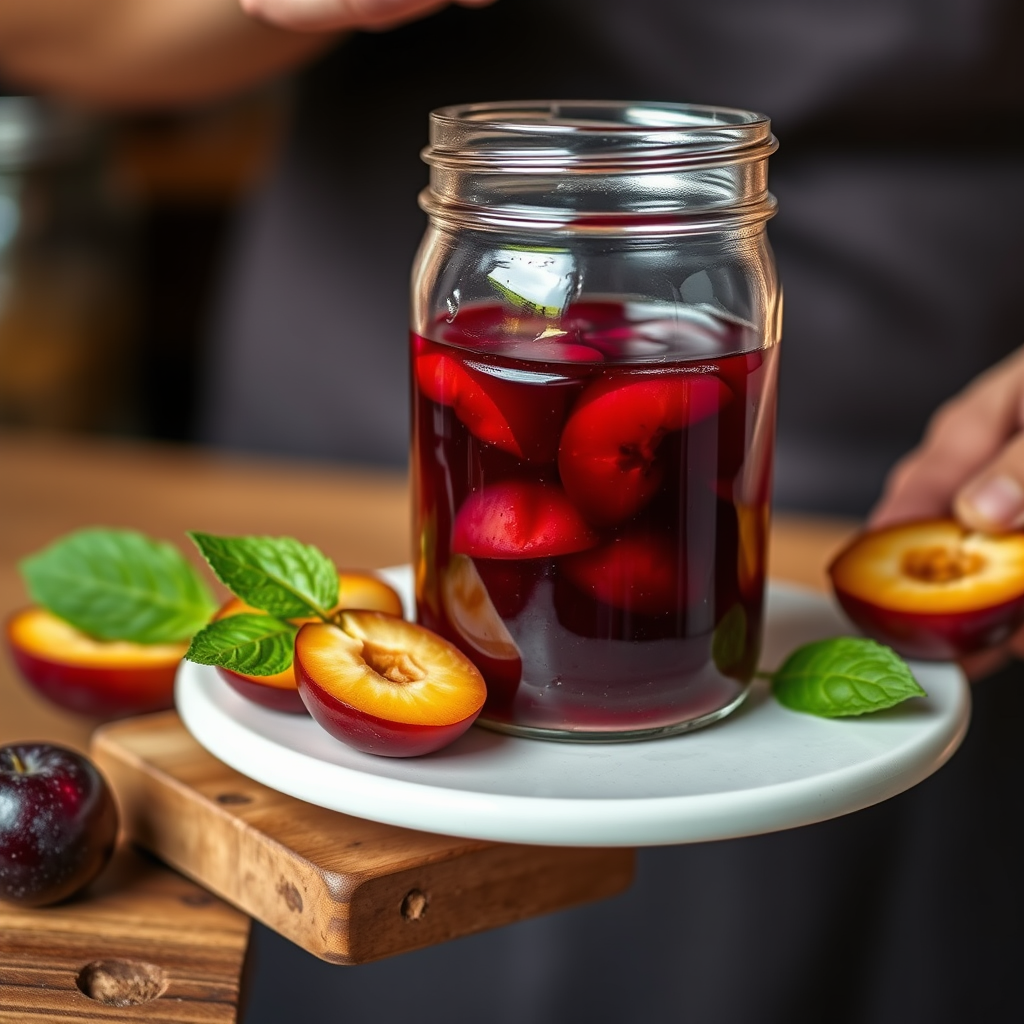
This guide offers a comprehensive, step-by-step approach to crafting easy plum jam, emphasizing essential ingredients, equipment, and safety measures. You’ll learn how to select ripe plums, navigate the cooking process, and apply proper canning techniques to ensure a delicious, shelf-stable product. However, it does not include recipes for other types of fruit jams or jellies, nor does it delve into advanced canning techniques that might overwhelm beginners. Designed specifically for home cooks eager to create delightful plum jam quickly and efficiently, this guide focuses exclusively on traditional jam-making, omitting alternative preservation methods like freezing or refrigeration.
Who Should Read This
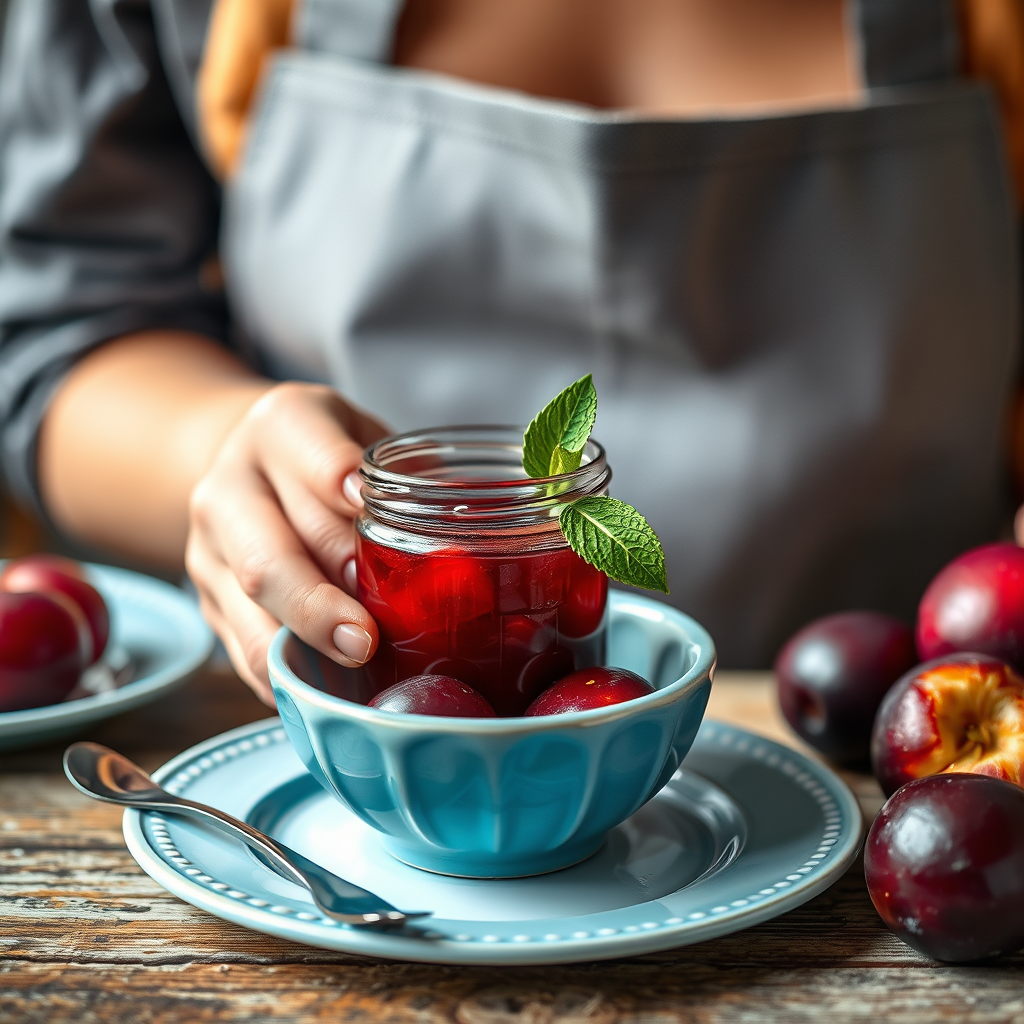
This guide is tailored for novice to intermediate home cooks who possess basic kitchen skills and are looking to expand their jam-making repertoire. Readers should be familiar with basic cooking terminology—terms like “sterilizing jars” and “canning process”—but prior experience in making jams is not required. Individuals who relish cooking with fresh, seasonal ingredients will find this guide particularly beneficial. However, those with dietary restrictions or specific preferences, such as low-sugar options, may need to consult additional resources, as this guide centers on a classic plum jam recipe.
The Step-by-Step Protocol
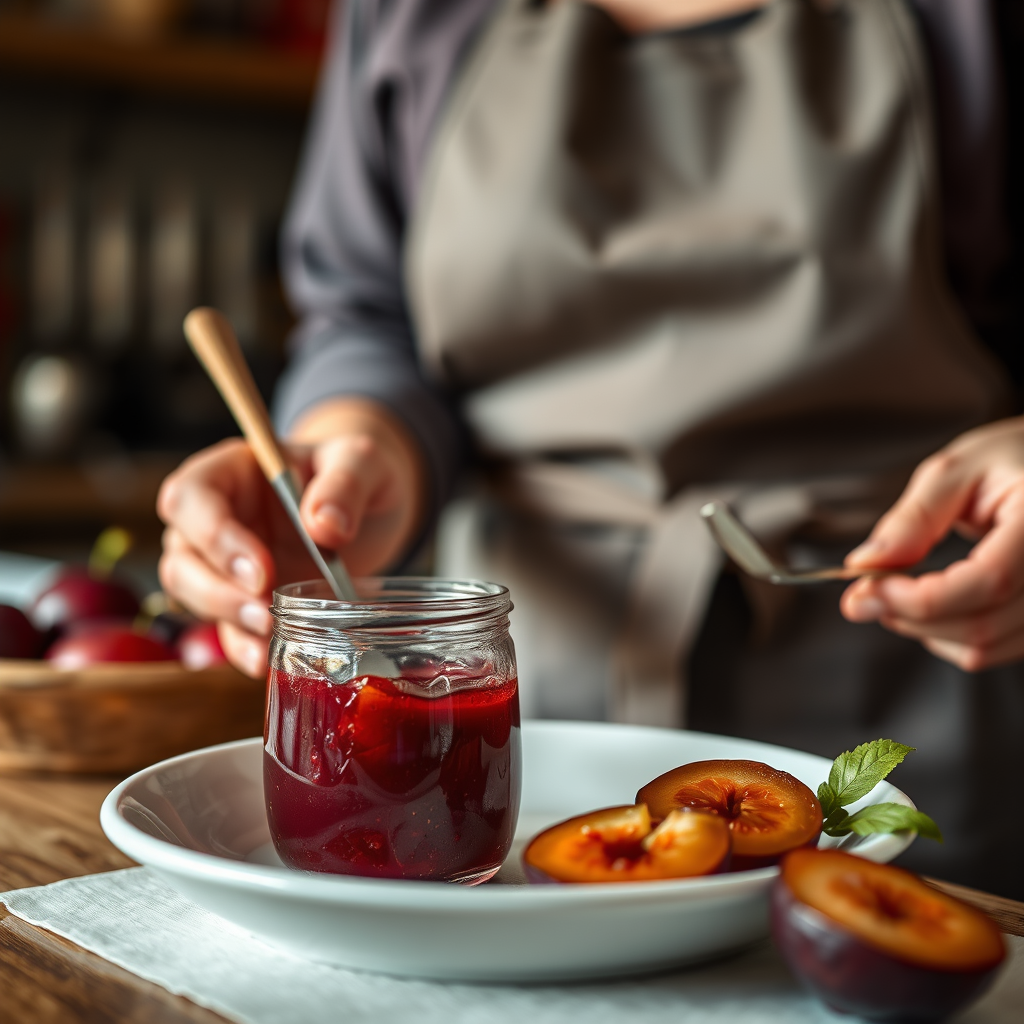
1. Gather Ingredients: You’ll need 2 pounds of ripe plums, 1 cup of granulated sugar, and 1 tablespoon of lemon juice. Make sure the plums are firm and free from blemishes.
2. Prepare the Plums: Wash the plums thoroughly under running water, remove the pits, and chop them into small pieces. This should yield about 4 cups of chopped fruit.
3. Cook the Jam: In a large, heavy-bottomed pot, combine the chopped plums, sugar, and lemon juice. Cook on medium heat until the mixture begins to simmer, stirring occasionally to prevent sticking, about 5-10 minutes.
4. Achieve the Right Consistency: Continue cooking for approximately 20-30 minutes or until the jam reaches a gel-like consistency. Use a spoon to check for thickness; it should coat the back of the spoon. A temperature of 220°F (104°C) on a candy thermometer indicates it’s ready.
5. Jar the Jam: Pour the hot jam into sterilized jars, leaving about 1/4 inch of headspace. Wipe the rims with a clean, damp cloth to remove any residue before sealing with sterilized lids.
6. Process the Jars: Place the filled jars in a boiling water bath for 10 minutes to ensure proper sealing. Adjust for altitude if necessary; for elevations above 1,000 feet, increase processing time by 1 minute for every additional 1,000 feet.
7. Cool and Store: Allow the jars to cool completely at room temperature, about 12-24 hours. Check seals by pressing the center of each lid; it should not pop back. Store in a cool, dark place for up to one year.
Plum Varieties for Jam Making
| # | Variety | Sugar Content (%) | Best Use | Flavor Profile |
|---|---|---|---|---|
| 1 | Stanley | 12-15% | Jam | Sweet, Rich |
| 2 | Damson | 8-10% | Jelly | Tart, Bold |
| 3 | Satsuma | 10-12% | Jam | Sweet, Fragrant |
| 4 | Black Amber | 14-17% | Jam | Sweet, Complex |
| 5 | Pioneer | 12-14% | Jam | Sweet, Juicy |
| 6 | Green Gage | 10-12% | Jam | Sweet, Floral |
| 7 | Mirabelle | 9-11% | Jam | Sweet, Tangy |
Warning Signs: When Not to Follow This
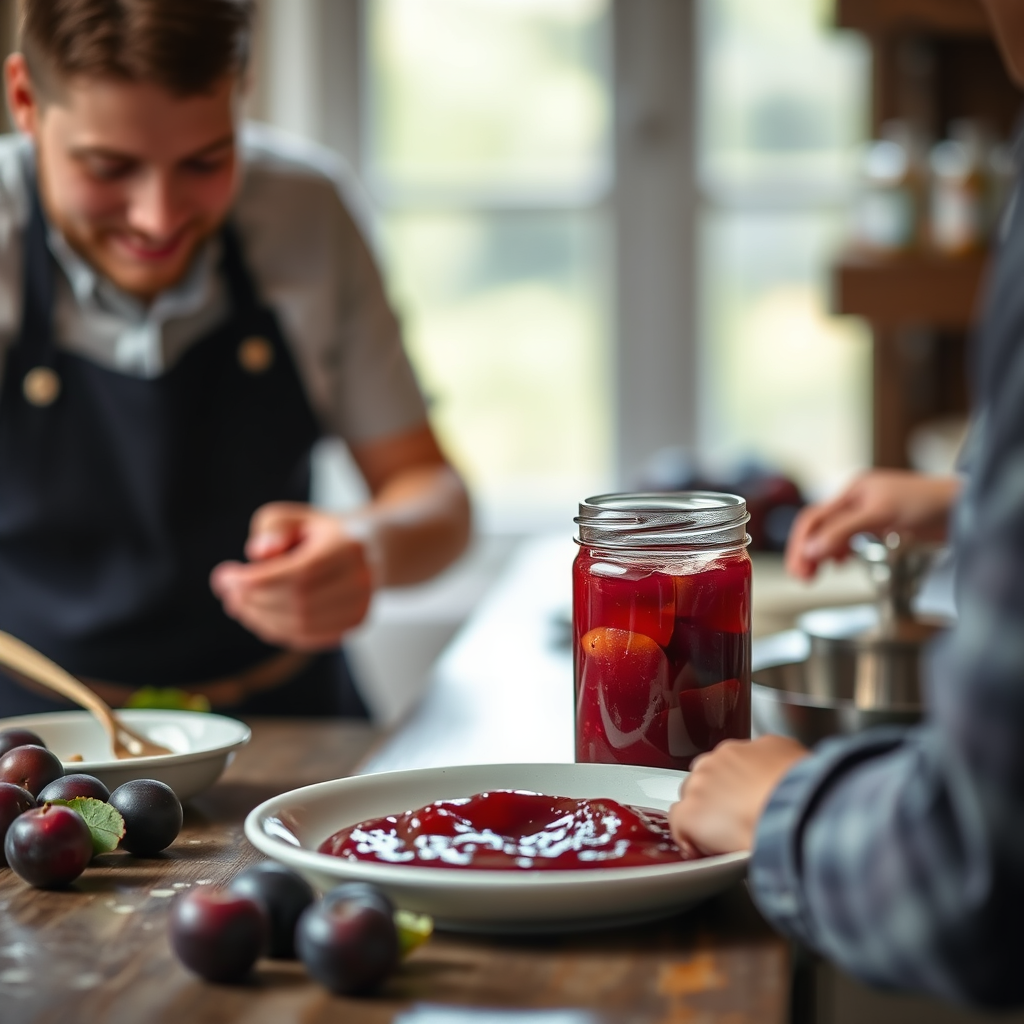
– Avoid this recipe if your plums show visible mold or are overly bruised, as such conditions can compromise the quality and safety of the jam.
– If you’re not familiar with basic canning safety practices, such as proper jar sterilization methods, it’s crucial to educate yourself to prevent contamination. Resources like the USDA Complete Guide to Home Canning can provide valuable insights.
– Refrain from attempting this recipe if you have known allergies to any ingredients, especially sugar or citrus present in the lemon juice.
– If you cannot maintain proper hygiene standards in your kitchen, it’s best to postpone jam-making until you can ensure a clean environment.
The Most Common Mistakes (And Their Consequences)
– One prevalent mistake is using unripe plums, resulting in a jam that lacks flavor and sweetness. Always select fully ripe fruits for the best outcome.
– Overcooking the jam can lead to a burnt taste and undesirable texture, while undercooking may prevent the jam from setting properly. Aim for a cooking duration of 20-30 minutes.
– Neglecting to sterilize jars effectively can result in spoilage and foodborne illness, as harmful bacteria may survive in improperly cleaned containers. Always use the boiling method to sterilize jars before filling.
– Skipping the water bath canning step may cause jars to seal incorrectly, leading to spoilage or fermentation during storage. Processing jars in a boiling water bath for the recommended time is crucial for safety.
Special Cases That Need a Different Approach
– When using wild plums, be aware that they may have higher acidity levels, necessitating adjustments in sugar content or the addition of pectin for proper gelling. Consider testing a small batch first.
– For those preferring a low-sugar option, using sugar substitutes can affect the texture and setting of the jam. Products specifically designed for low-sugar recipes may be necessary.
– If you plan to make larger batches (more than 4 cups), it’s advisable to process the jam in smaller portions to ensure even cooking and proper sealing. Larger quantities can risk uneven heat distribution.
– In areas with high humidity, you may need to increase processing time in the boiling water bath to ensure jars seal correctly. An additional 5 minutes might be warranted under these conditions.
When You Need a Professional
– If you have concerns about the safety of your ingredients or food allergies, consult a registered dietitian or food safety expert for personalized advice.
– For long-term jam storage (beyond one year), seek guidance from a professional canning expert to avoid spoilage. Their expertise can help you understand the best preservation techniques.
– If you experience issues with jar seals after cooling (such as a popping sound or failure to maintain a vacuum), consider reaching out to a local extension office or canning expert for assistance.
– If you have health conditions that may be affected by homemade preserves, such as diabetes, consult a healthcare professional to ensure this recipe aligns with your dietary needs.
Sources and Further Reading
– USDA Complete Guide to Home Canning: A comprehensive resource on safe canning practices and recipes, including fruit jams.
– “The Ball Book of Canning and Preserving”: A trusted reference for canning techniques and detailed recipes for various jams, including plum.
– National Center for Home Food Preservation: Offers guidelines on food safety and preservation methods, including tips for successful canning.
– Local Cooperative Extension Offices: Provide community resources, classes, and expert advice on safe canning practices and seasonal fruit use.
Frequently Asked Questions
What ingredients do I need for an easy plum jam recipe?
To make an easy plum jam, you will need ripe plums, sugar, lemon juice, and pectin. The plums should be washed, pitted, and chopped. Using fresh ingredients ensures the best flavor and texture in your homemade jam.
How do I prepare plums for making jam?
To prepare plums for jam, start by washing them thoroughly under running water. Then, remove the pits and chop the fruit into small pieces. This helps the fruit cook down faster and enhances the overall consistency of your easy plum jam.
Why is pectin important in my plum jam recipe?
Pectin is a natural thickening agent that helps your plum jam achieve the desired gel-like consistency. Without pectin, the jam may remain too runny. Using the right amount of pectin is crucial for ensuring your easy plum jam sets properly.
What is the best way to store homemade plum jam?
The best way to store homemade plum jam is in sterilized jars with airtight lids. After cooling, keep the jam in the refrigerator for up to three weeks or process it in a water bath for longer shelf life. Proper storage prevents spoilage and keeps your easy plum jam fresh.
Which cooking method is best for making easy plum jam?
The best cooking method for making easy plum jam is using a heavy-bottomed pot on medium heat. This allows for even cooking and prevents the jam from burning. Stirring frequently while cooking ensures that the fruit releases its juices and the sugar dissolves completely, resulting in a smooth, flavorful jam.
References
- Fruit preserves
https://en.wikipedia.org/wiki/Jam - https://www.verywellfit.com/how-to-make-jam-4687319
https://www.verywellfit.com/how-to-make-jam-4687319 - https://www.foodsafety.gov/food-safety-charts/safe-jam-jelly-making
https://www.foodsafety.gov/food-safety-charts/safe-jam-jelly-making - https://www.extension.iastate.edu/foodsafety/foodpreservation/jamsjellies.html
https://www.extension.iastate.edu/foodsafety/foodpreservation/jamsjellies.html - Page not found
https://www.clemson.edu/extension/food_safety/food_preservation/preserving_fruits/jams_jellies.html - https://www.nal.usda.gov/legacy/fnic/food-safety-education-resources
https://www.nal.usda.gov/legacy/fnic/food-safety-education-resources - Google Scholar Google Scholar
https://scholar.google.com/scholar?q=plum+jam+recipe - Google Scholar Google Scholar
https://scholar.google.com/scholar?q=fruit+preservation+methods - Google Scholar Google Scholar
https://scholar.google.com/scholar?q=easy+jam+recipes - Synthesis of Multi-walled Carbon Nanotubes Modified with Silver Nanoparticles and Evaluation of T…
https://www.ncbi.nlm.nih.gov/pmc/articles/PMC6101172/