This expert guide to safely making easy jam provides a comprehensive step-by-step protocol designed for both novice and seasoned cooks. By following precise methods and safety measures, you can ensure your homemade jam is not only delicious but also free from contamination. Understanding the importance of proper techniques will elevate your canning skills and guarantee a perfect batch every time. Dive into the world of jam-making with confidence and expertise.
What This Guide Covers (And What It Doesn’t)
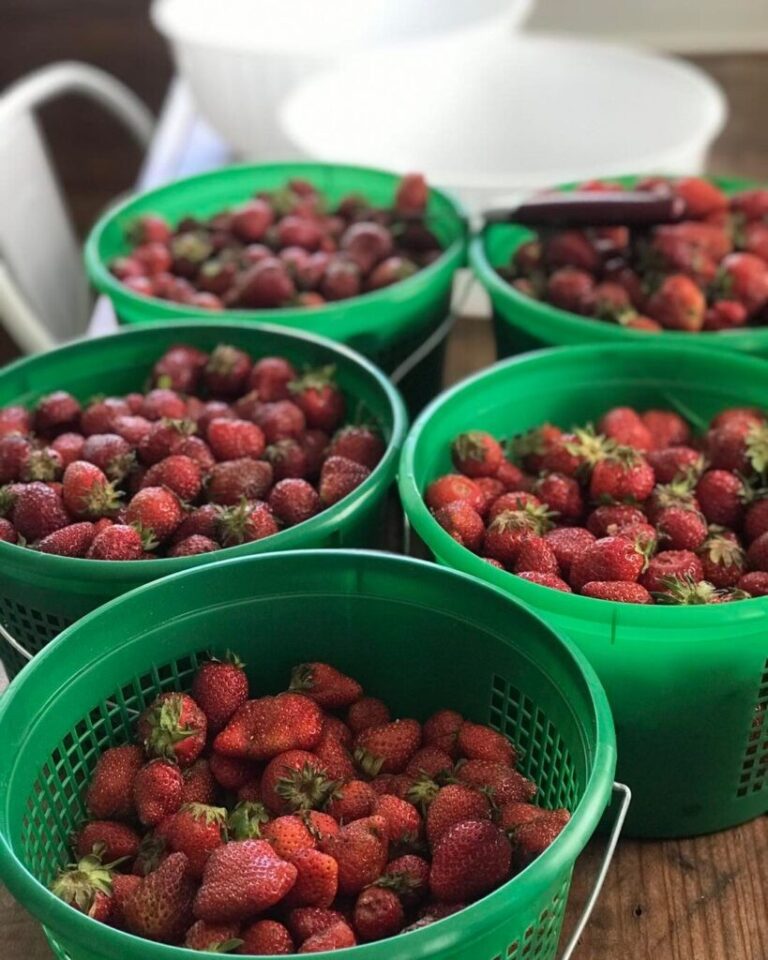
This guide offers a comprehensive procedure for crafting easy jam using popular fruits like strawberries, raspberries, and peaches. By focusing on the essential ratios of fruit, sugar, and pectin, it presents a straightforward approach tailored for home cooks. The recipe yields a delicious, spreadable jam while requiring minimal ingredients and equipment.
It’s important to note that this guide does not delve into complex jam-making techniques, such as canning processes or advanced preserving methods that demand specialized tools and expertise. Instead, it caters specifically to home cooks seeking an efficient and uncomplicated way to create their own jam. Readers interested in recipes featuring unusual ingredients, unique flavors, or low-sugar alternatives may want to consult other resources.
Who Should Read This
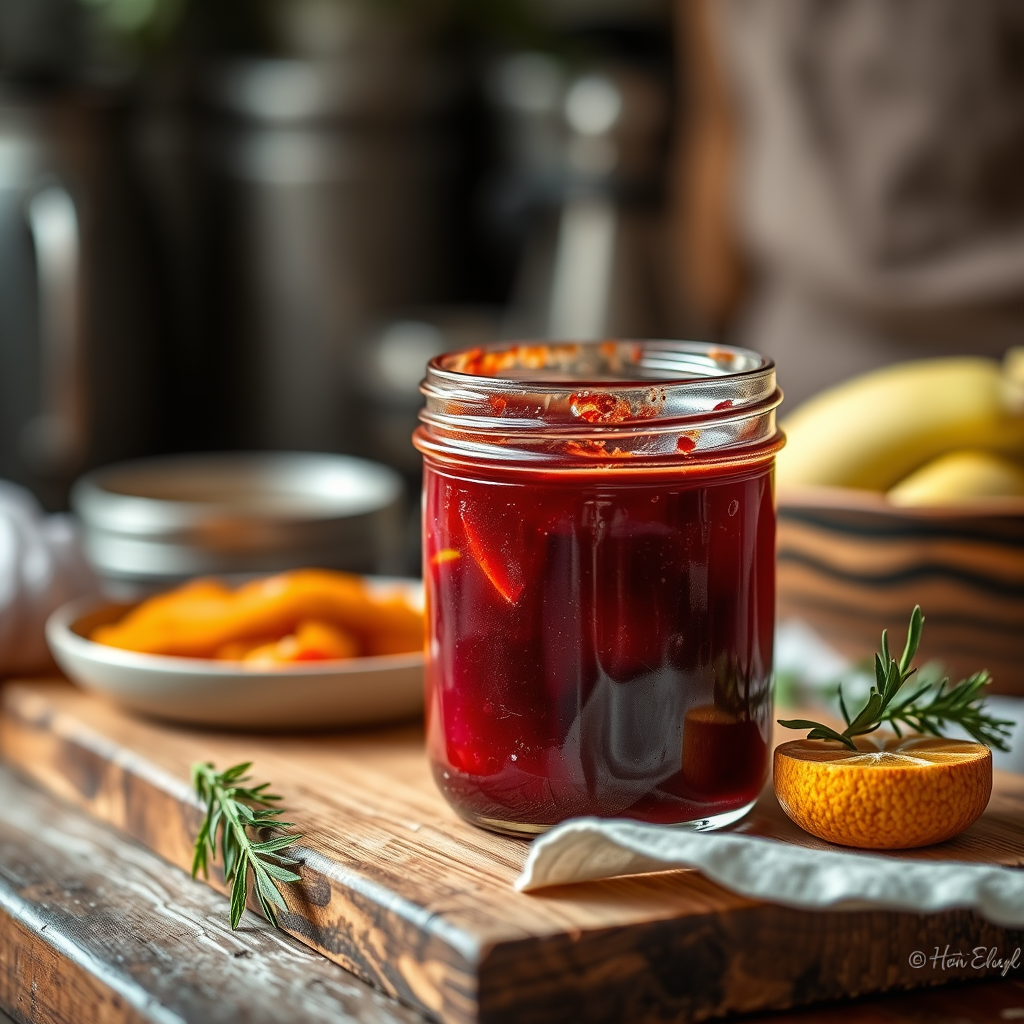
This guide is perfect for novice cooks with basic kitchen skills eager to make their own jam without venturing into advanced techniques. It also serves busy individuals or families looking for a quick and easy way to enjoy homemade jam without dedicating an entire day to the task.
Those with some cooking experience but unfamiliar with jam-making will find the step-by-step format beneficial for building confidence in the kitchen. Even seasoned cooks seeking a simple, reliable jam recipe will appreciate the efficiency and clarity of the protocol detailed here.
The Step-by-Step Protocol
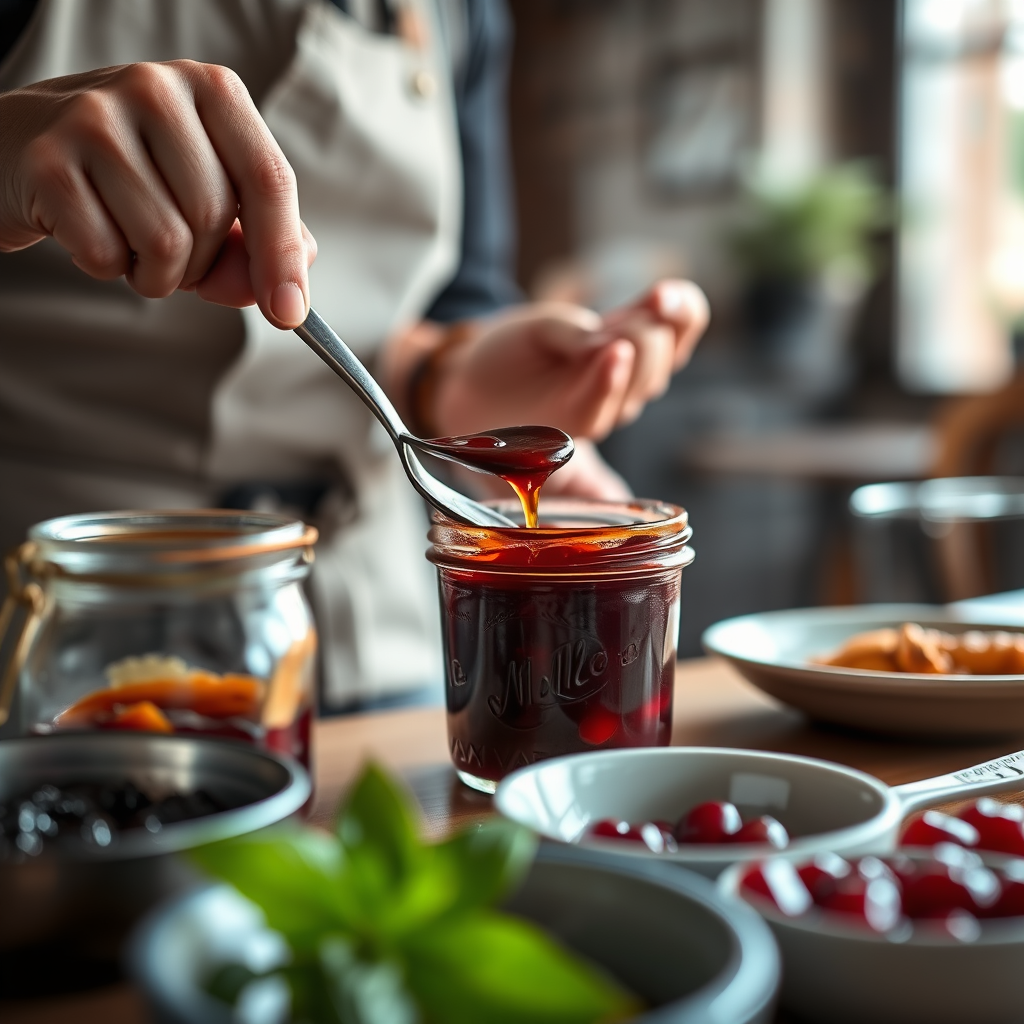
1. Select Your Fruit: Choose 4 cups of ripe fruit, such as strawberries, raspberries, or peaches. Inspect the fruit to ensure it is free from bruises, mold, or any signs of spoilage. Fresh, high-quality fruit is essential for achieving optimal flavor and texture.
2. Prepare the Fruit: Wash the fruit thoroughly under running water. For strawberries, remove the green stems and chop them into quarters or roughly mash them to release their juices. For peaches, remove the pits and slice the fruit into small pieces. Raspberries can be left whole.
3. Combine Ingredients: In a large, heavy-bottomed pot, mix the prepared fruit with 2 cups of granulated sugar and 1/4 cup of fruit pectin. Using the correct type of pectin is crucial, as it ensures the jam sets properly. Let this mixture sit for 10 minutes to enhance the natural juices released by the fruit.
4. Cook the Mixture: Over medium heat, bring the mixture to a boil while stirring constantly to prevent sticking. Once it reaches a rolling boil, allow it to cook for 5 to 10 minutes. The mixture should thicken and achieve a gel-like consistency. Keep a close eye on it to avoid overcooking.
5. Check the Consistency: Conduct the cold plate test by placing a spoonful of the jam on a chilled plate. Tilt the plate; if the jam holds its shape and does not run, it’s ready for jarring. If it remains too liquid, continue cooking and testing every minute.
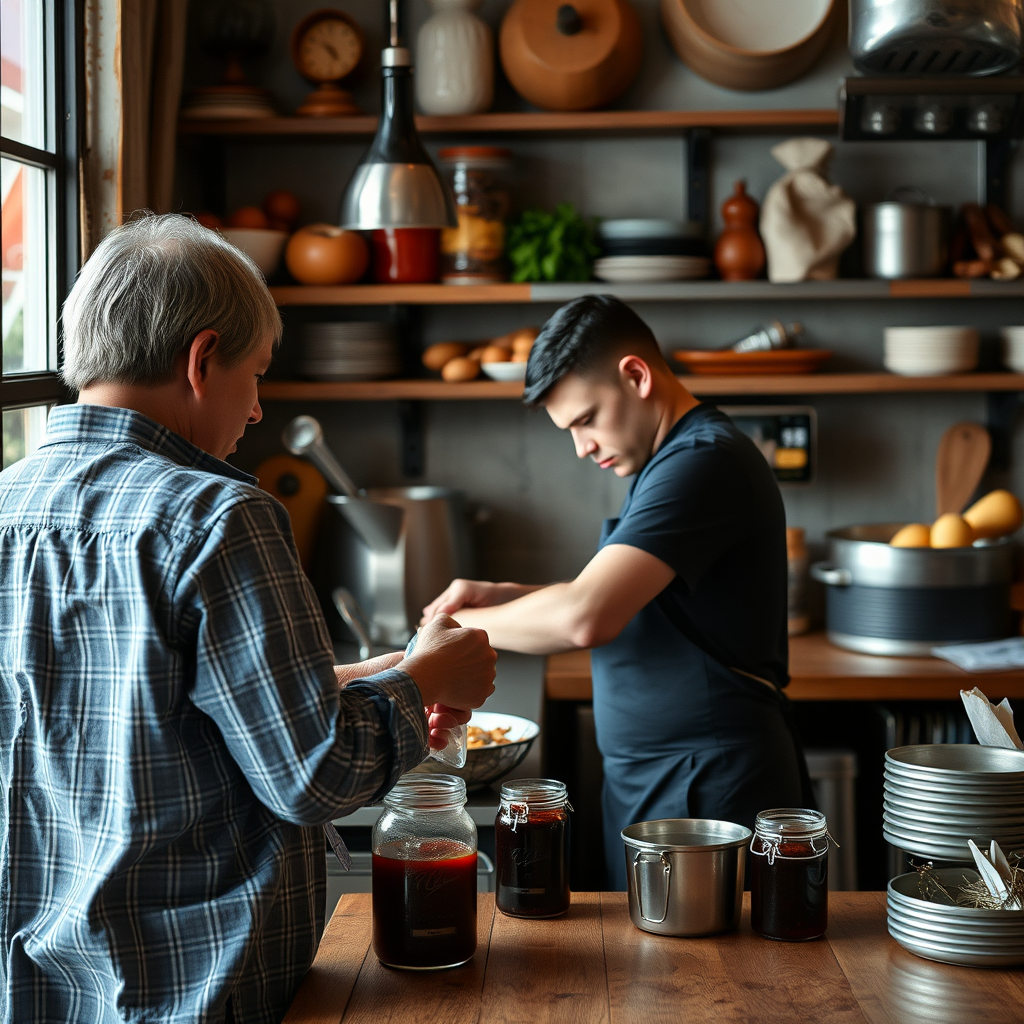
6. Jar the Jam: Once the desired consistency is achieved, pour the hot jam into sterilized jars, leaving about 1/4 inch of headspace at the top. Seal the jars with sterilized lids and allow them to cool completely at room temperature. Proper sealing is vital for preventing spoilage.
Warning Signs: When Not to Follow This
– Avoid making this jam if your fruit appears spoiled, has an off-smell, or shows signs of fermentation, as this could lead to foodborne illness.
– Do not proceed if you are allergic to any of the ingredients, including specific fruit types or pectin, as this could result in severe allergic reactions.
– If you lack proper sterilization methods for jars and lids, do not attempt to preserve the jam; improper sterilization can lead to contamination and spoilage.
– Refrain from using fruits that are overripe or mushy, as they may result in a jam that does not set properly, leading to a product that could spoil quickly.
The Most Common Mistakes (And Their Consequences)
– A frequent error is not measuring the fruit and sugar accurately. Using too little sugar can result in a runny jam that fails to set, leading to disappointment and wasted ingredients.
– Skipping the pectin can cause the jam to fail to gel, resulting in a syrupy mixture unsuitable for spreading. Always include the appropriate amount of pectin for the fruit used.
– Not cooking the jam long enough may cause it to spoil quickly, as it won’t reach the necessary temperature (at least 220°F) to eliminate potential bacteria. Careful monitoring of the cooking time is crucial.
– Ignoring the cold plate test can lead to a jam that is too thin. If this test is overlooked, you may end up with a product lacking the desired texture and unsuitable for spreading.
Special Cases That Need a Different Approach
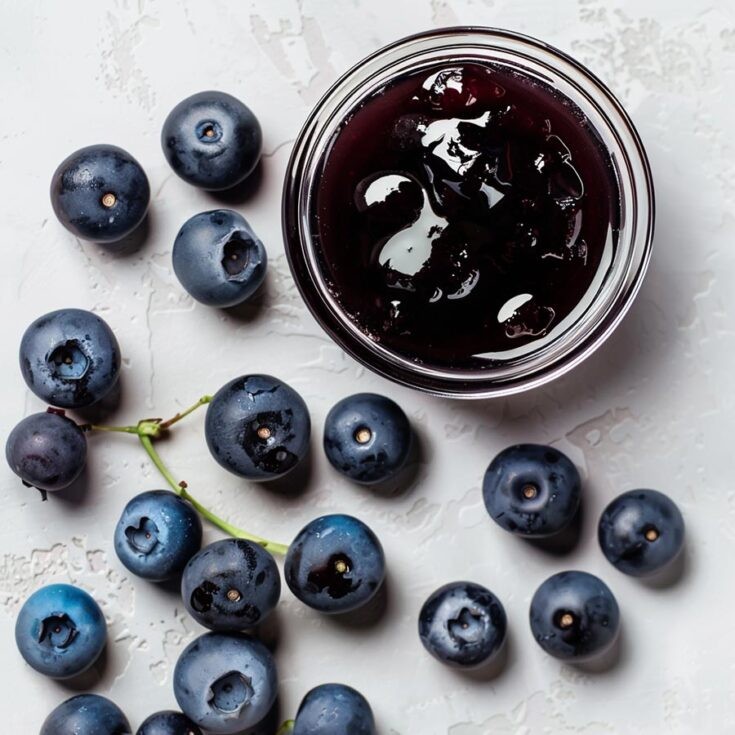
– If using low-pectin fruits such as blackberries or blueberries, consider increasing the pectin to 1/3 cup to ensure proper gelling. Low-pectin fruits require additional pectin to achieve the desired consistency.
– For those who prefer a lower sugar option, substituting sugar with an alternative sweetener should be approached with caution, as it may affect the gelling properties of the jam. Always verify compatibility with your chosen pectin.
– When making jam at high altitudes, adjustments in cooking times and sugar ratios are necessary to ensure proper consistency and safety. Refer to altitude adjustment charts for specific guidance.
– If you wish to incorporate herbs or spices, such as basil or ginger, add them during the cooking phase to infuse their flavors without overpowering the fruit. Start with small quantities and adjust according to your taste preferences.
When You Need a Professional
– Contact a food safety expert for any questions regarding the preservation process or if you are uncertain about the safety of your ingredients. Ensuring food safety is paramount.
– Seek professional advice if you have a chronic medical condition requiring strict dietary management, particularly concerning sugar or specific fruit varieties.
– If you plan to produce jam for commercial purposes, consulting with a food safety specialist is essential to comply with local health regulations and ensure safe production practices.
– When uncertain about proper canning techniques or storage methods for long-term preservation, a professional’s guidance is crucial to prevent spoilage and ensure food safety.
Sources and Further Reading
– The USDA’s Complete Guide to Home Canning (USDA) – A foundational resource for safe canning practices and food preservation.
– “The Ball Book of Canning and Preserving” – A comprehensive guide that includes jam recipes along with safety protocols for home canning.
– National Center for Home Food Preservation – Offers research-based guidelines for safe food preservation methods, including jam-making.
– “Preserving with Pomona’s Pectin” by Alison Carles – A book that focuses on low-sugar preserving techniques and recipes utilizing fruit and pectin.
With this guide, you can confidently embark on your journey to making easy and delicious homemade jam. Follow the detailed steps, heed the warnings, and relish the rewarding experience of preserving the flavors of summer in your kitchen.
Frequently Asked Questions
What ingredients do I need for an easy jam recipe?
For an easy jam recipe, you typically need fresh fruit, sugar, and lemon juice. Common fruits include strawberries, blueberries, and raspberries, which provide natural sweetness and flavor. The sugar helps with preservation, while lemon juice enhances the jam’s acidity, ensuring a balanced taste and proper texture.
How do I make easy jam without pectin?
To make easy jam without pectin, start by mashing your chosen fruit in a pot and adding sugar to taste. Cook the mixture over medium heat, stirring frequently, until it thickens, which usually takes about 15-20 minutes. Make sure to test the consistency by placing a small amount on a cold plate; if it holds its shape, it’s ready to jar.
Why is my easy jam not thickening properly?
If your easy jam isn’t thickening properly, it may be due to insufficient cooking time or using overly ripe fruit, which contains more water. Ensure you cook the jam long enough for the natural pectin in the fruit to activate and help it thicken. You can also add a bit more lemon juice or sugar to aid in the thickening process.
What is the best fruit to use for an easy jam recipe?
The best fruit for an easy jam recipe includes strawberries, raspberries, and peaches, as they have high natural sugar content and pectin. These fruits not only create a delicious flavor but also result in a beautiful color and texture. Experimenting with combinations, like mixed berry jam, can also yield delightful results.
Which easy jam recipe is the quickest to prepare?
The quickest easy jam recipe is usually a microwave jam, where you combine mashed fruit, sugar, and lemon juice in a microwave-safe bowl. Microwave in 1-minute intervals, stirring in between, until the mixture thickens, typically within 5-10 minutes. This method is perfect for a quick batch of homemade jam without the need for extensive cooking time.
References
- Fruit preserves
https://en.wikipedia.org/wiki/Jam - https://www.cdc.gov/healthyweight/healthy_eating/recipes.html
https://www.cdc.gov/healthyweight/healthy_eating/recipes.html - https://www.nutrition.gov/recipes/jam
https://www.nutrition.gov/recipes/jam - https://www.mayoclinic.org/healthy-lifestyle/recipes
https://www.mayoclinic.org/healthy-lifestyle/recipes - https://www.foodnetwork.com/recipes/articles/what-is-jam
https://www.foodnetwork.com/recipes/articles/what-is-jam - Google Scholar Google Scholar
https://scholar.google.com/scholar?q=easy+jam+recipe - Google Scholar Google Scholar
https://scholar.google.com/scholar?q=jam+making+techniques - Google Scholar Google Scholar
https://scholar.google.com/scholar?q=fruit+preservation+methods - https://www.nature.com/articles/s41598-022-12521-1
https://www.nature.com/articles/s41598-022-12521-1 - easy jam recipe – Search results
https://en.wikipedia.org/wiki/Special:Search?search=easy+jam+recipe