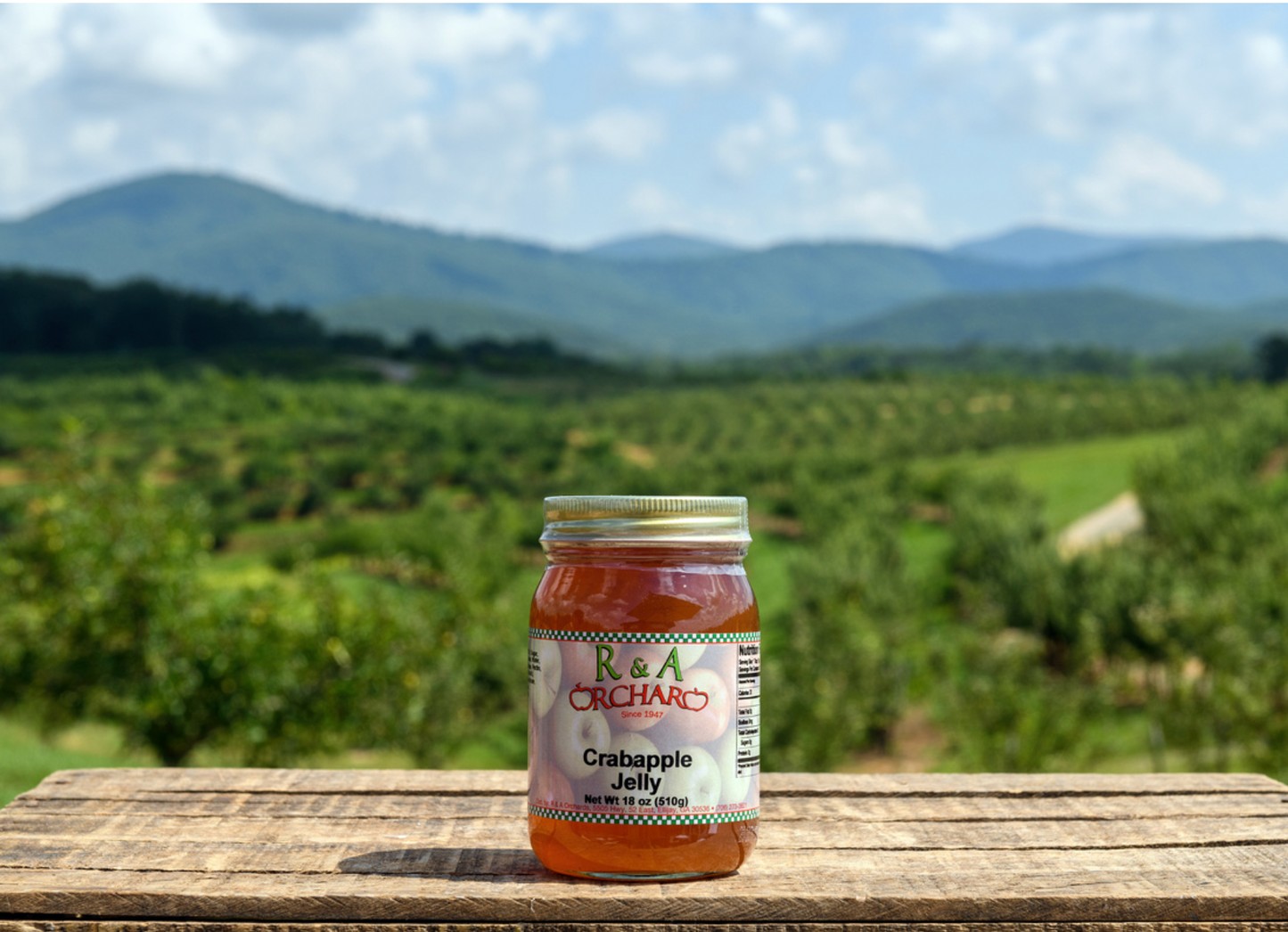
This expert guide to safely making crabapple jelly delivers precise, step-by-step instructions for producing a delicious and vibrant preserve. With careful attention to safety protocols and ingredient selection, you’ll learn how to maximize flavor while ensuring proper canning practices. Detailed insights on equipment, cooking techniques, and troubleshooting will empower both novice and seasoned cooks to master this timeless recipe. Follow this guide to enjoy the sweet rewards of homemade crabapple jelly with confidence.
What This Guide Covers (And What It Doesn’t)

This guide offers a detailed, step-by-step recipe for crafting delicious crabapple jelly. It includes all necessary ingredients, equipment, and essential techniques for effective preservation. Additionally, you’ll find crucial safety measures for canning and storage, ensuring that your jelly remains safe to consume for an extended period. However, this guide does not delve into variations of crabapple jelly or recipes for other types of fruit preserves, keeping the focus firmly on the traditional method of making crabapple jelly.
Who Should Read This

Designed for home cooks with a foundational understanding of food preservation and canning techniques, this guide is perfect for those eager to broaden their skills to include fruit jellies. It also caters to individuals interested in foraging or utilizing crabapples from local sources, even if they lack prior experience with this particular fruit. However, readers seeking complex flavor combinations or innovative jelly recipes might find this guide too concentrated on traditional methods.
The Step-by-Step Protocol
1. Gather Ingredients: Collect 4 cups of fresh crabapples, 1 cup of water, 1 package (1.75 oz) of fruit pectin, and 5 cups of granulated sugar.
2. Prepare the Crabapples: Wash the crabapples under running water, remove stems and leaves, and cut them in half without peeling.
3. Cook the Fruit: Place crabapples and water in a large pot, bring to a boil, and simmer for 30 minutes until the fruit is soft.
4. Extract Juice: Strain the mixture through a jelly bag or fine mesh strainer, allowing the juice to drip for several hours; avoid squeezing the bag to prevent cloudiness.
5. Make the Jelly: In a clean pot, combine 4 cups of the extracted juice with the pectin; bring to a rolling boil. Stir in the sugar all at once, and boil for 1 minute until the mixture thickens.
6. Jar the Jelly: Sterilize canning jars and lids in boiling water, then fill each jar with jelly, leaving 1/4 inch headspace. Wipe rims clean and seal jars.
7. Process the Jars: Place jars in a boiling water bath for 5-10 minutes to ensure a proper seal, adjusting time for altitude if necessary.
8. Cool and Store: Remove jars and let them cool completely on a clean towel or cooling rack; check seals after 24 hours and store in a cool, dark place.
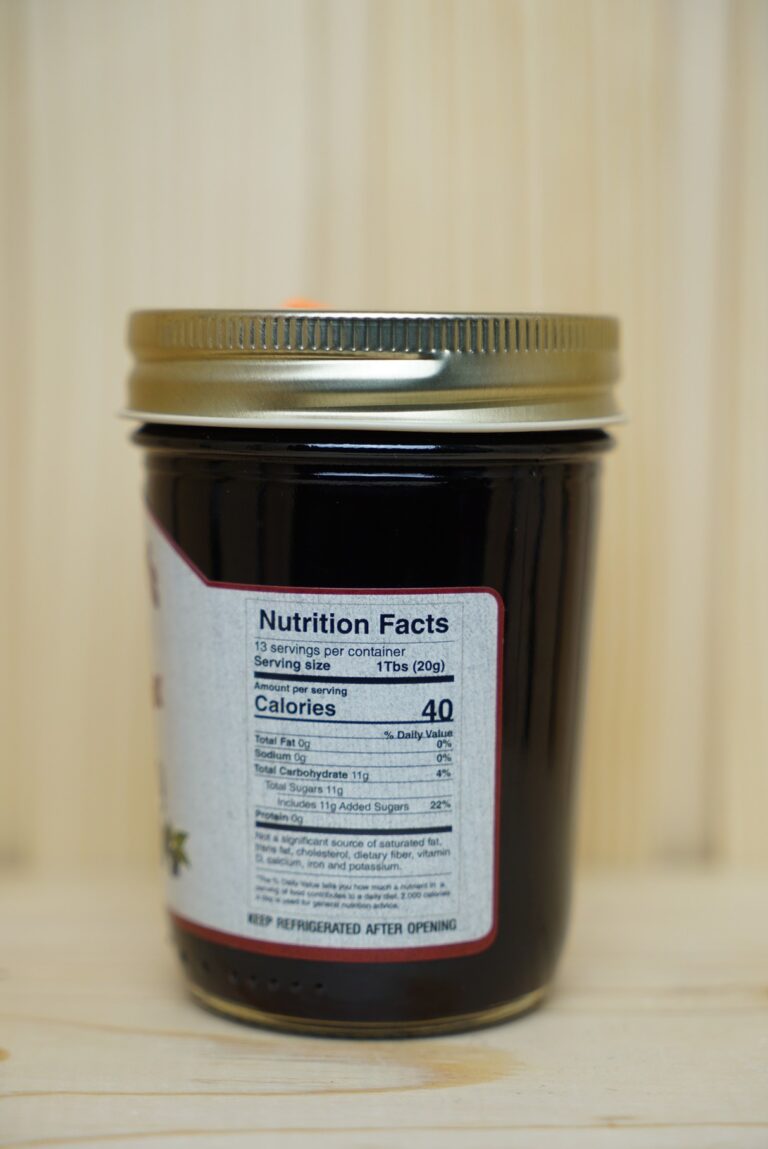
Nutritional Information for Crabapple Jelly (per tablespoon)
| # | Nutrient | Amount | % Daily Value | Comments |
|---|---|---|---|---|
| 1 | Calories | 50 | 3% | Per tablespoon |
| 2 | Total Carbohydrates | 13g | 4% | Primarily from sugars |
| 3 | Sugars | 12g | N/A | Natural and added sugars |
| 4 | Dietary Fiber | 0g | 0% | No fiber content |
| 5 | Protein | 0g | 0% | Minimal protein content |
| 6 | Fat | 0g | 0% | No fat content |
| 7 | Vitamin C | 1% DV | 1% | Antioxidant properties |
Warning Signs: When Not to Follow This

– Do not attempt this recipe if the crabapples exhibit signs of spoilage, such as mold, an off smell, or excessive bruising, as this can compromise the safety of the jelly.
– If you lack proper canning equipment, such as a water bath canner, jars, and lids, refrain from proceeding, as this could lead to unsafe preservation.
– Avoid making jelly if you are unfamiliar with the water bath canning process; improper sealing can result in bacterial growth, including botulism.
The Most Common Mistakes (And Their Consequences)
– A frequent mistake is not using enough sugar, which can result in jelly that fails to set properly; the correct ratio of juice to sugar is essential for achieving the desired consistency.
– Inadequate sterilization of jars can lead to spoilage and contamination; always ensure jars are properly sanitized before filling them.
– Rushing the juice extraction process can lead to cloudy jelly; exercising patience during straining is key to ensuring clarity.
Special Cases That Need a Different Approach
– When using overripe crabapples, the resulting jelly may become overly sweet and not set properly; consider adjusting sugar levels or combining with tart apples for balance.
– Those living at high altitudes (above 1,000 feet) may need to extend processing times for canning; consult a canning guide for specific adjustments based on your altitude.
– Individuals with dietary restrictions may want to experiment with alternative sweeteners or pectin products; however, these substitutions require different ratios and methods to ensure a proper set.
When You Need a Professional
– If you are uncertain about the safety of your crabapples or the canning process, consult a licensed food preservation expert, especially if you detect any signs of spoilage.
– Seek professional guidance if you are new to canning, as improper techniques can pose serious health risks.
– If you wish to experiment with unusual ingredients or non-traditional methods that deviate from established recipes, a professional can help ensure safe practices.
Sources and Further Reading
– “So Easy to Preserve” by the University of Georgia Cooperative Extension is an authoritative text on safe canning practices.
– The National Center for Home Food Preservation provides comprehensive resources on canning and food preservation techniques.
– Look for local extension services or community workshops that offer hands-on training in food preservation methods, including jelly making.
With this guide in hand, you’re well-equipped to embark on the rewarding journey of making crabapple jelly. Enjoy the process and the delicious results!
Frequently Asked Questions
What ingredients are needed for a crabapple jelly recipe?
To make crabapple jelly, you will need fresh crabapples, water, sugar, and commercial pectin. Typically, about 4 cups of crabapple juice, 5 cups of sugar, and 1 packet of pectin are used, though the specific amounts can vary depending on the desired sweetness and consistency of the jelly.
How do I prepare crabapples for making jelly?
Start by thoroughly washing the crabapples to remove any dirt or pesticides. Next, core and chop the apples without peeling them, as the skins contain pectin that helps the jelly set. Simmer the chopped crabapples with water until they are soft, and then strain the mixture to extract the juice.
Why does my crabapple jelly not set properly?
If your crabapple jelly does not set, it may be due to insufficient pectin or not cooking it long enough to reach the right temperature. Ensure you are using the correct amount of pectin and check the jelly’s temperature with a candy thermometer; it should reach 220°F for proper setting. If necessary, you can reprocess the jelly with additional pectin.
What is the best way to store homemade crabapple jelly?
The best way to store homemade crabapple jelly is to place it in sterilized canning jars and seal them properly. Store the jars in a cool, dark place, such as a pantry or cellar. Once opened, keep the jelly in the refrigerator to maintain freshness, where it can last for several weeks.
Which crabapple varieties are best for making jelly?
The best crabapple varieties for making jelly include the Dolgo, Whitney, and Centennial types, as they have a good balance of tartness and sweetness. These varieties also have high pectin content, which helps the jelly achieve a firm texture. Look for firm, ripe fruits for the best flavor in your crabapple jelly.
References
- Malus
https://en.wikipedia.org/wiki/Crabapple - https://www.extension.purdue.edu/extmedia/ID/ID-160-W.pdf
https://www.extension.purdue.edu/extmedia/ID/ID-160-W.pdf - https://www.extension.umn.edu/garden/yard-garden/food/canning-jelly-jam/
https://www.extension.umn.edu/garden/yard-garden/food/canning-jelly-jam/ - https://www.foodsafety.gov/food-safety-charts/canning-jelly-jam
https://www.foodsafety.gov/food-safety-charts/canning-jelly-jam - Long-term oral administration of Exendin-4 to control type 2 diabetes in a rat model – PMC
https://www.ncbi.nlm.nih.gov/pmc/articles/PMC6369909/ - Google Scholar Google Scholar
https://scholar.google.com/scholar?q=crabapple+jelly+recipe - Google Scholar Google Scholar
https://scholar.google.com/scholar?q=making+jelly+from+crabapples - Google Scholar Google Scholar
https://scholar.google.com/scholar?q=crabapple+jelly+nutrition - https://www.oregon.gov/odf/Documents/ForestManagement/crabapple.pdf
https://www.oregon.gov/odf/Documents/ForestManagement/crabapple.pdf - https://www.extension.iastate.edu/publications/PM1978.pdf
https://www.extension.iastate.edu/publications/PM1978.pdf