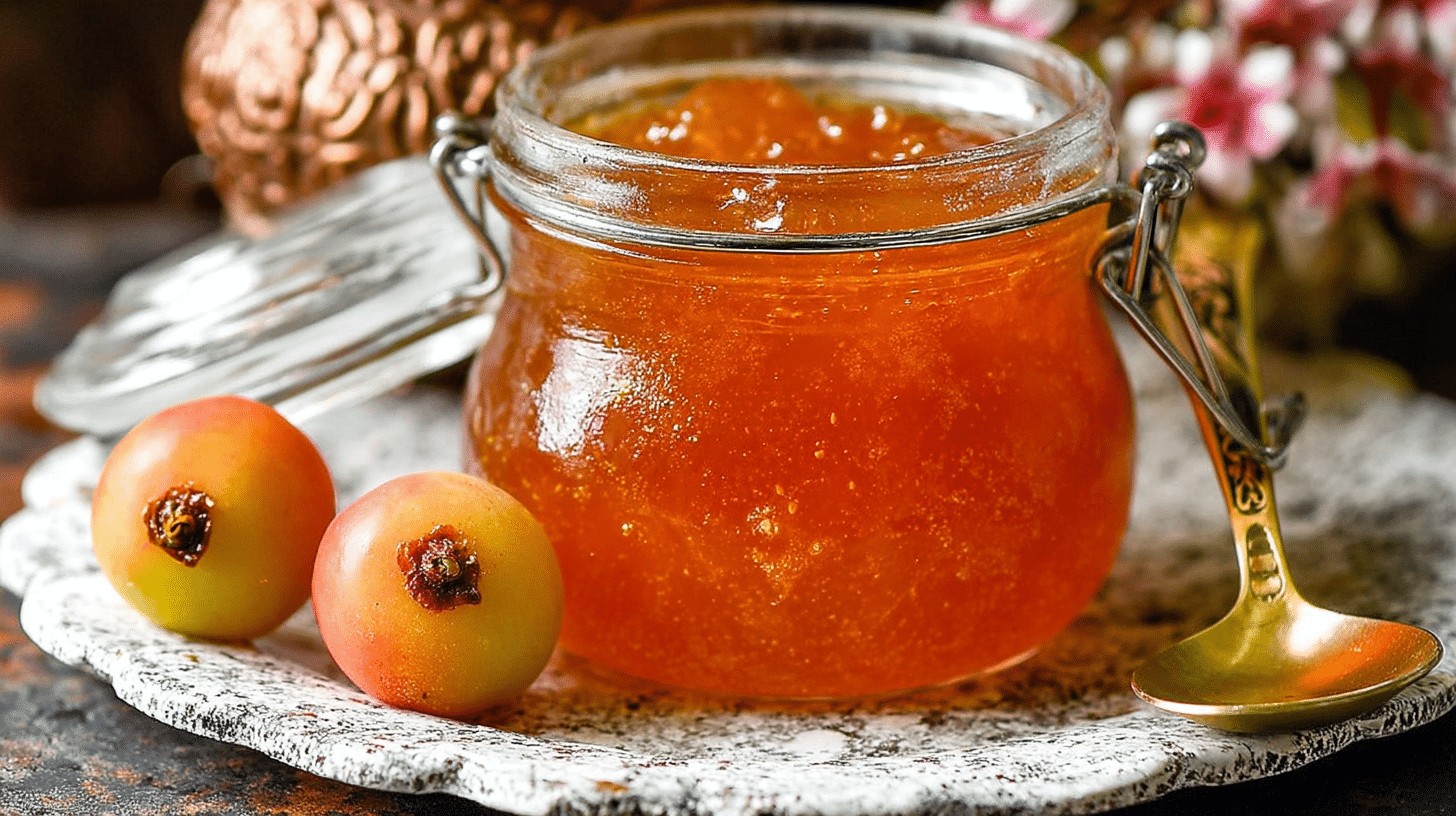
Master the art of making crab apple jelly jam with this comprehensive expert guide, designed for both novice and seasoned preservers. This detailed recipe covers essential techniques, ingredient selection, and safety protocols to ensure your homemade jelly is not only delicious but also safe to consume. Understanding proper methods is crucial to achieving the perfect texture and flavor while preventing foodborne illness. Dive in to transform your crab apples into a delightful spread that captures the essence of autumn.
What This Guide Covers (And What It Doesn’t)

This guide presents a thorough, step-by-step protocol for crafting crab apple jelly jam, detailing the essential ingredients, equipment, and techniques necessary for safe preservation. You will learn about the unique characteristics of crab apples that make them ideal for jelly making, including their sugar content and acidity levels, and how these factors influence the final product. However, this guide does not delve into recipes for other types of jams or jellies, nor does it address alternative preservation methods such as freezing or canning other fruits.
Who Should Read This

Designed for home cooks and food preservation enthusiasts, this guide assumes you already possess basic knowledge of canning and jam making. It aims to refine your skills specifically with crab apples. If you have an interest in utilizing seasonal, locally-sourced ingredients, especially if you have access to crab apple trees or markets, you will find this guide particularly useful. Conversely, those who are complete beginners or lack prior experience with the canning process may find the specifics overwhelming and should first explore introductory resources.
The Step-by-Step Protocol
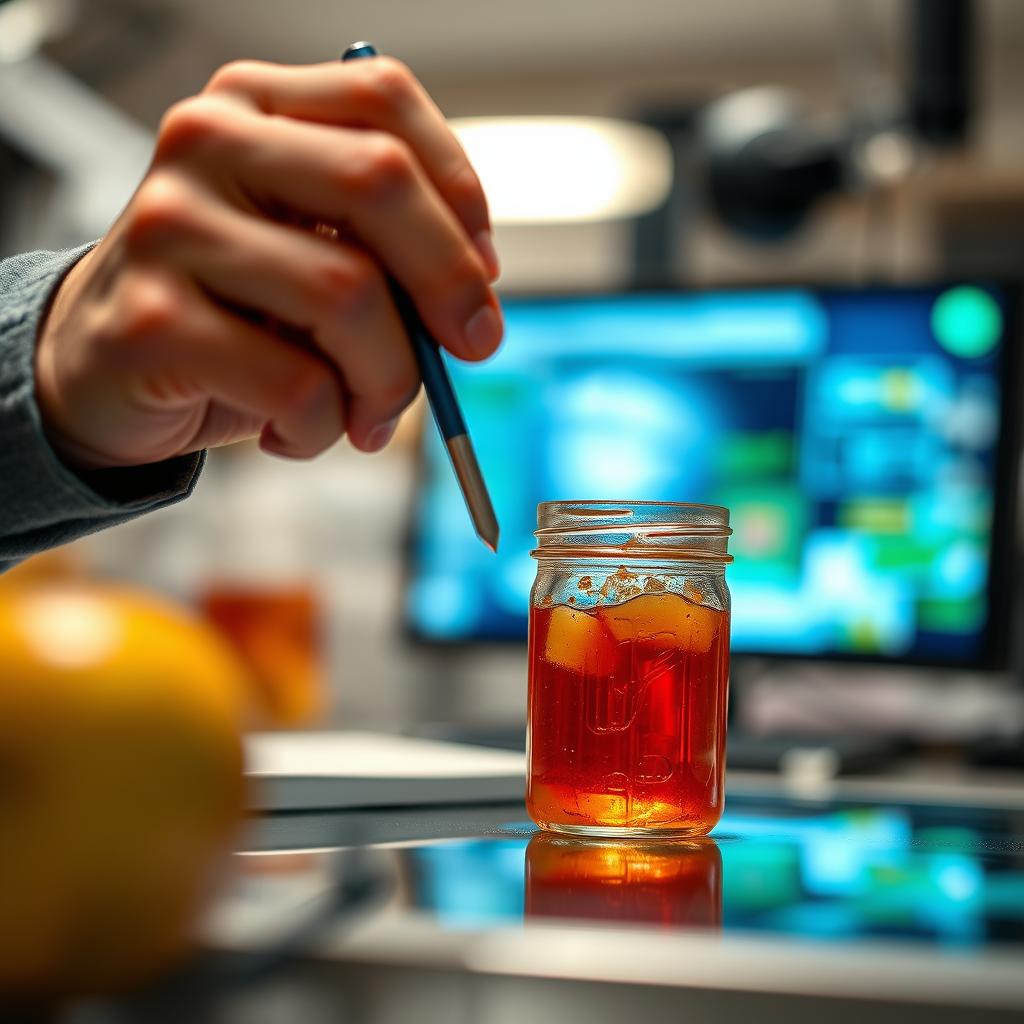
1. Gather Ingredients: Collect the following ingredients:
– 4 cups of crab apple juice
– 1/4 cup of lemon juice
– 1 package (1.75 oz) of fruit pectin
– 5 cups of granulated sugar
2. Prepare Crab Apples: Wash 2-3 pounds of crab apples thoroughly. Core and quarter them without peeling. Place the prepared fruit in a large pot and add enough water to cover the fruit.
3. Extract Juice: Simmer the apples over medium heat for 30-40 minutes until they become soft and mushy. Strain the mixture through a fine mesh sieve or cheesecloth to extract 4 cups of juice, discarding the solids to ensure a smooth jelly.
4. Cook the Jelly: In a large pot, combine the extracted crab apple juice, lemon juice, and fruit pectin. Bring this mixture to a rolling boil, then add the granulated sugar all at once. Stir constantly until the sugar is fully dissolved, and continue boiling for 1-2 minutes until the mixture reaches the gel point, approximately 220°F (104°C).
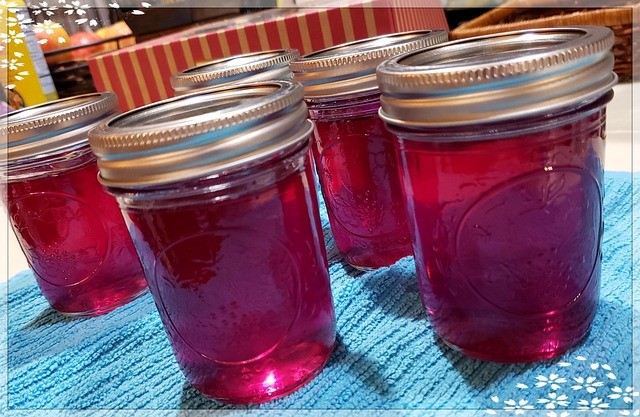
5. Jar and Process: Pour the hot jelly into sterilized jars, leaving 1/4-inch headspace. Seal the jars with lids and process them in a boiling water bath for 5-10 minutes. This crucial step ensures proper preservation and creates a vacuum seal.
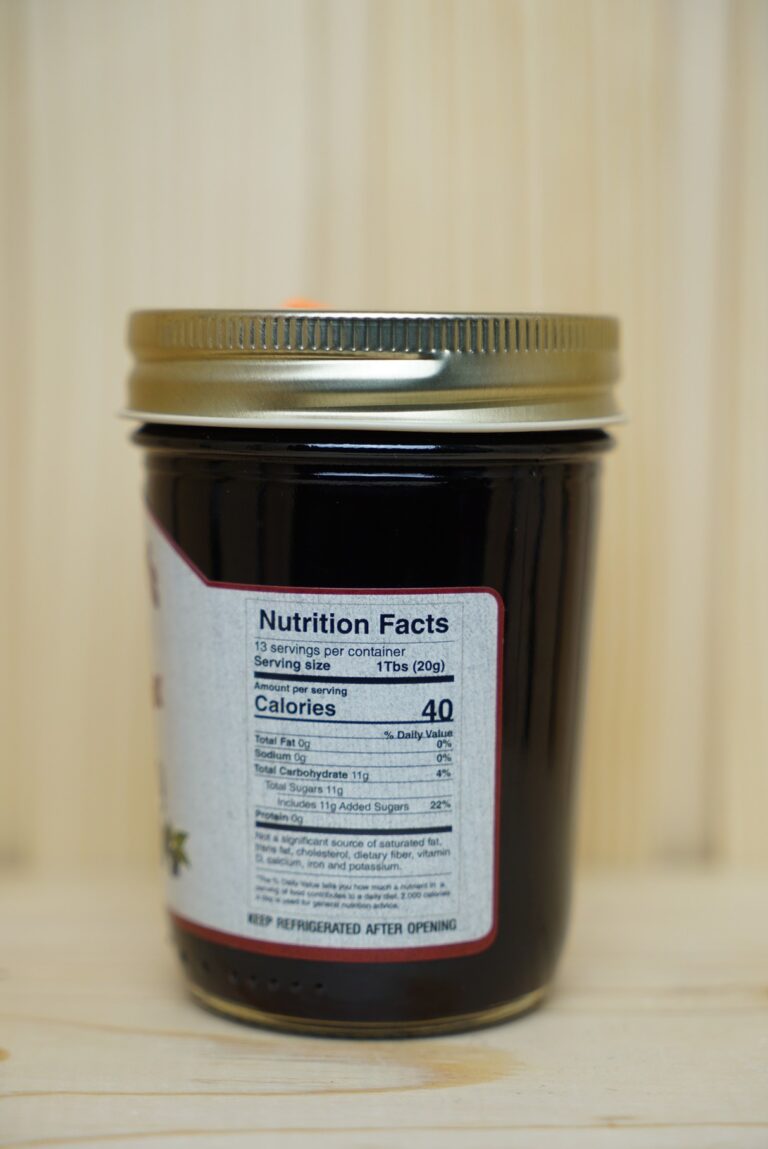
Crab Apple Jelly Jam Nutritional Profile (per tablespoon)
| # | Nutrient | Amount | % Daily Value | Calories |
|---|---|---|---|---|
| 1 | Sugar | 9g | 3% | 30 |
| 2 | Total Carbohydrates | 9g | 3% | 30 |
| 3 | Sodium | 0mg | 0% | 30 |
| 4 | Protein | 0g | 0% | 30 |
| 5 | Fat | 0g | 0% | 30 |
| 6 | Vitamin C | 2mg | 2% | 30 |
| 7 | Calcium | 1mg | 0% | 30 |
| 8 | Iron | 0mg | 0% | 30 |
| 9 | Potassium | 0mg | 0% | 30 |
| 10 | Fiber | 0g | 0% | 30 |
Warning Signs: When Not to Follow This

Do not attempt this recipe if you observe any signs of spoilage in the crab apples, such as mold, unpleasant odors, or significant bruising, as these can compromise the quality and safety of the jelly. Additionally, refrain from proceeding if you lack proper canning equipment, including a water bath canner and sterilized jars, since inadequate equipment increases the risk of spoilage or foodborne illness. If you are uncertain about maintaining the necessary boiling temperatures or have health concerns regarding sugar consumption, it is wise to reconsider this recipe.
The Most Common Mistakes (And Their Consequences)

Accuracy in measuring sugar is vital; too little can prevent the jelly from setting, while too much may result in an overly sweet product that spoils quickly. Additionally, failing to sterilize jars and lids can introduce bacteria, leading to spoilage or unsafe consumption of the jelly. Finally, neglecting to ensure the mixture reaches the gel point can yield a runny jelly; always use a candy thermometer to confirm it reaches at least 220°F for the desired consistency.
Special Cases That Need a Different Approach
When using under-ripe crab apples, consider incorporating additional pectin or lemon juice to promote proper gelling, as these fruits typically have a lower natural pectin content. For those with dietary restrictions, substituting granulated sugar with a sugar alternative will likely necessitate adjustments to the recipe, including the use of commercial pectin designed for low-sugar recipes. Furthermore, if you’re making jelly at high altitudes (above 1,000 feet), increase the processing time by 1 minute for every additional 1,000 feet to ensure effective sealing and safety.
When You Need a Professional
Consult a licensed food preservation expert if you have doubts about the acidity of your crab apples, as improper acidity levels can lead to unsafe canning practices. Should you experience any allergic reactions or adverse effects upon consuming the crab apple jelly, seek medical attention without delay, since fruit allergies can vary significantly in severity. If faced with a large batch (over 10 jars) or unusual recipe variations, consider reaching out to a local extension office or food preservation specialist for tailored guidance to ensure safety and quality.
Sources and Further Reading
– USDA Complete Guide to Home Canning — A comprehensive resource for safe canning practices and guidelines.
– National Center for Home Food Preservation — Provides research-based recommendations for home canning and preservation techniques.
– Local Extension Office Publications — Many universities offer extension services with free resources and workshops on food preservation, including crab apple jelly recipes.
Frequently Asked Questions
What are the key ingredients needed for a crab apple jelly jam recipe?
The essential ingredients for a crab apple jelly jam recipe include crab apples, sugar, water, and pectin. Crab apples provide the natural tartness and flavor, while sugar balances the acidity. Pectin is crucial for achieving the desired jelly consistency, so choose a quality brand for the best results.
How do I properly prepare crab apples for jelly making?
To prepare crab apples for jelly making, start by washing them thoroughly to remove any dirt or pesticides. Cut the apples in half and remove any stems or leaves; there’s no need to core or peel them as the skins will help extract pectin. Then, cook the apples in water until soft, which will release their natural juices for the jelly.
Why is it important to use the right type of pectin in a crab apple jelly jam recipe?
Using the right type of pectin in a crab apple jelly jam recipe is crucial because it affects the jelly’s texture and setting ability. Some pectins require sugar to be added in specific amounts, while others might be low-sugar or instant varieties. Selecting the appropriate pectin ensures that your jelly sets properly and has a smooth consistency.
What is the best method for sealing jars when making crab apple jelly?
The best method for sealing jars when making crab apple jelly involves using the water bath canning technique. After filling sterilized jars with hot jelly, wipe the rims to remove any residue, place the lids on, and process the jars in boiling water for the recommended time. This method ensures a vacuum seal, preserving your jelly for long-term storage.
Which common mistakes should I avoid when making crab apple jelly?
Common mistakes to avoid when making crab apple jelly include not measuring ingredients accurately, failing to use ripe crab apples, and skipping the sterilization process for jars. Additionally, not allowing the jelly to properly boil can lead to a runny consistency. Following the recipe closely and taking your time will help achieve the perfect jelly.
References
- Malus
https://en.wikipedia.org/wiki/Crab_apple - https://www.extension.purdue.edu/extmedia/FNR/FNR-490-W.pdf
https://www.extension.purdue.edu/extmedia/FNR/FNR-490-W.pdf - https://www.extension.umn.edu/garden/yard-garden/vegetables/crab-apple-jelly/
https://www.extension.umn.edu/garden/yard-garden/vegetables/crab-apple-jelly/ - Expert Resources | CAES Field Report
https://www.uga.edu/extension/publications/CRAB_APPLE_JELLY.pdf - Google Scholar Google Scholar
https://scholar.google.com/scholar?q=crab+apple+jelly+recipe - Google Scholar Google Scholar
https://scholar.google.com/scholar?q=crab+apple+preservation+methods - Google Scholar Google Scholar
https://scholar.google.com/scholar?q=making+jelly+from+crab+apples - https://pubmed.ncbi.nlm.nih.gov/17404253/
https://pubmed.ncbi.nlm.nih.gov/17404253/ - https://www.bbc.co.uk/food/recipes/crab_apple_jelly_32391
https://www.bbc.co.uk/food/recipes/crab_apple_jelly_32391 - Google Scholar Google Scholar
https://scholar.google.com/scholar?q=crab+apple+jelly+jam+recipe