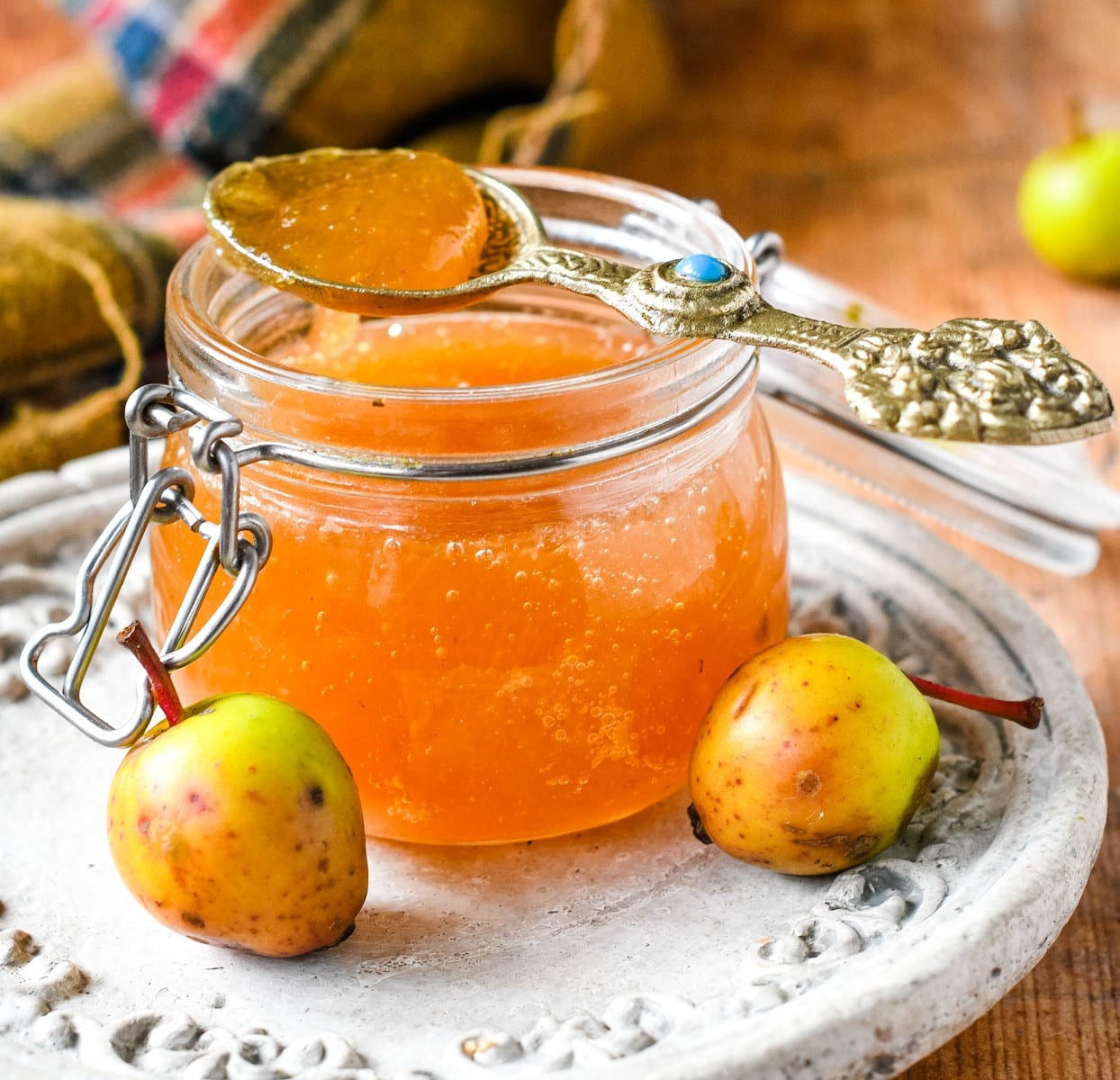
Crab apple jam is a delightful preserve that captures the tangy essence of these small fruits, and this expert guide will walk you through the precise steps to make it safely and successfully. With a focus on proper techniques and safety protocols, you’ll learn how to select the best crab apples, prepare them correctly, and ensure your jam is both delicious and safe for consumption. Following these guidelines is crucial for achieving the perfect texture and flavor while avoiding common pitfalls.
What This Guide Covers (And What It Doesn’t)
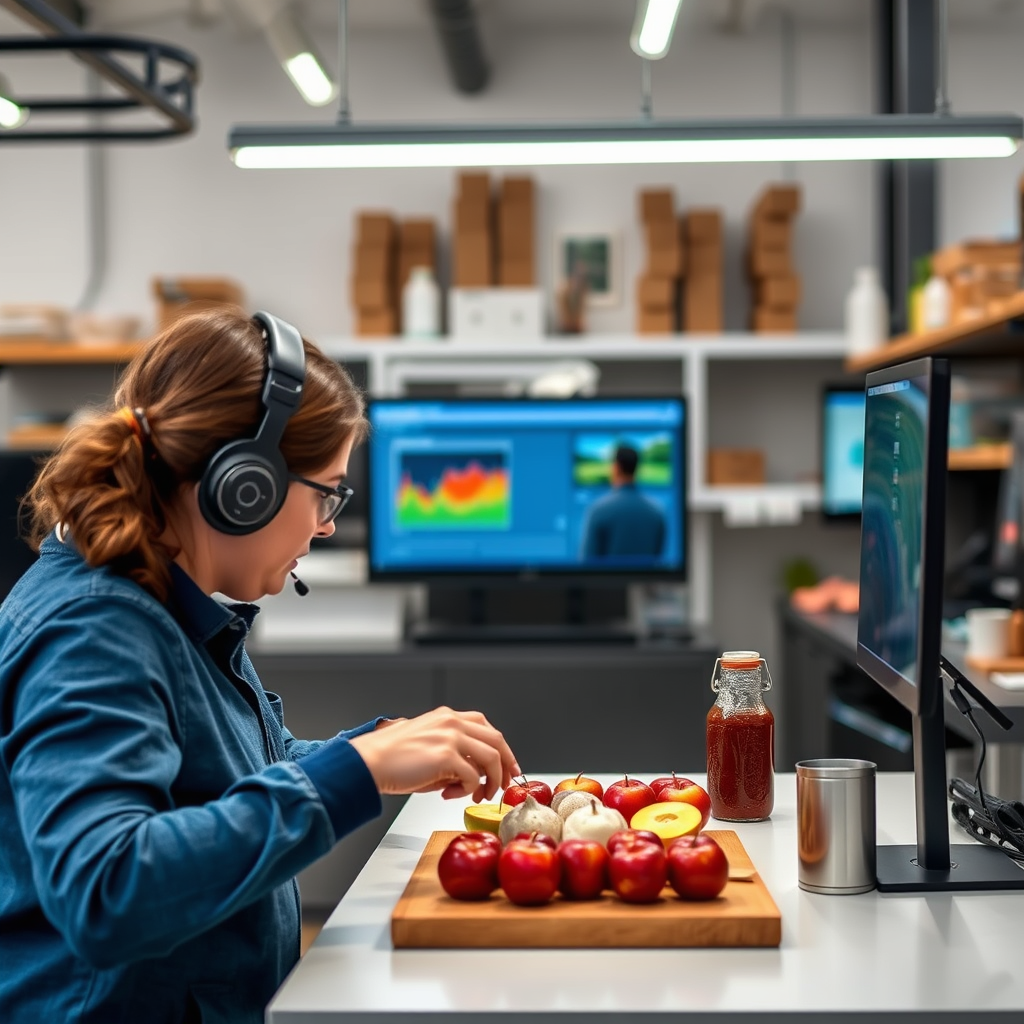
This guide offers a thorough, step-by-step process for making crab apple jam, emphasizing ingredient selection, preparation techniques, and canning methods. It does not explore alternative jam recipes or other preservation methods beyond traditional canning, maintaining a focused approach on crab apple jam. Tailored for home cooks eager to enhance their preservation skills, this guide emphasizes food safety and quality throughout the jam-making process.
Who Should Read This

This article is designed for home cooks who have a basic understanding of canning techniques and a desire to utilize seasonal fruits, particularly crab apples. Readers should have access to a kitchen equipped with essential canning supplies, including jars, lids, and a boiling water canner. Individuals looking to create homemade preserves for personal use or as gifts will find this guide especially helpful. Those interested in commercial production should consult specialized resources.
The Step-by-Step Protocol
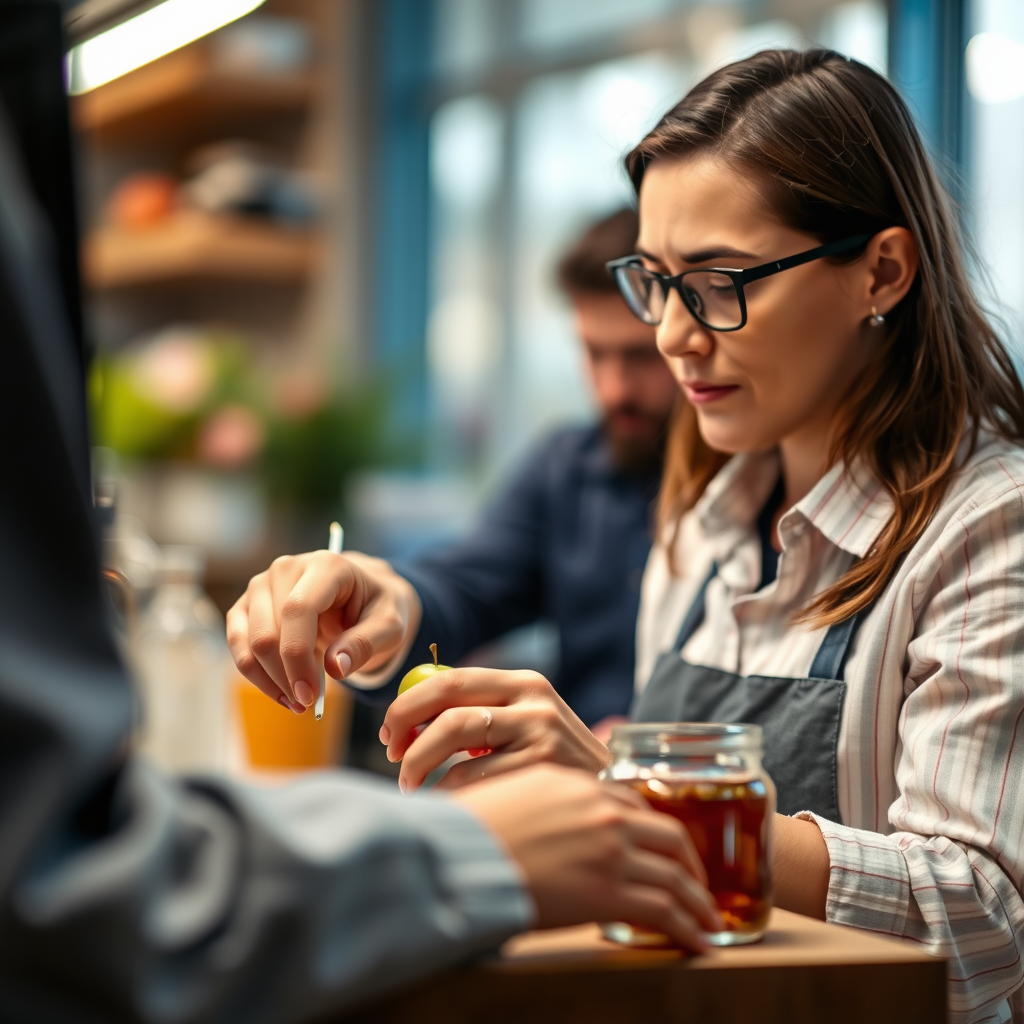
1. Gather Ingredients: Collect 4 cups of crab apples, 1 cup of water, 1/4 cup of lemon juice, and 5 cups of granulated sugar. Ensure all ingredients are fresh and free of blemishes.
2. Prepare the Crab Apples: Rinse the crab apples thoroughly, remove stems and any blemished parts, and chop them into quarters without peeling. This maximizes the pectin content necessary for setting the jam.
3. Cook the Mixture: In a large pot, combine the chopped crab apples, water, and lemon juice. Bring the mixture to a boil, then reduce to a simmer for 30 minutes, stirring occasionally until the apples are soft. The acidity from the lemon juice is crucial for both flavor and preservation.
4. Strain and Combine: Strain the cooked mixture through a fine mesh sieve or cheesecloth to extract the juice. Measure the juice; you should have around 3 cups. Combine it with the sugar in a clean pot, bring to a rolling boil, and cook for 10-15 minutes until it reaches the gel stage (220°F or 104°C). Use a candy thermometer for accuracy.
5. Canning: Prepare canning jars by sterilizing them in boiling water for 10 minutes. Fill the jars with hot jam, leaving 1/4-inch headspace, and seal with lids. Process in a boiling water bath for 10 minutes to ensure safe preservation. Make sure the jars are fully submerged in water for the entire duration to guarantee proper sealing.
Nutritional Information for Crab Apple Jam (per 1 tablespoon)
| Nutrient | Amount | % Daily Value |
|---|---|---|
| Calories | 50 | 2% |
| Total Fat | 0g | 0% |
| Sodium | 0mg | 0% |
| Total Carbohydrates | 13g | 4% |
| Sugars | 12g | N/A |
| Protein | 0g | 0% |
| Vitamin C | 2mg | 2% |
Warning Signs: When Not to Follow This

– Do not attempt this recipe if you have allergies to specific ingredients, such as sugar or citric acid, as these are essential to the jam’s preservation.
– If you notice any signs of spoilage in your crab apples, such as mold or an off odor, do not proceed with the recipe; this can lead to food safety issues.
– Avoid making crab apple jam if you lack the necessary canning equipment, as improper sealing can result in spoilage or foodborne illness.
The Most Common Mistakes (And Their Consequences)

– Failing to measure the sugar accurately can lead to a jam that does not set properly; the correct ratio is crucial for achieving the desired consistency. Too little sugar may result in a runny product, while too much can create an overly sweet jam that is unpleasant to taste.
– Skipping the boiling water bath for canning can result in jars that do not seal correctly, increasing the risk of spoilage and bacterial growth. Always ensure that the jars are submerged and that the water is at a rolling boil for the entire processing time.
– Not testing the gel stage before canning can lead to runny jam. Use a candy thermometer to check if the mixture has reached 220°F or perform the spoon test: dip a spoon into the jam, let it cool slightly, and run your finger through it. If it holds its shape, it’s ready for canning.
Special Cases That Need a Different Approach
– If using under-ripe crab apples, the final jam may lack the necessary pectin; consider adding a commercial pectin product to ensure proper setting. Consult the instructions on the pectin package for the correct ratios and methods.
– For those desiring a lower-sugar variant, adapt the recipe by using a sugar substitute, but be aware that this may alter the taste and texture of the jam. Not all sugar substitutes gel in the same way as sugar, so follow product-specific guidelines.
– If making crab apple jam at high altitudes, adjust processing times according to local guidelines to ensure proper sealing and safety. For elevations above 1,000 feet, increase processing time by 1 minute for each additional 1,000 feet.
When You Need a Professional
– If you have never canned before or are uncomfortable with food preservation techniques, seek guidance from a local extension office or certified food preservation expert. They can provide hands-on assistance and ensure that all safety protocols are followed.
– Should you experience any adverse reactions after consuming your jam, consult a healthcare professional, especially if there are signs of foodborne illness, such as nausea, vomiting, or diarrhea.
– For significant dietary restrictions or if planning to sell your jam commercially, consult a licensed food safety expert to ensure compliance with local regulations, including labeling and safety standards.
Sources and Further Reading
– National Center for Home Food Preservation: Offers guidelines on safe canning practices and preservation methods.
– USDA Complete Guide to Home Canning: A comprehensive resource on food safety and preservation techniques.
– “The Ball Book of Canning and Preserving”: A trusted reference for home canning recipes and techniques, including fruit jams and jellies.
Frequently Asked Questions
What ingredients do I need for a crab apple jam recipe?
To make a delicious crab apple jam, you’ll need fresh crab apples, sugar, water, and lemon juice. Optionally, you can add spices like cinnamon or nutmeg for extra flavor. Ensure your crab apples are ripe for the best taste and color in your jam.
How do I prepare crab apples for making jam?
Begin by washing the crab apples thoroughly to remove any dirt or pesticides. Next, core and chop them into small pieces, leaving the skins on for added flavor and nutrients. Cooking them with water until soft will help extract the natural pectin necessary for thickening your jam.
Why is pectin important in a crab apple jam recipe?
Pectin is a natural thickening agent found in fruits, and it’s crucial for achieving the right consistency in your crab apple jam. Crab apples are naturally high in pectin, which helps the jam gel properly without the need for additional commercial pectin. This results in a spreadable, flavorful jam.
What is the best way to store crab apple jam after making it?
After making your crab apple jam, store it in sterilized glass jars with airtight lids to maintain freshness. Keep the jars in a cool, dark place if unopened; once opened, store them in the refrigerator. Properly stored, your crab apple jam can last for up to a year.
Which recipes can I pair with crab apple jam for a delicious meal?
Crab apple jam pairs wonderfully with a variety of dishes. Use it as a topping for toast or pancakes, or serve it alongside cheese and charcuterie boards. It also works well as a glaze for meats like pork or chicken, adding a sweet and tangy flavor profile.
References
- Malus
https://en.wikipedia.org/wiki/Crab_apple - https://www.britannica.com/plant/crab-apple
https://www.britannica.com/plant/crab-apple - Google Scholar Google Scholar
https://scholar.google.com/scholar?q=crab+apple+jam+recipe - https://www.ncbi.nlm.nih.gov/pmc/articles/PMC6032330/
https://www.ncbi.nlm.nih.gov/pmc/articles/PMC6032330/ - https://www.sciencedirect.com/topics/agricultural-and-biological-sciences/crab-apple
https://www.sciencedirect.com/topics/agricultural-and-biological-sciences/crab-apple - Google Scholar Google Scholar
https://scholar.google.com/scholar?q=making+jam+from+crab+apples - Music – Neurobiology of Sensation and Reward – NCBI Bookshelf
https://www.ncbi.nlm.nih.gov/books/NBK92781/ - https://www.theguardian.com/food/2020/oct/01/how-to-make-jam-from-crab-apples
https://www.theguardian.com/food/2020/oct/01/how-to-make-jam-from-crab-apples - https://www.nytimes.com/2021/10/06/dining/crab-apple-jam-recipe.html
https://www.nytimes.com/2021/10/06/dining/crab-apple-jam-recipe.html - crab apple jam recipe – Search results
https://en.wikipedia.org/wiki/Special:Search?search=crab+apple+jam+recipe