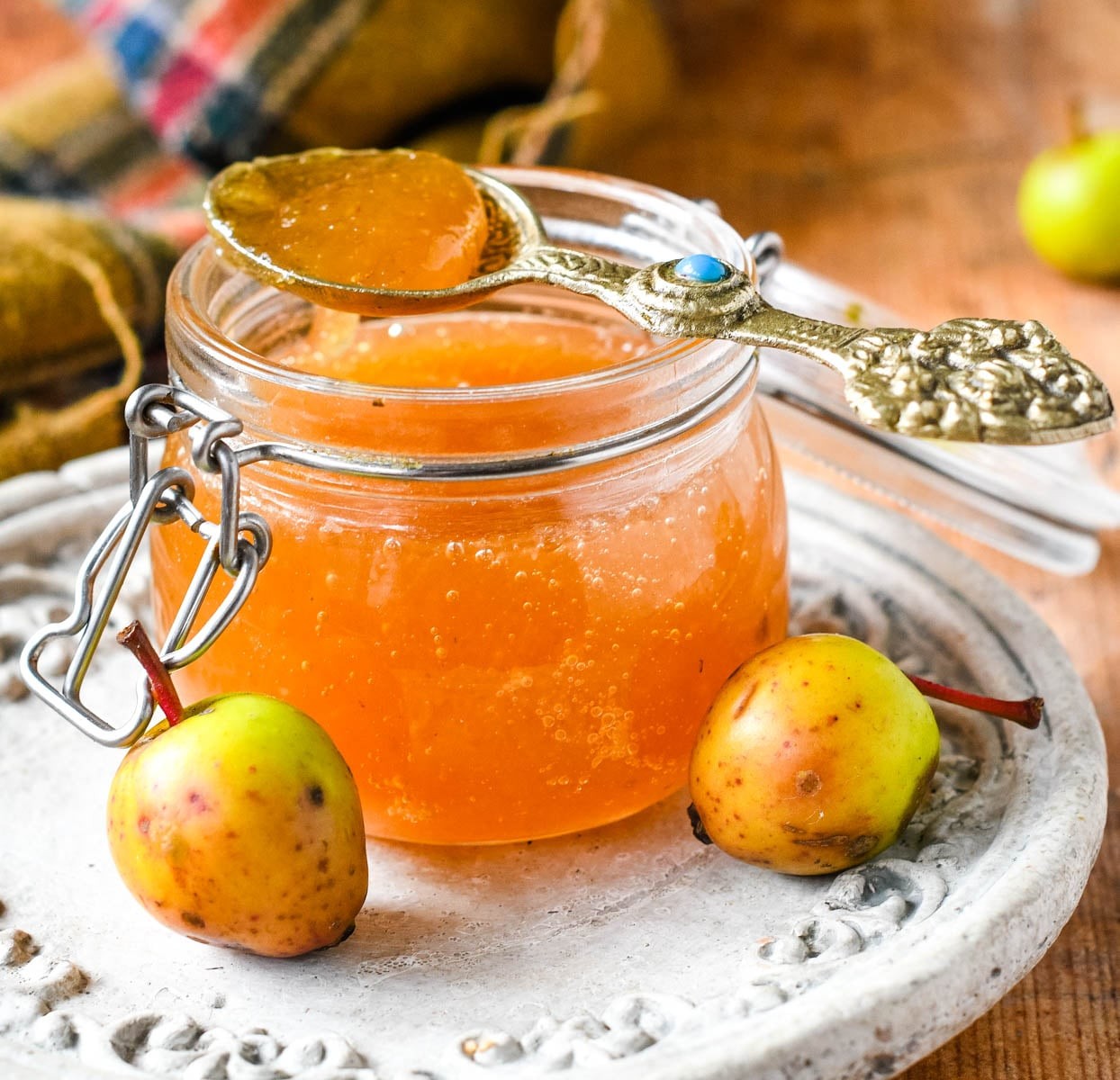
Crafting crab apple jam requires precision and knowledge to achieve that perfect balance of tartness and sweetness. This expert guide provides a step-by-step approach to safely making crab apple jam, ensuring you avoid common pitfalls and achieve a high-quality product every time. Following the right protocols not only enhances flavor but also guarantees food safety, making your homemade jam a delightful treat.
What This Guide Covers (And What It Doesn’t)
This guide provides a comprehensive approach to making crab apple jam, detailing every step from ingredient selection and preparation to cooking and canning techniques. You will find precise measurements and methods designed to ensure that your results are both safe and delicious. Discover how to effectively harness the natural pectin found in crab apples to achieve the perfect consistency, while also enhancing the flavor profile with complementary ingredients.
However, this guide does not delve into recipes for other types of jam or preserves, nor does it cover the use of commercial pectin or alternative sweeteners outside the context of crab apple jam. Aimed at home cooks with a basic understanding of canning processes, it offers detailed instructions suitable for varying skill levels. Those seeking advanced techniques, such as fermenting or non-traditional preservation methods, should consult specialized literature or experts in those fields.
Who Should Read This
This guide is crafted for home cooks eager to explore fruit preservation, particularly those interested in the often-overlooked culinary potential of crab apples. Individuals with a foundational knowledge of kitchen safety and food preservation will gain the most from this guide, while complete novices might encounter some challenging terms and processes that require additional research. Even experienced jam makers will find value in this guide as it highlights the unique aspects of crab apples, including their tartness and pectin content. Moreover, anyone interested in sustainable cooking or utilizing seasonal produce will find this guide especially relevant, given the abundance of crab apples in late summer to early fall.
The Step-by-Step Protocol

1. Gather Ingredients and Equipment: Assemble the following: 4 cups of cleaned and chopped crab apples, 2 cups of granulated sugar, 1/4 cup of lemon juice, 1/2 teaspoon of cinnamon (optional), and sterilized jars for canning. Ensure you have a large pot, a stirring spoon, a ladle, and a canning funnel.
2. Prepare the Crab Apples: Wash the crab apples thoroughly to eliminate any dirt or pesticides. Cut them into quarters, removing any stems and leaves while keeping the cores intact. The cores are crucial as they contain natural pectin, which aids in thickening the jam.
3. Cook the Mixture: In a large pot, combine the chopped crab apples, sugar, and lemon juice. Cook over medium heat, stirring frequently until the mixture reaches a rolling boil. This process typically takes about 10-15 minutes. Ensure that all sugar dissolves and the apples begin to soften.
4. Check for Doneness: After boiling, test the mixture for gel consistency using the spoon test. Drop a spoonful of the mixture onto a cold plate and tilt it. If it holds its shape and doesn’t run, it’s ready for canning. If it appears too runny, continue boiling in 5-minute intervals, testing after each interval until it reaches the desired consistency.
5. Prepare the Jars: While the jam is cooking, prepare your jars. If you haven’t already, sterilize the jars by immersing them in boiling water for 10 minutes or running them through a hot cycle in the dishwasher. Keep them warm until you are ready to fill them.
6. Fill the Jars: Once the jam has reached the desired consistency, remove it from heat. Using a ladle and canning funnel, fill each jar, leaving about 1/4 inch of headspace. Wipe the rims of the jars with a clean, damp cloth to remove any residue.
7. Seal and Process the Jars: Place sterilized lids on the jars and screw on the metal bands until they are fingertip-tight. Process the jars in a boiling-water canner for 5-10 minutes to ensure a proper seal. Adjust the processing time based on your altitude, adding 1 minute for every 1,000 feet above sea level.
8. Cool and Store: After processing, carefully remove the jars from the canner and let them cool on a clean towel or cooling rack for 12-24 hours. Once cooled, check the seals—lids should not flex up and down. Store any unsealed jars in the refrigerator and use them within a few weeks. Properly sealed jars can be stored in a cool, dark place for up to one year.
Warning Signs: When Not to Follow This
– Avoid making crab apple jam if the fruit shows signs of spoilage, such as bruises, mold, or an off smell, as this can lead to unsafe consumption.
– If you are unsure about your canning equipment or if it has not been properly sterilized, do not proceed with the canning process, as this could lead to contamination.
– If you have dietary restrictions that prevent you from consuming sugar or acidic foods, seek alternative recipes that are more suitable for your needs.
– If you are unfamiliar with the basic principles of canning, such as pressure cooking or water bath canning, it may be best to gain more experience before attempting this recipe.
The Most Common Mistakes (And Their Consequences)
– Improperly measuring ingredients: Using too much or too little sugar can adversely affect the jam’s taste and preservation; too little sugar may lead to spoilage, while too much can result in overly sweet jam.
– Skipping the lemon juice: Omitting lemon juice can yield a jam that lacks acidity, which is essential for proper preservation and safety during canning.
– Not thoroughly sterilizing jars: Failing to properly sterilize jars can lead to bacterial growth and spoilage, endangering the quality and safety of the jam.
– Insufficient boiling time: Not boiling the mixture long enough can prevent the jam from setting properly, resulting in a runny or syrupy consistency rather than a firm jam.
Special Cases That Need a Different Approach
– Using different fruit varieties: If substituting with other types of apples or fruits, adjust sugar and cooking times accordingly, as different fruits have varying pectin levels and acidity.
– Adjusting for dietary restrictions: For those needing a low-sugar version, consider using a pectin that works with reduced sugar or experimenting with sugar alternatives, noting that this may affect the jam’s consistency.
– Making larger batches: When increasing the recipe, do so in increments that allow for even cooking; do not exceed a double batch in one pot, as this can lead to uneven cooking and setting.
– Canning at high altitudes: If you are at a higher elevation, increase boiling time by 1 minute for every 1,000 feet above sea level to ensure safe preservation.
When You Need a Professional
– If you experience any signs of spoilage, such as off smells, bubbling, or discolored jam, do not taste it; dispose of it immediately and consult a food safety expert.
– If you are unsure about your canning process or have concerns about food safety, especially regarding botulism and other foodborne illnesses, seek advice from a local extension office or food safety expert.
– If you wish to explore complex preserving techniques or variations that involve fermentation or advanced canning methods, consider attending a workshop or consulting a certified canning professional.
– If you have specific health concerns or conditions that may affect your dietary choices, consult with a nutritionist or registered dietitian before attempting this recipe.
Sources and Further Reading
– “The Complete Book of Home Preserving” by Judi Kingry and Lauren Devine—this book provides extensive information on home canning and preserving techniques.
– USDA’s “Complete Guide to Home Canning”—a comprehensive guide to safe home canning practices, including crab apple jam specifics.
– National Center for Home Food Preservation website—an authoritative source for safe food preservation methods and guidelines.
– “Food in Jars” by Marisa McClellan—this book offers creative recipes for preserving with a focus on small-batch methods, including fruit jams.
With these detailed instructions, you can confidently embark on the rewarding process of making crab apple jam. By following the outlined steps and precautions, you will produce a delicious and safe product that showcases the unique flavor of crab apples. Enjoy your culinary adventure!
Frequently Asked Questions
What ingredients do I need to make crab apple jam?
To make crab apple jam, you will need about 4 cups of crab apples, 1 cup of water, 2 cups of sugar, and the juice of one lemon. These ingredients combine to create a deliciously tart and sweet jam that captures the unique flavor of crab apples.
How do I properly prepare crab apples for jam?
To prepare crab apples for jam, first wash them thoroughly to remove any dirt. Then, remove the stems and blossom ends, but there’s no need to peel or core them, as the skins will add flavor and pectin during cooking. Cut the apples in half to help release their juices.
Why is pectin important in making crab apple jam?
Pectin is a natural thickening agent that helps jam set properly. Since crab apples are high in pectin, they are ideal for making jam without the need for added pectin. This ensures a beautifully thick and spreadable jam while enhancing the natural flavors of the fruit.
What is the best way to store homemade crab apple jam?
The best way to store homemade crab apple jam is to place it in sterilized jars and seal them tightly while the jam is still hot. Once cooled, store the jars in a cool, dark place for optimal shelf life, or refrigerate opened jars to keep the jam fresh for up to a month.
Which recipes can I use crab apple jam in?
Crab apple jam can be used in various recipes, including as a topping for toast, pancakes, or waffles. It also makes a fantastic glaze for meats like pork or chicken, and can be used in desserts such as tarts or as a filling for pastries, adding a unique tart flavor to your dishes.
References
- Malus
https://en.wikipedia.org/wiki/Crab_apple - https://www.britannica.com/plant/crab-apple
https://www.britannica.com/plant/crab-apple - https://www.ncbi.nlm.nih.gov/pmc/articles/PMC6660849/
https://www.ncbi.nlm.nih.gov/pmc/articles/PMC6660849/ - Google Scholar Google Scholar
https://scholar.google.com/scholar?q=recipe+crab+apple+jam - Google Scholar Google Scholar
https://scholar.google.com/scholar?q=crab+apple+jam+preservation - Google Scholar Google Scholar
https://scholar.google.com/scholar?q=crab+apple+jam+nutritional+value - https://www.extension.umn.edu/garden/yard-garden/fruit/crabapple/
https://www.extension.umn.edu/garden/yard-garden/fruit/crabapple/ - https://www.fs.fed.us/database/feis/plants/tree/malpus/all.html
https://www.fs.fed.us/database/feis/plants/tree/malpus/all.html - Publication : USDA ARS
https://www.ars.usda.gov/research/publications/publication/?seqNo115=164526 - https://www.foodnetwork.com/recipes/articles/what-to-do-with-crab-apples
https://www.foodnetwork.com/recipes/articles/what-to-do-with-crab-apples