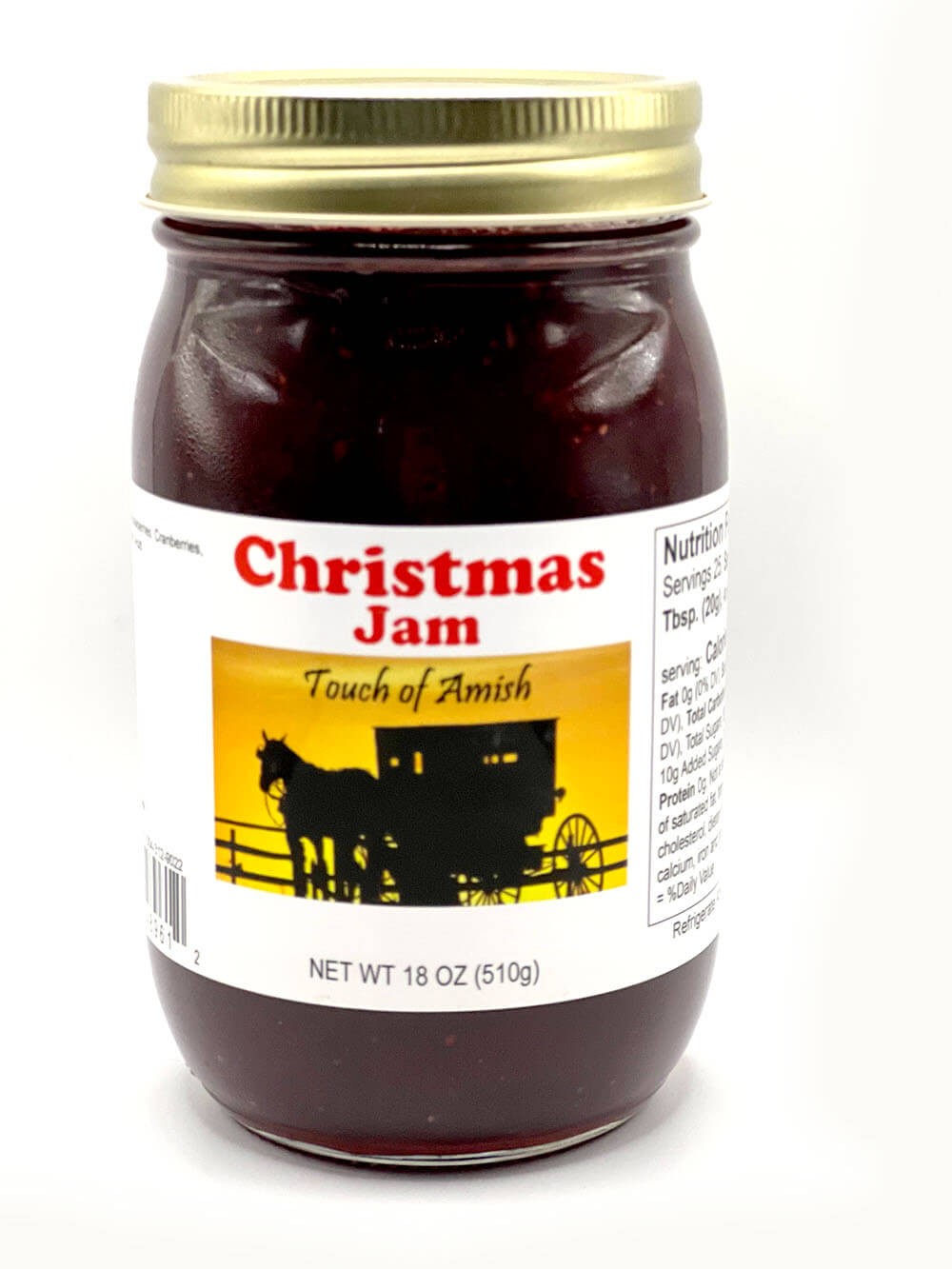
The Complete Expert Guide to Safely Making Christmas Jam provides essential techniques and recipes for crafting this festive treat without compromising safety or flavor. This guide is designed for home canners who want to ensure their Christmas jam is both delicious and safe to enjoy. Following proven protocols is crucial to prevent spoilage and ensure food safety, making this resource indispensable for a successful holiday season.
What This Guide Covers (And What It Doesn’t)

This guide provides a comprehensive, step-by-step protocol for safely making Christmas jam, emphasizing traditional recipes that highlight seasonal fruits like cranberries, oranges, and apples. You’ll find details on the necessary equipment, ingredient safety, and preservation techniques tailored specifically for Christmas jam. Additionally, tips for achieving the right consistency and flavor balance are included, ensuring your final product is both festive and delicious.
However, this guide does not delve into non-traditional methods or shortcuts that compromise safety, such as using untested fruit combinations or skipping sterilization procedures. The focus here is firmly on maintaining food safety while crafting a delightful holiday treat.
Who Should Read This

This guide is designed for home cooks with a basic understanding of jam-making who wish to create a festive, safe, and delicious Christmas jam for family gatherings and holiday gifts. A foundational knowledge of canning principles is beneficial; those who are inexperienced in canning or jam-making may want to consult foundational resources on preserving techniques before tackling this specific recipe.
Readers seeking gourmet or commercial-grade recipes might find this guide too focused on home cooking safety and traditional methods.
The Step-by-Step Protocol

1. Gather Ingredients: Collect 4 cups of fresh cranberries, 2 cups of granulated sugar, 1 cup of freshly squeezed orange juice, and 1 teaspoon of ground cinnamon. It’s essential that all ingredients are fresh and free from spoilage, so inspect the cranberries closely for any signs of mold or blemishes.
2. Prepare Equipment: Sterilize 4 half-pint canning jars and lids by boiling them in water for 10 minutes. Once boiled, place them on a clean dish towel to dry. This crucial step helps prevent contamination during the jam-making process.
3. Cook the Jam: In a large, heavy-bottomed pot, combine cranberries, sugar, orange juice, and cinnamon. Stir the mixture well and bring it to a rolling boil over medium heat. Continue stirring frequently for 15-20 minutes, or until the cranberries burst and the mixture thickens to a jelly-like consistency.
4. Check for Doneness: Use a candy thermometer to ensure the jam reaches 220°F (104°C), the recommended temperature for safe canning. This temperature is vital for proper gelling and preservation. If you lack a thermometer, you can perform a gel test by placing a spoonful of the jam on a cold plate and putting it in the freezer for one minute. If it holds its shape, it is ready for canning.
5. Fill the Jars: Carefully ladle the hot jam into the sterilized jars, filling each one to about 1/4 inch from the top. Wipe the rims with a clean cloth to eliminate any residue that could interfere with a proper seal.
6. Seal the Jars: Place the sterilized lids on the jars and screw on the metal bands until they are fingertip-tight. Avoid overtightening, as this can hinder the lids from sealing properly.
7. Process the Jars: Process the jars in a boiling water bath for 5-10 minutes to create a vacuum seal. Ensure the water covers the jars by at least an inch. This step is crucial for preserving the jam and preventing spoilage.
8. Cool and Store: After processing, carefully remove the jars from the water bath and place them on a clean towel to cool. Allow the jars to sit undisturbed for 12-24 hours. Once cooled, check the seals: the lids should not pop back when pressed. Store the sealed jars in a cool, dark place for up to one year.
Warning Signs: When Not to Follow This
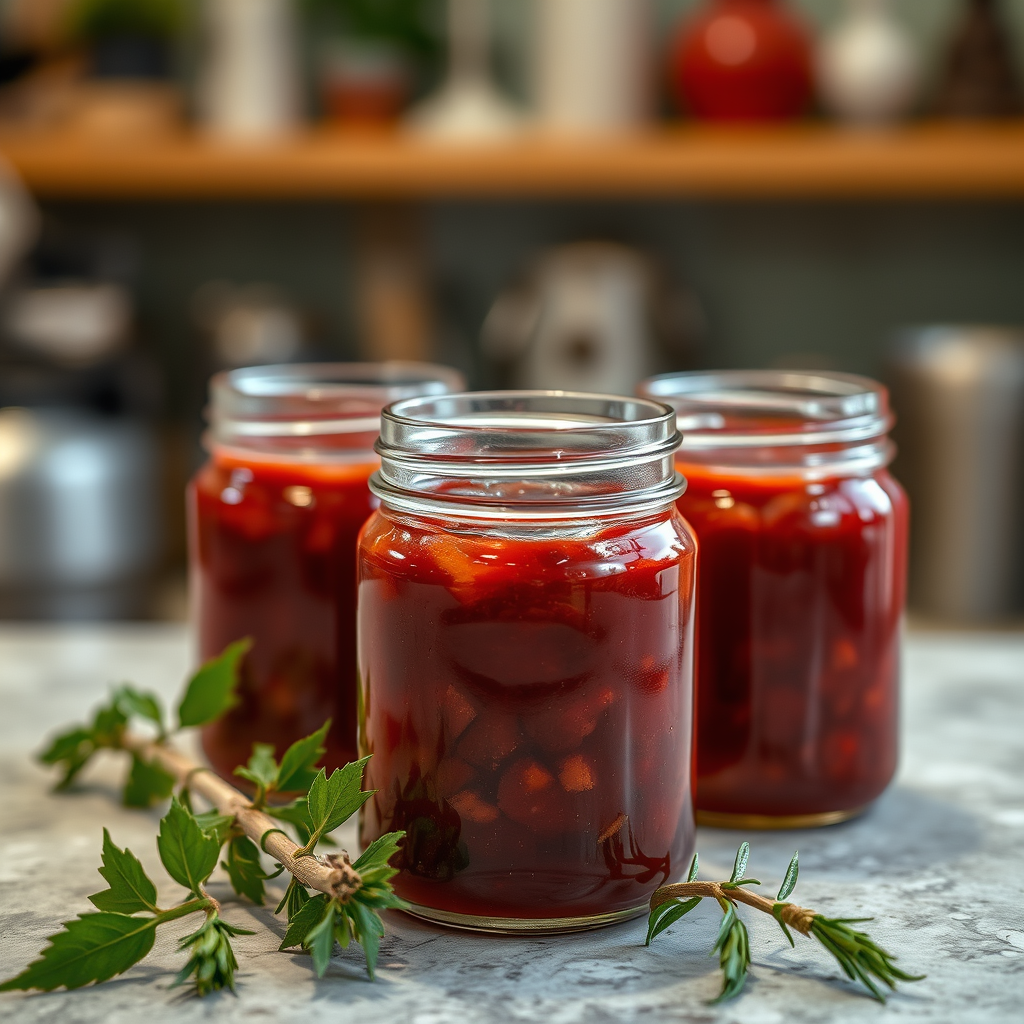
– Avoid making Christmas jam if you notice any signs of mold or spoilage on your fruit. Using compromised ingredients can lead to unsafe food products and potential foodborne illnesses.
– Do not proceed if your kitchen environment is not clean. Unsanitary conditions can introduce harmful bacteria into your jam, leading to spoilage or contamination.
– If you experience allergic reactions to ingredients like citrus or nuts, consult an allergist before attempting to modify the recipe. Your safety should always be the primary concern.
The Most Common Mistakes (And Their Consequences)
– A common mistake is failing to properly sterilize jars, which can lead to spoilage. Always ensure jars are heated and dried completely before filling to minimize the risk of bacterial growth.
– Skipping the temperature check can result in jam that is too runny or fails to set. Always use a thermometer for accurate results; neglecting this step may lead to a disappointing final product.
– Using overly ripe or bruised fruit can adversely affect flavor and texture, resulting in a jam that is less appealing or has off-flavors. Always select firm, fresh fruit for the best outcomes.
Special Cases That Need a Different Approach
– For those with dietary restrictions, such as diabetes, consider substituting regular sugar with a suitable alternative like erythritol or stevia. Be sure to follow specific instructions for cooking times and temperatures, as these substitutes may alter the gelling properties.
– If you live at high altitudes (above 3,000 feet), adjustments in cooking times and temperatures may be necessary due to lower boiling points. Consult high-altitude canning guidelines from the USDA for accurate recommendations.
– For individuals wanting to incorporate additional spices like nutmeg or cloves, start with small amounts (1/4 teaspoon) to avoid overpowering the festive cranberry flavor. Adjust according to taste.
When You Need a Professional
– If you have questions regarding food safety practices or preservation techniques, consider reaching out to a local extension office or a certified food preservation expert. They can provide tailored advice and clarity on best practices.
– Consult a professional if you have never canned before and feel unsure about the safety protocols; they can offer hands-on training to ensure you follow appropriate safety measures.
– In cases of allergic reactions or dietary restrictions, seek advice from a healthcare provider or registered dietitian to ensure the recipe can be safely modified without compromising health.
Sources and Further Reading
– Refer to the USDA’s Complete Guide to Home Canning for authoritative information on safe canning practices and recipes.
– The National Center for Home Food Preservation offers extensive resources on making jams and jellies, including troubleshooting tips and safety guidelines.
– Consult “The Ball Book of Canning and Preserving” for comprehensive recipes and safety advice specifically tailored to home canners.
By following this guide, you can confidently create a delicious and festive Christmas jam that will be a highlight of your holiday season, whether enjoyed at home or shared as gifts.
Frequently Asked Questions
What ingredients are needed for a classic Christmas jam recipe?
A classic Christmas jam recipe typically includes fresh or frozen fruit such as cranberries, strawberries, or raspberries, along with sugar, pectin, and lemon juice. These ingredients create a festive and flavorful spread that highlights the sweet and tart flavors of the season, making it perfect for holiday breakfasts or gifts.
How do I make homemade Christmas jam from scratch?
To make homemade Christmas jam, start by washing and preparing your chosen fruit, then combine it with sugar and lemon juice in a pot. Cook over medium heat until the mixture thickens, stirring frequently. Once the desired consistency is reached, add pectin if necessary, pour into sterilized jars, and seal properly to preserve your delightful Christmas jam.
Why is my Christmas jam not setting properly?
If your Christmas jam isn’t setting properly, it could be due to insufficient pectin or not cooking the mixture long enough. Ensure you use the right type of pectin and follow the cooking times recommended in your recipe. Additionally, testing the jam on a cold plate can help you check if it’s reached the right consistency before you jar it.
What is the best fruit to use for a Christmas jam recipe?
The best fruits for a Christmas jam recipe include cranberries, apples, and citrus fruits like oranges or lemons, as they offer a perfect balance of sweetness and tartness. These fruits not only create a vibrant color but also complement the holiday spirit, making your jam an ideal addition to festive meals or as a gift.
Which spices can I add to my Christmas jam for extra flavor?
To enhance the flavor of your Christmas jam, consider adding warm spices such as cinnamon, nutmeg, or cloves. A touch of vanilla extract can also add depth. These spices will bring a cozy holiday aroma to your jam, making it even more enjoyable during the festive season.
References
- https://en.wikipedia.org/wiki/Christmas_jam
https://en.wikipedia.org/wiki/Christmas_jam - https://www.britannica.com/topic/jam
https://www.britannica.com/topic/jam - https://pubmed.ncbi.nlm.nih.gov/29497580/
https://pubmed.ncbi.nlm.nih.gov/29497580/ - https://www.ncbi.nlm.nih.gov/pmc/articles/PMC6012582/
https://www.ncbi.nlm.nih.gov/pmc/articles/PMC6012582/ - Google Scholar Google Scholar
https://scholar.google.com/scholar?q=christmas+jam+recipe - Google Scholar Google Scholar
https://scholar.google.com/scholar?q=fruit+jams+recipes - https://www.sciencedirect.com/topics/food-science/jam
https://www.sciencedirect.com/topics/food-science/jam - https://www.mayoclinic.org/healthy-lifestyle/nutrition-and-healthy-eating/in-depth/jams-and-jellies/art-20046668
https://www.mayoclinic.org/healthy-lifestyle/nutrition-and-healthy-eating/in-depth/jams-and-jellies/art-20046668 - https://www.cdc.gov/nutrition/food-safety.html
https://www.cdc.gov/nutrition/food-safety.html - Food safety
https://www.who.int/news-room/fact-sheets/detail/food-safety