Master the art of making chokecherry jelly with this comprehensive expert guide, designed for both novice and experienced preservers. This guide covers essential protocols, from selecting ripe chokecherries to ensuring safe canning practices, vital for preventing foodborne illnesses. Following these precise steps will allow you to enjoy delicious, homemade jelly while preserving the fruit’s unique flavor and health benefits.
What This Guide Covers (And What It Doesn’t)
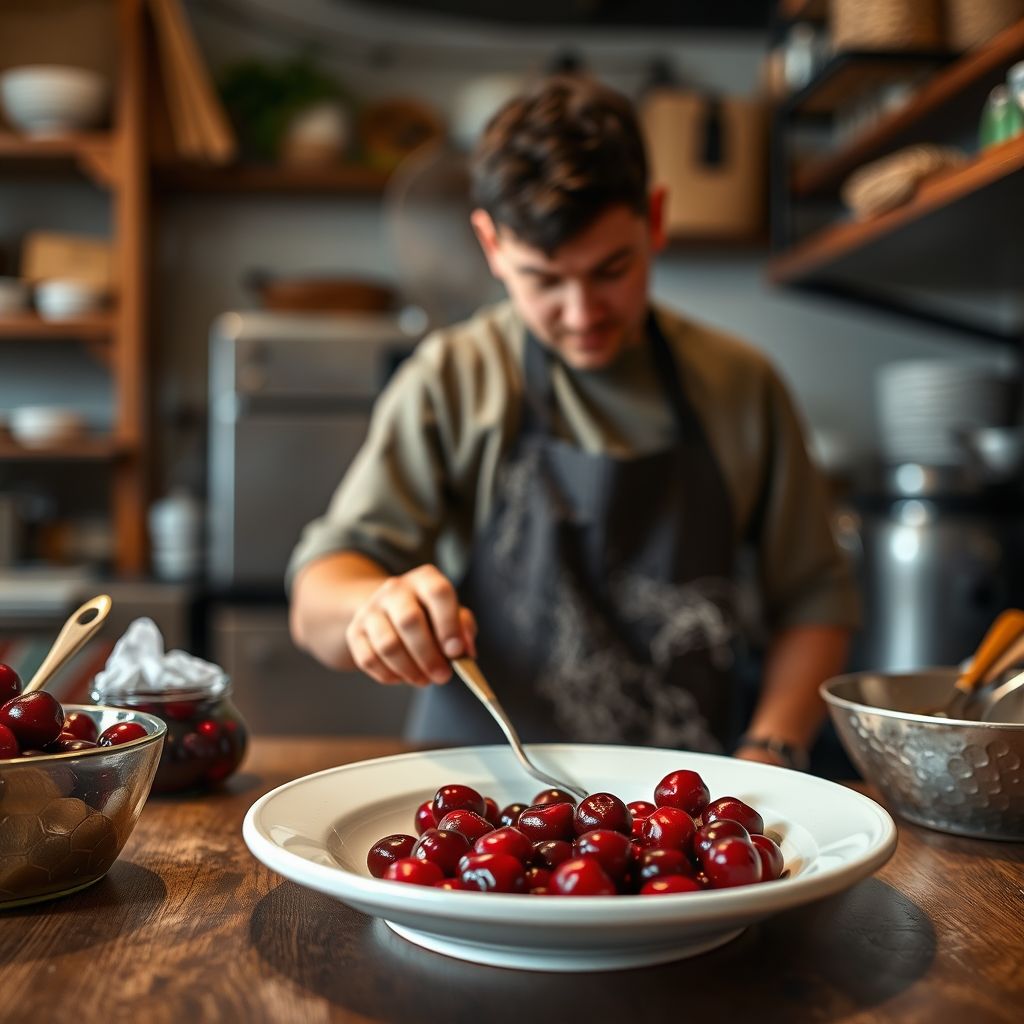
This guide provides a comprehensive recipe for making chokecherry jelly, detailing specific measurements, cooking times, and essential safety tips to guarantee a successful outcome. It focuses exclusively on the chokecherry variety, omitting the harvesting process and alternative jelly recipes using different fruits. Tailored for home preservation enthusiasts, this guide emphasizes safe canning practices and the science behind gel formation in jelly making. Those seeking information on commercial jelly production or unrelated food preservation techniques may find this guide lacking in that regard.
Who Should Read This
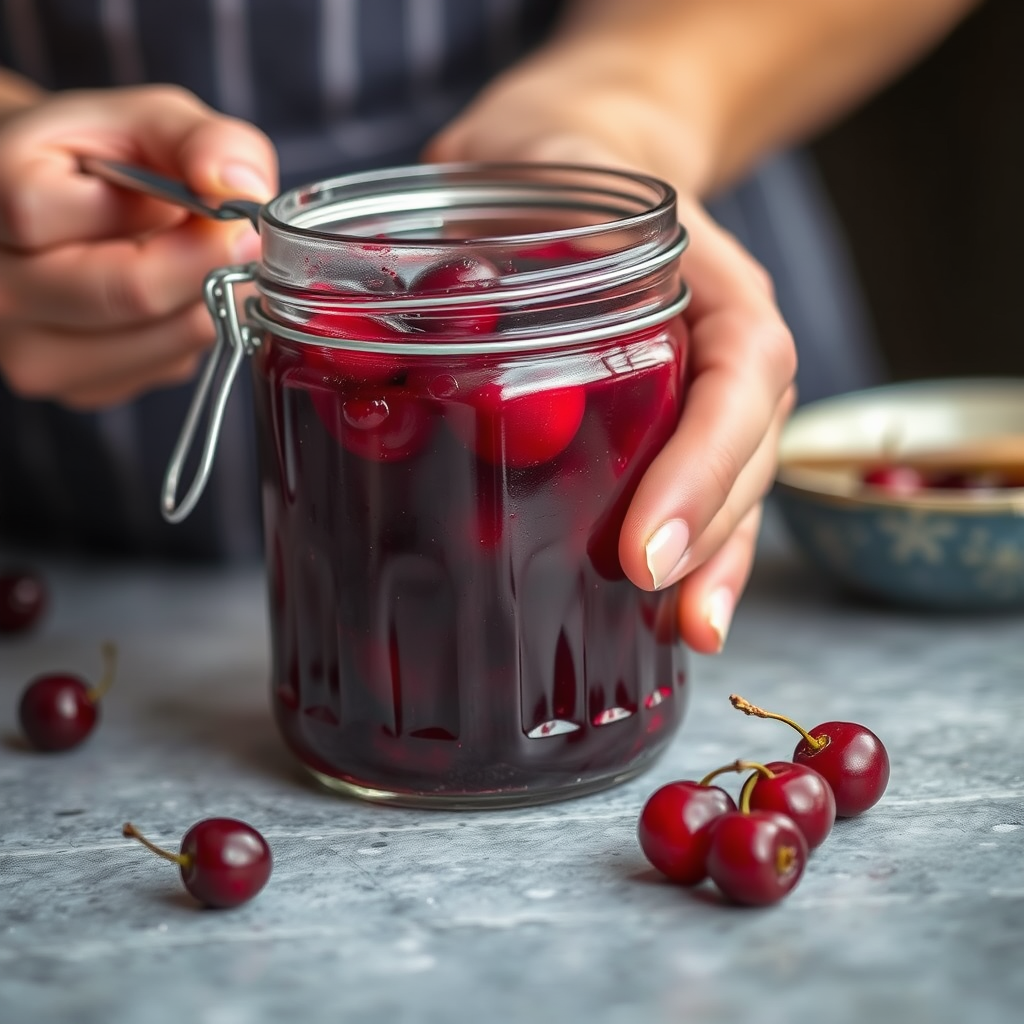
This guide is designed for individuals who possess a basic understanding of canning and food preservation methods, including sterilization and processing times. It caters to both novice and experienced canners eager to expand their repertoire with chokecherry jelly, provided they have access to chokecherries and the necessary equipment. Readers interested in traditional recipes, local foraging, or sustainable food practices will find this guide particularly useful. However, if you are new to canning or lack the required equipment, this guide may not meet your needs.
The Step-by-Step Protocol
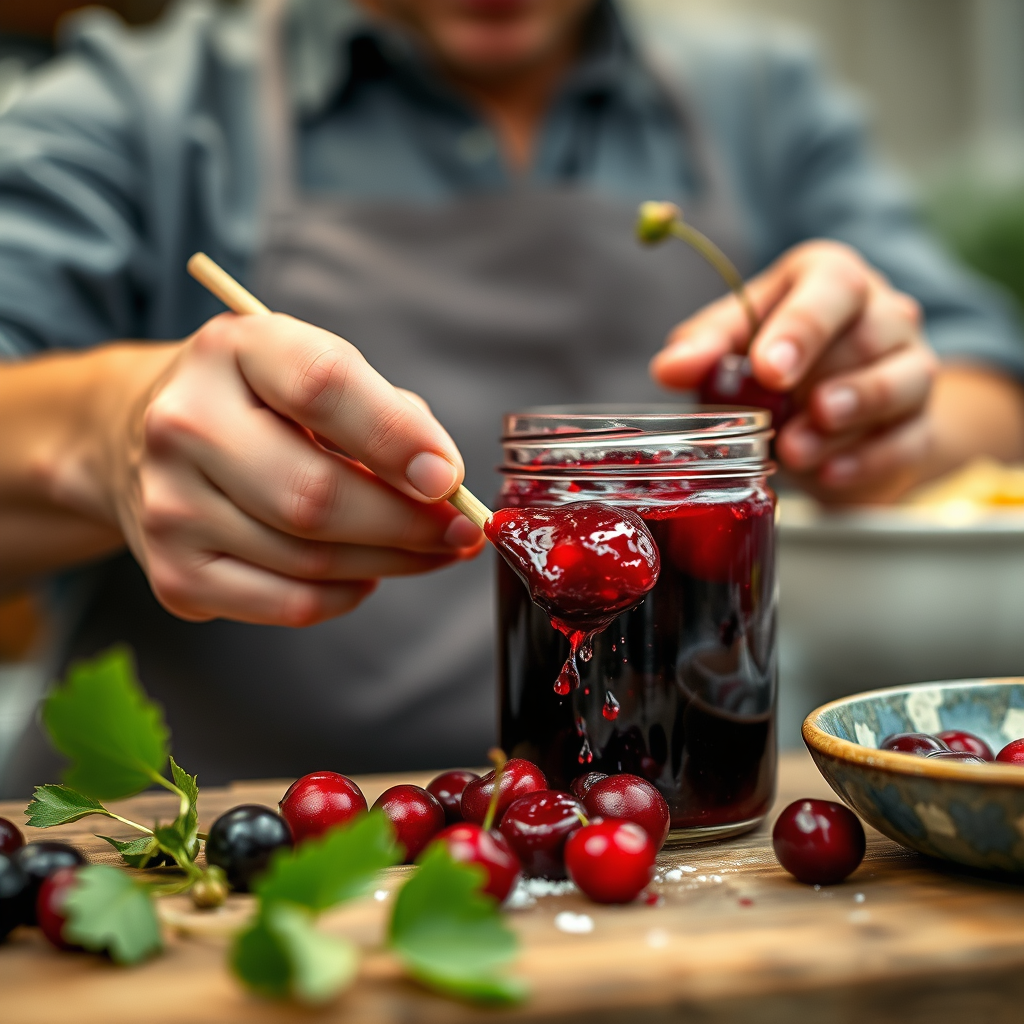
1. Gather Ingredients and Equipment: Collect 4 cups of ripe chokecherries, 1 cup of water, 1 package (1.75 oz) of fruit pectin, and 5 cups of granulated sugar. Ensure you have sterilized jars, a large pot, and a jelly bag.
2. Prepare the Chokecherries: Wash and remove any stems from the chokecherries. Place them in a saucepan with 1 cup of water and simmer for 30 minutes, stirring occasionally to release the juices. This process helps extract the maximum flavor and color from the fruit.
3. Strain the Juice: After simmering, strain the mixture through a jelly bag or fine mesh strainer into a bowl, pressing gently to extract as much juice as possible. Measure out 4 cups of chokecherry juice, ensuring it is free of pulp and solids for accurate measurement.
4. Cook the Jelly: In a large pot, combine the chokecherry juice and fruit pectin. Bring to a full rolling boil over medium-high heat. Add the sugar all at once, stirring constantly until it returns to a full boil. Boil for 1 minute, then remove from heat. This step is crucial for achieving the correct gel consistency.
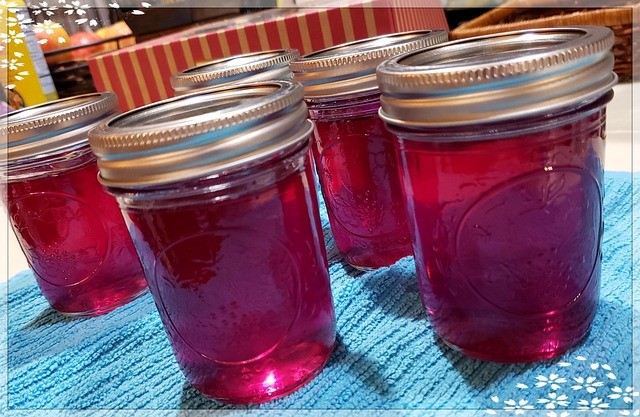
5. Fill the Jars: Using a ladle, pour the hot jelly into the sterilized jars, leaving about 1/4-inch headspace. Wipe the rims of the jars with a clean cloth to remove any residue that may prevent sealing.
6. Seal and Process: Place the sterilized lids on the jars and screw on the metal bands until they are fingertip tight. Process the jars in a boiling water bath for 5 to 10 minutes, depending on your altitude (use 10 minutes for altitudes above 1,000 feet). This step ensures that the jelly is properly sealed and safe for storage.
7. Cool and Store: After processing, remove the jars from the water bath and let them cool on a clean towel or cooling rack. Once cooled, check for proper seals by pressing down in the center of the lid; it should not flex. Store sealed jars in a cool, dark place.
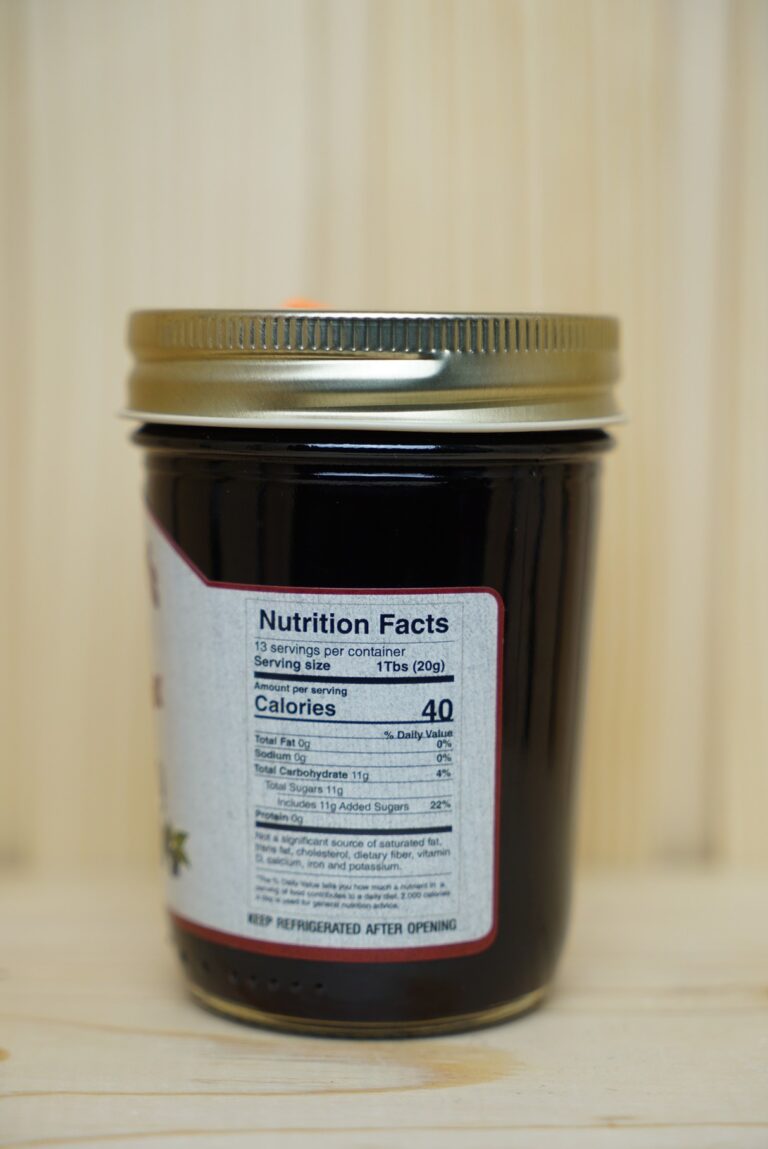
Chokecherry Jelly Nutritional Information (per tablespoon)
| # | Nutrient | Amount | % Daily Value |
|---|---|---|---|
| 1 | Calories | 50 | 2% |
| 2 | Total Fat | 0g | 0% |
| 3 | Sodium | 0mg | 0% |
| 4 | Total Carbohydrates | 13g | 5% |
| 5 | Sugars | 12g | 21% |
| 6 | Protein | 0g | 0% |
| 7 | Vitamin C | 0mg | 0% |
Warning Signs: When Not to Follow This
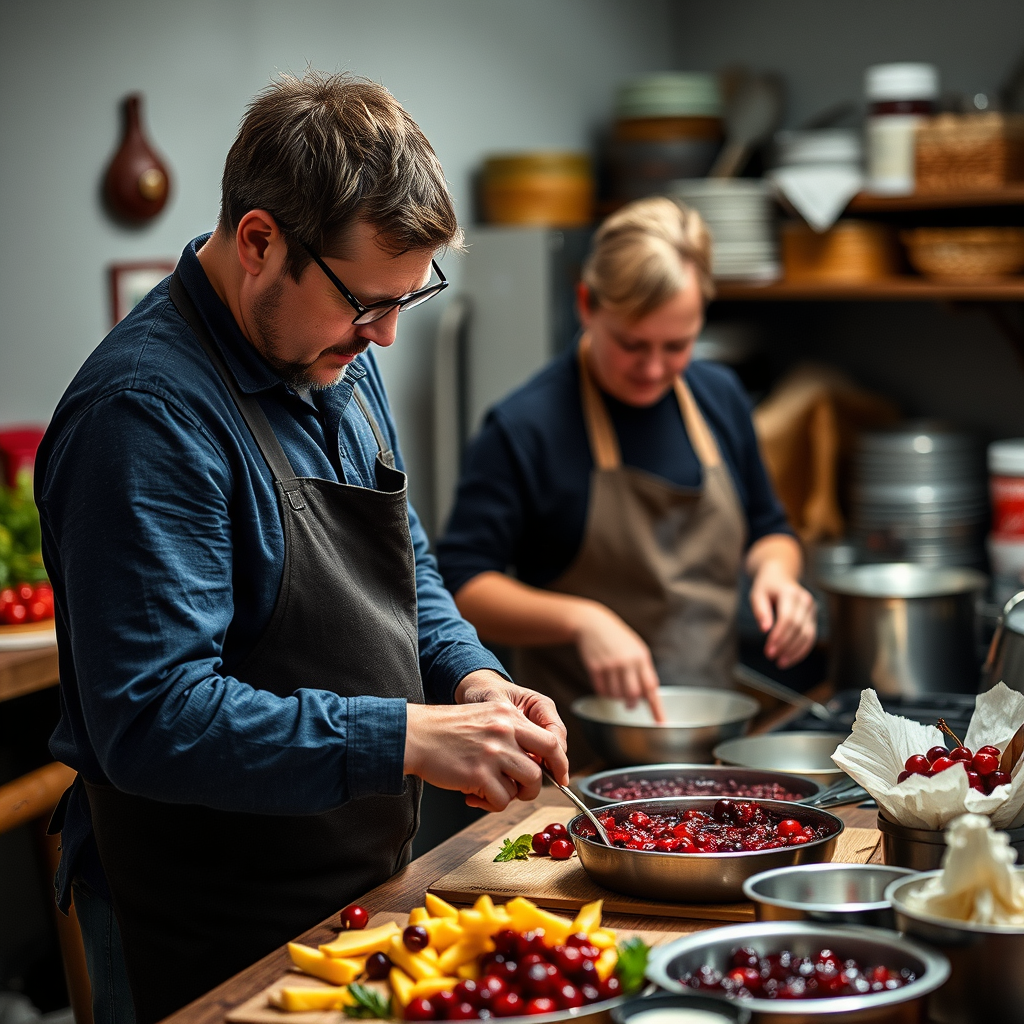
– Avoid making chokecherry jelly if you notice any signs of mold or spoilage on the chokecherries. Using compromised fruit can lead to unsafe jelly.
– If you lack the proper canning equipment, such as a water bath canner, do not attempt to preserve the jelly. This significantly increases the risk of foodborne illness.
– Refrain from using substitutes for fruit pectin, as this can alter the jelly’s consistency and safety; only use commercial pectin specifically designed for jelly making.
– If you are unfamiliar with safe canning techniques or do not have access to a reliable recipe for processing times, it is best not to proceed with making jelly.
The Most Common Mistakes (And Their Consequences)
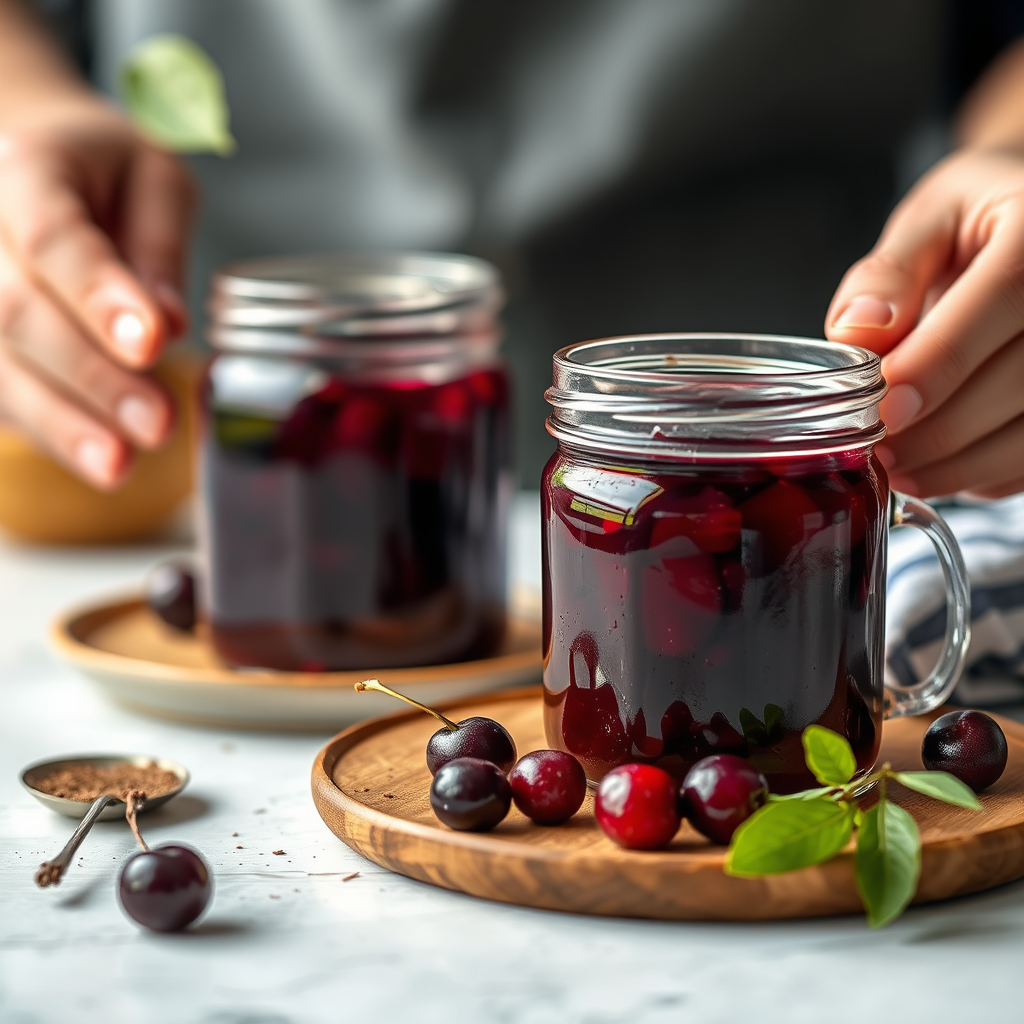
– One prevalent mistake is using under-ripe chokecherries, which can result in poor gel formation and a jelly that won’t set properly, rendering the product unpalatable.
– Many people fail to properly sterilize jars and lids, leading to contamination and potential spoilage of the jelly over time, which can also pose health risks.
– Skipping the water bath canning process can cause the jelly to spoil quickly, as it does not eliminate bacteria that could lead to foodborne illness.
– Incorrectly measuring sugar or pectin can yield jelly that is either too sweet or fails to set, resulting in a disappointing final product that may not be salvageable.
Special Cases That Need a Different Approach
– If you’re making chokecherry jelly at high altitudes (above 1,000 feet), increase processing times by 5-10 minutes to ensure safety and proper sealing. For example, if your original processing time is 10 minutes, extend it to at least 15 minutes.
– For those with dietary restrictions, such as needing a low-sugar version, consider using low-sugar pectin and adjusting the sugar content according to package instructions. The amount of sugar can typically be reduced to 3 to 4 cups, depending on the specific pectin used.
– If you have a large quantity of chokecherries, consider scaling the recipe while maintaining the same ratio of juice to sugar to pectin for consistent results. For instance, if you double the juice, double the sugar and pectin as well.
– For individuals with allergies or sensitivities, experiment with adding spices, such as cinnamon or cloves, in small quantities to create a unique flavor profile while adhering to the core recipe.
When You Need a Professional
– If you encounter issues with the sealing of jars or suspect that the jelly may not have sealed properly after processing, consult a food preservation expert to assess the situation.
– When attempting to can chokecherry jelly for the first time without prior experience or understanding of food safety protocols, seek guidance from a local extension office or a certified canning workshop.
– If you have concerns about the safety of your chokecherries due to environmental factors (e.g., pesticide use or contamination), it is prudent to consult a local agricultural extension service.
– If you are unsure about the safety of your canning process or notice any changes in the jelly’s appearance or smell after storage, it is essential to reach out to a professional for advice on whether it is safe to consume.
Sources and Further Reading
– National Center for Home Food Preservation: Comprehensive guidelines on safe canning practices and recipes for fruit preserves.
– “So Easy to Preserve” by Georgia Cooperative Extension: A trusted resource that offers specific recipes and techniques for home canning, including jellies.
– USDA Complete Guide to Home Canning: Official government guidelines on food preservation, including information on fruit processing.
– Local University Extension Services: Often provide resources and workshops in food preservation specific to regional ingredients and safety standards.
This guide aims to empower you to make chokecherry jelly safely and effectively, enhancing your home canning skills while ensuring food safety and quality. Embrace the art of jelly making, and enjoy the fruits of your labor!
Frequently Asked Questions
What ingredients do I need for a chokecherry jelly recipe?
To make chokecherry jelly, you will need fresh chokecherries, sugar, water, and pectin. The chokecherries should be ripe and preferably harvested in late summer to early fall for the best flavor. It’s important to use granulated sugar and commercial pectin for optimal jelly consistency.
How do I properly prepare chokecherries for jelly making?
Start by washing the chokecherries thoroughly to remove any dirt or debris. Then, remove the stems and crush the fruit to release the juice, which is essential for your chokecherry jelly. A food processor or masher can help with this process, ensuring you have enough juice for a flavorful final product.
Why is pectin important in a chokecherry jelly recipe?
Pectin acts as a natural thickening agent, helping your chokecherry jelly to set properly. Without it, the jelly may remain runny and fail to achieve the desired consistency. Using the right amount of pectin, as specified in your recipe, is crucial for achieving a perfect gel.
What is the best method for canning chokecherry jelly?
The best method for canning chokecherry jelly involves using a water bath canner to ensure proper sealing and preservation. After filling sterilized jars with hot jelly, process them in boiling water for the recommended time based on your altitude. This method ensures that your jelly remains safe to eat and retains its flavor for months.
Which tools are essential for making chokecherry jelly at home?
Essential tools for making chokecherry jelly include a large pot for cooking, a jelly bag or fine strainer for extracting juice, and sterilized jars for canning. Additionally, a ladle, canning funnel, and a water bath canner will streamline the process, making it easier to create delicious homemade chokecherry jelly.
References
- Prunus virginiana
https://en.wikipedia.org/wiki/Chokecherry - https://www.extension.purdue.edu/extmedia/FS/FS-35-W.pdf
https://www.extension.purdue.edu/extmedia/FS/FS-35-W.pdf - https://www.fs.usda.gov/wildflowers/plant-of-the-week/prunus_virginiana.shtml
https://www.fs.usda.gov/wildflowers/plant-of-the-week/prunus_virginiana.shtml - https://www.nps.gov/articles/chokecherry.htm
https://www.nps.gov/articles/chokecherry.htm - Home – Indiana Yard and Garden – Purdue Consumer HorticulturePurdue University Indiana Yard and G…
https://www.hort.purdue.edu/ext/fruit/fruit.htm - https://pubmed.ncbi.nlm.nih.gov/28705141/
https://pubmed.ncbi.nlm.nih.gov/28705141/ - https://www.nal.usda.gov/legacy/legacy/chokecherry-jelly-recipe
https://www.nal.usda.gov/legacy/legacy/chokecherry-jelly-recipe - Google Scholar Google Scholar
https://scholar.google.com/scholar?q=chokecherry+jelly+recipe - Google Scholar Google Scholar
https://scholar.google.com/scholar?q=Prunus+virginiana - Google Scholar Google Scholar
https://scholar.google.com/scholar?q=chokecherry+health+benefits