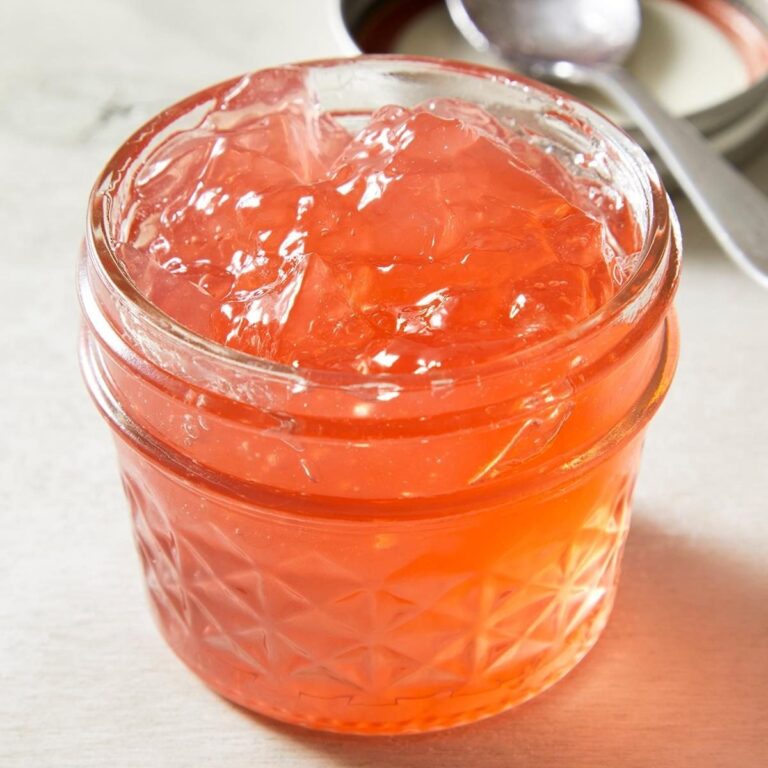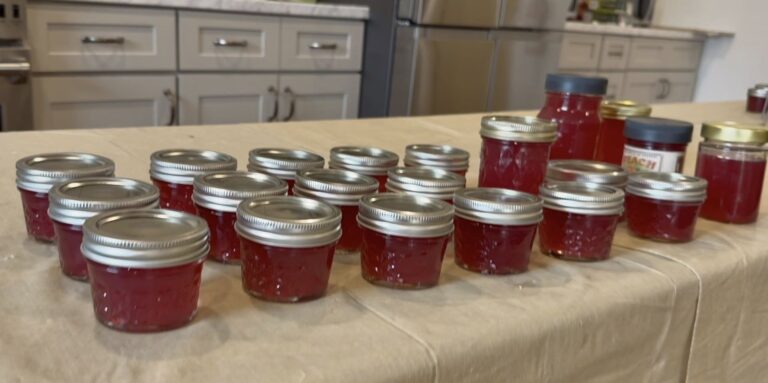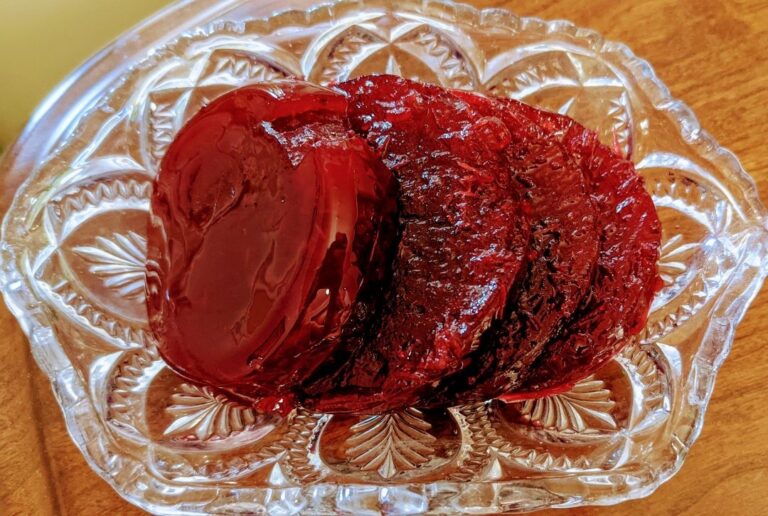
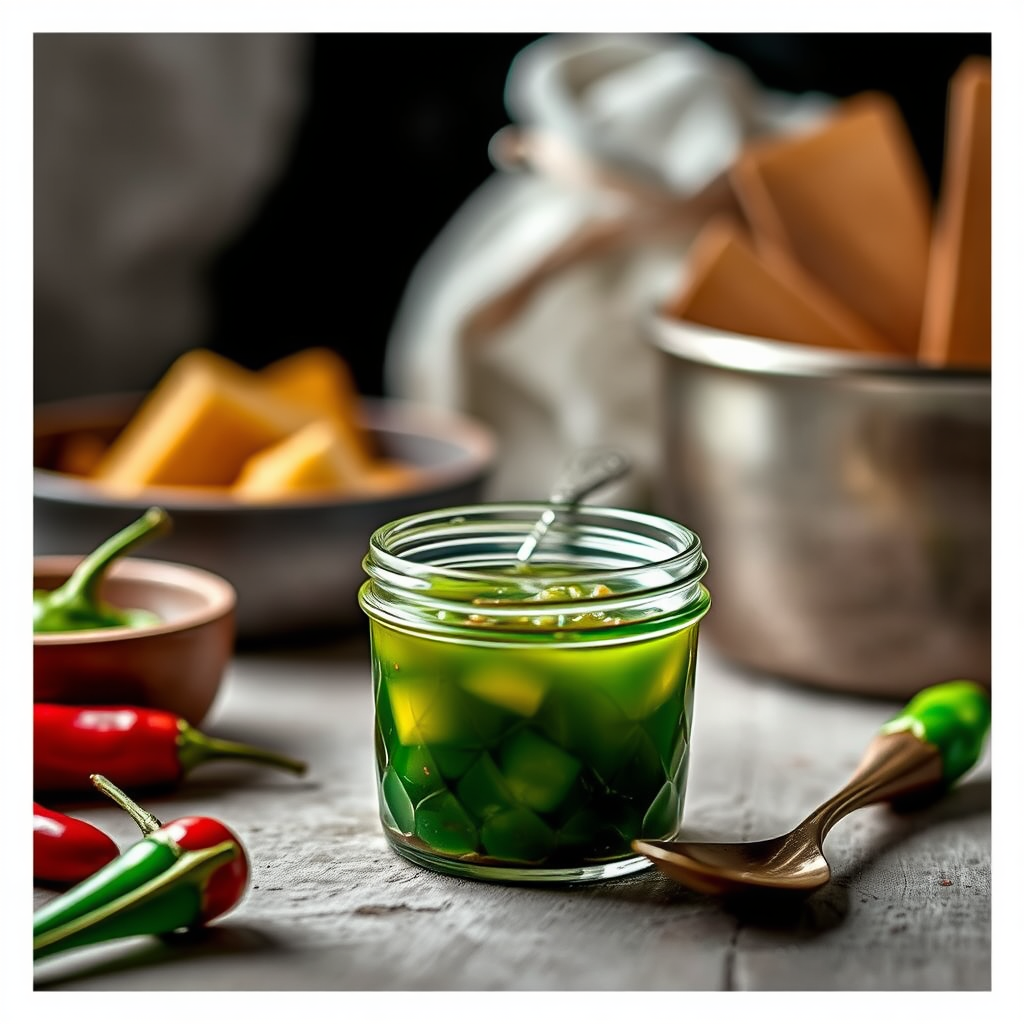
Master the art of safely making chili pepper jelly with this comprehensive expert guide designed for both novice and seasoned cooks. This guide covers essential techniques, ingredient selection, and safety protocols to ensure your jelly is flavorful and properly preserved. Following these precise steps is crucial for achieving the perfect balance of heat and sweetness while preventing spoilage. Elevate your culinary skills and impress your guests with homemade chili pepper jelly that packs a punch.
What This Guide Covers (And What It Doesn’t)
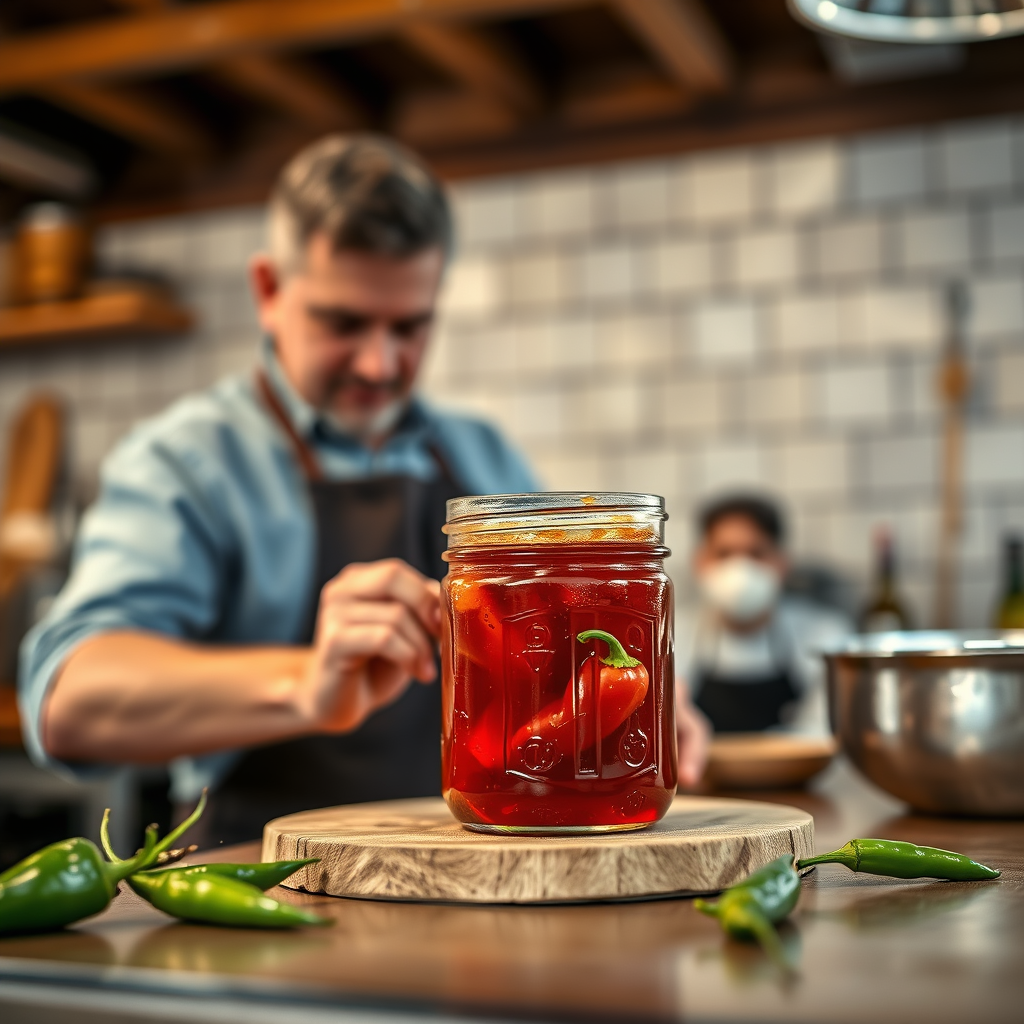
This guide offers a detailed and actionable recipe for crafting chili pepper jelly, complete with ingredient specifics, cooking techniques, and preservation methods. It emphasizes essential safety measures for canning, ensuring that your jelly remains safe for consumption over time. However, this guide does not include unrelated jelly recipes or variations that exclude chili peppers, nor does it cover non-preservation methods such as refrigeration only.
Who Should Read This
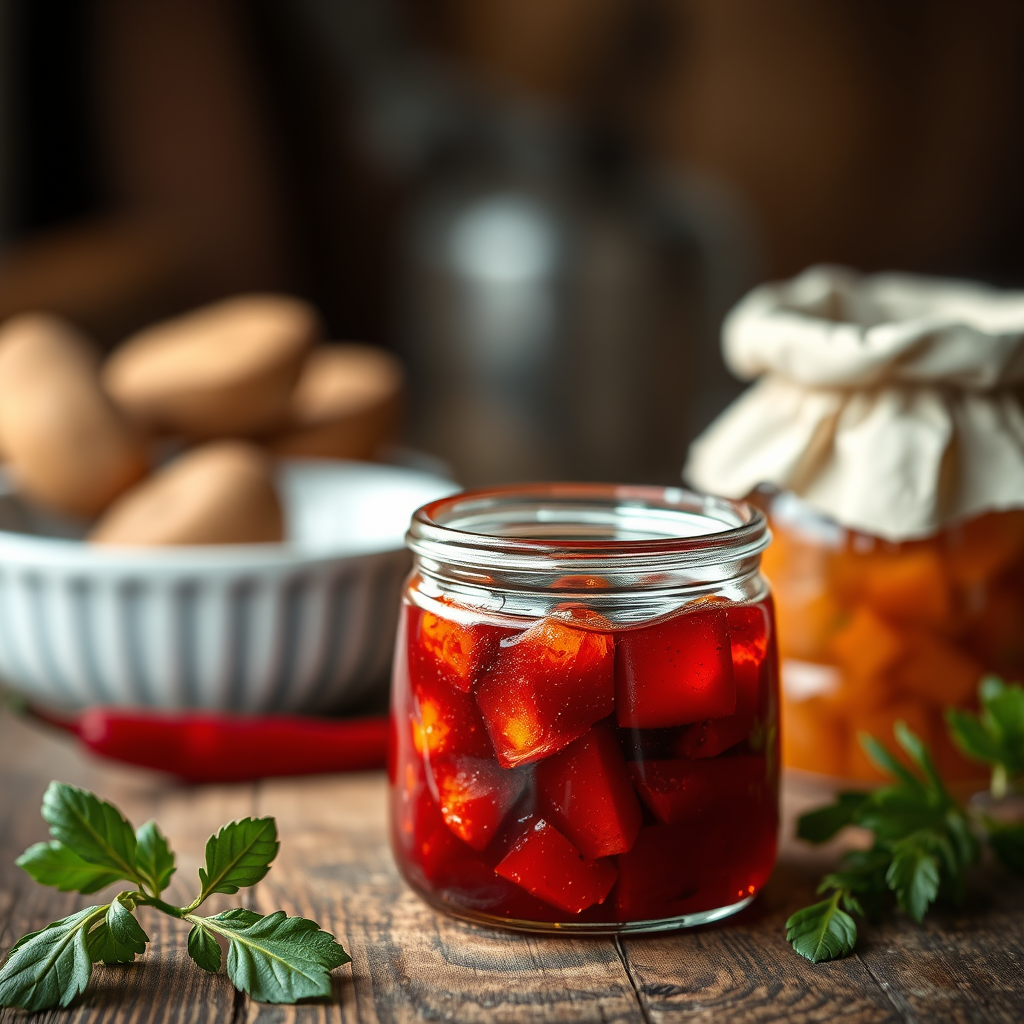
Designed for home cooks with a foundational understanding of kitchen safety and food preparation, this article caters particularly to those eager to explore canning and preserving. Culinary enthusiasts seeking to expand their repertoire with unique flavors and innovative jelly recipes will find the detailed instructions and safety guidelines invaluable. Whether you aim to create chili pepper jelly for personal enjoyment or as thoughtful gifts, this guide will equip you with the knowledge you need.
The Step-by-Step Protocol
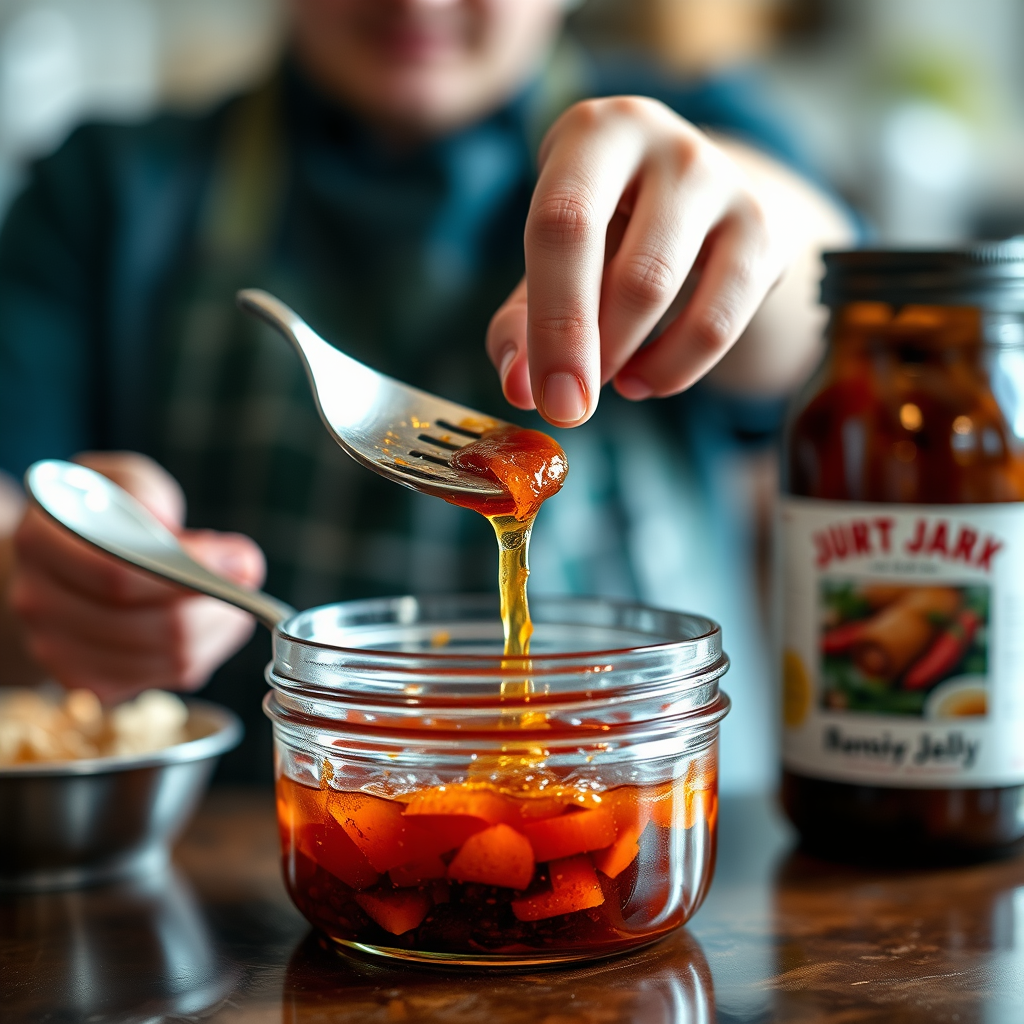
1. Gather Your Ingredients: You will need 1 cup of finely chopped chili peppers (a mix of sweet and spicy varieties, such as bell peppers and jalapeños), 1 cup of apple cider vinegar, 1 package (1.75 oz) of fruit pectin, and 5 cups of granulated sugar.
2. Prepare Your Jars: Sterilize 5 half-pint canning jars by boiling them in water for at least 10 minutes, ensuring they are free from bacteria. Allow them to air dry on a clean towel.
3. Cook the Mixture: In a large pot, combine the chopped chili peppers and apple cider vinegar. Heat over medium until it reaches a simmer, then add the fruit pectin and stir until it is completely dissolved.
4. Add Sugar and Boil: Gradually stir in the sugar, mixing well until dissolved. Bring the mixture to a rolling boil and let it boil for exactly 1 minute while stirring continuously. This step is crucial for proper gelling and safety.
5. Fill and Seal Jars: Using a ladle, fill the sterilized jars with the hot jelly mixture, leaving a 1/4 inch headspace. Wipe the rims of the jars with a clean, damp cloth to remove any residue. Seal with sterilized lids and process in a boiling water bath for 5-10 minutes, ensuring a tight seal.
Chili Pepper Varieties for Jelly (2023)
| # | Pepper Variety | Heat Level (SHU) | Flavor Profile | Best For |
|---|---|---|---|---|
| 1 | Jalapeño | 2,500 – 8,000 | Fruity, slightly smoky | Salsa, sauces |
| 2 | Habanero | 100,000 – 350,000 | Fruity, floral | Jelly, marinades |
| 3 | Serrano | 2,500 – 5,000 | Crisp, bright | Salsas, pickling |
| 4 | Thai Chili | 50,000 – 100,000 | Fruity, spicy | Stir-fry, curries |
| 5 | Anaheim | 500 – 2,500 | Mild, sweet | Stuffing, roasting |
| 6 | Poblano | 1,000 – 2,000 | Rich, earthy | Stuffing, roasting |
| 7 | Bell Pepper | 0 – 100 | Sweet, mild | Salads, raw dishes |
Warning Signs: When Not to Follow This
– Avoid making chili pepper jelly if you have allergies to any ingredients, particularly chili peppers or pectin, as this can lead to serious health risks. Always read labels carefully.
– If you notice any signs of spoilage in your ingredients, such as mold or off-smells, do not proceed with the recipe, as this compromises food safety.
– Do not attempt this recipe if you lack access to proper canning equipment, such as a boiling water bath, as this is crucial for safe preservation. Inadequate equipment can lead to improper sealing and spoilage.
The Most Common Mistakes (And Their Consequences)
– Skipping the sterilization process for jars can result in bacterial contamination and spoilage, rendering the jelly unsafe to eat. Always prioritize cleanliness.
– Not measuring the ingredients accurately, especially sugar and vinegar, can affect the jelly’s gelling ability and safety, leading to a runny or overly sweet product. Consistency in measurement is essential for success.
– Ignoring the boiling time can lead to improper sealing and spoilage. The 1-minute boil is critical for achieving the right consistency and ensuring food safety. Failing to adhere to this step can result in a jelly that does not set properly.
Special Cases That Need a Different Approach
– If using particularly hot varieties of chili peppers, such as ghost peppers, consider reducing the quantity to prevent overwhelming heat levels in the jelly. This adjustment ensures the final product remains palatable.
– For those with dietary restrictions, alternative sweeteners like stevia or agave syrup can be used. However, be sure to adjust the pectin according to the manufacturer’s guidelines for optimal results, maintaining the jelly’s texture.
– If you plan to store the jelly for extended periods (over a year), consider adjusting the vinegar concentration or using a different canning method to ensure long-term preservation. Higher acidity can enhance preservation.
When You Need a Professional
– Consult a licensed food preservation expert if you plan to alter the recipe significantly. Changes can impact the acidity and safety of the jelly, and professional guidance helps prevent foodborne illnesses.
– If you experience any adverse reactions after consuming your chili pepper jelly, seek medical advice immediately, especially if you have a known history of food allergies. Safety must always come first.
– Should you wish to sell your chili pepper jelly commercially, it is advisable to consult with a food safety professional to comply with local regulations and ensure safe production practices. Regulatory compliance is critical in food sales.
Sources and Further Reading
– “The Complete Book of Home Preserving” by Ball (ISBN: 978-0-7788-0421-3) provides in-depth information on safe canning techniques.
– The National Center for Home Food Preservation (nchfp.uga.edu) offers guidelines on safe canning practices and preserving fruits.
– “Canning and Preserving for Dummies” by Amelia Jeanroy (ISBN: 978-1118052097) is an excellent resource for both beginners and experienced canners, focusing on techniques and recipes.
By following these guidelines, you can create a delicious and safe chili pepper jelly that enhances your culinary repertoire and delights those who share in its enjoyment.
Frequently Asked Questions
What are the key ingredients for a chili pepper jelly recipe?
The key ingredients for a chili pepper jelly recipe typically include fresh chili peppers, sugar, vinegar, and pectin. For a balanced flavor, you can use a mix of sweet and hot peppers, along with apple cider or white vinegar to enhance the taste. Ensure you choose high-quality pectin for the best consistency.
How can I adjust the heat level in my chili pepper jelly?
To adjust the heat level in your chili pepper jelly, you can vary the type and amount of chili peppers used. For a milder jelly, use sweet peppers or reduce the quantity of hot peppers. Conversely, for a spicier version, incorporate more hot peppers or even add some crushed red pepper flakes for an extra kick.
Why did my chili pepper jelly not set properly?
If your chili pepper jelly did not set properly, it may be due to insufficient pectin or not boiling it for the right amount of time. Make sure to follow the instructions for your pectin closely and check that the jelly reaches the appropriate temperature. Additionally, using overly ripe fruit or not measuring the sugar correctly can also affect the setting process.
What is the best way to store homemade chili pepper jelly?
The best way to store homemade chili pepper jelly is to keep it in sterilized jars and seal them tightly. Store the jars in a cool, dark place like a pantry, and once opened, refrigerate the jelly to maintain its freshness. Properly canned, chili pepper jelly can last up to a year, while opened jelly should be consumed within a few weeks.
Which dishes pair well with chili pepper jelly?
Chili pepper jelly pairs wonderfully with a variety of dishes, enhancing both savory and sweet flavors. It is excellent as a glaze for meats, a topping for cream cheese on crackers, or even drizzled over grilled vegetables. Additionally, it can complement cheese boards, providing a delightful contrast to rich cheeses.
References
- Chili pepper
https://en.wikipedia.org/wiki/Chili_pepper - Bacillus subtilis Protects Public Goods by Extending Kin Discrimination to Closely Related Specie…
https://www.ncbi.nlm.nih.gov/pmc/articles/PMC5573675/ - Machine Learning Versus Logistic Regression Methods for 2-Year Mortality Prognostication in a Sma…
https://www.ncbi.nlm.nih.gov/pmc/articles/PMC6581022/ - Google Scholar Google Scholar
https://scholar.google.com/scholar?q=chili+pepper+jelly+recipe - Google Scholar Google Scholar
https://scholar.google.com/scholar?q=chili+pepper+preservation+methods - Google Scholar Google Scholar
https://scholar.google.com/scholar?q=chili+pepper+culinary+uses - https://www.uga.edu/
https://www.uga.edu/ - https://extension.uga.edu/publications/detail.html?number=B1331
https://extension.uga.edu/publications/detail.html?number=B1331 - https://www.sciencedirect.com/topics/agricultural-and-biological-sciences/chili-pepper
https://www.sciencedirect.com/topics/agricultural-and-biological-sciences/chili-pepper - https://www.ars.usda.gov/ARSUserFiles/np/ChiliPepper.pdf
https://www.ars.usda.gov/ARSUserFiles/np/ChiliPepper.pdf