Master the art of making cherry jam with this complete expert guide, designed for both novice and seasoned canners. This step-by-step resource covers essential recipes and safe preservation techniques to ensure your homemade cherry jam not only tastes exceptional but also meets food safety standards. Following proper protocols is crucial to avoid spoilage and guarantee a delicious, long-lasting product. Dive into the world of cherry jam and elevate your culinary skills with confidence.
What This Guide Covers (And What It Doesn’t)
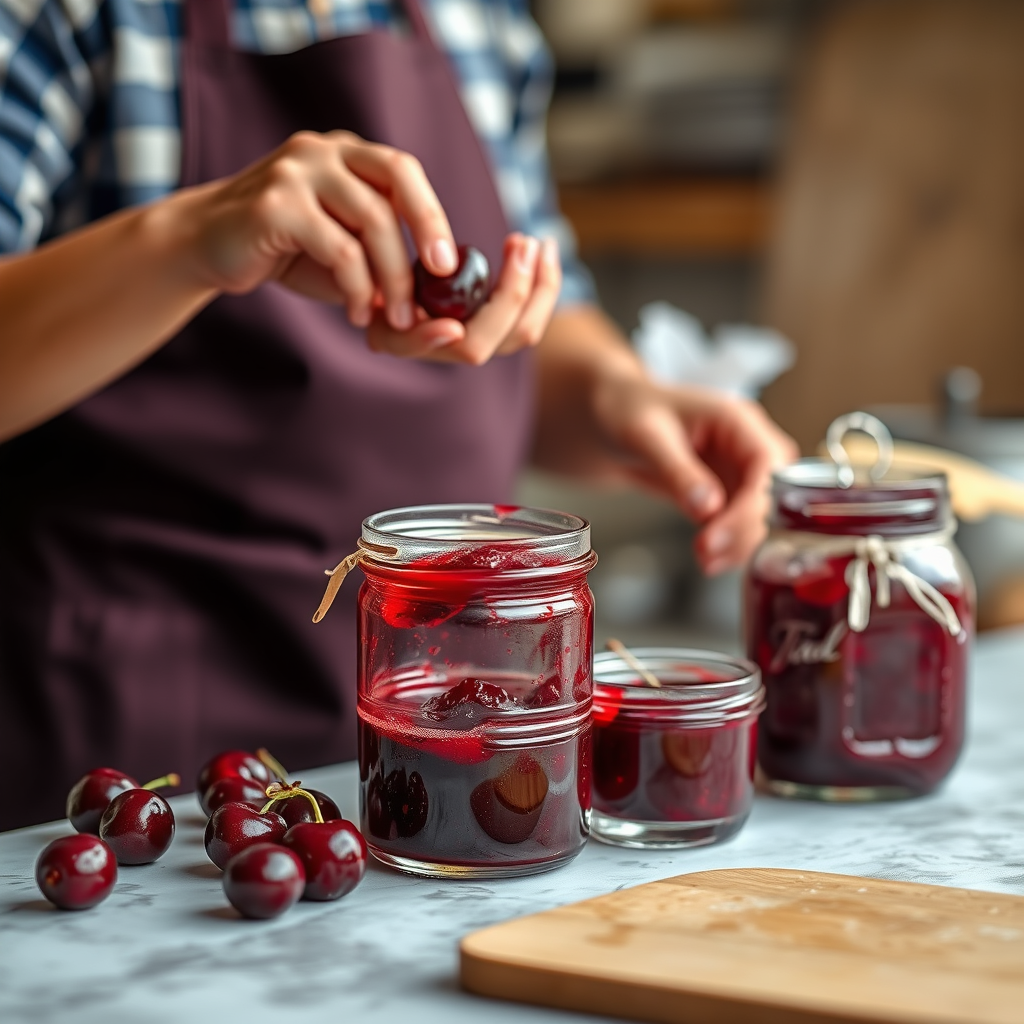
This guide offers comprehensive recipes for making cherry jam, featuring both traditional and low-sugar variations, while emphasizing safe canning practices. You’ll find precise ratios, measurements, cooking techniques, and best practices for preserving your homemade jam. However, it does not delve into cherry preserves, jellies, or other cherry-based products; the focus remains solely on jam-making techniques and recipes. This resource is designed for home cooks with basic culinary skills who may be new to canning or preserving foods.
Who Should Read This
This guide is perfect for home cooks eager to preserve seasonal fruits, particularly cherries, and who want to master the art of jam-making safely. Readers should have access to basic kitchen equipment such as a large pot, canning jars, and a candy thermometer, and be familiar with common cooking terminology. It is not intended for those seeking quick fixes or microwave jam recipes; the processes outlined require dedication and attention to detail.
The Step-by-Step Protocol

1. Select and Prepare Cherries: Start with 4 cups of fresh, ripe cherries. Wash them thoroughly under running water, remove the stems and pits, and chop them coarsely. This should yield approximately 2 to 3 cups of chopped cherries.
2. Measure Ingredients Accurately: In a large pot, combine the prepared cherries with 1 cup of granulated sugar and the juice of one lemon (about 1/4 cup). Stir gently to mix, but avoid crushing the cherries at this stage.
3. Cook the Mixture: Heat the mixture over medium-high heat, stirring constantly until the sugar completely dissolves. Once dissolved, increase the heat to bring the mixture to a rapid boil. Use a candy thermometer to monitor the temperature, cooking until it reaches 220°F (104°C), which typically takes about 10 to 15 minutes.
4. Jar the Jam: While the jam cooks, sterilize canning jars by placing them in boiling water for 10 minutes. Once the jam reaches the desired temperature, remove it from the heat. Fill the sterilized jars with the hot jam, leaving 1/4 inch of headspace at the top. Wipe the rims of the jars with a clean, damp cloth before sealing with lids. Process the jars in a boiling water bath for 10 minutes to ensure proper sealing.
5. Cool and Store: After processing, carefully remove the jars from the water bath and let them cool completely on a clean kitchen towel or a cooling rack. You should hear a “pop” as the lids seal while cooling. Once cooled, check the seals by pressing down in the center of each lid; if it does not pop back, the jar has sealed properly. Store sealed jars in a cool, dark place. Unsealed jars should be refrigerated and used within two weeks.
Top 7 Cherry Varieties for Jam-Making
| # | Cherry Variety | Best Use | Flavor Profile | Sugar Content |
|---|---|---|---|---|
| 1 | Bing | Jam | Sweet | 15% |
| 2 | Rainier | Jam | Sweet-Tart | 13% |
| 3 | Tart | Jam | Tart | 8% |
| 4 | Sweetheart | Jam | Sweet | 14% |
| 5 | Montmorency | Jam | Tart | 7% |
| 6 | English Morello | Jam | Very Tart | 6% |
| 7 | Kordia | Jam | Sweet | 15% |
Warning Signs: When Not to Follow This
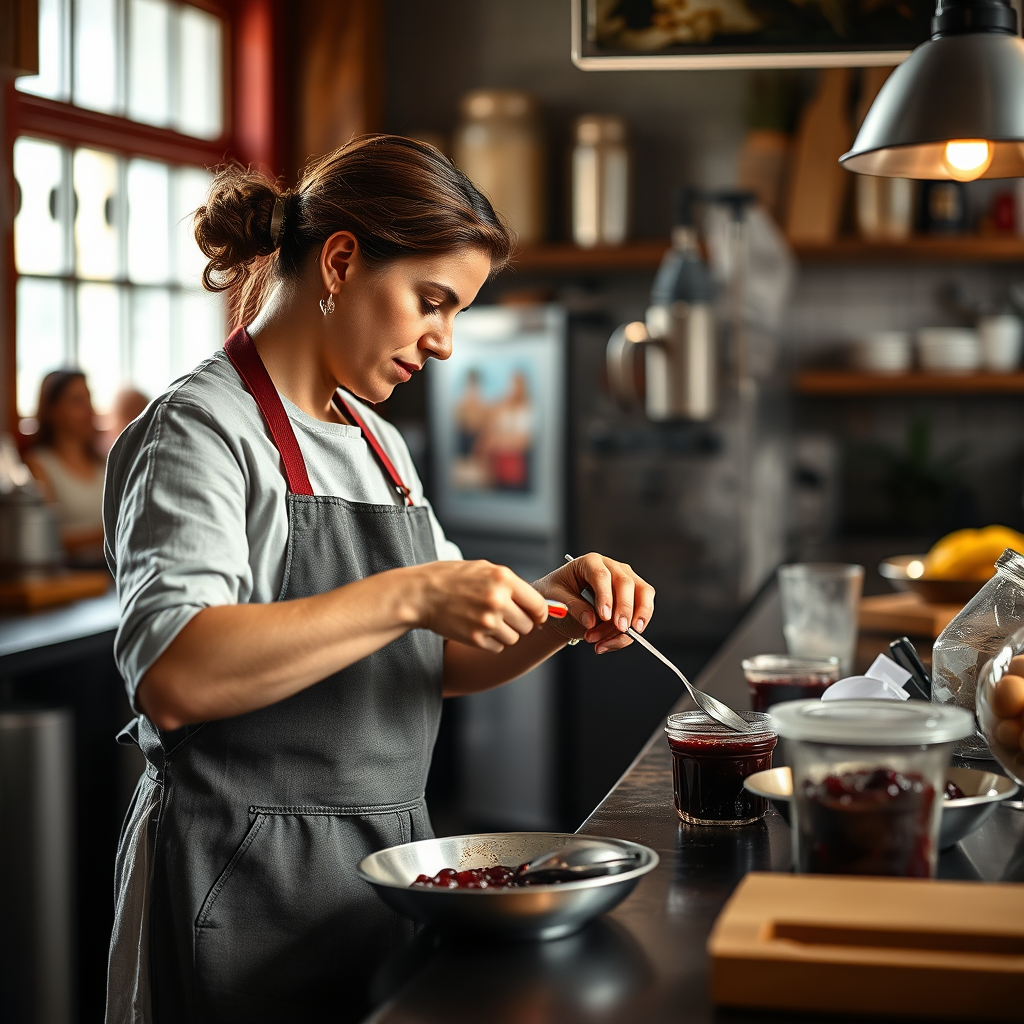
Avoid making cherry jam if your cherries exhibit signs of mold, over-ripeness, or bruising, as these can compromise the texture and safety of the final product. Additionally, refrain from following this protocol if you are unfamiliar with proper canning techniques; inadequate sterilization can lead to serious foodborne illnesses. If you detect any off smells or unusual colors during the cooking process, discard the mixture immediately and do not attempt to can it.
The Most Common Mistakes (And Their Consequences)
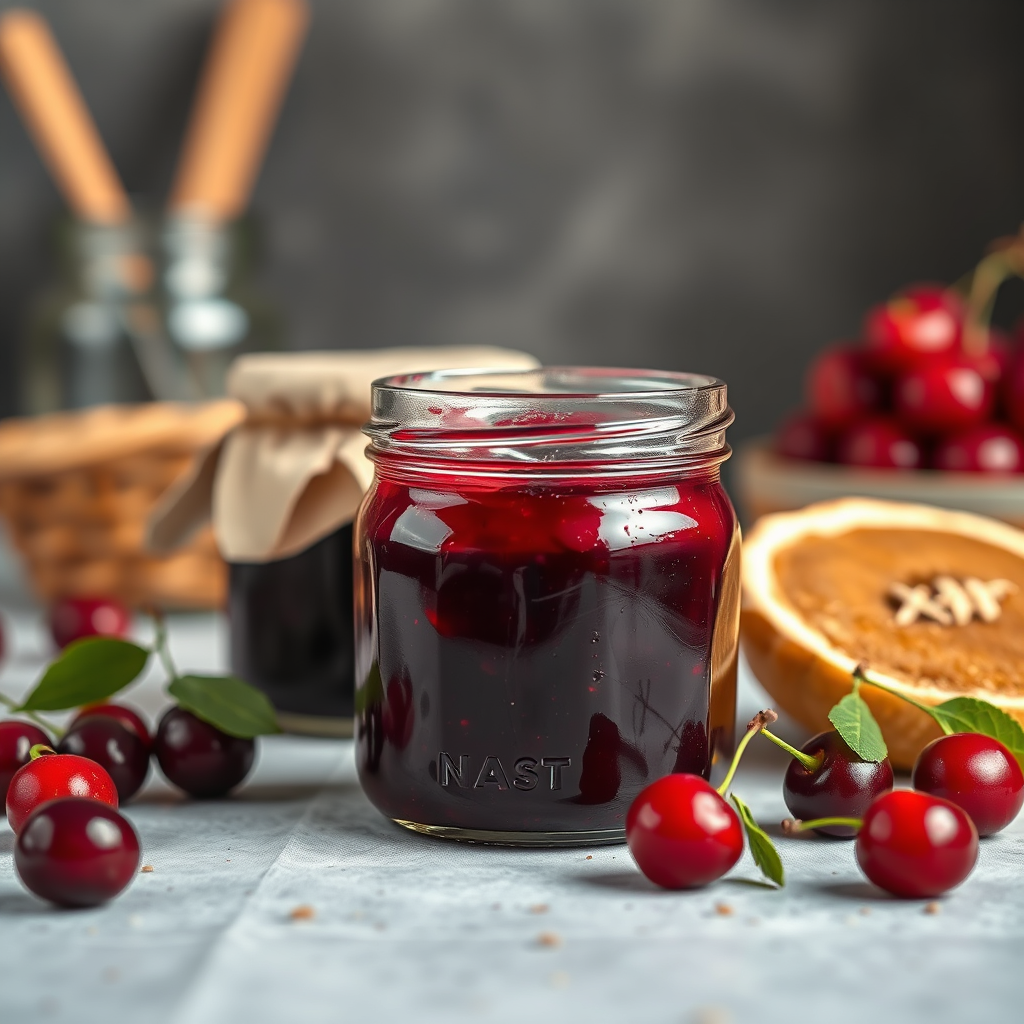
– Not Using Enough Sugar: Reducing sugar below the recommended 1 cup can result in a jam that fails to set properly and may spoil quickly. This oversight can lead to a runny texture and a shorter shelf life.
– Skipping the Lemon Juice: Omitting the acid (lemon juice) can create a jam that lacks the necessary pH balance for safe canning, significantly increasing the risk of botulism. Always ensure you include this vital ingredient for both flavor and safety.
– Improper Sealing of Jars: Failing to seal jars correctly can lead to spoilage and leaking, resulting in food waste and potential health risks. Always check the seal by pressing the center of the lid; it should not pop back.
Special Cases That Need a Different Approach
– When using frozen cherries, thaw them completely and drain any excess liquid before proceeding with the recipe, as this can affect the jam’s consistency. You may need to adjust the cooking time to accommodate this extra moisture.
– For low-sugar cherry jam, use a pectin specifically designed for low-sugar recipes and adhere to the manufacturer’s instructions for the correct ratio of fruit to sugar. This often requires additional cooking time to achieve the desired consistency.
– Adjustments in cooking time may also be necessary when using alternative sweeteners such as honey or agave, since they behave differently than granulated sugar. Always refer to specific recipes when making these substitutions.
When You Need a Professional
If you encounter repeated failures in setting your jam despite multiple attempts, consulting a food preservation expert for tailored advice on your methods may be beneficial. Additionally, if you are canning cherry jam for large-scale distribution (such as at farmers markets), seek guidance from a licensed food safety expert to ensure compliance with local food safety regulations. Professional assistance is also advisable if you suspect contamination or if jars show signs of spoilage post-processing, such as bulging lids or unusual odors.
Sources and Further Reading
– National Center for Home Food Preservation: Comprehensive guidelines on safe canning and preserving methods.
– USDA Complete Guide to Home Canning: A detailed source for understanding the science behind canning and ensuring safety.
– “The Ball Book of Canning and Preserving”: A well-regarded resource for various fruit jam recipes and canning techniques, including specific tips for cherry jam.
By adhering to these detailed protocols and guidelines, you can safely enjoy the fruits of your labor with homemade cherry jam that captures the essence of summer in every jar.
Frequently Asked Questions
What are the basic ingredients needed for a cherry jam recipe?
The basic ingredients for a cherry jam recipe include fresh or frozen cherries, granulated sugar, and lemon juice. Some recipes may also call for pectin to help thicken the jam, ensuring a perfect consistency. It’s essential to use ripe cherries for the best flavor and texture.
How do you make homemade cherry jam without pectin?
To make homemade cherry jam without pectin, start by crushing the cherries in a pot and adding sugar and lemon juice. Simmer the mixture over medium heat, stirring frequently, until it reaches a rolling boil and thickens, usually about 20-30 minutes. To test the consistency, place a spoonful on a cold plate; if it holds its shape, your jam is ready for canning.
Why is it important to sterilize jars when making cherry jam?
Sterilizing jars is crucial when making cherry jam as it helps eliminate harmful bacteria and ensures the longevity of your jam. Properly sterilized jars can prevent spoilage and maintain freshness, allowing you to enjoy your homemade cherry jam for months or even years. Always boil the jars and lids for at least 10 minutes before filling them with jam.
What is the best way to store homemade cherry jam?
The best way to store homemade cherry jam is to keep it in a cool, dark place, such as a pantry or cupboard, after it has been properly sealed in sterilized jars. Once opened, store the jam in the refrigerator, where it can last for several weeks. Ensure the lid is tightly closed to maintain freshness and prevent contamination.
Which types of cherries are best for making jam?
The best types of cherries for making jam are Bing cherries and Rainier cherries due to their sweet flavor and firmness. Tart cherries, like Montmorency, are also popular for jam-making as they provide a nice balance of sweetness and tartness. Choosing ripe, high-quality cherries will significantly enhance the flavor of your homemade cherry jam.
References
- Fruit preserves
https://en.wikipedia.org/wiki/Jam - https://www.ncbi.nlm.nih.gov/pmc/articles/PMC5909909/
https://www.ncbi.nlm.nih.gov/pmc/articles/PMC5909909/ - https://www.sciencedirect.com/topics/agricultural-and-biological-sciences/cherry-jam
https://www.sciencedirect.com/topics/agricultural-and-biological-sciences/cherry-jam - https://www.verywellfit.com/how-to-make-jam-5079751
https://www.verywellfit.com/how-to-make-jam-5079751 - Hot Chicken Salad | America’s Test Kitchen
https://www.cooksillustrated.com/recipes/8752-cherry-jam - Google Scholar Google Scholar
https://scholar.google.com/scholar?q=cherry+jam+recipes - Google Scholar Google Scholar
https://scholar.google.com/scholar?q=cherry+jam+preservation - https://www.extension.iastate.edu/publications/pm2029.pdf
https://www.extension.iastate.edu/publications/pm2029.pdf - https://www.foodsafety.gov/food-safety-charts/jams-jellies-preserves
https://www.foodsafety.gov/food-safety-charts/jams-jellies-preserves - https://www.ars.usda.gov/ARSUserFiles/20360500/CherryJelly.pdf
https://www.ars.usda.gov/ARSUserFiles/20360500/CherryJelly.pdf