Mastering the art of making cherry jam at home requires precision and knowledge of safe canning practices. This expert guide provides step-by-step instructions for crafting delicious, preservative-free cherry jam while ensuring food safety. Following the right protocols not only enhances flavor but also protects your health, making this guide essential for both novice and experienced home canners.
What This Guide Covers (And What It Doesn’t)
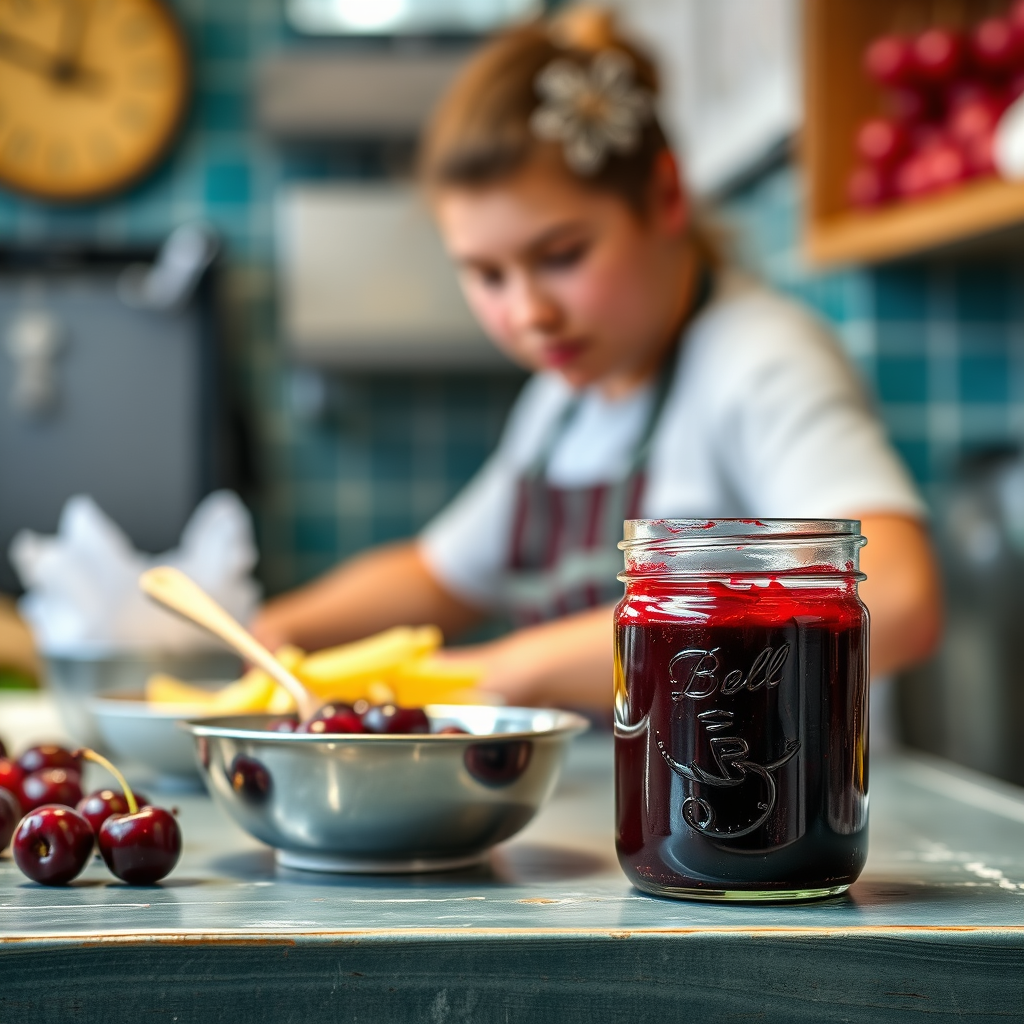
This guide provides a detailed, step-by-step cherry jam recipe, including the necessary ingredients, equipment, and techniques for safe home canning. It highlights the importance of safety and quality throughout the preservation process, ensuring that the final product is not only delicious but also enjoyable. Special attention is given to common pitfalls and safety concerns, equipping readers with the knowledge they need before embarking on this culinary adventure. However, it does not delve into other types of fruit jams or jellies, nor does it include variations that significantly alter the basic cherry jam recipe. This guide is tailored for home cooks who have a fundamental understanding of cooking but may lack experience with canning or preserving.
Who Should Read This
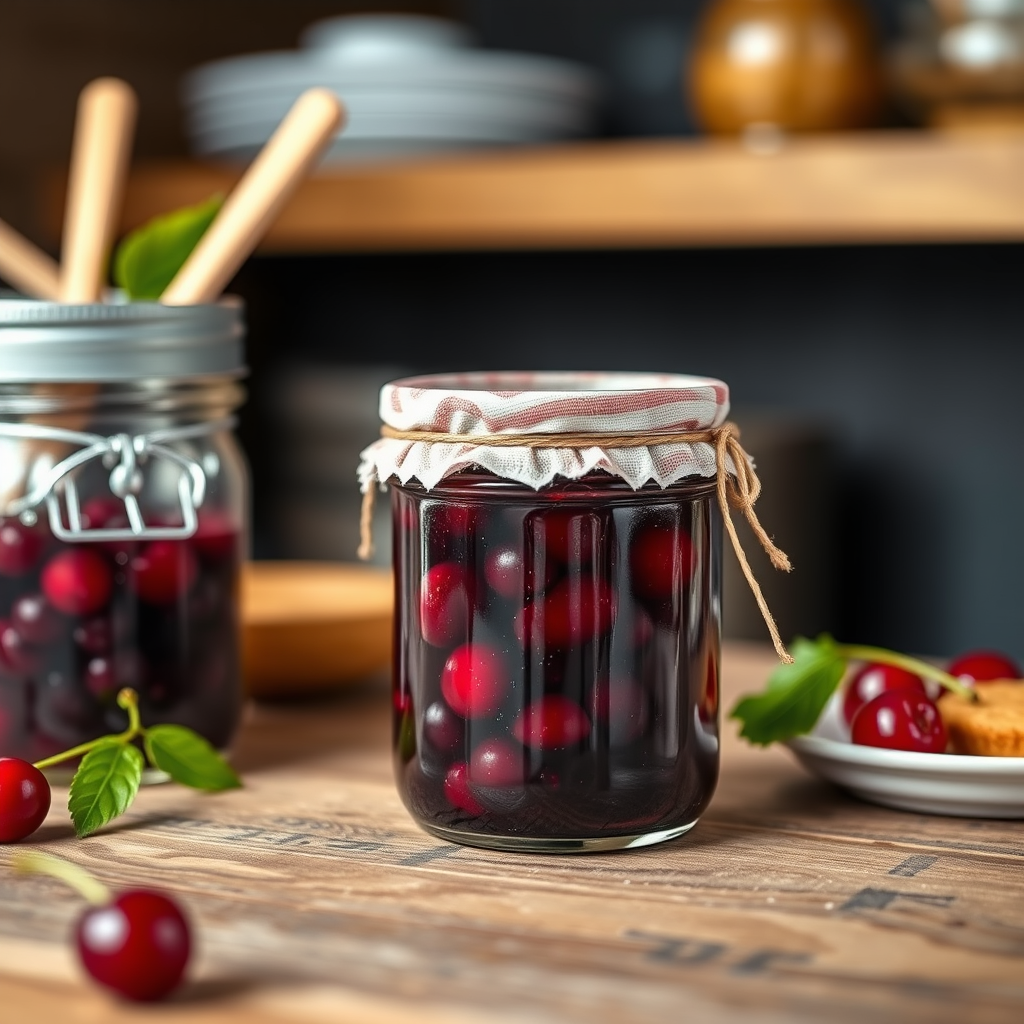
This guide is specifically designed for home cooks eager to preserve seasonal cherries safely, whether for personal enjoyment or to share with family and friends. Readers should possess a foundational knowledge of basic cooking techniques but do not need any prior canning experience. Individuals interested in sustainable living and keen on preserving food for future use will find this guide particularly valuable. Additionally, those with dietary restrictions or preferences for homemade products over store-bought items will appreciate the comprehensive instructions provided.
The Step-by-Step Protocol
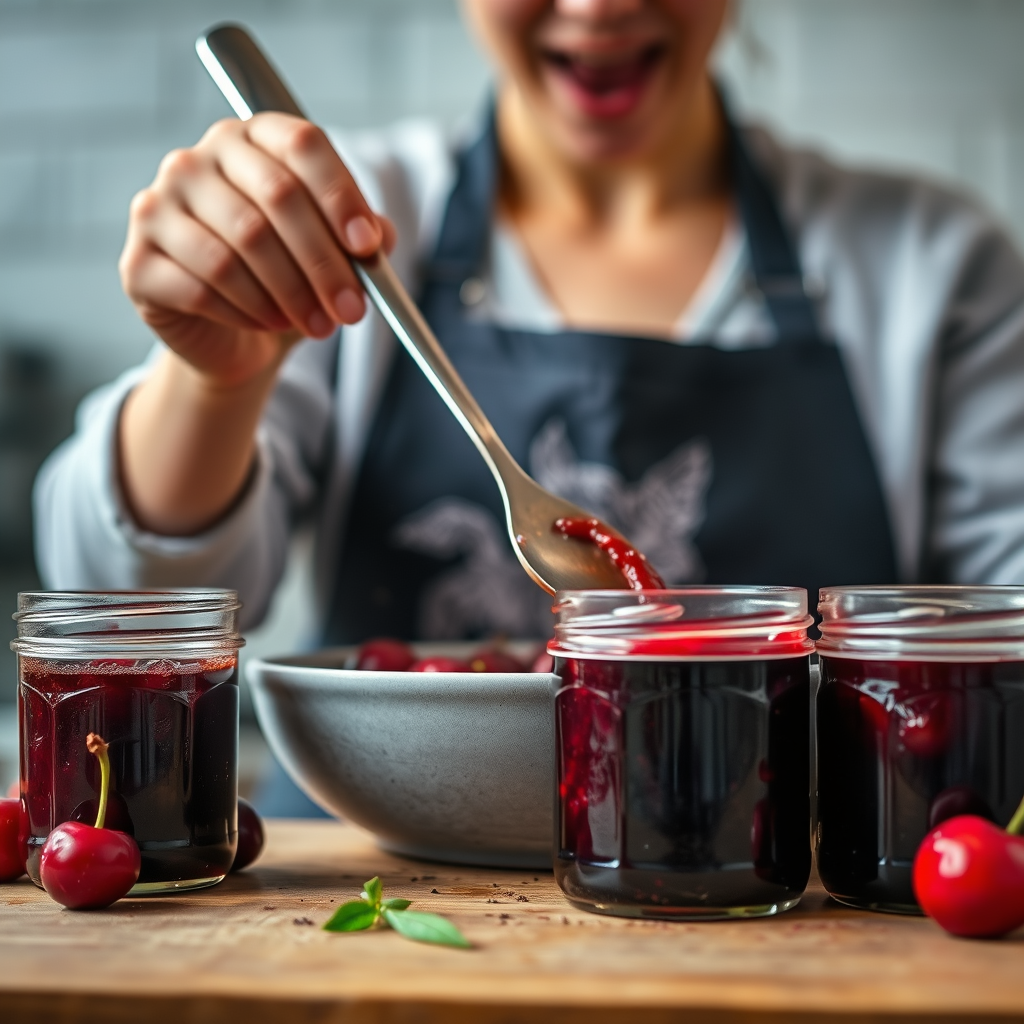
1. Gather Your Ingredients and Equipment: Collect 4 cups of pitted cherries, 1 cup of granulated sugar, and 1 tablespoon of lemon juice. Ensure you have sterilized canning jars and a water bath canner ready.
2. Prepare the Cherries: Rinse the cherries thoroughly under cold water. Remove the pits and any stems, then chop them coarsely. This technique helps release their juices during cooking.
3. Combine Ingredients: In a large, heavy-bottomed pot, combine the prepared cherries, sugar, and lemon juice. Gently mash the cherries with a potato masher or fork to start releasing their juices.
4. Cook the Mixture: Place the pot over medium heat and stir frequently until the mixture reaches a rolling boil. This process usually takes about 5-10 minutes. Once boiling, continue to cook for an additional 10-15 minutes until the jam thickens to your desired consistency.
5. Test the Consistency: To check if the jam is ready, place a spoonful on a chilled plate. Allow it to sit for a minute; if it holds its shape and does not run, it’s ready for canning. If it is still too runny, continue cooking and test every few minutes until it reaches the desired thickness.
6. Fill the Jars: Using a ladle, fill the sterilized jars with the hot cherry jam, leaving a ¼ inch headspace at the top. Wipe the rims of the jars with a clean, damp cloth to ensure there are no remnants that could prevent a proper seal.
7. Seal and Process: Place the sterilized lids on the jars, ensuring they fit snugly. Process the jars in a water bath canner for 10 minutes to ensure they are sealed properly. Adjust processing time for higher altitudes if necessary, as recommended by the USDA.
8. Cool and Store: After processing, carefully remove the jars from the canner and place them on a clean towel or cooling rack. Allow them to cool completely at room temperature. Check that the lids have sealed properly by pressing in the center; it should not pop back. Store the sealed jars in a cool, dark place.
Warning Signs: When Not to Follow This
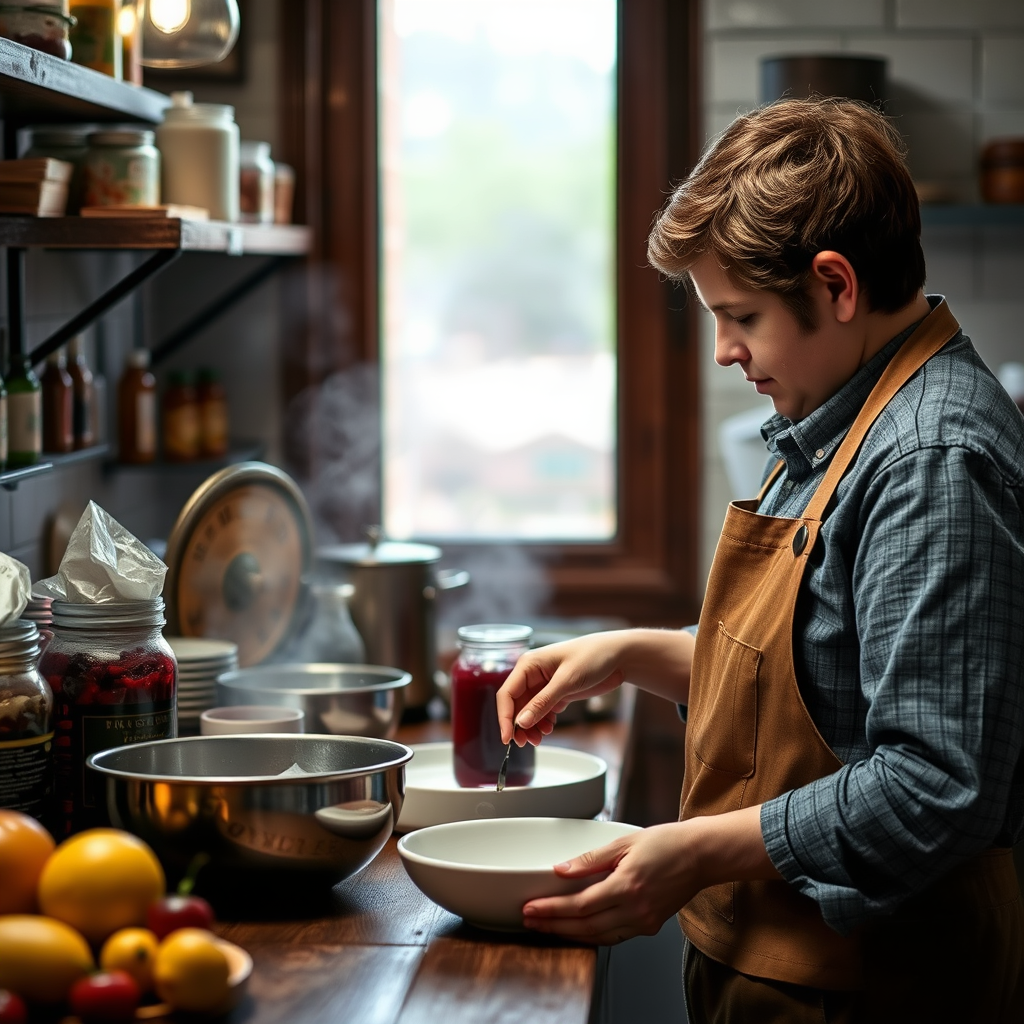
– If you notice any signs of mold, unusual odors, or fermentation in your cherries before starting the recipe, do not proceed with the jam-making process.
– Avoid making cherry jam if you have allergies to any of the listed ingredients, particularly pitted cherries or granulated sugar.
– Do not attempt this recipe if you lack access to proper canning equipment, such as a water bath canner and sterilized jars, as this can lead to unsafe preservation.
– Refrain from using cherries that have been previously frozen or canned, as their texture may not yield the desired results for jam consistency.
The Most Common Mistakes (And Their Consequences)
– Incorrect Sugar Measurement: A frequent error is not measuring the sugar accurately. Using too little sugar can result in jam that remains runny and does not set properly. Always use the specified amount for a successful outcome.
– Omitting Lemon Juice: Skipping the lemon juice can lead to a jam that is overly sweet and lacks the necessary acidity for safe canning and preservation. This acidity is critical for preventing the growth of harmful bacteria.
– Improper Jar Sterilization: Failing to sterilize jars effectively can introduce bacteria, leading to spoilage or foodborne illness once the jam is stored. Ensure jars are sterilized by boiling them for 10 minutes before use.
– Insufficient Processing Time: Not processing the jars in a water bath for the full recommended time can result in improperly sealed jars, increasing the risk of spoilage. Always adhere to the processing time based on your altitude.
Special Cases That Need a Different Approach
– Using Low-Sugar Pectin: If using low-sugar pectin, follow the specific instructions on the pectin package for adjusting the sugar quantity and cooking times for cherry jam to ensure proper setting.
– Dietary Substitutions: For those with dietary restrictions, consider substituting granulated sugar with alternatives like honey or agave syrup. Adjust the quantity accordingly to maintain the desired sweetness.
– Frozen Cherries: If fresh cherries are not available, frozen cherries may be used; however, thaw them completely and drain excess liquid before proceeding with the recipe to achieve the correct consistency.
– Spiced Variations: For a spiced variation, consider adding a pinch of cinnamon or cloves to the cherry mixture during cooking. However, be aware that this alters the traditional flavor profile and may not appeal to all palates.
When You Need a Professional
– If you are unsure about the safety of your canning process or have questions regarding preservation techniques, consult a food safety expert or certified canning instructor.
– In cases of allergic reactions or health concerns related to the consumption of homemade jam, seek advice from a healthcare professional.
– If you have experienced consistent failures with jam setting or preserving, it may be beneficial to consult a food scientist or professional canner for tailored troubleshooting.
– When attempting to can large quantities of cherry jam or planning to sell homemade products, adhere to local food safety regulations and seek guidance from a licensed food safety consultant.
Sources and Further Reading
– National Center for Home Food Preservation: Comprehensive guidelines on safe canning practices and preserving fruit jams.
– Ball® Canning: Detailed recipes and resources for home canning, including various fruit jam techniques.
– USDA Complete Guide to Home Canning: A fundamental resource for understanding the science of canning and preservation.
– “The Joy of Cooking” by Irma S. Rombauer: A classic cookbook that includes various fruit preservation methods, including cherry jam recipes.
By following this expert guide, you will successfully navigate the process of making cherry jam at home, ensuring a delightful product that captures the essence of summer in every jar. Enjoy the fruits of your labor, and share the joy of homemade preserves with others.
Frequently Asked Questions
What ingredients do I need for a basic cherry jam recipe?
To make a basic cherry jam, you’ll need fresh cherries, granulated sugar, lemon juice, and pectin. Typically, you’ll use about 4 cups of pitted cherries, 5 cups of sugar, 1/4 cup of lemon juice, and 1 package of pectin to achieve the perfect balance of sweetness and acidity.
How do I properly prepare cherries for making jam?
To prepare cherries for jam, start by washing them thoroughly under running water. Next, remove the stems and pits, either by hand or using a cherry pitter, to ensure a smooth texture in your final product. Chopping the cherries into smaller pieces can also help them break down more easily during cooking.
Why is pectin important in making cherry jam?
Pectin is a natural thickening agent that helps jam set and achieve the desired consistency. In cherry jam, pectin interacts with the sugar and acid to form a gel-like texture, preventing the jam from being runny and ensuring it spreads well. Without pectin, your cherry jam may remain too liquid and not set properly.
What is the best method for canning cherry jam to ensure it lasts?
The best method for canning cherry jam involves using the water bath canning technique. After filling sterilized jars with hot jam, ensure to leave 1/4 inch of headspace, wipe the rims clean, and seal with sterilized lids. Process the jars in a boiling water bath for about 10-15 minutes to create a vacuum seal, which helps preserve the jam for up to a year.
Which cherries are best for making jam: sweet or sour?
Sour cherries, such as Montmorency or Morello, are generally considered the best choice for making jam due to their natural tartness, which balances the sweetness of sugar. Sweet cherries can also be used, but they may require additional acid, like lemon juice, to achieve the right flavor profile and ensure proper gelling.
References
- Fruit preserves
https://en.wikipedia.org/wiki/Jam - https://www.ncbi.nlm.nih.gov/pmc/articles/PMC5609553/
https://www.ncbi.nlm.nih.gov/pmc/articles/PMC5609553/ - https://www.ncbi.nlm.nih.gov/pmc/articles/PMC6110199/
https://www.ncbi.nlm.nih.gov/pmc/articles/PMC6110199/ - https://www.foodsafety.gov/keep/charts/jam.html
https://www.foodsafety.gov/keep/charts/jam.html - Google Scholar Google Scholar
https://scholar.google.com/scholar?q=cherry+jam+recipe - Google Scholar Google Scholar
https://scholar.google.com/scholar?q=preserving+cherries+jam - Google Scholar Google Scholar
https://scholar.google.com/scholar?q=fruit+preservation+jam - https://www.extension.purdue.edu/extmedia/FNR/FNR-404-W.pdf
https://www.extension.purdue.edu/extmedia/FNR/FNR-404-W.pdf - UGA
https://www.uga.edu/ - https://www.wwu.edu/academic/colleges/colleges.html
https://www.wwu.edu/academic/colleges/colleges.html