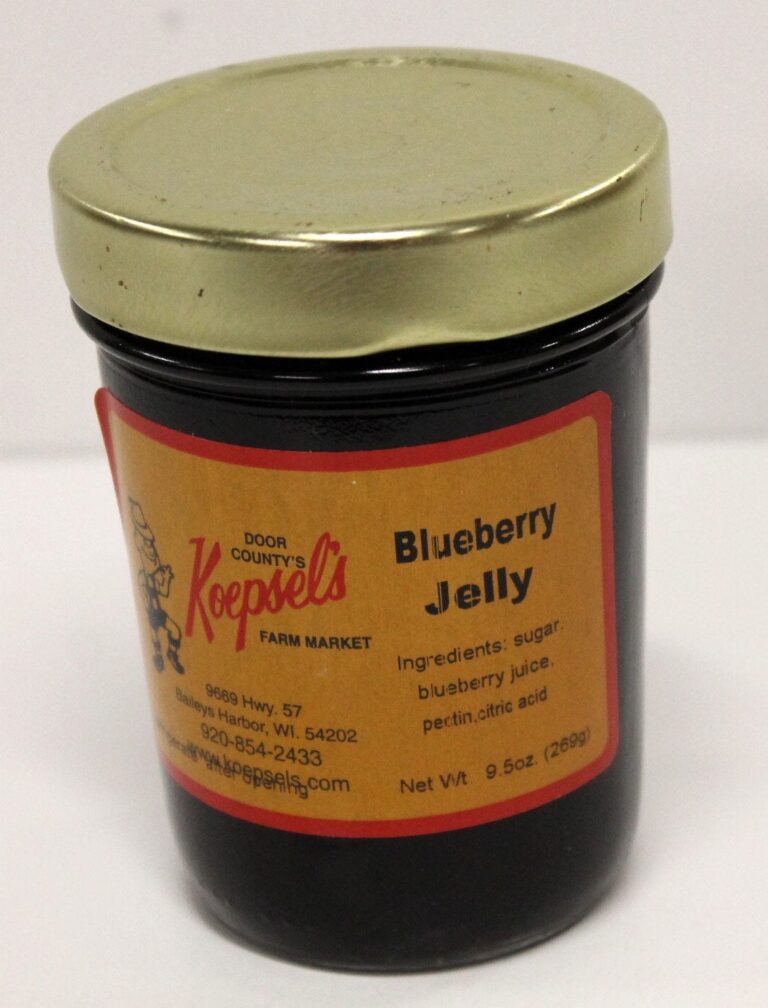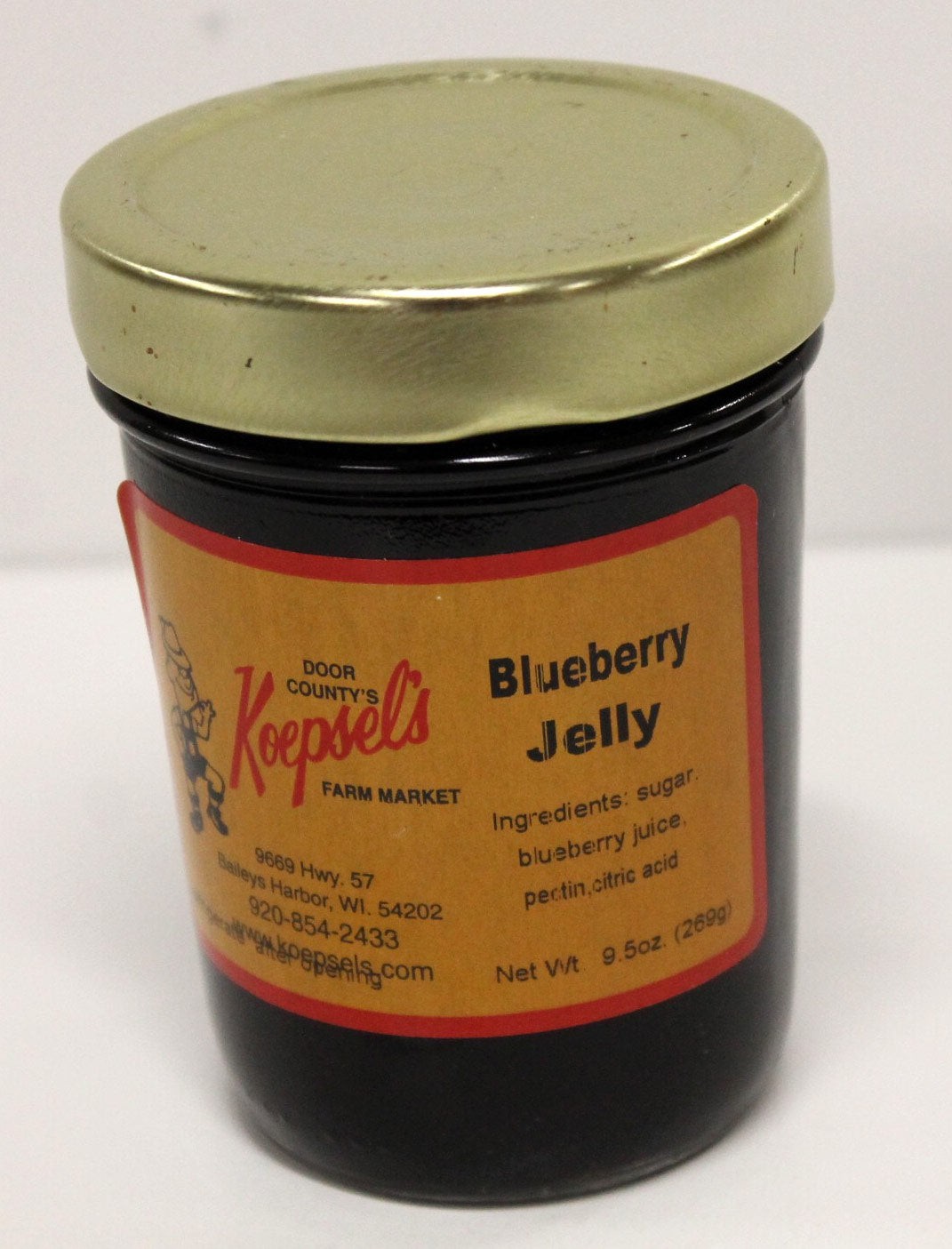
Mastering the art of making blueberry jelly requires precise techniques and safety protocols to ensure a delicious and safe final product. This expert guide provides step-by-step instructions, essential tips, and best practices for crafting perfect blueberry jelly every time. Following these guidelines not only enhances flavor but also ensures food safety, making your homemade preserves a reliable addition to any pantry.
What This Guide Covers (And What It Doesn’t)
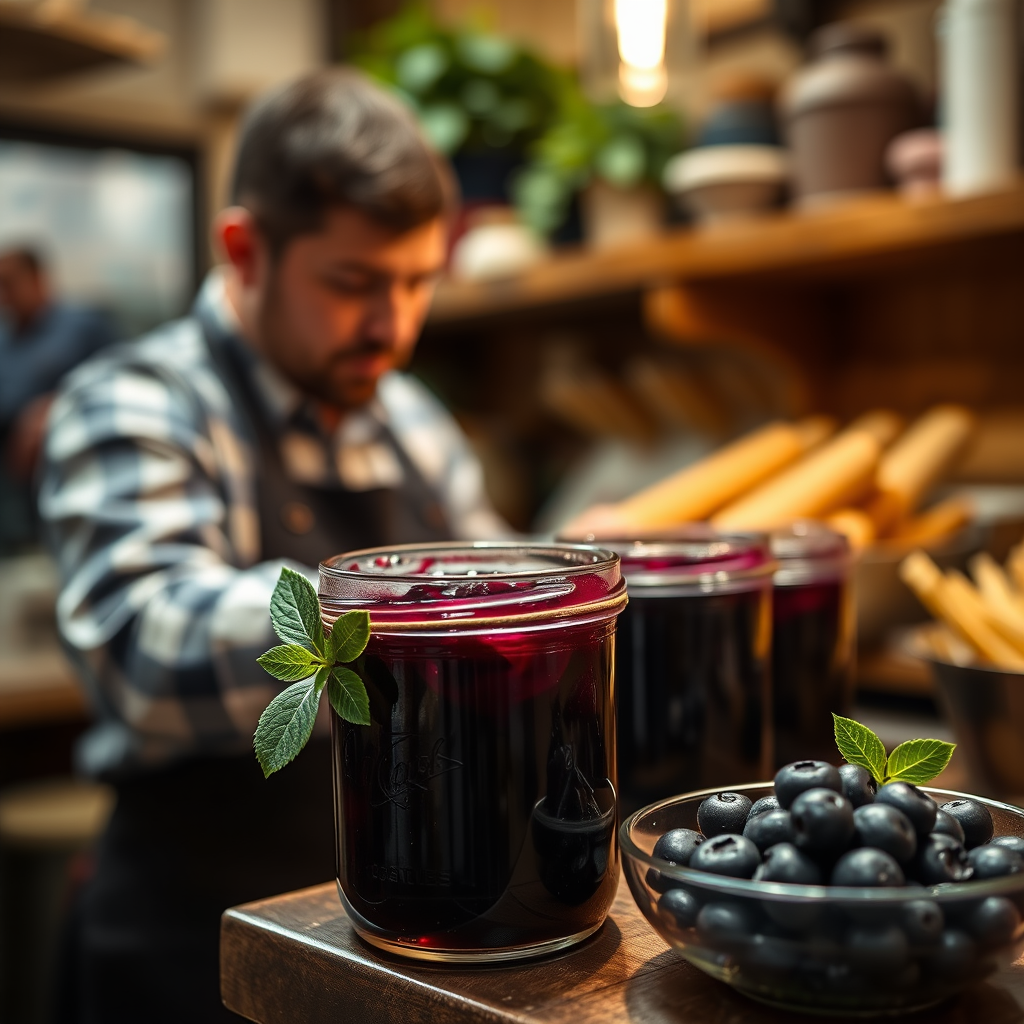
This guide offers a comprehensive, step-by-step process for making blueberry jelly, detailing ingredient ratios, cooking times, and essential safety tips. It addresses the use of both fresh and frozen blueberries, pectin options, and storage recommendations to ensure a successful jelly-making experience. However, it does not delve into alternative jelly types, such as raspberry or grape jelly recipes, nor does it cover methods unrelated to home canning and preserving blueberry jelly. Designed specifically for home cooks, this guide aims to facilitate the safe creation of blueberry jelly using traditional methods while prioritizing food safety and flavor integrity.
Who Should Read This
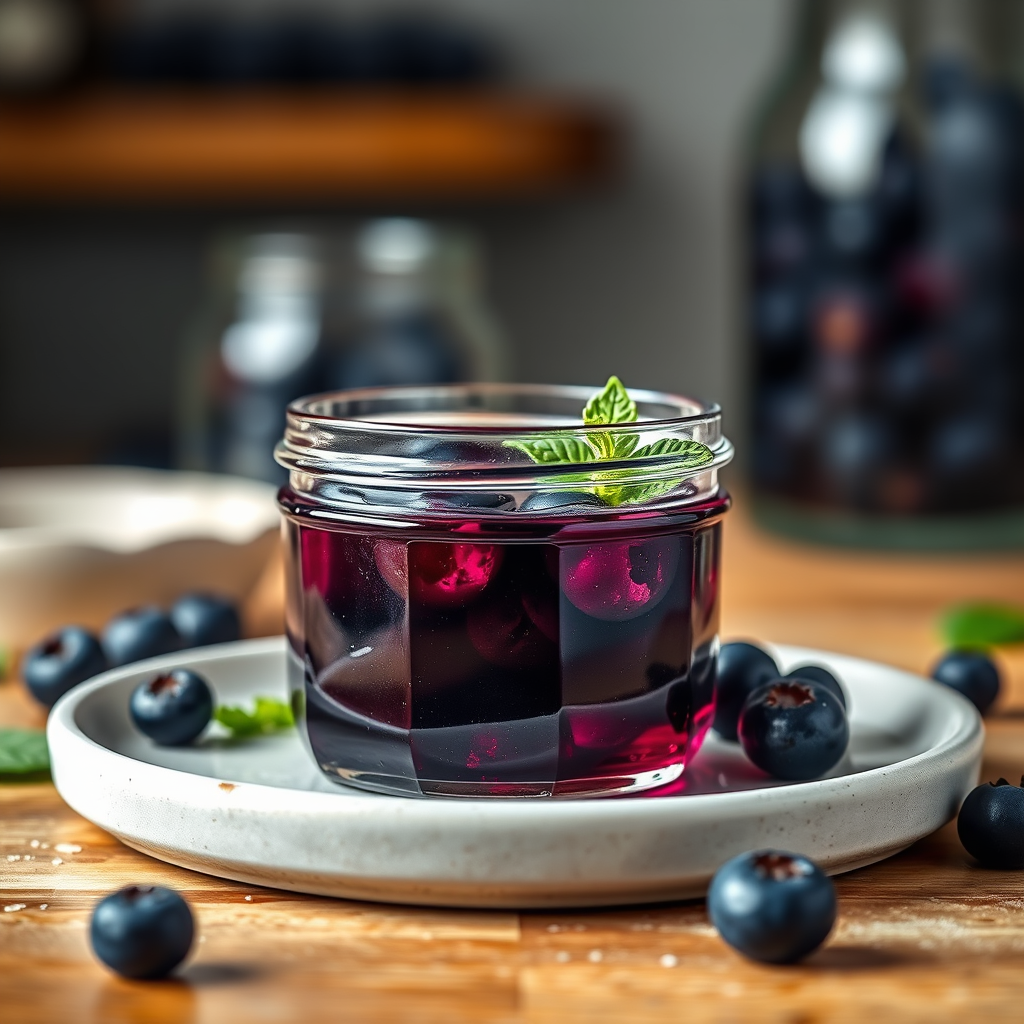
This guide is tailored for home cooks with basic kitchen experience who are comfortable using common kitchen equipment like stovetops, measuring tools, and canning jars. A foundational understanding of food safety practices, particularly regarding sterilization and canning techniques, is crucial to ensure the final product is safe for consumption. It also serves those interested in preserving seasonal blueberries or embarking on their first canning project, providing clear, actionable steps. However, individuals unfamiliar with jelly-making or those seeking advanced techniques, such as low-sugar or alternative sweetener recipes, may find this guide less applicable.
The Step-by-Step Protocol
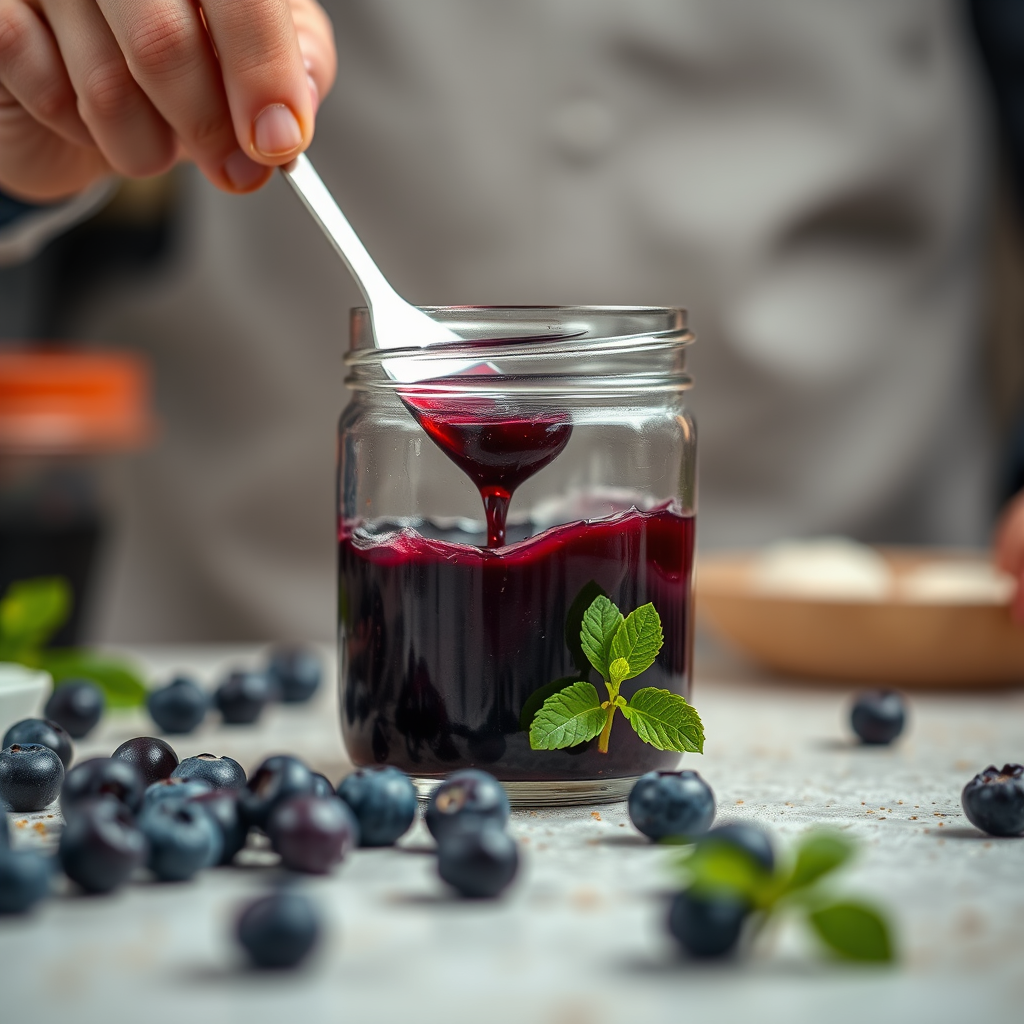
1. Gather ingredients: You’ll need 4 cups of fresh or frozen blueberries, 1 cup of water, 1 package (1.75 oz) of fruit pectin, 5 cups of granulated sugar, and 1 tablespoon of lemon juice.
2. Prepare the blueberries: Rinse fresh blueberries thoroughly and remove any stems; if using frozen, allow them to thaw and drain excess liquid.
3. Cook the mixture: In a large pot, combine the blueberries and water. Bring to a boil over medium-high heat, then reduce to a simmer and mash the berries with a potato masher for about 5 minutes until juice is released.
4. Add pectin and sugar: Stir in the pectin and bring the mixture back to a rolling boil. Once boiling, add the sugar all at once, stirring constantly until dissolved. Boil for exactly 1 minute.
5. Check the gel stage: After boiling, remove the pot from heat and test the jelly for the gel stage. Place a spoonful of the mixture on a cold plate and let it sit for a minute before pushing with your finger. If it wrinkles and holds its shape, it’s ready for canning.
6. Fill sterilized jars: Using a ladle, fill sterilized canning jars with the hot jelly, leaving about ¼ inch of headspace. Wipe the rims of the jars with a clean cloth to remove any residue.
7. Seal and process: Place the sterilized lids on the jars and screw on the metal bands until fingertip-tight. Process the jars in a water bath canner for 10 minutes. Ensure the water covers the jars by at least an inch.
8. Cool and store: After processing, remove the jars from the canner and place them on a clean towel to cool completely. Check that the lids have sealed properly. Once sealed, store the jars in a cool, dark place.
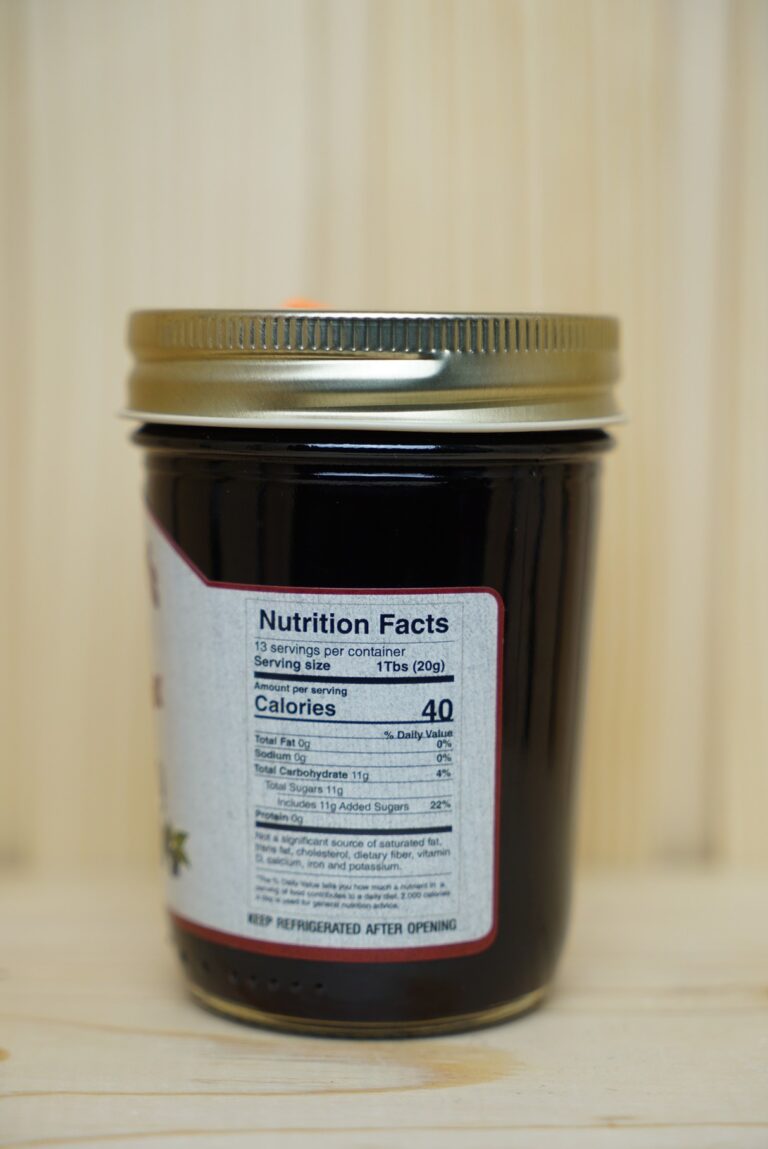
Nutritional Information for Blueberry Jelly (per tablespoon)
| Nutrient | Amount | Daily Value (%) |
|---|---|---|
| Calories | 50 | 2% |
| Total Fat | 0g | 0% |
| Sodium | 0mg | 0% |
| Total Carbohydrates | 13g | 4% |
| Dietary Fiber | 0g | 0% |
| Sugars | 12g | 12% |
| Vitamin C | 1mg | 2% |
| Calcium | 1mg | 0% |
| Iron | 0mg | 0% |
| Potassium | 20mg | 0% |
Warning Signs: When Not to Follow This
– If your blueberries show signs of mold, unusual odors, or an off color, do not use them, as this could compromise the safety and quality of your jelly.
– Avoid making blueberry jelly if you lack the appropriate canning equipment, such as sterilized jars and a water bath canner, since improper equipment can lead to spoilage.
– Do not attempt this recipe if you are unable to maintain the necessary boiling temperatures (at least 220°F), as this is critical for proper gel formation and preservation.
– If you have dietary restrictions that prohibit the use of sugar or certain pectins, consider alternative methods rather than attempting this recipe.
The Most Common Mistakes (And Their Consequences)
– Failing to measure ingredients accurately can lead to an improperly set jelly; too much or too little sugar can affect both the gel consistency and flavor.
– Neglecting to sterilize jars and lids can introduce bacteria, resulting in spoilage and potential foodborne illness.
– Omitting the lemon juice may yield a jelly that is excessively sweet, lacking the necessary acidity for balance and preservation.
– Overcooking the jelly beyond the recommended time can cause it to become overly thick or caramelized, negatively impacting both texture and flavor.
Special Cases That Need a Different Approach
– If using wild blueberries, which are smaller and more intense in flavor, consider adjusting the sugar content and pectin to achieve the desired sweetness and consistency.
– For those with pectin allergies or preferences for no pectin, explore using a fruit reduction method that requires longer cooking times to naturally thicken the jelly.
– If you plan to store jelly for over a year, consider using a pressure canner instead of a water bath to ensure long-term preservation and safety.
– In high-altitude areas, adjustments in boiling time and ingredient ratios may be necessary to achieve the correct jelly setting.
When You Need a Professional
– If you are unsure about the safety of your canning process or feel uncertain about the condition of your ingredients, consult a food preservation expert or local extension office.
– In cases of suspected foodborne illness after consuming homemade jelly, seek medical advice immediately to understand the implications of improper canning practices.
– If you have difficulty achieving consistent jelly setting after several attempts, an expert can provide tailored advice on technique and ingredient adjustments.
– For those considering large-scale production of blueberry jelly for commercial purposes, working with a licensed food safety consultant is essential to meet regulatory standards.
Sources and Further Reading
– The National Center for Home Food Preservation: Guidelines on safe canning practices and recipes, including blueberry jelly.
– “The Ball Book of Canning and Preserving” offers detailed recipes and techniques for home canning and jelly making.
– Local Cooperative Extension Service resources provide region-specific advice on fruit preservation and food safety.
– Research studies on the effects of pectin types and cooking times on jelly consistency can provide deeper insights into the jelly-making process.
Frequently Asked Questions
What ingredients do I need for a blueberry jelly recipe?
To make a delicious blueberry jelly, you will need fresh or frozen blueberries, granulated sugar, lemon juice, and pectin. The blueberries provide the flavor, while the sugar balances the tartness and the lemon juice enhances the natural sweetness. Pectin is essential for achieving the perfect jelly consistency.
How do I make blueberry jelly from scratch?
To make blueberry jelly from scratch, start by crushing the blueberries and cooking them with sugar and lemon juice. Bring the mixture to a boil, then add pectin according to the package instructions. Once it reaches the desired thickness, pour the jelly into sterilized jars and process in a water bath for preservation.
Why is my blueberry jelly not setting properly?
If your blueberry jelly is not setting, it may be due to insufficient pectin or not boiling the mixture long enough. Make sure to accurately measure your ingredients and follow the cooking times specified in your recipe. Additionally, the acidity of the blueberries can affect the setting, so consider adding a bit more lemon juice if needed.
What is the best type of pectin to use for blueberry jelly?
The best type of pectin for blueberry jelly is liquid pectin, as it is versatile and easy to use, especially for beginners. However, you can also use powdered pectin if you prefer, just ensure to follow the specific instructions on the package. Both types will help achieve the desired jelly consistency when used correctly.
Which blueberry jelly recipe yields the most flavor?
For the most flavorful blueberry jelly, choose a recipe that uses fresh, ripe blueberries and includes a touch of lemon zest along with lemon juice. The zest enhances the overall flavor profile, giving the jelly a bright and aromatic quality. Additionally, consider using a small amount of vanilla extract or cinnamon for a unique twist.
References
- Jelly
https://en.wikipedia.org/wiki/Jelly - https://www.uga.edu/extension/publications/blueberry_jelly.pdf
https://www.uga.edu/extension/publications/blueberry_jelly.pdf - https://www.extension.purdue.edu/extmedia/FNH/FNH-1-W.pdf
https://www.extension.purdue.edu/extmedia/FNH/FNH-1-W.pdf - Publication Search | NDSU Agriculture
https://www.ag.ndsu.edu/publications/food-nutrition/blueberry-jelly - https://www.kanr.usda.gov/blueberry-jelly-recipe
https://www.kanr.usda.gov/blueberry-jelly-recipe - https://pubmed.ncbi.nlm.nih.gov/?term=blueberry+jelly
https://pubmed.ncbi.nlm.nih.gov/?term=blueberry+jelly - blueberry jelly – Search Results – PMC
https://www.ncbi.nlm.nih.gov/pmc/?term=blueberry+jelly - Google Scholar Google Scholar
https://scholar.google.com/scholar?q=blueberry+jelly+recipe - Google Scholar Google Scholar
https://scholar.google.com/scholar?q=blueberry+preservation+methods - Google Scholar Google Scholar
https://scholar.google.com/scholar?q=blueberry+jelly+health+benefits