Learn how to make blueberry jam with pectin safely and effectively in this expert guide. This comprehensive resource offers precise recipes, essential tips, and safety protocols to ensure your preserves are not only delicious but also safe for consumption. Following these guidelines is crucial for maintaining flavor and preventing spoilage, making your canning experience both enjoyable and successful.
What This Guide Covers (And What It Doesn’t)
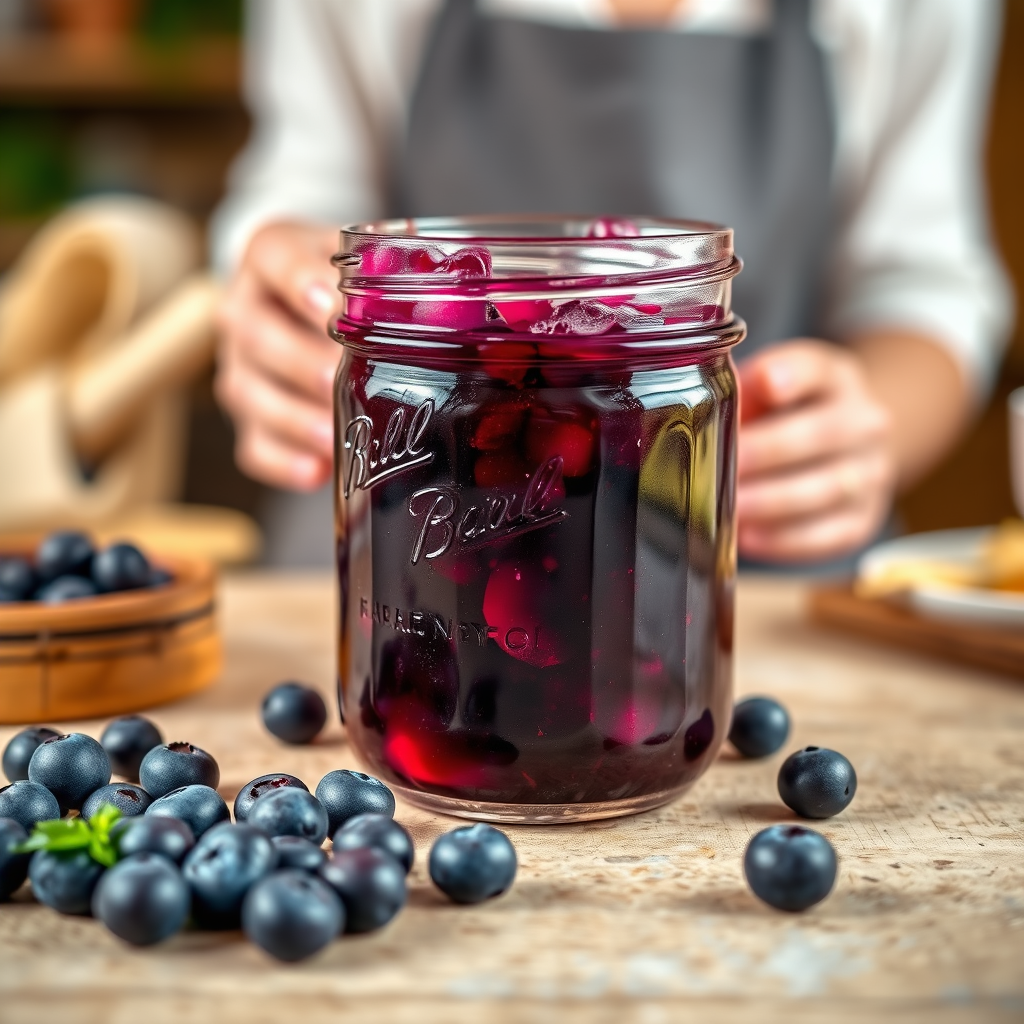
This guide provides an in-depth recipe for crafting blueberry jam using pectin, highlighting precise measurements, cooking times, and essential safety protocols. You’ll learn crucial techniques for selecting the best blueberries, preparing your jars, and ensuring that your jam sets perfectly with pectin. While the focus is exclusively on blueberry jam, it does not cover recipes for other types of jam or alternative preservation methods, such as freezing or canning without pectin.
Who Should Read This

This guide is designed for home cooks who possess a basic understanding of food preservation and are eager to make their own fruit preserves with the help of pectin. It is especially beneficial for those looking to refine their canning skills and create high-quality blueberry jam for personal consumption or as thoughtful gifts. However, it may not be suitable for complete novices or those seeking advanced canning techniques beyond standard practices.
The Step-by-Step Protocol

1. Gather Ingredients and Equipment: Collect 4 cups of fresh blueberries, 1 cup of granulated sugar, and 1 package (1.75 oz) of pectin. Prepare 5 to 6 canning jars (8 oz each), lids, a large pot, and a boiling water canner.
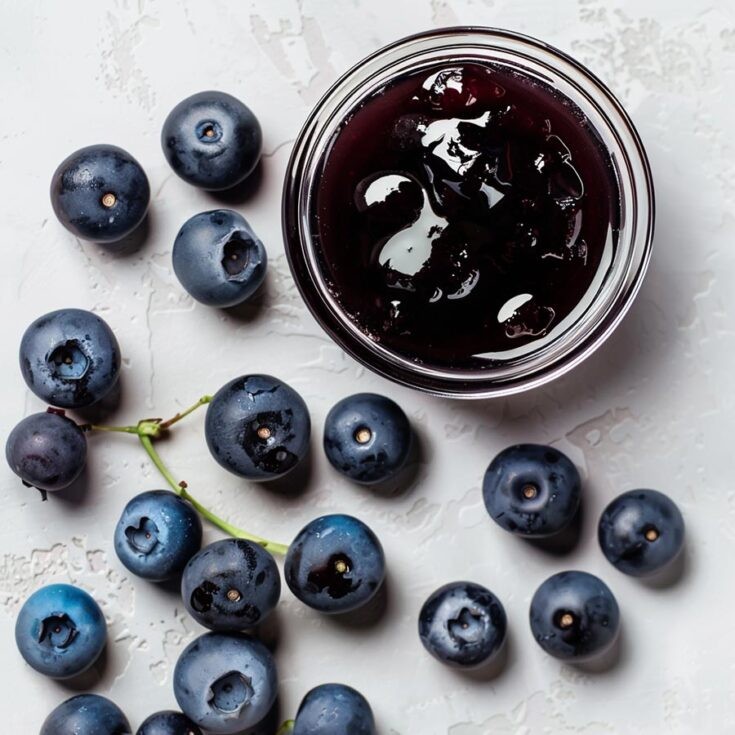
2. Prepare Blueberries: Wash the blueberries thoroughly under cold running water. Remove any stems or leaves. Lightly mash the berries using a potato masher or fork until they are juicy but still slightly chunky.
3. Cook the Jam: In a large pot, combine the mashed blueberries and pectin. Heat on medium-high, stirring constantly, until the mixture reaches a rolling boil. This should take about 2-3 minutes. A rolling boil means that even while stirring, the bubbles continue to break the surface.
4. Add Sugar and Boil Again: Gradually stir in the granulated sugar until it is completely dissolved. Return the mixture to a rolling boil for an additional 1-2 minutes. The jam must reach a temperature of 220°F (104°C) to ensure proper setting. A candy thermometer can be used for accuracy.
5. Jar the Jam: Carefully pour the hot jam into prepared sterilized jars, leaving 1/4 inch of headspace at the top. Wipe the rims of the jars with a clean cloth to ensure a good seal. Place the lids on the jars and screw on the metal bands until they are fingertip-tight.
6. Process the Jars: Process the jars in a boiling water bath for 10 minutes to ensure proper sealing and preservation. The water should cover the jars by at least an inch. Begin timing once the water returns to a boil after placing the jars in the pot.
7. Cool and Store: After processing, carefully remove the jars from the water bath and place them on a clean towel or cooling rack. Allow them to cool completely for 12-24 hours. Check that the lids have sealed by pressing the center; if it doesn’t pop back, the jar has sealed correctly. Store the sealed jars in a cool, dark place.
Nutritional Profile of Blueberry Jam (Per 1 Tbsp)
| # | Nutrient | Amount | % Daily Value |
|---|---|---|---|
| 1 | Calories | 50 | 2% |
| 2 | Total Fat | 0g | 0% |
| 3 | Sodium | 1mg | 0% |
| 4 | Carbohydrates | 13g | 4% |
| 5 | Sugars | 12g | N/A |
| 6 | Protein | 0g | 0% |
| 7 | Vitamin C | 1mg | 2% |
Warning Signs: When Not to Follow This
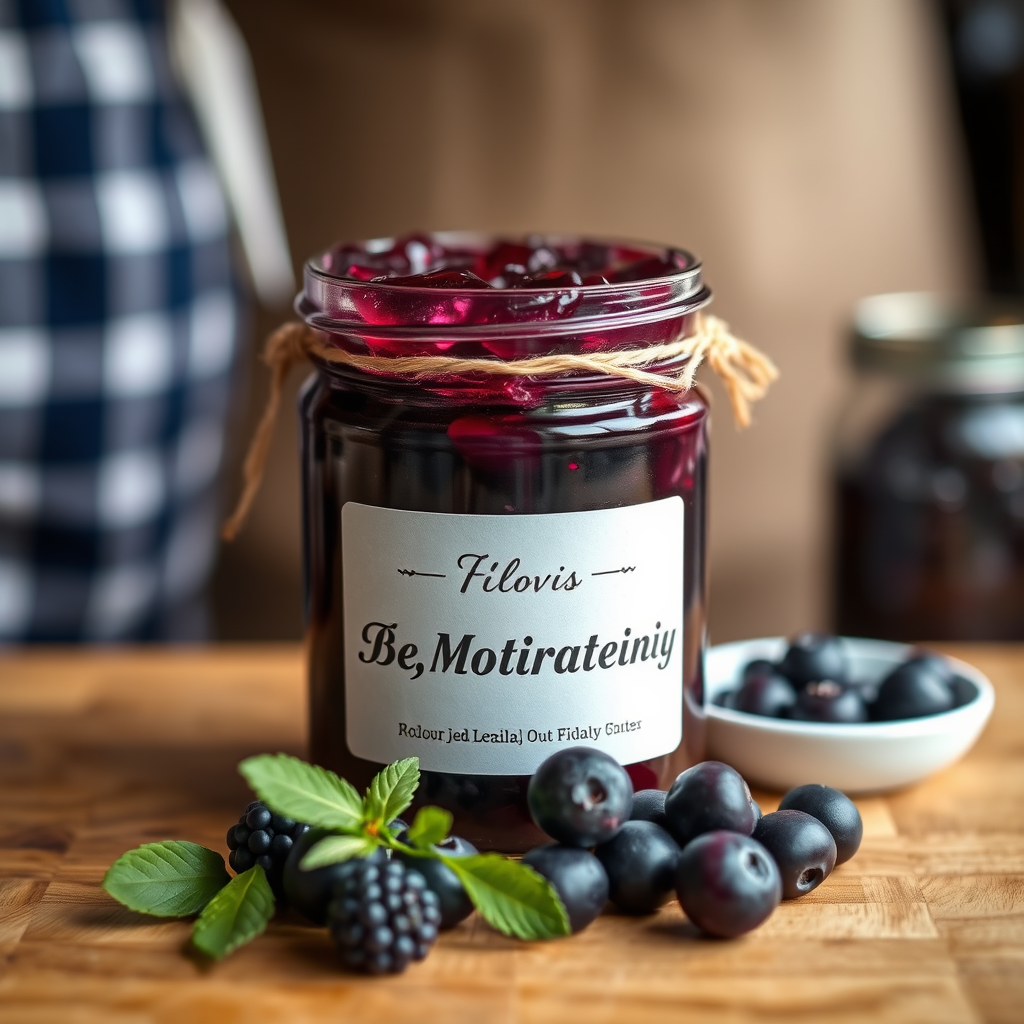
Avoid following this protocol if your blueberries show signs of spoilage, such as mold or an off smell, as these can compromise the safety of the jam. If you lack the necessary equipment for proper canning—like jars, lids, and a boiling water bath—do not attempt to make jam, as it may not preserve safely. Additionally, refrain from using alternative sweeteners or substitutes without further research, as they can affect both the setting ability and preservation quality of the jam.
The Most Common Mistakes (And Their Consequences)

One common mistake is skipping the boiling water bath processing step, which can lead to improper sealing and increase the risk of spoilage and foodborne illness. Inaccurate measurement of sugar can result in a jam that fails to set properly, leading to a runny consistency. Furthermore, using overripe or underripe blueberries negatively impacts the flavor and texture of the jam, making it less enjoyable.
Special Cases That Need a Different Approach
If you’re using frozen blueberries, make sure they are completely thawed and drained before mashing to avoid excess moisture in the jam. For those allergic to standard pectin, consider low-sugar or no-sugar pectin options, which may require different ratios of fruit and sugar. Additionally, if you live at high altitudes (over 1,000 feet), be prepared to adjust the boiling time and sugar levels to ensure proper sealing and setting of the jam.
When You Need a Professional
Consult a food preservation expert if you’re uncertain about the safety of your canning technique or if you notice any signs of spoilage in your finished product. Seek guidance from a licensed nutritionist or food safety professional if you have specific dietary restrictions that may influence the ingredients used in your jam. If you plan to sell your blueberry jam commercially, reach out to your local health department to ensure compliance with food safety regulations and proper canning practices.
Sources and Further Reading
– National Center for Home Food Preservation (nchfp.uga.edu) – Comprehensive resources on food preservation techniques and safety guidelines.
– USDA Complete Guide to Home Canning – A detailed manual on canning methods, including specific recipes and safety measures.
– “Blueberry Jam: A Guide to Making and Preserving” by experienced home canners – Offers additional insights and variations for blueberry jam recipes.
By following this guide, you can confidently produce delicious blueberry jam that highlights the vibrant flavor of this beloved fruit. Enjoy your canning journey!
Frequently Asked Questions
What ingredients do I need for a blueberry jam with pectin recipe?
To make blueberry jam with pectin, you will need fresh or frozen blueberries, granulated sugar, pectin (typically liquid or powdered), and lemon juice. This combination not only enhances the flavor but also helps with the gelling process, ensuring your jam has the perfect consistency.
How do I properly prepare blueberries for making jam?
Before making your blueberry jam, rinse the blueberries thoroughly under cold water to remove dirt and impurities. Remove any stems or spoiled berries, and if you’re using frozen blueberries, allow them to thaw and drain excess liquid to prevent your jam from being too watery.
Why is pectin important in blueberry jam recipes?
Pectin is a natural thickening agent that helps your blueberry jam achieve the desired gel-like consistency. Without pectin, the jam may remain runny and not set properly, so incorporating it into your recipe is essential for a successful blueberry jam.
What is the best method for canning blueberry jam with pectin?
The best method for canning blueberry jam with pectin involves sterilizing your jars and lids, filling them with hot jam, and then processing them in a boiling water bath for about 5-10 minutes. This ensures that your blueberry jam is sealed correctly and can be stored safely for up to a year.
Which type of pectin is best for blueberry jam: liquid or powdered?
Both liquid and powdered pectin can be used for blueberry jam, but powdered pectin is often preferred for its ease of use and quicker setting time. When using powdered pectin, be sure to follow the specific instructions on the package for best results and to achieve the perfect jam consistency.
References
- Fruit preserves
https://en.wikipedia.org/wiki/Jam - https://www.extension.purdue.edu/extmedia/ID/ID-160-W.pdf
https://www.extension.purdue.edu/extmedia/ID/ID-160-W.pdf - UGA
https://www.uga.edu/ - https://www.fs.usda.gov/
https://www.fs.usda.gov/ - https://pubmed.ncbi.nlm.nih.gov/
https://pubmed.ncbi.nlm.nih.gov/ - https://www.ncbi.nlm.nih.gov/pmc/articles/PMC4808407/
https://www.ncbi.nlm.nih.gov/pmc/articles/PMC4808407/ - https://www.sciencedirect.com/topics/food-science/pectin
https://www.sciencedirect.com/topics/food-science/pectin - https://www.nutrition.gov/topics/food-safety/food-preservation/jams-jellies
https://www.nutrition.gov/topics/food-safety/food-preservation/jams-jellies - Google Scholar Google Scholar
https://scholar.google.com/scholar?q=blueberry+jam+with+pectin+recipe - Google Scholar Google Scholar
https://scholar.google.com/scholar?q=pectin+preservation+methods