Master the art of making blackcurrant jam with this complete expert guide, designed for both novice and experienced home cooks. This guide provides precise, step-by-step instructions along with essential safety protocols to ensure your jam not only tastes great but is also safe for consumption. With the right techniques, you can preserve the rich flavor of blackcurrants while avoiding common pitfalls.
What This Guide Covers (And What It Doesn’t)
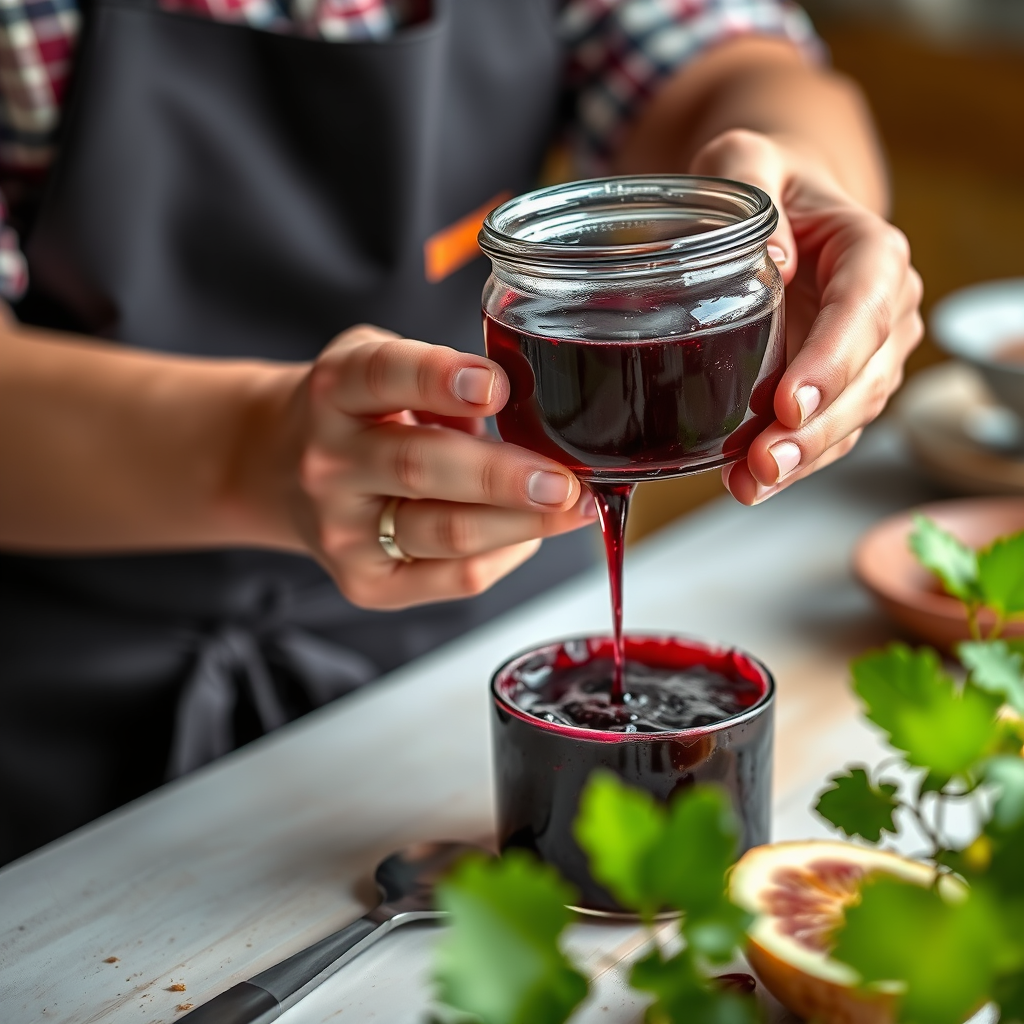
This guide presents a thorough, step-by-step method for safely making blackcurrant jam, detailing precise measurements, sterilization techniques, and effective storage recommendations. You will learn how to select the finest blackcurrants, understand the importance of sugar ratios, and master the cooking techniques that ensure a safe and delicious final product. It does not address unrelated fruit jams, alternative preservation methods, or the nutritional analysis of blackcurrants beyond the context of jam-making. Tailored for home cooks eager to create homemade blackcurrant jam using traditional methods, this guide emphasizes food safety and high-quality results.
Who Should Read This
This guide is designed for home cooks with a foundational understanding of food preservation techniques and familiarity with common kitchen equipment, such as pots, jars, and thermometers. Those interested in crafting their own preserves, particularly those who savor the distinctive flavor of blackcurrants, will find this guide especially useful. However, it may not be suitable for complete beginners who lack prior cooking experience, as the process involves specific technical skills that are assumed.
The Step-by-Step Protocol

1. Gather Ingredients: Obtain 1 kg of fresh blackcurrants, 750 g of granulated sugar, and the juice of 1 lemon; ensure all ingredients are fresh and free from mold.
2. Prepare the Blackcurrants: Wash the blackcurrants thoroughly under cold running water, removing any stems or leaves; drain well in a colander.
3. Cook the Jam: In a large, heavy-bottomed pot, combine the blackcurrants, lemon juice, and sugar; heat on medium until the sugar dissolves, then bring to a rolling boil for 10–15 minutes until the mixture reaches a temperature of 105°C (221°F).
4. Jar and Seal: Sterilize glass jars in a boiling water bath for 10 minutes; pour the hot jam into the sterilized jars, leaving 1 cm of headspace, and seal with sterilized lids while still hot.
Top 7 Ingredients for Making Blackcurrant Jam (2023)
| # | Ingredient | Quantity | Purpose | Quality Indicator |
|---|---|---|---|---|
| 1 | Fresh Blackcurrants | 1 kg | Base ingredient | Bright, plump |
| 2 | Granulated Sugar | 750 g | Preservation | Fine, dry |
| 3 | Lemon Juice | Juice of 1 | Flavor enhancer | Fresh, tart |
| 4 | Glass Jars | As needed | Storage | Clean, intact |
| 5 | Lids | As needed | Sealing | New, non-blemished |
| 6 | Water | As needed | Boiling | Clean |
| 7 | Spices (optional) | To taste | Flavor enhancement | Fresh |
Warning Signs: When Not to Follow This
Avoid making blackcurrant jam if the fruit appears moldy, excessively soft, or emits an off smell; these signs indicate spoilage or potential contamination. Additionally, be cautious of any significant alterations in the recipe proportions. Using more than 1.5 kg of fruit or less than 500 g of sugar may prevent the jam from setting properly and could pose food safety risks. If your kitchen equipment is not properly cleaned and sanitized, do not proceed with this recipe, as it can lead to bacterial contamination in the final product.
The Most Common Mistakes (And Their Consequences)

One common mistake is insufficient sugar, which can result in jam that fails to set, leading to potential fermentation or spoilage due to inadequate preservation. Overcooking the jam is another frequent error, resulting in a burnt taste and undesirable texture, which can detract from the overall enjoyment and ruin the batch. Moreover, skipping the sterilization process for jars can introduce harmful bacteria, risking spoilage and foodborne illnesses, which can be serious health threats.
Special Cases That Need a Different Approach
When using frozen blackcurrants, it’s important to adjust the cooking time to accommodate additional moisture; these berries may require a longer boiling period to achieve the desired consistency. For those with dietary restrictions, consider using low-sugar pectin, which necessitates a different sugar-to-fruit ratio and additional cooking time for proper gelling. If you wish to infuse the jam with spices like cinnamon or cloves, add them during the cooking process, but be cautious with the quantities to prevent overpowering the blackcurrant flavor.
When You Need a Professional
If you have a medical condition that compromises your immune system, consult a food preservation expert before attempting to make blackcurrant jam. Improper techniques can lead to serious health risks. Additionally, seek professional guidance if you are uncertain about preservation methods or plan to sell the jam commercially, as different regulations may apply. If you detect any symptoms of spoilage—such as off-smells or unusual textures—in your batch after canning, do not consume the jam. Instead, consult a food safety professional for proper disposal.
Sources and Further Reading
The National Center for Home Food Preservation provides authoritative guidelines on safe canning techniques and fruit preservation, including specific recommendations for making jams and jellies. “The Complete Book of Home Preserving” (ISBN: 978-0778801575) offers tested recipes and methods for making jams, including variations with blackcurrants. Local extension services often provide resources and workshops on home food preservation, offering hands-on experience and expert advice tailored to your region.
Frequently Asked Questions
What ingredients do I need for a basic blackcurrant jam recipe?
To make a basic blackcurrant jam, you will need fresh blackcurrants, granulated sugar, and lemon juice. Typically, the ratio is about 4 cups of blackcurrants to 1 cup of sugar and the juice of one lemon, which helps to balance the sweetness and enhance the flavor.
How do I properly prepare blackcurrants for jam making?
First, rinse the blackcurrants thoroughly under cold water to remove any dirt or impurities. Then, remove the stems and any unwanted leaves, ensuring you only use the ripe berries for the best flavor in your blackcurrant jam recipe.
Why is it important to use pectin in blackcurrant jam?
Pectin is a natural thickening agent that helps your blackcurrant jam set properly, giving it a desirable consistency. While blackcurrants contain some natural pectin, adding commercial pectin can enhance the gel formation, allowing for a firmer texture and preventing the jam from being too runny.
What is the best method for canning blackcurrant jam?
The best method for canning blackcurrant jam is to use the water bath canning technique. After cooking your jam and filling sterilized jars, process them in a boiling water bath for about 10 minutes to ensure a proper seal, which will keep your jam fresh and safe for long-term storage.
Which types of sweeteners work well in blackcurrant jam recipes?
While granulated sugar is the most common sweetener used in blackcurrant jam recipes, alternatives like honey, agave syrup, or even stevia can be used for a different flavor profile. Keep in mind that using alternative sweeteners may affect the setting and flavor, so it’s best to follow specific recipes designed for those ingredients.
References
- Blackcurrant
https://en.wikipedia.org/wiki/Blackcurrant - https://www.bbc.co.uk/food/recipes/blackcurrant_jam_62602
https://www.bbc.co.uk/food/recipes/blackcurrant_jam_62602 - https://www.nutrition.gov/recipes/blackcurrant-jam
https://www.nutrition.gov/recipes/blackcurrant-jam - https://www.ncbi.nlm.nih.gov/pmc/articles/PMC7401844/
https://www.ncbi.nlm.nih.gov/pmc/articles/PMC7401844/ - Google Scholar Google Scholar
https://scholar.google.com/scholar?q=blackcurrant+jam+recipe - Google Scholar Google Scholar
https://scholar.google.com/scholar?q=blackcurrant+health+benefits - https://www.sciencedirect.com/topics/agricultural-and-biological-sciences/blackcurrant
https://www.sciencedirect.com/topics/agricultural-and-biological-sciences/blackcurrant - https://www.royalbotanicgarden.org.au/learn/blackcurrant
https://www.royalbotanicgarden.org.au/learn/blackcurrant - https://www.theguardian.com/food/2021/aug/07/how-to-make-blackcurrant-jam
https://www.theguardian.com/food/2021/aug/07/how-to-make-blackcurrant-jam - https://www.nature.com/articles/s41598-020-66780-9
https://www.nature.com/articles/s41598-020-66780-9