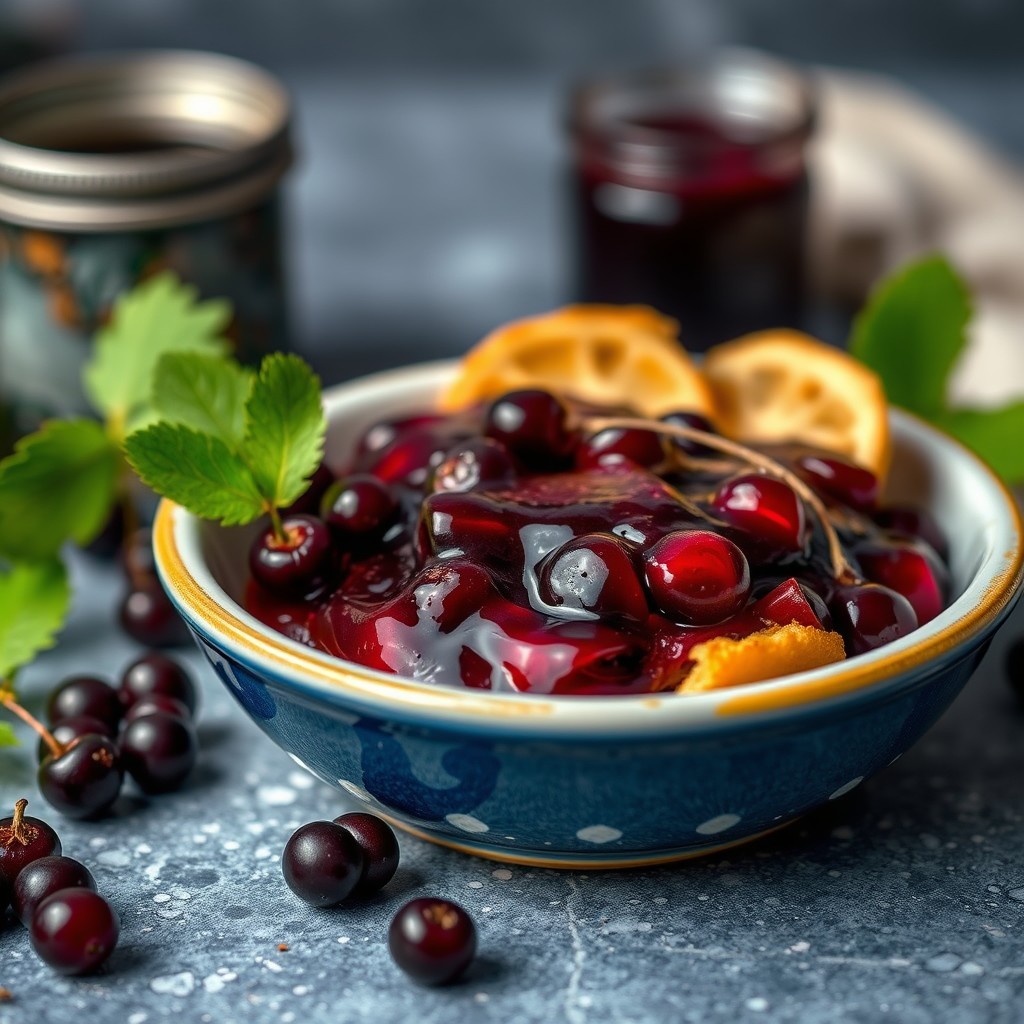
Master the art of making blackcurrant jam with this expert guide, designed for both novice and seasoned preservers. This comprehensive resource walks you through essential recipes and precise techniques to ensure your jam is not only delicious but safe for consumption. Adhering to proper protocols is crucial to avoid spoilage and ensure the best flavor, making this guide an indispensable tool for your culinary endeavors.
What This Guide Covers (And What It Doesn’t)
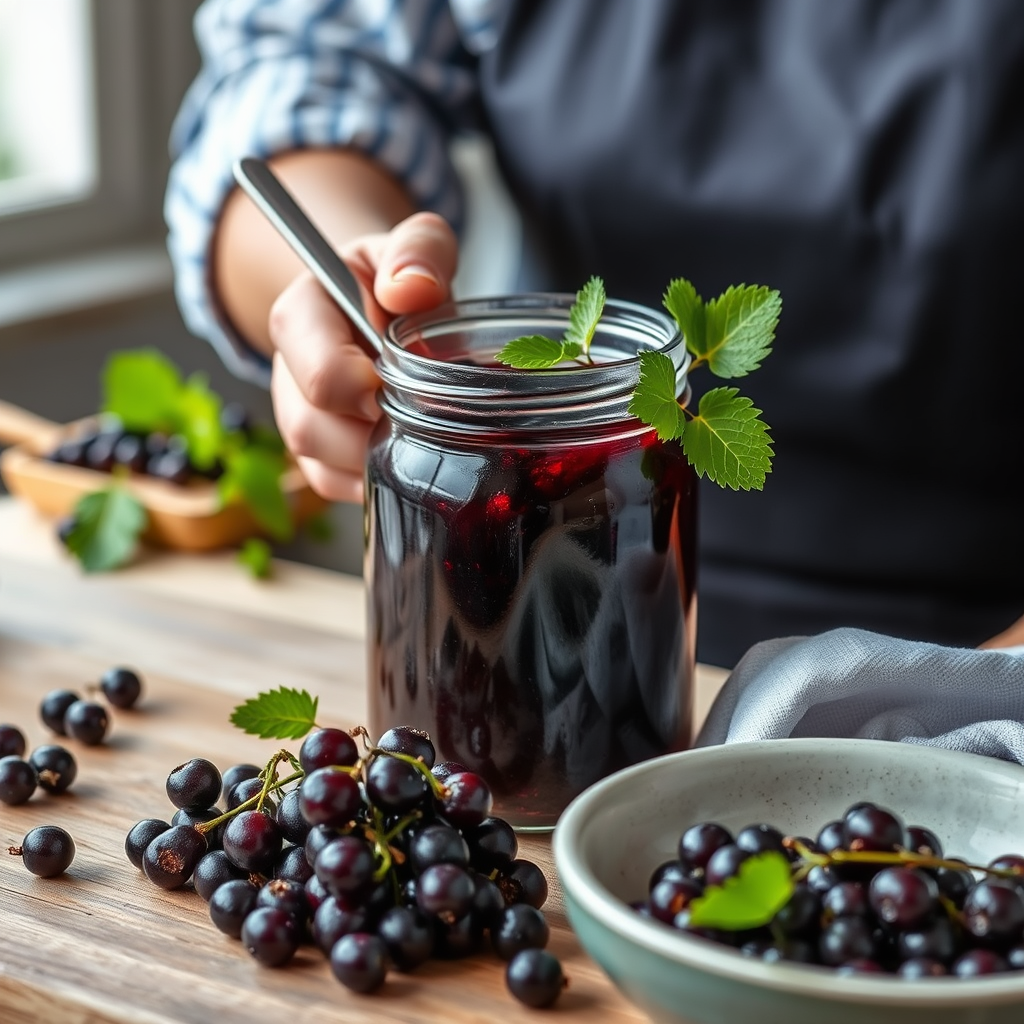
This guide offers a thorough exploration of blackcurrant jam-making, emphasizing safe preservation techniques and precise ingredient ratios that guarantee a successful outcome. Inside, you will find detailed, step-by-step instructions for preparing, cooking, and canning blackcurrant jam, along with troubleshooting tips tailored specifically to this fruit. While the focus is solely on blackcurrants and their distinct flavor profiles and preservation methods, readers will also gain insight into common pitfalls to avoid and techniques that enhance both safety and flavor.
Who Should Read This
This guide is crafted for home canners and jam enthusiasts eager to delve into the unique qualities of blackcurrants in their preserves. It caters to individuals with a basic understanding of canning or jam-making but who may require detailed guidance on specific considerations for blackcurrants, such as acidity levels and sugar ratios. Those seeking safe, tested recipes that adhere to current food safety standards will find this guide particularly advantageous. Beginners willing to learn the intricacies of fruit preservation will also benefit, provided they grasp basic canning safety before diving in.
The Step-by-Step Protocol
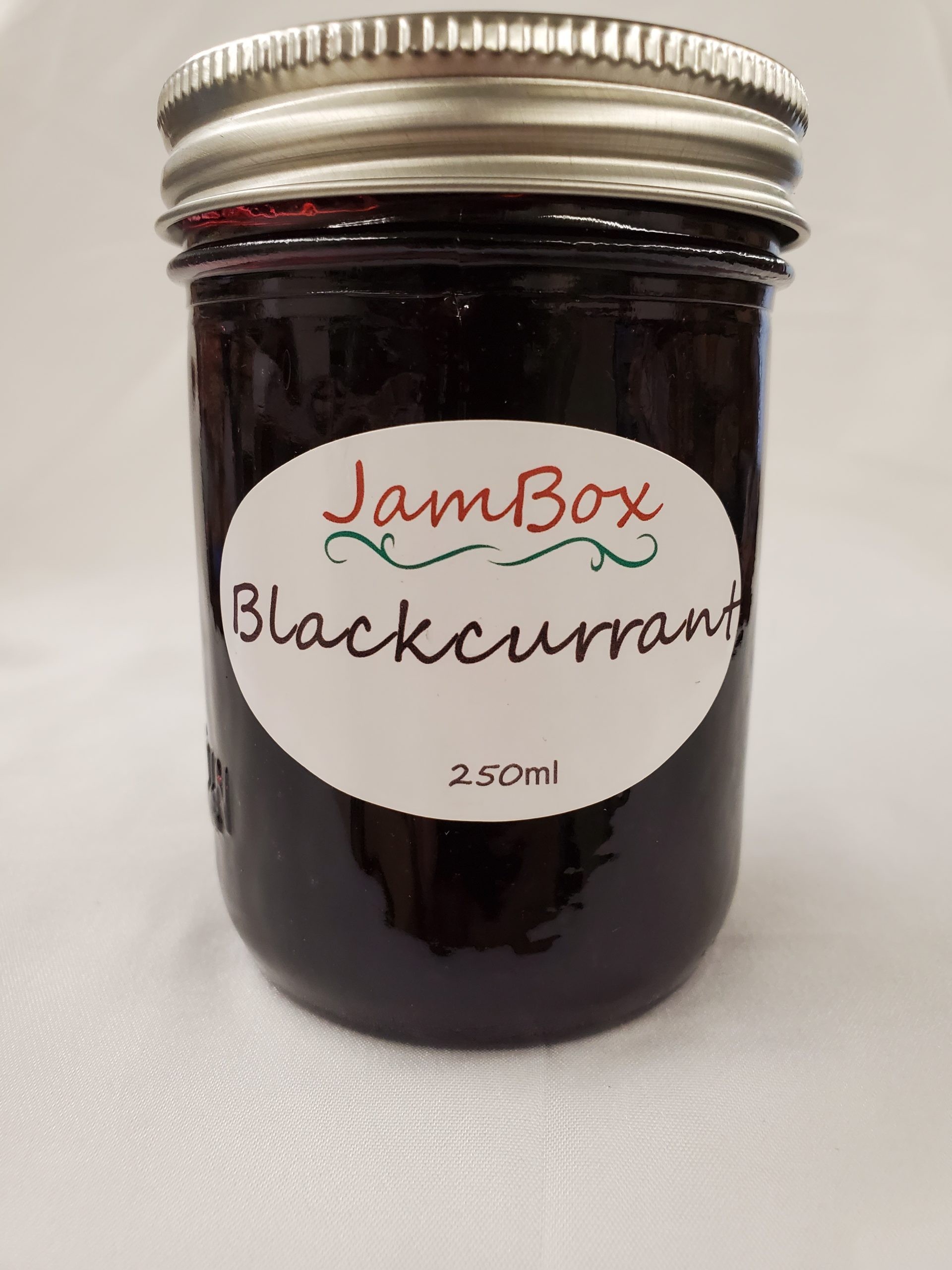
1. Gather Ingredients and Equipment: Collect 1 kg of fresh blackcurrants, 800 g of granulated sugar, 1 lemon (for juice), and at least four sterilized jars (250 ml each). Ensure you have a large pot, a wooden spoon, a ladle, and a food thermometer.
2. Prepare the Blackcurrants: Rinse the blackcurrants under cold water to remove any dirt or insects. Remove the stems and any damaged berries. Lightly mash them in a large pot using a potato masher or the back of a wooden spoon to release their juices.
3. Cook the Jam Mixture: Add the granulated sugar and the juice of one lemon to the pot. Stir the mixture until the sugar is fully dissolved. Bring the pot to a rolling boil over medium-high heat. Once boiling, cook for 15-20 minutes, stirring frequently to prevent sticking. The mixture should reach a temperature of 105°C (221°F) on a food thermometer.
4. Test the Jam for Set: To test for doneness, use the plate test: place a spoonful of the jam on a chilled plate and let it sit for a few seconds. Push the edge of the jam with your finger; if it wrinkles and holds its shape, it’s ready for jar filling. If it does not wrinkle, continue boiling for another 2-3 minutes and retest.
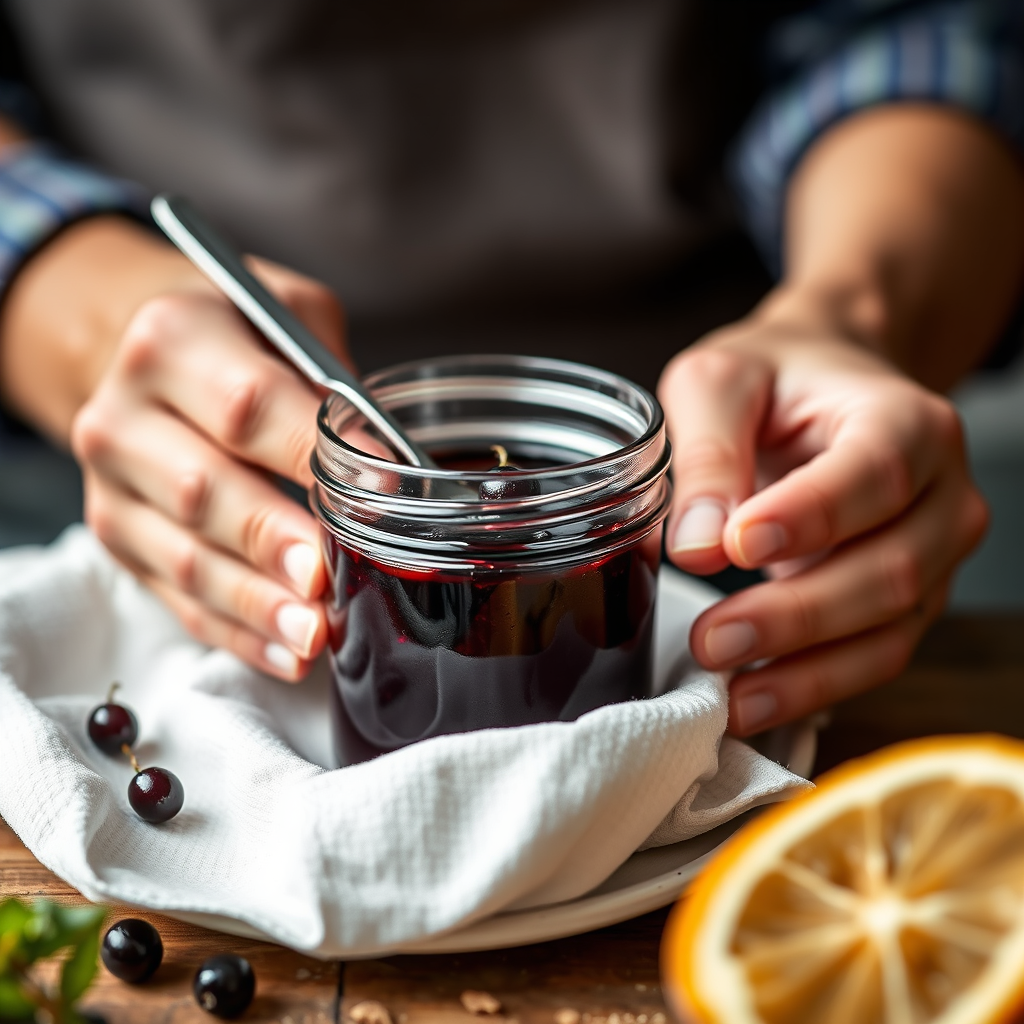
5. Jar the Jam: Once the jam has set, carefully ladle the hot jam into the prepared sterilized jars, leaving about 1 cm of headspace at the top. Wipe the rim of each jar with a clean, damp cloth to remove any residue. Seal the jars with sterilized lids.
6. Process the Jars: Process the jars in a boiling water bath for 10 minutes to ensure a proper seal and to eliminate any bacteria. Ensure the water covers the jars by at least 1 inch throughout processing.
7. Cool and Store: After processing, remove the jars from the water bath and place them on a clean kitchen towel or cooling rack. Allow them to cool completely, undisturbed, for 12-24 hours. Check the seals after cooling; the lids should not flex up and down when pressed. Store sealed jars in a cool, dark place.
Nutritional Composition of Blackcurrant Jam (per 100g)
| # | Nutrient | Amount | % Daily Value |
|---|---|---|---|
| 1 | Calories | 250 | 13% |
| 2 | Carbohydrates | 60g | 20% |
| 3 | Sugars | 54g | 108% |
| 4 | Fiber | 2g | 8% |
| 5 | Protein | 0.5g | 1% |
| 6 | Fat | 0.2g | 0% |
| 7 | Vitamin C | 20mg | 33% |
| 8 | Calcium | 30mg | 2% |
| 9 | Potassium | 200mg | 6% |
| 10 | Iron | 0.4mg | 2% |
Warning Signs: When Not to Follow This
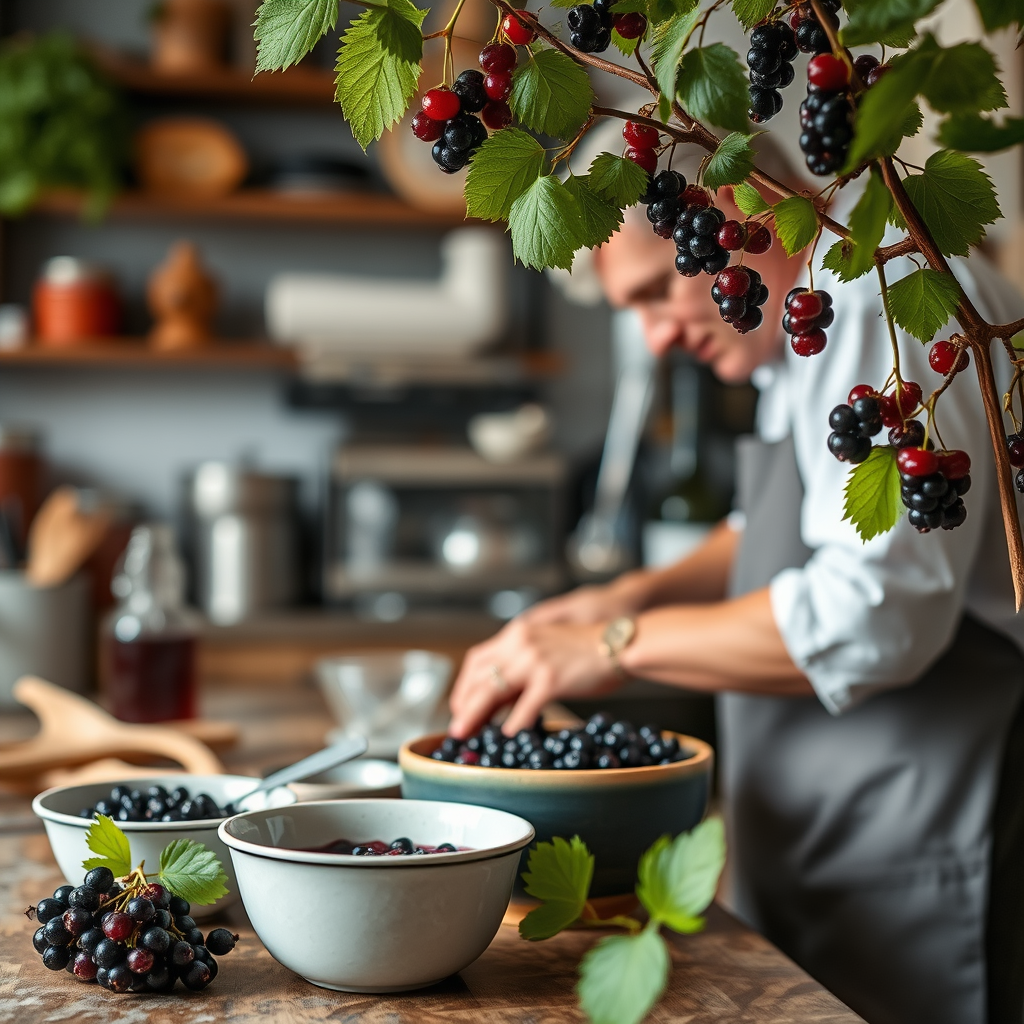
– Do not attempt this recipe if your blackcurrants show any signs of mold, spoilage, or unusual odors, as this can compromise the safety of the jam.
– Avoid making jam during high humidity conditions, as this may affect the setting process and could lead to spoilage.
– If you are unsure of your canning equipment’s ability to maintain proper pressure and temperature, do not proceed without testing it first.
– Refrain from altering the sugar content significantly, as this can affect the preservation and safety of the jam.
The Most Common Mistakes (And Their Consequences)
– Skipping the sterilization of jars can introduce bacteria, leading to contamination and spoilage of the jam. Always ensure jars are properly sterilized prior to use.
– Using under-ripe or overripe blackcurrants can result in poor flavor and inconsistent texture, making the jam unpalatable. Ideally, use fully ripe berries for the best results.
– Neglecting to properly measure the cooking temperature can prevent the jam from setting, resulting in a syrupy consistency rather than a spreadable jam. A reliable food thermometer is essential for accurate results.
– Not testing for doneness can lead to overcooking, which may caramelize the sugar and create an off-flavor. Always perform the plate test before proceeding to jar.
Special Cases That Need a Different Approach
– If using frozen blackcurrants, thaw them completely and drain excess liquid before starting the recipe to prevent a watery jam. It is also recommended to add an additional 10-15% sugar to compensate for the water released during thawing.
– For those with specific dietary needs, such as low-sugar diets, consider using pectin specifically designed for low-sugar recipes and adjust the sugar ratio accordingly to ensure proper gelling.
– If using organic blackcurrants that have not been treated with preservatives, be cautious about the acidity; adding 1-2 tablespoons of vinegar can help ensure safety and maintain shelf stability.
– For individuals living at high altitudes, adjustments to cooking times and sugar ratios may be necessary to achieve proper preservation. Generally, increase the cooking time by 1 minute for every 1,000 feet above sea level.
When You Need a Professional
– If you notice signs of spoilage after canning, such as bulging lids or off smells, do not taste the jam; instead, discard it and consult a food safety expert immediately.
– Reach out to a licensed extension agent or food preservation specialist if you encounter persistent issues with jam setting or preservation.
– If you plan to sell your homemade blackcurrant jam, consult local food safety regulations and consider hiring a licensed professional to ensure compliance with state and local laws.
– For large batch canning or unfamiliar recipes, seek guidance from a professional to ensure that you are following safe preservation practices.
Sources and Further Reading
– National Center for Home Food Preservation: Offers guidelines on safe canning and preserving techniques, including specific advice on fruit jams.
– USDA Complete Guide to Home Canning: A comprehensive resource for understanding the science of canning and safe food preservation practices.
– “The Complete Book of Preserving” by Ball: A widely respected publication featuring various preserving techniques, including fruit jams and jellies.
– Local Cooperative Extension Services: Many provide resources and workshops on canning, offering hands-on guidance and expert advice tailored to your region.
Frequently Asked Questions
What are the essential ingredients for making blackcurrant jam?
To make blackcurrant jam, you’ll need fresh blackcurrants, sugar, and lemon juice. The blackcurrants provide the rich flavor and vibrant color, while sugar acts as a preservative and sweetener, and lemon juice helps to balance the sweetness and enhance the gel formation during cooking.
How do I properly prepare blackcurrants before making jam?
Before making blackcurrant jam, rinse the blackcurrants under cold water to remove any dirt or debris. Then, remove the stems and any unripe or damaged berries, as these can affect the texture and taste of your jam. It’s also helpful to mash the berries slightly to release their juices for better flavor extraction.
Why did my blackcurrant jam not set properly?
If your blackcurrant jam did not set, it may be due to insufficient pectin, which is essential for thickening the jam. Make sure to use ripe blackcurrants, as they contain more natural pectin. Additionally, ensuring you cook the mixture at the right temperature and for the right duration can significantly affect the setting process.
What is the best method for sterilizing jars for blackcurrant jam?
The best method for sterilizing jars for blackcurrant jam is to wash them in hot, soapy water, rinse thoroughly, and then place them in a preheated oven at 220°F (104°C) for about 10 minutes. Alternatively, you can boil the jars in a large pot of water for 10 minutes, ensuring they are completely dry before filling them with your jam to prevent contamination.
Which blackcurrant jam recipe is best for beginners?
A simple blackcurrant jam recipe that is ideal for beginners consists of equal parts of blackcurrants and sugar, along with a bit of lemon juice. Cook the mixture until it reaches the desired consistency, using a thermometer to check for the gel stage at around 220°F (104°C). This straightforward approach allows beginners to experience the joy of homemade jam without complex techniques.
References
- Blackcurrant
https://en.wikipedia.org/wiki/Blackcurrant - https://www.nutrition.gov/topics/food-safety/food-preservation
https://www.nutrition.gov/topics/food-safety/food-preservation - https://www.sciencedirect.com/topics/agricultural-and-biological-sciences/blackcurrant
https://www.sciencedirect.com/topics/agricultural-and-biological-sciences/blackcurrant - Blackcurrant jam recipe | Good Food
https://www.bbcgoodfood.com/recipes/blackcurrant-jam - https://www.theguardian.com/lifeandstyle/2021/jul/14/how-to-make-jam-a-beginners-guide
https://www.theguardian.com/lifeandstyle/2021/jul/14/how-to-make-jam-a-beginners-guide - https://www.ncbi.nlm.nih.gov/pmc/articles/PMC6472580/
https://www.ncbi.nlm.nih.gov/pmc/articles/PMC6472580/ - https://www.hort.purdue.edu/newcrop/afcm/blackcurrant.html
https://www.hort.purdue.edu/newcrop/afcm/blackcurrant.html - Google Scholar Google Scholar
https://scholar.google.com/scholar?q=blackcurrant+jam+making+recipes - Google Scholar Google Scholar
https://scholar.google.com/scholar?q=blackcurrant+preservation+techniques - Google Scholar Google Scholar
https://scholar.google.com/scholar?q=blackcurrant+jam+nutritional+benefits