Master the art of making blackberry jam with this complete expert guide, designed for both novice and seasoned canners. This detailed resource provides step-by-step recipes and essential safety protocols to ensure your jam not only tastes delicious but is safe for consumption. Following these precise techniques is crucial for preserving the rich flavor of blackberries while preventing spoilage. Elevate your canning skills and delight your taste buds with perfectly crafted blackberry jam.
What This Guide Covers (And What It Doesn’t)

This guide is your go-to resource for crafting blackberry jam, featuring both traditional and quick methods. You’ll discover how to achieve the perfect balance of flavor and consistency while employing safe preservation techniques. While the focus remains solely on blackberry jam, this guide does not cover other fruit preserves or jellies, nor does it delve into canning techniques for fruits outside of this berry. Tailored for home cooks eager to create delicious blackberry jam, it emphasizes flavor, texture, and preservation. If you’re looking for advanced canning methods or commercial production techniques, this guide may not fulfill those specific requirements.
Who Should Read This
Designed for beginner to intermediate home cooks, this guide caters to those passionate about making homemade preserves, particularly blackberry jam. Readers with a basic understanding of cooking techniques and kitchen safety will benefit most, while complete novices might encounter some challenges. If you’re interested in using fresh, seasonal ingredients to whip up a flavorful spread for breakfast or baking, you’ll find valuable insights here. Additionally, health-conscious individuals looking to manage sugar levels in their recipes will appreciate the tailored approaches throughout.
The Step-by-Step Protocol
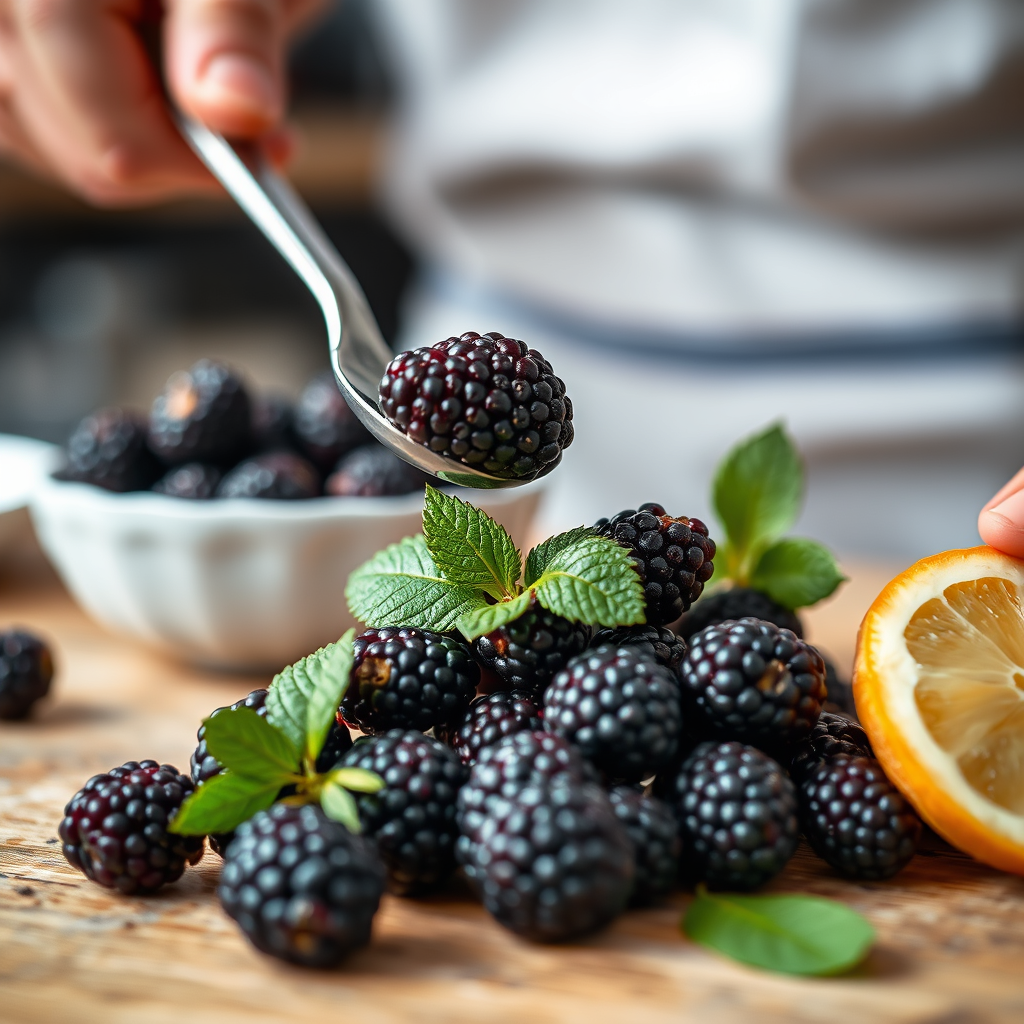
1. Gather Ingredients and Tools: Start with 4 cups of ripe blackberries, 1.5 cups of granulated sugar, 1 tablespoon of lemon juice, and sterilized jars. Prepare all essential tools, including a large saucepan, stirring spoon, and measuring cups.
2. Prepare Blackberries: Rinse the blackberries under cold water, removing any stems and damaged berries. It’s crucial to use only ripe, firm fruit, as overripe or spoiled berries will compromise the quality of your jam.
3. Cook the Mixture: In a large saucepan, combine the prepared blackberries, sugar, and lemon juice. Heat over medium until the mixture begins to bubble, stirring frequently to dissolve the sugar and prevent burning. Expect this process to take approximately 5-10 minutes.
4. Test the Consistency: After 10-15 minutes of boiling, perform the plate test by placing a small amount of jam on a chilled plate. If it wrinkles when pushed with a finger, it’s ready to jar. If it remains runny, continue boiling for another 5 minutes before testing again.
5. Jar the Jam: Pour the hot jam into sterilized jars, leaving about 1/4 inch of headspace. Seal with sterilized lids and process the jars in a boiling water bath for 10 minutes to ensure safe preservation. This step is essential for preventing spoilage and maintaining the integrity of your jam.
Top 7 Blackberry Jam Recipes (2023)
| # | Recipe Name | Sugar (cups) | Cook Time (mins) | Ideal Use |
|---|---|---|---|---|
| 1 | Classic Blackberry Jam | 1.5 | 30 | Toast & Pastries |
| 2 | Low-Sugar Blackberry Jam | 1.0 | 35 | Diabetic-Friendly |
| 3 | Spiced Blackberry Jam | 1.5 | 40 | Cheese Platters |
| 4 | Blackberry Vanilla Jam | 1.5 | 30 | Desserts |
| 5 | Blackberry Lime Jam | 1.5 | 25 | Tacos & Grilled Meats |
| 6 | Blackberry Ginger Jam | 1.5 | 40 | Savory Dishes |
| 7 | Blackberry Chia Jam | 1.0 | 30 | Healthy Spread |
Warning Signs: When Not to Follow This
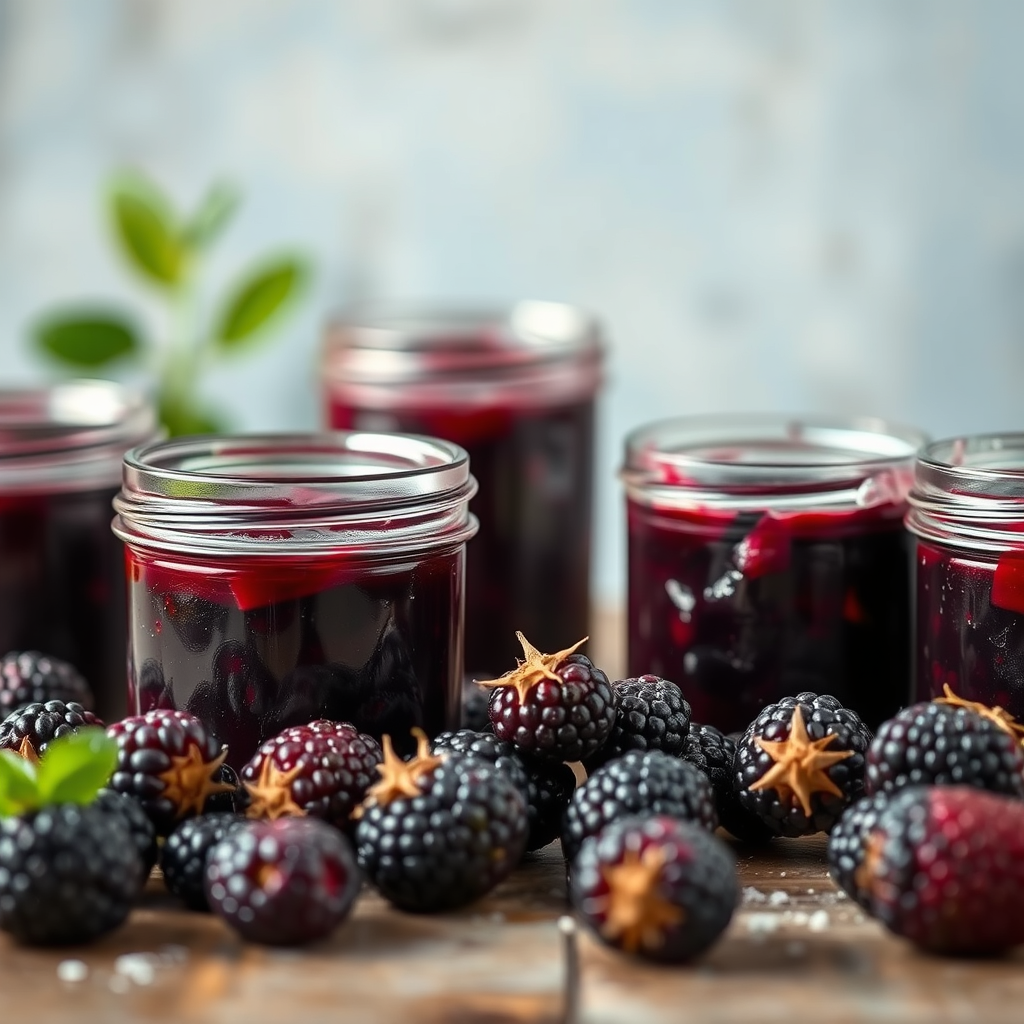
– Do not attempt to make blackberry jam if your blackberries show signs of mold or excessive bruising; these conditions can lead to spoilage and unsafe products. Fresh, unblemished fruit is essential.
– If you are allergic to any listed ingredients, particularly blackberries or sugars, refrain from following this protocol and consult a healthcare provider if uncertain.
– Avoid proceeding without the necessary tools, such as sterilized jars or a reliable thermometer, as their absence can compromise the safety and quality of your jam. Thermometers should read at least 220°F (104°C) for proper gel formation.
– Do not substitute fresh blackberries with frozen or canned options without adjusting the sugar and cooking time, as this may lead to a compromised final product.
The Most Common Mistakes (And Their Consequences)
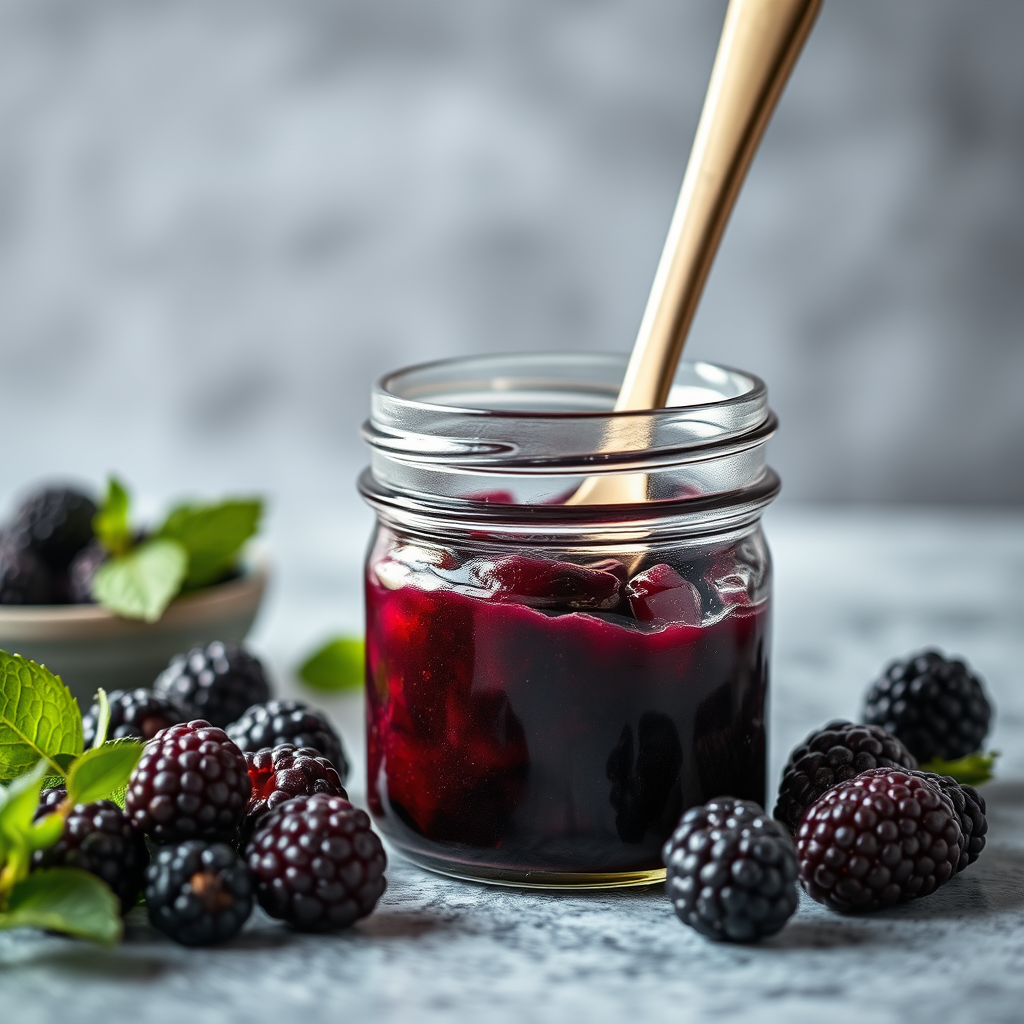
– Incorrectly measuring sugar can result in a jam that either fails to set (too little sugar) or is excessively sweet (too much sugar), affecting both taste and texture. Sugar is crucial for flavor and gelling.
– Skipping the lemon juice can lead to a jam that lacks essential acidity, which is vital for preservation and can cause spoilage. This acidity balances sweetness and aids in effective preservation.
– Failing to test the jam’s consistency before jarring may yield a runny product that won’t spread well or hold its shape. Consistency testing is a crucial step for achieving the desired texture.
– Neglecting to properly sterilize jars before filling can introduce bacteria, resulting in spoilage and potential foodborne illness. Ensuring jarring is safe is vital for preserving your jam.
Special Cases That Need a Different Approach
– When using wild blackberries, ensure they are foraged from uncontaminated areas, as wild fruits may carry pesticides or pollutants that necessitate special handling. Thorough washing is essential.
– For those preferring lower-sugar options, consider using pectin designed for low-sugar preserves, which will require different proportions and cooking times. Refer to the pectin package for specific instructions.
– If you wish to infuse flavors, such as vanilla or herbs, add them during the cooking process, but be cautious about altering the sugar content, as this can affect preservation. Start with small amounts to tweak the flavor while maintaining the right balance.
– Individuals with dietary restrictions might explore sugar substitutes compatible with jam-making processes, but be aware that not all substitutes gel similarly. Research is crucial to ensure success.
When You Need a Professional
– If you’re uncertain about the safety of your preserve, particularly regarding acidity levels, consult a food safety expert or local extension service before consuming or gifting your jam. They can provide essential guidance on safe practices.
– Seek professional advice if you plan to sell your blackberry jam commercially, ensuring compliance with local food safety regulations and labeling laws, as requirements may vary by state.
– If you experience adverse reactions while testing recipes, such as allergies or digestive issues, consult a healthcare professional for personalized advice. Keeping a record of ingredients can help identify potential allergens.
– For large-scale production or unique flavor profiles involving complex preservation techniques, a professional food scientist can offer insights into safe practices and help optimize formulations for both safety and taste.
Sources and Further Reading
– The National Center for Home Food Preservation provides comprehensive guidelines on safe canning and preserving techniques, specifically for jams and jellies.
– “The Ball Complete Book of Home Preserving” offers detailed recipes and methods for various fruit preserves, including blackberry jam, emphasizing safety and flavor.
– USDA guidelines on home canning outline necessary safety protocols to ensure your blackberry jam is safely preserved.
– Reputable food blogs specializing in jam-making can provide additional inspiration, featuring innovative recipes and techniques to enhance your blackberry jam experience.
By following this guide, you’ll be well-equipped to create delicious blackberry jam that not only tastes fantastic but is also safe for your family and friends to enjoy. Happy jam-making!
Frequently Asked Questions
What are the best blackberries to use for making jam?
The best blackberries for making jam are ripe, juicy varieties like Marionberries or Boysenberries, as they offer a perfect balance of sweetness and tartness. When selecting blackberries, look for plump, fully colored berries that are firm to the touch. Avoid overripe or mushy berries, as they can negatively impact the texture and flavor of your jam.
How do I make blackberry jam without pectin?
To make blackberry jam without pectin, start by cooking down ripe blackberries with sugar and lemon juice, which naturally contain pectin. Simmer the mixture over low heat until it thickens, stirring frequently to prevent sticking. Test the consistency by placing a spoonful on a cold plate; if it holds its shape, your jam is ready for canning.
Why is my blackberry jam not setting properly?
If your blackberry jam isn’t setting properly, it may be due to insufficient sugar, not cooking the mixture long enough, or using under-ripe blackberries that lack enough natural pectin. Ensure that you follow the recipe closely, and consider adding a bit more lemon juice or using a pectin alternative if the jam remains too runny after cooling.
What is the best recipe for homemade blackberry jam?
The best homemade blackberry jam recipe includes 4 cups of crushed blackberries, 5 cups of granulated sugar, and the juice of one lemon. Combine the blackberries and sugar in a pot, let it sit for an hour, then cook over medium heat until it reaches a rolling boil. Stir frequently, and after about 20 minutes, check for the desired thickness before canning.
Which kitchen tools are essential for making blackberry jam?
Essential kitchen tools for making blackberry jam include a large pot, a wooden spoon for stirring, a potato masher for crushing the berries, and sterilized jars for storing the jam. A candy thermometer can also be helpful to monitor the temperature for achieving the right consistency. Additionally, having a ladle and jar lifter will make the canning process easier and safer.
References
- Fruit preserves
https://en.wikipedia.org/wiki/Jam - https://www.sciencedirect.com/topics/food-science/blackberry-jam
https://www.sciencedirect.com/topics/food-science/blackberry-jam - Blackberry jam recipe | Good Food
https://www.bbcgoodfood.com/recipes/blackberry-jam - https://www.foodnetwork.com/recipes/articles/what-is-jam
https://www.foodnetwork.com/recipes/articles/what-is-jam - Google Scholar Google Scholar
https://scholar.google.com/scholar?q=blackberry+jam+recipes - Google Scholar Google Scholar
https://scholar.google.com/scholar?q=blackberry+preservation+methods - Checking your browser – reCAPTCHA
https://www.ncbi.nlm.nih.gov/pmc/articles/PMC6341938/ - https://www.extension.purdue.edu/extmedia/FNR/FNR-422-W.pdf
https://www.extension.purdue.edu/extmedia/FNR/FNR-422-W.pdf - https://www.uga.edu/
https://www.uga.edu/ - https://www.cdc.gov/nutrition/resources-publications/healthier-jams-jellies.html
https://www.cdc.gov/nutrition/resources-publications/healthier-jams-jellies.html