Learn how to make blackberry jam safely with this comprehensive expert guide. This detailed recipe covers essential techniques, ingredient ratios, and preservation methods to ensure your jam is both delicious and safe to enjoy. Following the right protocols is crucial to prevent spoilage and ensure a perfect texture, making this guide indispensable for both novice and seasoned canners.
What This Guide Covers (And What It Doesn’t)
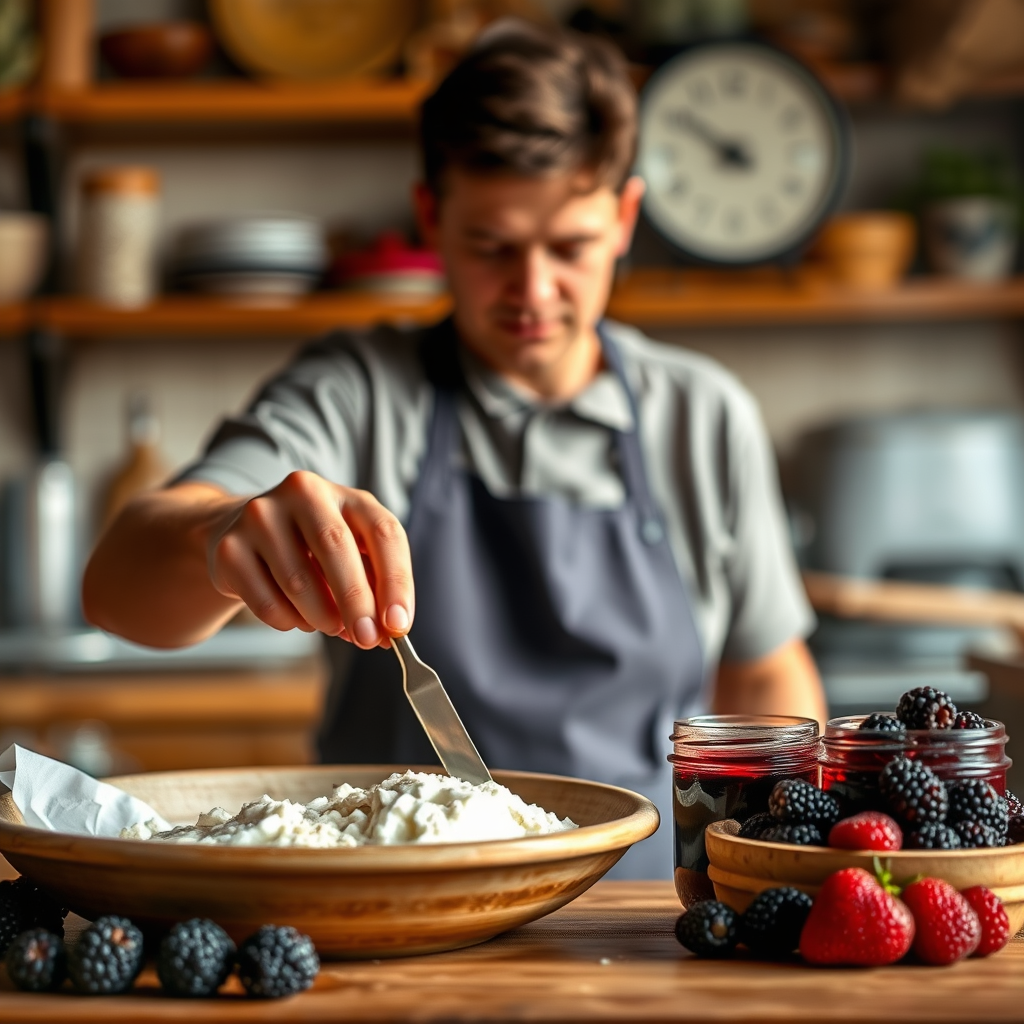
This guide offers an in-depth look at safely making blackberry jam, detailing specific measurements, cooking techniques, and effective preservation methods. You will discover the essential components for successful jam-making, including how to select ingredients and follow safety protocols. Moreover, it addresses common troubleshooting issues, ensuring your jam-making experience is both enjoyable and rewarding.
However, this guide does not include recipes for other types of jams or advanced canning techniques unrelated to blackberry jam. It specifically targets home cooks who have access to fresh blackberries, the necessary kitchen tools, and a genuine interest in food preservation.
Who Should Read This
This guide is designed for home cooks eager to explore food preservation and learn how to make blackberry jam from scratch. It’s perfect for individuals equipped with basic kitchen skills, such as measuring ingredients and using kitchen equipment. Those without prior cooking experience may find the detailed instructions challenging. Readers should be ready to follow precise directions and adhere to food preservation safety standards. This guide is not suitable for those seeking quick, no-cook jam recipes or for individuals unable to source fresh blackberries.
The Step-by-Step Protocol
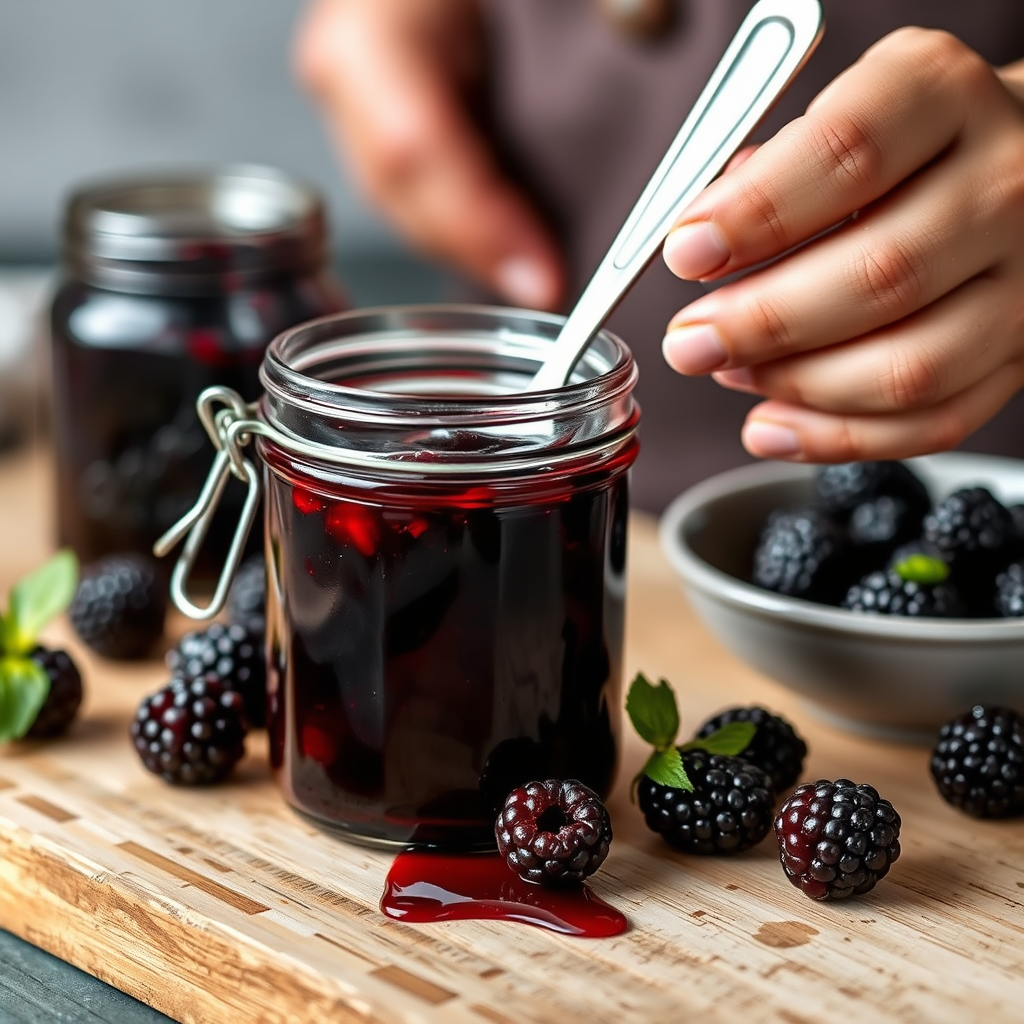
1. Gather Ingredients and Equipment:
– You will need 4 cups of crushed fresh blackberries, 1.5 cups of granulated sugar, and 1/4 cup of lemon juice. Additionally, prepare canning jars, a water bath canner, a ladle, and a potato masher.
2. Prepare the Blackberries:
– Wash the blackberries thoroughly under cold running water, discarding any leaves or stems. Crush them using a potato masher until you achieve a uniform consistency. Ensure that you have a total of 4 cups of crushed fruit.
3. Cook the Jam:
– In a large saucepan, combine the crushed blackberries, sugar, and lemon juice. Bring the mixture to a rapid boil over medium-high heat while stirring continuously. Maintain a boil for about 10-15 minutes until the mixture reaches 220°F (the gel point). Use a candy thermometer to check the temperature accurately.
4. Canning the Jam:
– Sterilize your canning jars and lids by placing them in boiling water for 10 minutes. Once the jam has reached the correct temperature, pour it into the sterilized jars, leaving 1/4 inch of headspace. Seal the jars with lids and process them in a water bath for 10 minutes to ensure proper sealing and preservation.
Nutritional Information for Blackberry Jam (per tablespoon)
| # | Nutrient | Amount | Daily Value (%) |
|---|---|---|---|
| 1 | Calories | 50 | 2% |
| 2 | Total Fat | 0g | 0% |
| 3 | Sodium | 0mg | 0% |
| 4 | Total Carbohydrates | 13g | 5% |
| 5 | Sugars | 11g | 12% |
| 6 | Dietary Fiber | 0.5g | 2% |
| 7 | Protein | 0g | 0% |
Warning Signs: When Not to Follow This

Avoid making blackberry jam with moldy or overripe fruit, as this compromises both safety and quality. Additionally, if you lack the proper canning equipment, such as a water bath canner, refrain from attempting to preserve your jam; improper canning can lead to foodborne illnesses. If you are unsure about the correct boiling time or temperature, do not proceed—failing to reach 220°F can result in jam that fails to set. This recipe is also unsuitable for anyone with allergies to key ingredients like sugar or citric acid.
The Most Common Mistakes (And Their Consequences)
– Not Measuring Ingredients Accurately: Skipping precise measurements can result in jam that is either too runny or overly sweet, ultimately affecting the quality of the final product.
– Skipping the Sterilization Process: Neglecting to sterilize jars properly can introduce harmful bacteria, leading to spoilage and safety risks.
– Not Reaching the Gel Point: If the mixture does not boil to 220°F, the jam may never achieve the desired set, resulting in a syrupy consistency instead of a spreadable product.
– Ignoring the Headspace Rule: Failing to leave the recommended 1/4 inch of headspace can cause jars to overflow during processing, leading to inadequate sealing and spoilage.
Special Cases That Need a Different Approach
– Using Frozen Blackberries: If you opt for frozen blackberries, thaw them first and drain any excess liquid to ensure the correct sugar-to-fruit ratio and prevent a watery jam.
– Making Low-Sugar Blackberry Jam: If using a low-sugar pectin, adjust the sugar content to 1 cup. This will require modifications to the setting point and cooking time.
– Canning at High Altitudes: For elevations above 1,000 feet, increase the boiling time by 1 minute for each additional 1,000 feet to ensure proper sealing.
– Combining with Other Fruits: If you plan to mix blackberries with other fruits like raspberries or strawberries, adjust the total sugar and pectin accordingly to maintain the jam’s desired consistency.
When You Need a Professional
If you notice signs of spoilage, such as bulging lids or off-smells after processing, do not consume the jam. Instead, consult a food safety expert. For concerns regarding food allergies or dietary restrictions that could affect ingredient selection, seek advice from a nutritionist or food safety professional. If you are new to canning and feel uneasy about the required safety measures, consider attending a local workshop led by a certified instructor. Should you encounter persistent issues with your jam not setting after multiple attempts, reach out to a food preservation expert or extension service for guidance.
Sources and Further Reading
– National Center for Home Food Preservation: Detailed guidelines on safe canning practices and jam-making techniques.
– “Ball Complete Book of Home Preserving”: A comprehensive resource for home canning, featuring tested recipes and preservation methods for various fruits.
– USDA Canning Guidelines: Official recommendations for safe food preservation methods and canning procedures.
– Local Cooperative Extension Services: Resources for local workshops, food safety advice, and additional canning information specific to your region.
Frequently Asked Questions
What ingredients do I need for a basic blackberry jam recipe?
To make a basic blackberry jam, you will need fresh blackberries, granulated sugar, and lemon juice. Typically, the ratio is about 4 cups of blackberries to 5 cups of sugar and 1/4 cup of lemon juice, which helps balance the sweetness and enhances flavor.
How do I properly sterilize jars for blackberry jam?
To sterilize jars for blackberry jam, wash them in hot, soapy water and rinse well. Then, place the jars in a pot of boiling water for 10 minutes or run them through a dishwasher cycle without detergent. This ensures that your jars are free from bacteria and safe for preserving your jam.
Why did my blackberry jam not set properly?
If your blackberry jam did not set properly, it could be due to insufficient pectin, not cooking it long enough, or using overly ripe blackberries. To fix this, you can re-cook the jam with added pectin or cook it longer until it reaches the desired consistency.
What is the best method for canning blackberry jam?
The best method for canning blackberry jam is the water bath canning process. After filling your sterilized jars with hot jam, seal them with lids and process them in a boiling water bath for 5-15 minutes, depending on your altitude, to ensure a vacuum seal and preserve freshness.
Which types of sugar work best for making blackberry jam?
Granulated sugar is the most commonly used type for making blackberry jam, as it helps with the gelling process. However, you can also use light brown sugar for a deeper flavor or low-sugar alternatives like fruit pectin designed for reduced sugar recipes if you’re looking for a healthier option.
References
- Fruit preserves
https://en.wikipedia.org/wiki/Jam - https://www.ncbi.nlm.nih.gov/pmc/articles/PMC6502444/
https://www.ncbi.nlm.nih.gov/pmc/articles/PMC6502444/ - https://www.sciencedirect.com/topics/agricultural-and-biological-sciences/blackberry-jam
https://www.sciencedirect.com/topics/agricultural-and-biological-sciences/blackberry-jam - https://www.foodsafety.gov/food-safety-charts/jam-jelly
https://www.foodsafety.gov/food-safety-charts/jam-jelly - https://www.uga.edu/extension/publications/blackberry-jam-recipe
https://www.uga.edu/extension/publications/blackberry-jam-recipe - https://www.extension.purdue.edu/extmedia/FNR/FNR-470-W.pdf
https://www.extension.purdue.edu/extmedia/FNR/FNR-470-W.pdf - https://www.nutrition.gov/recipes/blackberry-jam
https://www.nutrition.gov/recipes/blackberry-jam - https://pubmed.ncbi.nlm.nih.gov/?term=blackberry+jam
https://pubmed.ncbi.nlm.nih.gov/?term=blackberry+jam - Google Scholar Google Scholar
https://scholar.google.com/scholar?q=recipe+for+blackberry+jam - Google Scholar Google Scholar
https://scholar.google.com/scholar?q=blackberry+jam+nutritional+value