This expert guide to safely making blackberry fruit jam is designed for home cooks eager to preserve the rich flavor of blackberries while ensuring food safety. It covers essential techniques, ingredient ratios, and step-by-step procedures that guarantee a delicious and safe final product. Following the right protocols not only enhances taste but also prevents spoilage, making this guide indispensable for both beginners and seasoned jam makers.
What This Guide Covers (And What It Doesn’t)

This guide offers a thorough, step-by-step approach to crafting blackberry fruit jam, complete with precise measurements, cooking times, and essential safety tips to ensure your success in the kitchen. You’ll discover how to select the finest ingredients, prepare them correctly, and achieve that perfect jam consistency. Throughout the process, we emphasize food safety practices to prevent contamination and spoilage.
However, it’s important to note that this guide does not venture into alternative fruit jam recipes or advanced canning processes beyond blackberry jam. Our focus is specifically tailored for home cooks eager to create high-quality, homemade blackberry jam while prioritizing food safety and proper preservation techniques. If you’re seeking information on commercial jam production or intricate canning methods, we recommend consulting specialized resources.
Who Should Read This
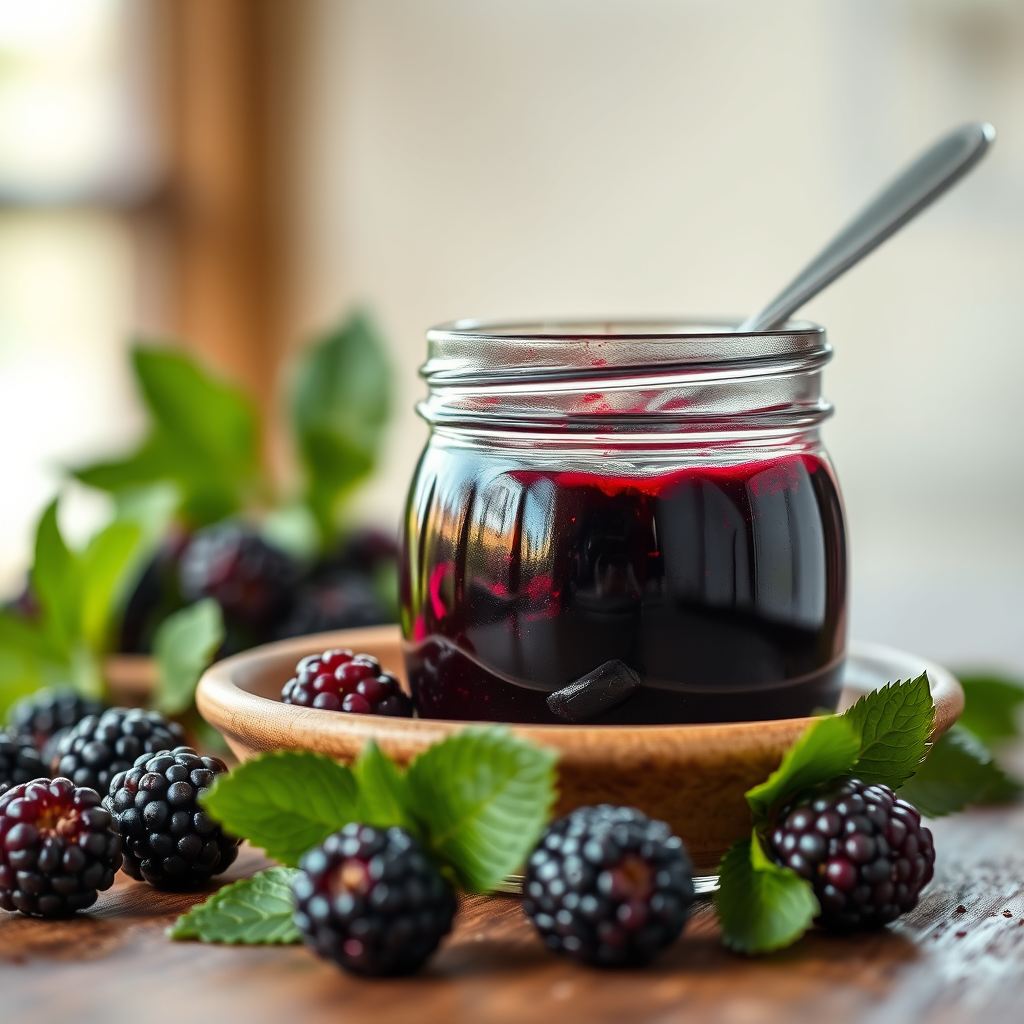
This guide is perfect for home cooks with basic kitchen skills, particularly those familiar with standard cooking equipment and terminology related to jam-making. It’s especially valuable for individuals interested in preserving seasonal fruits or enhancing their cooking repertoire with homemade condiments. Readers should have access to fresh blackberries, sugar, and essential canning supplies, along with a solid understanding of kitchen hygiene practices. Even those who have never made jam before, but are eager to learn the process and safety considerations, will find this guide particularly useful.
The Step-by-Step Protocol
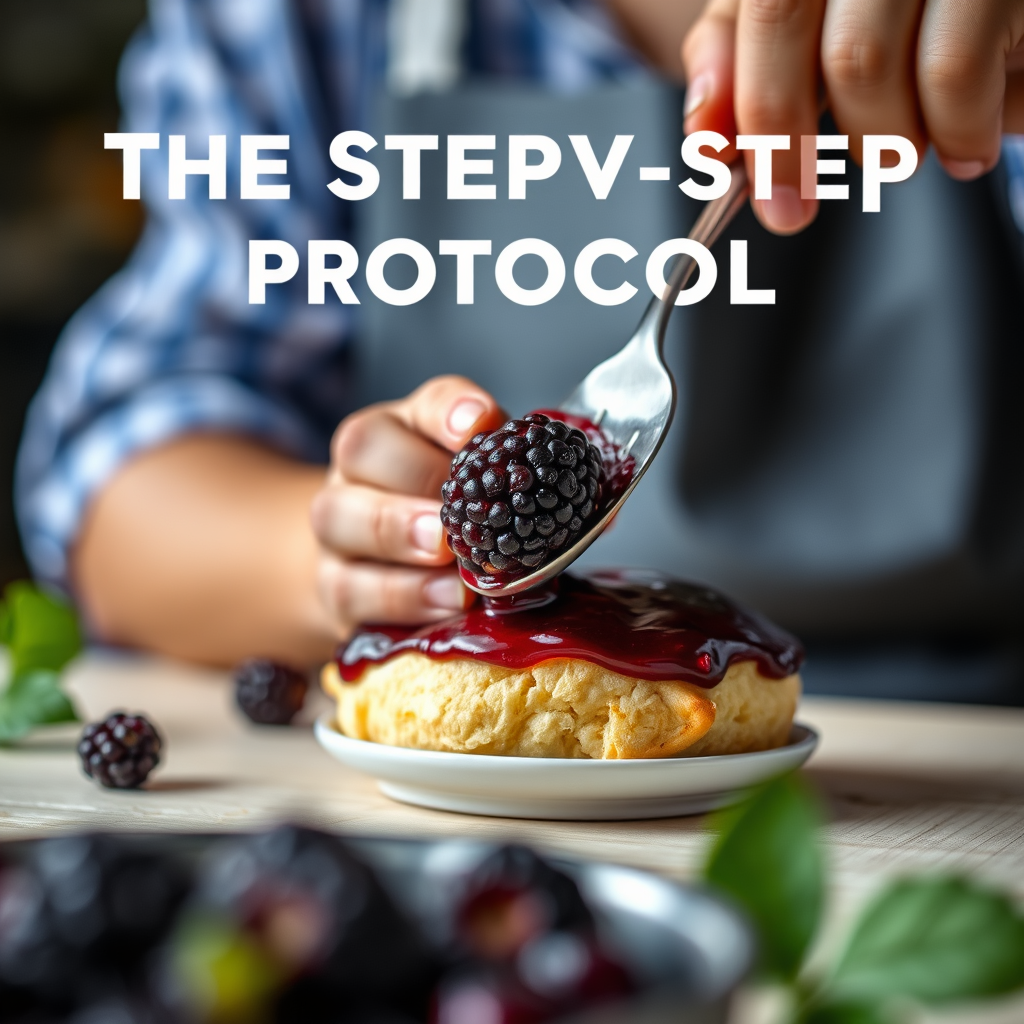
1. Gather Ingredients and Equipment: Collect 4 cups of fresh blackberries, 1 cup of granulated sugar, and 1 tablespoon of lemon juice. Ensure you have essential equipment, including a large pot, measuring cups, a potato masher, a candy thermometer, and sterilized jars with lids.
2. Prepare the Blackberries: Rinse the blackberries thoroughly under cold water to remove any dirt or pesticides. Remove any stems or leaves that may have come along during harvesting. Place the cleaned blackberries into a large pot over medium heat.
3. Cook the Mixture: Using a potato masher, lightly mash the blackberries to release their juices. Add the sugar and lemon juice to the pot. Stir continuously until the mixture reaches a rolling boil, which should take about 10 to 15 minutes. Ensure that the mixture is boiling vigorously.
4. Test for Doneness: Use a candy thermometer to check the temperature of the mixture, aiming for 220°F (104°C), which is the gel point for most jams. Alternatively, perform the “plate test” by placing a spoonful of the jam on a chilled plate. After a minute, gently push the jam with your finger; if it wrinkles, the jam is ready. If it remains runny, continue boiling for another few minutes and retest.
5. Fill the Jars: Once the jam has reached the proper consistency, carefully ladle it into the sterilized jars, leaving about ¼ inch of headspace. Wipe the rims of the jars with a clean cloth to remove any residue. Place the sterilized lids on the jars and screw on the bands until they are fingertip-tight.
6. Process the Jars: If you wish to store the jam for an extended period, process the filled jars in a boiling water bath. Submerge the jars in boiling water for 5 to 10 minutes, ensuring the water covers the jars by at least an inch. Remove the jars and let them cool completely on a clean kitchen towel or cooling rack.
7. Store the Jam: Once cooled, check the seals on the lids. If the center of the lid is depressed and does not flex up and down, the jar is sealed properly. Store the sealed jars in a cool, dark place. Unsealed jars can be refrigerated and used within a few weeks.
Warning Signs: When Not to Follow This
Avoid making blackberry jam if your blackberries show signs of mold, spoilage, or an off smell, as this can compromise the safety of the final product. Do not attempt this recipe without access to proper canning equipment, such as sterilized jars and lids, which are crucial for preventing contamination. If you have a known allergy to any of the ingredients (blackberries, sugar, lemon juice), do not follow this guide without substituting with safe alternatives. Additionally, refrain from making jam in excessively humid conditions, as humidity can affect the setting process and shelf stability of the jam.
The Most Common Mistakes (And Their Consequences)
– Incorrect Sugar Ratio: Using too little sugar can lead to a jam that does not set properly, resulting in a syrupy consistency instead of a spreadable product. Sugar serves not only as a sweetener but also as a preservative.
– Insufficient Cooking Time: Failing to boil the mixture long enough can leave the jam too runny, which may spoil quickly and fail to preserve well.
– Ignoring Sterilization: Not properly sterilizing jars can introduce bacteria, leading to spoilage or foodborne illnesses in the finished jam. Always ensure that jars and lids are sterilized before use.
– Skipping the Testing Step: Neglecting to check for doneness can result in jars of jam that either remain too runny or become overcooked, negatively impacting flavor and texture.
Special Cases That Need a Different Approach
– Low-Sugar Variants: If you want to reduce sugar, consider using a low-sugar pectin designed specifically for jam-making. Adjust the recipe according to package instructions, as the pectin will require specific amounts of sugar and fruit to gel properly.
– Adding Flavorings: If you wish to incorporate additional flavors (like vanilla or spices), add them after the initial boil and adjust to taste, being cautious of how they may affect the setting. Some flavorings can alter the pH, which is crucial for proper gelling.
– Using Frozen Blackberries: For frozen blackberries, allow them to thaw completely and drain excess liquid before cooking. Adjust cooking times to account for the additional moisture content, as the jam may take longer to reach the desired consistency.
– Allergies or Dietary Restrictions: For those with sugar restrictions, explore alternatives like honey or agave syrup. Be aware that these substitutes may alter the jam’s texture and flavor, necessitating adjustments in cooking times.
When You Need a Professional
If you notice any signs of spoilage in your jam, such as bubbling, off odors, or discoloration, discard it immediately and consult a food safety expert if unsure. Seek professional guidance if you wish to scale the recipe for commercial purposes, as this involves adhering to specific safety regulations and guidelines set forth by the USDA and local health departments. If you are uncertain about any part of the canning process or have health concerns related to food preservation, consult a certified canning specialist or your local extension office. When experimenting with unusual ingredients or methods not covered in this guide, it’s advisable to consult food safety resources to avoid potential health risks.
Sources and Further Reading
– USDA Complete Guide to Home Canning, which provides extensive guidelines on safe canning practices and preservation techniques.
– National Center for Home Food Preservation, offering a wealth of resources on fruit preservation, including blackberry jam specifics.
– “The Ball Blue Book of Preserving,” a trusted guide for home canning enthusiasts, featuring tested jam recipes and preservation methods.
– Local extension services or food safety organizations, which can provide access to workshops, further reading, and personalized advice on home canning practices.
By following this guide, you will be well-equipped to create delicious, homemade blackberry jam that can be enjoyed on toast, in desserts, or straight from the jar. Happy canning!
Frequently Asked Questions
What ingredients do I need for a blackberry fruit jam recipe?
To make a delicious blackberry fruit jam, you will need fresh blackberries, granulated sugar, lemon juice, and pectin. The sugar helps preserve the jam and enhance its sweetness, while the lemon juice adds acidity that balances the flavors and aids in the gelling process.
How do I properly prepare blackberries for making jam?
Start by rinsing the blackberries under cool water to remove any dirt or debris. After washing, gently pat them dry with a paper towel to avoid excess moisture that can affect the consistency of your blackberry fruit jam. It’s also important to check for and remove any overripe or damaged berries to ensure the best flavor and texture.
Why is pectin important in a blackberry fruit jam recipe?
Pectin is a natural thickening agent that helps your blackberry fruit jam achieve the desired gel-like consistency. When combined with sugar and acid from the lemon juice, pectin allows the jam to set properly, ensuring it has the right texture for spreading. Without pectin, the jam may remain too runny and not hold its shape.
What is the best method for canning blackberry fruit jam?
The best method for canning blackberry fruit jam involves using the water bath canning technique. After cooking the jam, pour it into sterilized jars, leaving about a quarter-inch of headspace. Seal the jars with lids and process them in a boiling water bath for 5-10 minutes to ensure they are shelf-stable and safe for long-term storage.
Which kitchen tools are essential for making blackberry jam?
Essential kitchen tools for making blackberry jam include a large pot for cooking the jam, a wooden spoon for stirring, a ladle for transferring the jam to jars, and a canning funnel to prevent spills. Additionally, having a candy thermometer can help you accurately monitor the temperature for achieving the right consistency in your blackberry fruit jam.
References
- Blackberry
https://en.wikipedia.org/wiki/Blackberry - https://www.foodsafety.gov/food-safety-charts/canning-jams-jellies
https://www.foodsafety.gov/food-safety-charts/canning-jams-jellies - https://extension.oregonstate.edu/recipes/blackberry-jam
https://extension.oregonstate.edu/recipes/blackberry-jam - https://www.fs.usda.gov/wildflowers/ethics/foraging/blackberries.shtml
https://www.fs.usda.gov/wildflowers/ethics/foraging/blackberries.shtml - https://www.uga.edu/extension/publications/blackberry-jam-recipe.html
https://www.uga.edu/extension/publications/blackberry-jam-recipe.html - Google Scholar Google Scholar
https://scholar.google.com/scholar?q=blackberry+fruit+jam+recipe - Google Scholar Google Scholar
https://scholar.google.com/scholar?q=blackberry+jams+health+benefits - https://pubmed.ncbi.nlm.nih.gov/?term=blackberry+jams
https://pubmed.ncbi.nlm.nih.gov/?term=blackberry+jams - https://www.ncbi.nlm.nih.gov/pmc/articles/PMC4488352/
https://www.ncbi.nlm.nih.gov/pmc/articles/PMC4488352/ - blackberry fruit jam recipe – Search results
https://en.wikipedia.org/wiki/Special:Search?search=blackberry+fruit+jam+recipe