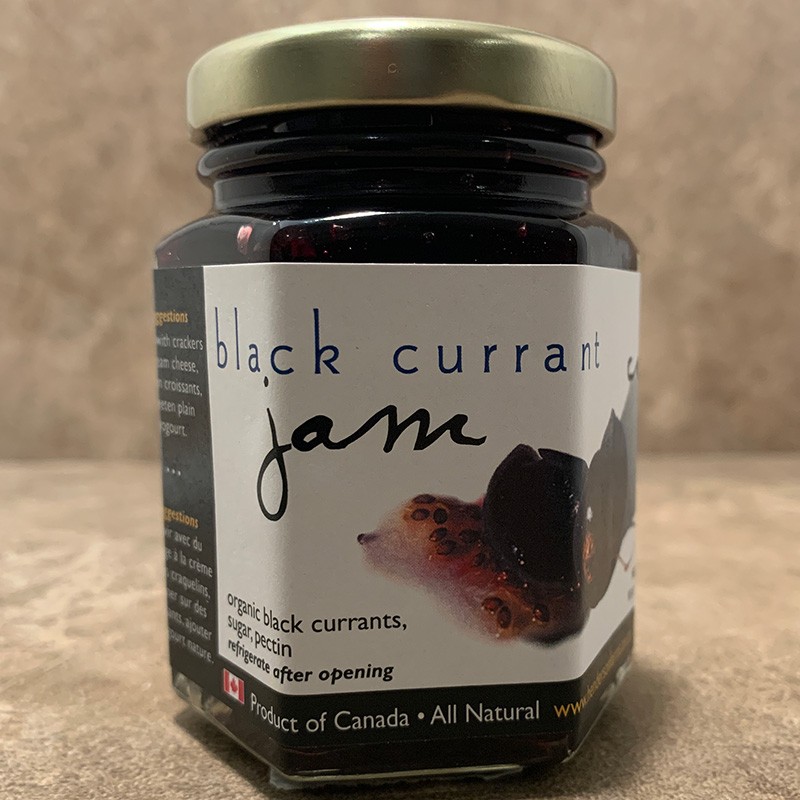
Mastering black currant jam recipes requires precise techniques to ensure both safety and flavor. This expert guide delves into essential protocols for selecting, preparing, and canning black currants, highlighting the importance of food safety in preserving this vibrant fruit. Perfect for home canners and culinary enthusiasts alike, following these methods will elevate your jam-making while safeguarding your health.
What This Guide Covers (And What It Doesn’t)
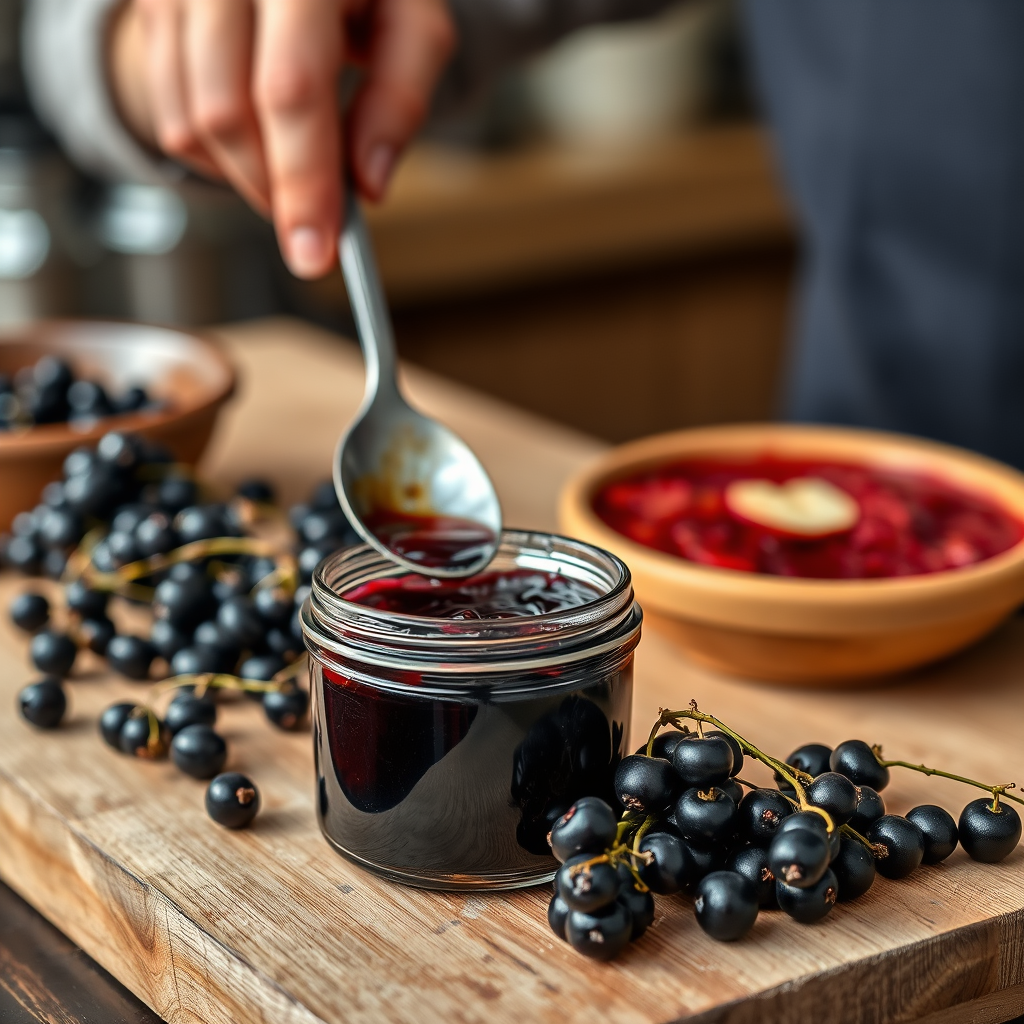
This guide provides detailed, step-by-step instructions for making black currant jam, emphasizing safe canning practices to preserve both flavor and longevity. You’ll find specific recipes, ingredient ratios, and tips for selecting the finest black currants. Additionally, the guide includes variations for flavored jams and prioritizes essential food safety protocols crucial for successful home canning. It also addresses common problems that may arise during the jam-making process.
However, the scope of this guide does not extend to other types of fruit preserves or general canning techniques unrelated to black currants. It assumes readers have a basic understanding of kitchen safety and hygiene. If you’re looking for information on commercial jam production or non-jam recipes featuring black currants, this guide may not meet your needs.
Who Should Read This
This guide is designed for home cooks with some experience in fruit preservation and canning who wish to refine their skills specifically in black currant jam. It is particularly valuable for those interested in creating homemade, preservative-free jams to enjoy or share, especially if they have access to fresh or frozen black currants.
Conversely, this guide is not suitable for novice cooks lacking canning experience or those unfamiliar with essential kitchen equipment, such as water bath canners and sterilization processes. Readers seeking shortcuts, such as microwave or refrigerator jams, will find that the content does not align with those methods.
The Step-by-Step Protocol
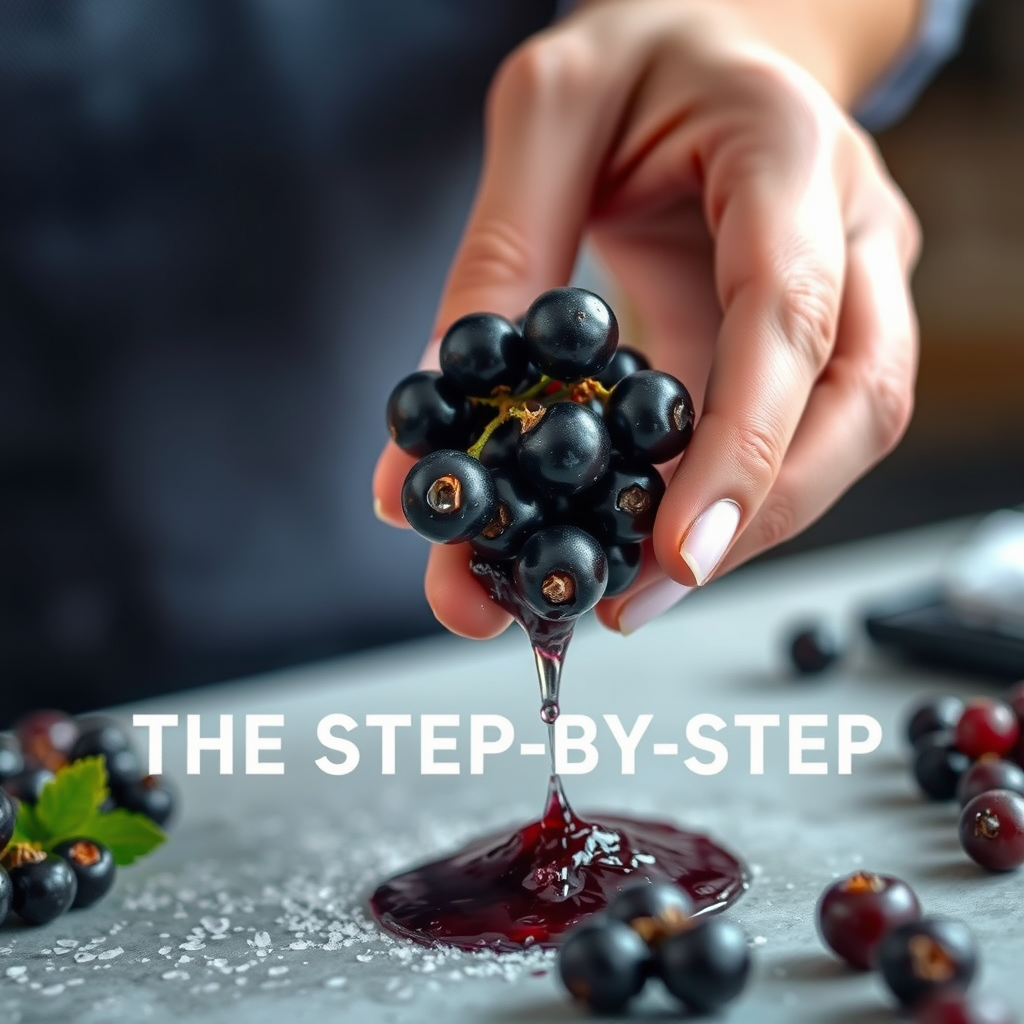
1. Gather Ingredients: For a basic black currant jam recipe, assemble 4 cups of fresh or frozen black currants, 1 cup of granulated sugar, and 1 tablespoon of lemon juice. Feel free to experiment with flavorings like vanilla or spices, but limit their quantity to ensure the jam sets properly.
2. Prepare the Currants: Rinse the black currants under cold water to eliminate any dirt or debris. Remove stems and discard any damaged fruit. Lightly mash the currants in a large saucepan using a potato masher or fork. This will help release their natural juices and create a smoother texture in the finished jam.
3. Cook the Mixture: Place the saucepan over medium heat and add the sugar and lemon juice to the mashed black currants. Stir continuously until the sugar has completely dissolved. Then, increase the heat and bring the mixture to a rolling boil, which typically takes about 10-15 minutes. Stir frequently to prevent scorching.
4. Check for Doneness: Use a candy thermometer to monitor the temperature of the jam. It should reach 220°F (104°C), indicating it has properly set. As an additional check, perform the spoon test: drop a small amount of the jam onto a cold plate and tilt it. If it gels and holds its shape, the jam is ready for canning.
5. Canning the Jam: Once the jam is ready, remove it from heat. Pour the hot jam into sterilized canning jars, leaving about ¼ inch of headspace at the top. Wipe the rims of the jars with a clean cloth to remove any residue. Place sterilized lids on the jars and screw on the metal bands until fingertip-tight.
6. Process the Jars: Place the filled jars in a boiling water bath canner, ensuring they are covered by at least an inch of water. Process the jars for 10-15 minutes. Adjust the processing time for altitude as necessary; those at higher elevations may need to increase the time by 5 minutes for every 1,000 feet above sea level.
7. Cool and Store: After processing, remove the jars from the canner and let them cool on a clean kitchen towel or cooling rack. Allow the jars to sit undisturbed for 12-24 hours. After cooling, check that the lids have sealed properly by pressing down in the center of each lid; it should not pop back. Store sealed jars in a cool, dark place.
Warning Signs: When Not to Follow This
– Avoid making black currant jam if the fruit shows signs of mold, fermentation, or off-putting odors, as these may indicate spoilage.
– Discard any black currants that have been improperly stored (e.g., left out at room temperature for extended periods) or are overly soft and mushy.
– Do not proceed with canning if you lack access to proper canning jars or if the jars show signs of cracks or chips, as this can lead to contamination or failed seals.
– If you have underlying health conditions that compromise your immune system, it may be best to avoid home canning without professional guidance.
The Most Common Mistakes (And Their Consequences)
– Not Measuring Ingredients Accurately: Failing to measure the sugar or lemon juice precisely can lead to a jam that is too runny or overly sweet. Always use measuring cups and spoons for best results.
– Skipping the Sterilization Process: Not sterilizing jars can lead to bacterial growth, resulting in spoilage. Always preheat jars in boiling water for at least 10 minutes before filling them with jam.
– Failing to Adjust for Altitude: Those at higher elevations need to adjust the boiling point and setting of the jam. This oversight can cause the jam to not set correctly. Consult local guidelines for altitude adjustments.
– Not Allowing the Jam to Cool Properly: Sealing the jam too soon can cause jars to warp or fail to seal, leading to spoilage. Ensure that jars cool at room temperature without disturbance for proper sealing.
Special Cases That Need a Different Approach
– If using low-sugar or no-sugar pectin, adjust the sugar content accordingly and follow the pectin manufacturer’s instructions for best results.
– For individuals with dietary restrictions, such as diabetes, consider using alternative sweeteners like erythritol or stevia, but consult specific recipes tailored for these substitutions to ensure proper gelling.
– When using frozen black currants, ensure they are fully thawed and drained of excess water before beginning the cooking process to avoid overly watery jam.
– If combining black currants with other fruits (e.g., apples or strawberries), ensure proportions are balanced to maintain proper gelling and flavor compatibility. Typically, black currants can be combined with other fruits at a ratio of 2:1 (black currants to other fruits) to ensure proper texture and taste.
When You Need a Professional
– Consult a licensed food preservation expert if you are unsure about the acidity levels of your black currant jam recipe, especially if you intend to store it for long periods. High acidity is crucial for safe home canning.
– If you experience any unusual reactions when consuming homemade jam, such as digestive distress, seek medical advice to rule out foodborne illness.
– In cases where you plan to scale up production for sale, involving a food safety consultant is crucial to comply with local health regulations and ensure proper canning techniques.
– If your jam consistently fails to set despite following instructions, a professional can help identify potential issues with your ingredients or methods.
Sources and Further Reading
– National Center for Home Food Preservation (NCHFP) – Guidelines for safe home canning: [nchfp.uga.edu](https://nchfp.uga.edu)
– USDA Complete Guide to Home Canning – Comprehensive resource on canning practices: [usda.gov](https://www.fsis.usda.gov/wps/portal/fsis/home)
– “The Ball Book of Canning and Preserving” – A detailed guide on various canning techniques, including fruit jams.
– Local Cooperative Extension offices – Offer workshops and resources tailored to home canning safety and techniques specific to your region.
By following this guide, you can confidently create delicious black currant jam while ensuring safe and effective canning practices. Enjoy the rich flavor and satisfaction that comes from crafting your own preserves.
Frequently Asked Questions
What are the key ingredients for making black currant jam?
To make delicious black currant jam, you will need fresh black currants, sugar, and lemon juice. The sugar helps preserve the jam and enhance the natural sweetness of the currants, while lemon juice adds acidity and balances the flavors. For a richer taste, consider adding pectin, which helps achieve the desired consistency.
How do I properly prepare black currants for jam making?
Start by washing the black currants thoroughly to remove any dirt or impurities. Remove the stems and any leaves, then crush the currants gently to release their juices. This preparation ensures that your black currant jam has a rich flavor and smooth texture.
Why is my black currant jam not setting properly?
If your black currant jam isn’t setting, it may be due to insufficient pectin or not cooking the mixture long enough. Ensure you use ripe black currants, as they contain more natural pectin. Consider adding commercial pectin to help achieve the right consistency, and cook the jam until it reaches the desired temperature.
What are the best uses for homemade black currant jam?
Homemade black currant jam is incredibly versatile; it can be used as a topping for toast, pancakes, or yogurt. Additionally, it makes a delightful filling for pastries and cakes, or a flavorful ingredient in marinades and dressings. The unique tartness of black currant jam pairs well with both sweet and savory dishes.
Which recipes can I try with black currant jam besides spreading on bread?
Besides using black currant jam on bread, you can incorporate it into various recipes such as black currant glaze for meats, a swirl in cheesecake, or a flavorful addition to smoothies. You can also use it to make homemade sauces, salad dressings, or even as a topping for ice cream, adding a burst of flavor to your desserts.
References
- Blackcurrant
https://en.wikipedia.org/wiki/Black_currant - https://www.ncbi.nlm.nih.gov/pmc/articles/PMC6839732/
https://www.ncbi.nlm.nih.gov/pmc/articles/PMC6839732/ - https://www.ncbi.nlm.nih.gov/pmc/articles/PMC6341020/
https://www.ncbi.nlm.nih.gov/pmc/articles/PMC6341020/ - https://www.sciencedirect.com/topics/agricultural-and-biological-sciences/black-currant
https://www.sciencedirect.com/topics/agricultural-and-biological-sciences/black-currant - https://www.bbc.co.uk/food/recipes/blackcurrantjam_91419
https://www.bbc.co.uk/food/recipes/blackcurrantjam_91419 - https://www.theguardian.com/lifeandstyle/2021/jul/10/how-to-make-jam-a-beginners-guide
https://www.theguardian.com/lifeandstyle/2021/jul/10/how-to-make-jam-a-beginners-guide - https://www.healthline.com/nutrition/black-currants-benefits
https://www.healthline.com/nutrition/black-currants-benefits - Valerian: A safe and effective herbal sleep aid? – Mayo Clinic
https://www.mayoclinic.org/healthy-lifestyle/nutrition-and-healthy-eating/expert-answers/black-currant/faq-20057875 - Google Scholar Google Scholar
https://scholar.google.com/scholar?q=black+currant+jam+recipes - Google Scholar Google Scholar
https://scholar.google.com/scholar?q=black+currant+jam+health+benefits