Mastering the art of making berry jam requires a precise, step-by-step protocol to ensure both safety and flavor. This expert guide is designed for home cooks eager to create delicious, preservative-free jams while avoiding common pitfalls. By following these carefully outlined procedures, you’ll not only produce exquisite jams but also safeguard against foodborne risks, making your culinary endeavors both enjoyable and secure.
What This Guide Covers (And What It Doesn’t)
This guide presents a detailed, step-by-step protocol for making berry jam with a strong emphasis on safe canning practices, precise ingredient measurements, and methods that have stood the test of time for optimal results. You will find information on the best types of berries for jam-making, such as strawberries, blueberries, raspberries, and blackberries, along with insights into their unique flavor profiles and acidity levels. However, this guide does not delve into unconventional jam-making techniques or recipes that involve additives or preservatives not typically found in home kitchens.
Who Should Read This
Designed for home cooks with a fundamental understanding of kitchen equipment, food safety, and cooking techniques, this guide is perfect for those eager to learn effective fruit preservation methods. Even experienced canners will benefit from the clear step-by-step instructions that can help refine their skills in making berry jam. Conversely, complete beginners or those unfamiliar with basic food safety practices may find this guide challenging, as it assumes a foundational knowledge of kitchen hygiene and processing.
The Step-by-Step Protocol
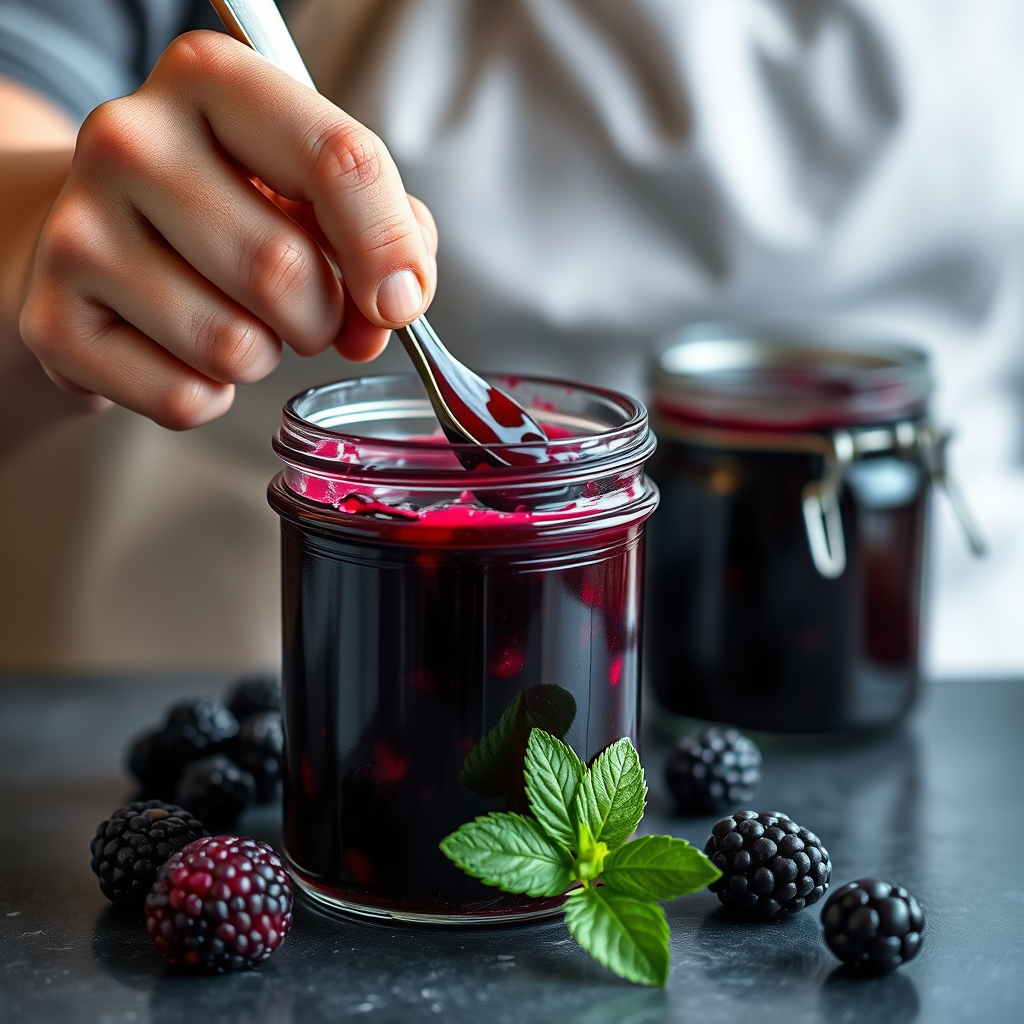
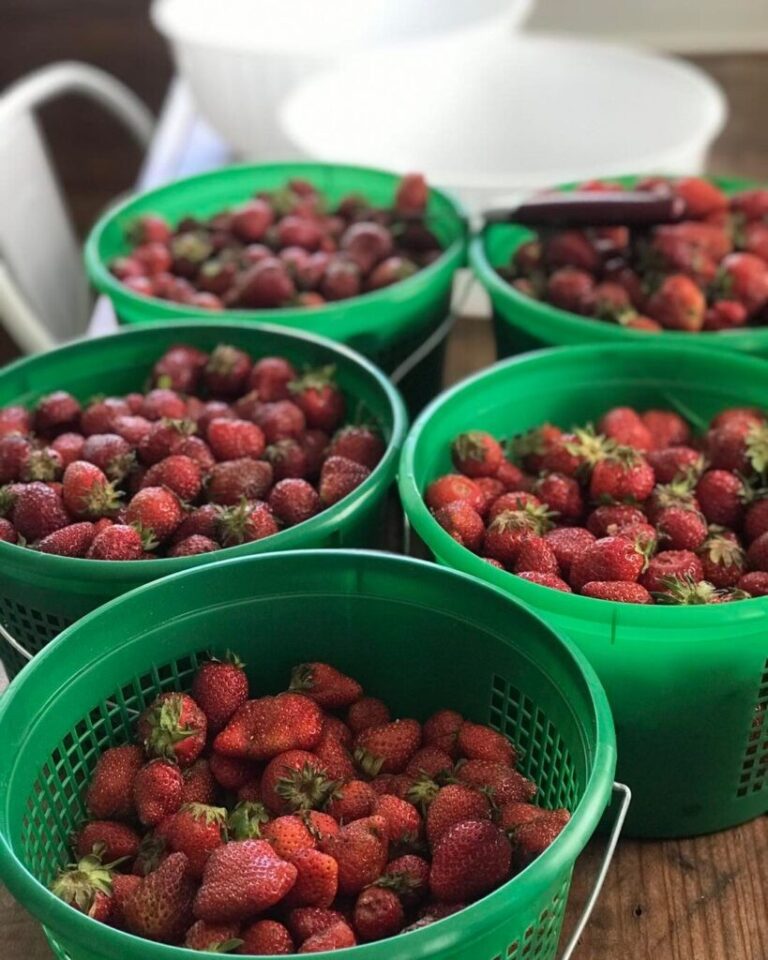
1. Select Your Berries: Choose 4 cups of ripe berries, ensuring they are free from mold and blemishes. Wash them thoroughly under cold water, removing any stems and leaves. For a more complex flavor profile, consider using a combination of berries.
2. Prepare Your Equipment: Sterilize 5 half-pint jars and lids by boiling them in water for 10 minutes. Ensure all utensils, including mixing spoons and measuring cups, are clean to prevent contamination. This crucial step safeguards the longevity and safety of your jam.
3. Cook the Jam Mixture: In a large, heavy-bottomed pot, combine the berries with 1 cup of granulated sugar and 1 tablespoon of lemon juice. Heat over medium until the sugar dissolves, stirring frequently. Once dissolved, bring the mixture to a rolling boil, stirring constantly to prevent burning.
4. Check for Doneness: After about 10-15 minutes of boiling, use a candy thermometer to ensure the mixture reaches 220°F (104°C), indicating it has reached the gel stage. Alternatively, perform the plate test: place a spoonful of jam on a cold plate, let it sit for a minute, and then push it with your finger. If it wrinkles and holds its shape, it’s ready.
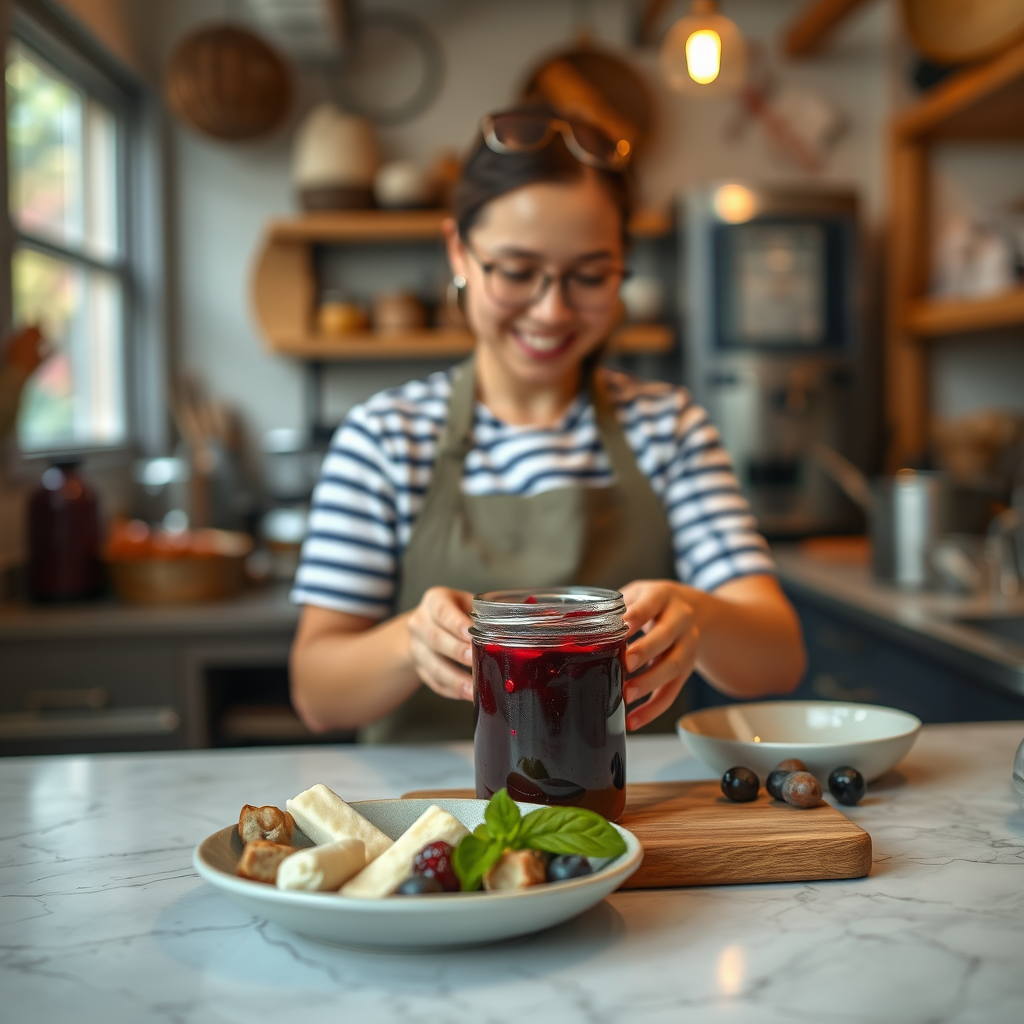
5. Fill the Jars: Carefully pour the hot jam into the sterilized jars, leaving a 1/4-inch headspace at the top. Wipe the rims with a clean cloth to remove any residue, ensuring a proper seal. Place the sterilized lids on top and screw on the metal bands until they are fingertip-tight.
6. Process the Jars: Process the jars in a boiling water bath for 5-10 minutes, ensuring the water covers the jars by at least 1 inch. After processing, remove the jars and let them cool on a clean towel or cooling rack, checking for proper sealing after 24 hours.
Top 7 Berries for Jam Making
| # | Berry Type | Acidity Level | Sugar Content | Flavor Profile |
|---|---|---|---|---|
| 1 | Strawberries | 3.0 | 7.0% | Sweet, Fruity |
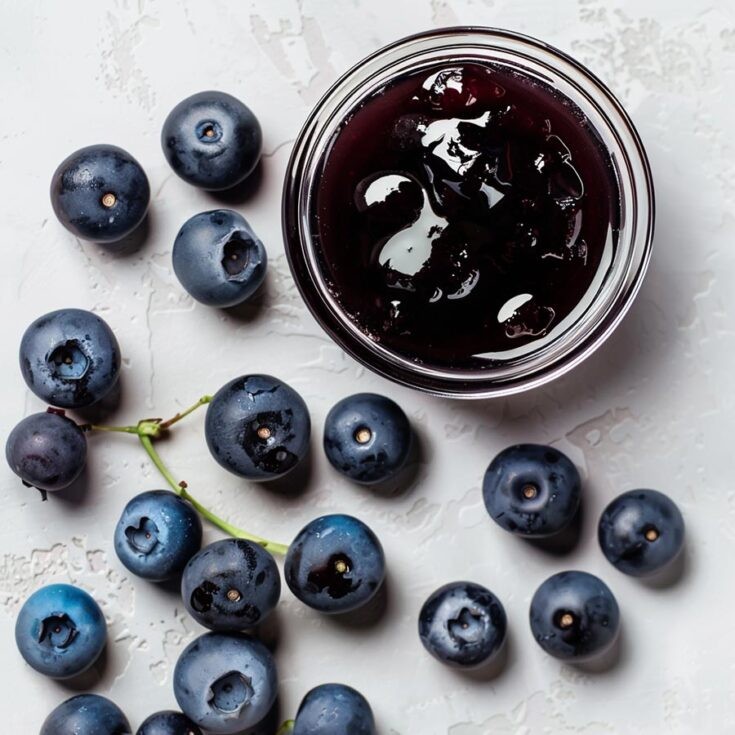
| 2 | Blueberries | 3.2 | 10.0% | Sweet, Earthy |
| 3 | Raspberries | 3.8 | 6.0% | Tart, Sweet |
| 4 | Blackberries | 3.3 | 9.0% | Rich, Sweet |
| 5 | Cranberries | 2.4 | 5.0% | Bitter, Tart |
| 6 | Gooseberries | 3.0 | 8.0% | Tangy, Sweet |
| 7 | Mulberries | 3.0 | 9.0% | Sweet, Juicy |
Warning Signs: When Not to Follow This
Avoid following this protocol if your berries exhibit signs of spoilage, such as soft spots or an off smell, as this can compromise the safety of the jam. Additionally, if you lack access to proper canning equipment—such as a water bath canner or jars specifically designed for canning—do not attempt to preserve the jam, as it could lead to foodborne illness. Maintaining a clean, sanitized workspace is critical; without it, cross-contamination may occur, jeopardizing the safety of your final product.
The Most Common Mistakes (And Their Consequences)
One of the most common errors is using under-ripe or overripe berries, which can result in poor flavor and texture. Under-ripe berries yield a tart jam, while overripe ones can lead to spoilage. Additionally, failing to properly sterilize jars and lids can introduce bacteria, increasing the risk of spoilage or botulism. Always ensure jars are hot and clean before filling. Skipping the boiling water bath processing step can cause unsealed jars, leading to spoilage within weeks. Proper processing is essential for ensuring the jam is shelf-stable for up to a year.
Special Cases That Need a Different Approach
When using low-sugar or no-sugar pectin, adhere to specific guidelines for pectin types to achieve the desired consistency and safety. If you’re making jam from wild berries, such as blackberries or elderberries, ensure you are knowledgeable about the specific varieties, as some may not be safe for consumption and require special handling. For individuals with dietary restrictions, such as those needing low-sugar options, alternative sweeteners can be employed, but expect to make adjustments in quantities and cooking times to achieve the right balance.
When You Need a Professional
If you are uncertain about the safety of certain berries or the canning process, it’s wise to seek guidance from a local extension office or a certified canning expert, especially for unfamiliar or wild berries. If you notice signs of spoilage in your finished product—such as bulging lids or off odors—discard the jam immediately and consult a food safety expert for advice on proper disposal and safety measures. In the event of any allergic reactions or health concerns related to ingredients or canning practices, consult a healthcare professional or nutritionist to ensure your food preservation efforts are safe.
Sources and Further Reading
– Refer to the USDA’s Complete Guide to Home Canning for authoritative guidelines on safe canning practices and food preservation.
– The National Center for Home Food Preservation offers resources on various types of jams, jellies, and preservation techniques.
– Consult the Ball Canning Book for trusted recipes and detailed information on the science of canning, including troubleshooting common issues in home preservation.
Frequently Asked Questions
What ingredients do I need for a basic berry jam recipe?
To make a basic berry jam, you’ll need fresh or frozen berries (such as strawberries, blueberries, or raspberries), granulated sugar, and lemon juice. The sugar acts as a preservative and sweetener, while lemon juice helps balance the flavors and aids in the gelling process.
How do I make berry jam without using pectin?
To make berry jam without pectin, simply mash your berries and combine them with sugar and lemon juice in a saucepan. Cook the mixture over medium heat, stirring frequently until it thickens, which usually takes about 20-30 minutes. This method relies on the natural pectin found in the fruit to achieve the desired consistency.
Why did my berry jam not set properly?
If your berry jam didn’t set, it could be due to insufficient cooking time or not using enough sugar. Ensure that you cook the mixture until it reaches a rolling boil and thickens. Additionally, using under-ripe or overly ripe fruit can affect the pectin levels, impacting the setting process.
What is the best way to store homemade berry jam?
The best way to store homemade berry jam is to keep it in sterilized glass jars with airtight lids. Once cooled, store the jars in the refrigerator for up to three weeks, or you can preserve them through canning to extend shelf life for up to a year when stored in a cool, dark place.
Which berries are best for making jam?
The best berries for making jam include strawberries, blueberries, raspberries, and blackberries, as they all have high sugar content and natural pectin. Each berry offers a unique flavor profile, so you can experiment with combinations to create a jam that perfectly suits your taste preferences.
References
- https://en.wikipedia.org/wiki/Jam
https://en.wikipedia.org/wiki/Jam - https://www.verywellfit.com/how-to-make-berry-jam-5190529
https://www.verywellfit.com/how-to-make-berry-jam-5190529 - https://pubmed.ncbi.nlm.nih.gov/18453005/
https://pubmed.ncbi.nlm.nih.gov/18453005/ - https://www.ncbi.nlm.nih.gov/pmc/articles/PMC6341972/
https://www.ncbi.nlm.nih.gov/pmc/articles/PMC6341972/ - https://scholar.google.com/scholar?q=berry%20jam%20recipe Google Scholar
https://scholar.google.com/scholar?q=berry%20jam%20recipe - https://www.sciencedirect.com/topics/food-science/jam
https://www.sciencedirect.com/topics/food-science/jam - https://www.nytimes.com/2015/08/12/dining/berry-jam-recipe.html
https://www.nytimes.com/2015/08/12/dining/berry-jam-recipe.html - https://scholar.google.com/scholar?q=homemade%20berry%20jam Google Scholar
https://scholar.google.com/scholar?q=homemade%20berry%20jam - https://www.verywellfamily.com/easy-berry-jam-recipe-4178478
https://www.verywellfamily.com/easy-berry-jam-recipe-4178478 - https://scholar.google.com/scholar?q=berry+jam+recipe Google Scholar
https://scholar.google.com/scholar?q=berry+jam+recipe