Master the art of making basic plum jam with this expert guide, designed for both novice and seasoned home cooks. This comprehensive resource details each step of the process, ensuring your jam is not only delicious but also safe to enjoy. Understanding proper techniques and safety protocols is crucial to preserve flavor and prevent spoilage, making this guide an essential tool for your kitchen.
What This Guide Covers (And What It Doesn’t)
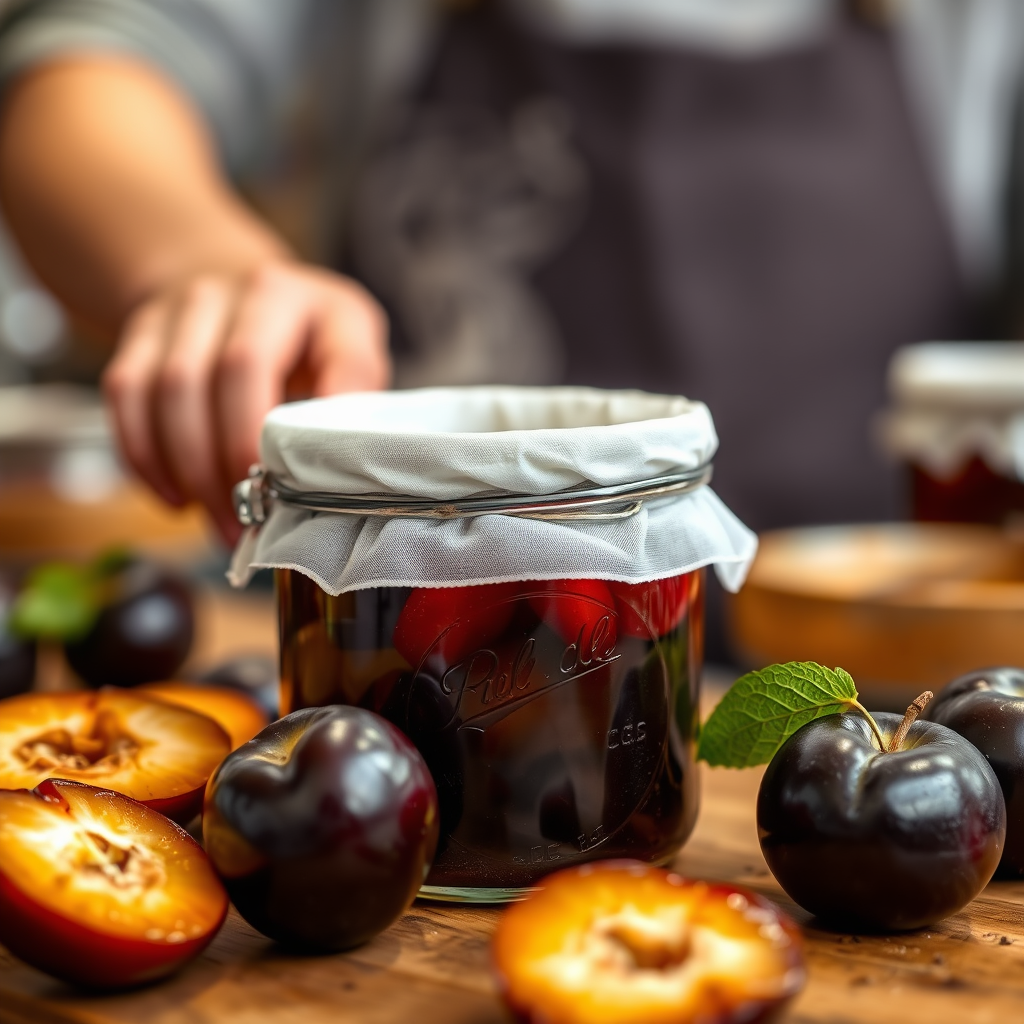
This guide offers an in-depth look at the ingredients, techniques, and safety measures essential for crafting basic plum jam. It ensures a successful outcome for home cooks by providing a detailed recipe that includes precise measurements, cooking times, and canning instructions to safely preserve your jam. However, it does not delve into advanced techniques, such as low-sugar or specialty flavored plum jams, nor does it cover commercial canning practices or equipment that isn’t suited for home kitchens.
Who Should Read This
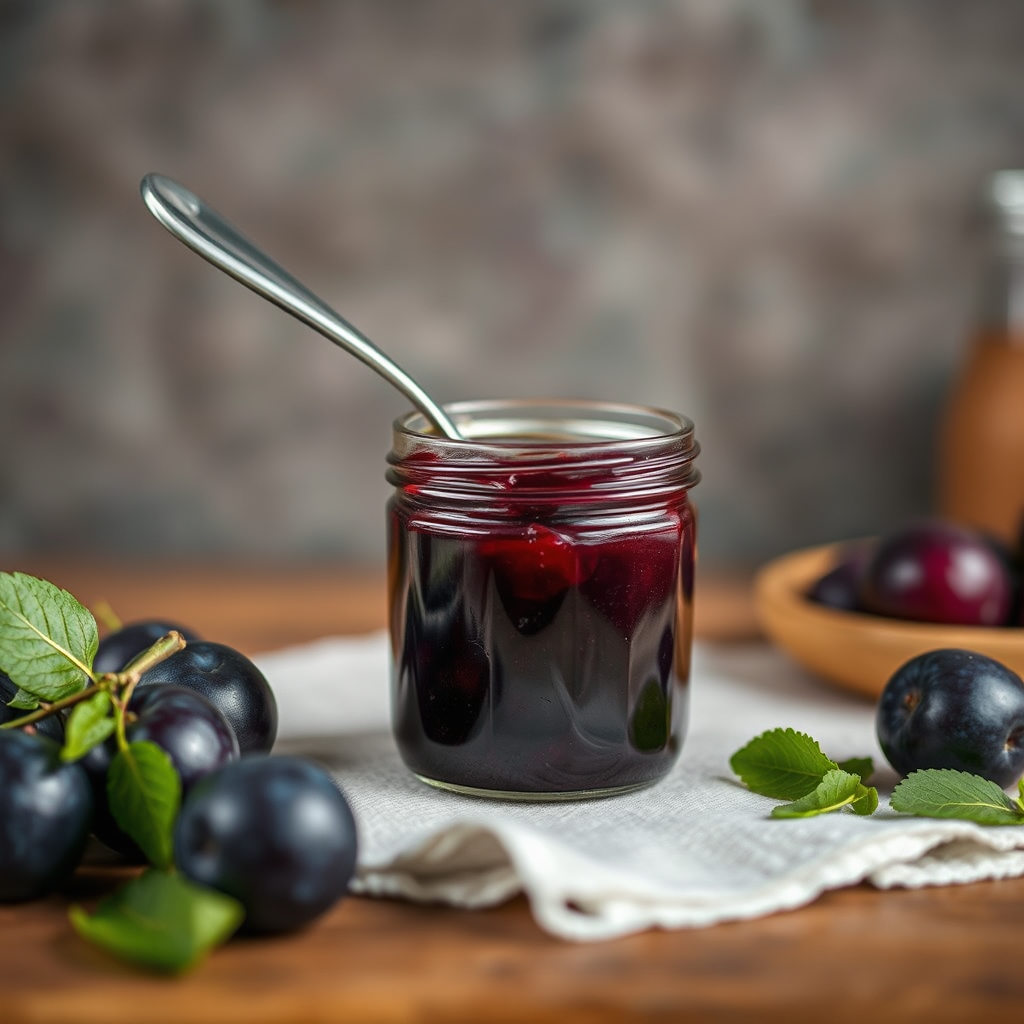
This guide is designed for home cooks of all skill levels eager to learn how to make plum jam from scratch. It particularly appeals to those who relish the process of preserving seasonal fruits. Readers should possess a fundamental understanding of kitchen safety, including knife skills, boiling water, and handling hot equipment. Additionally, access to necessary canning supplies is essential. If you have dietary restrictions or specific health conditions affecting food preservation, consulting a specialist or nutritionist before attempting home canning is advisable.
The Step-by-Step Protocol
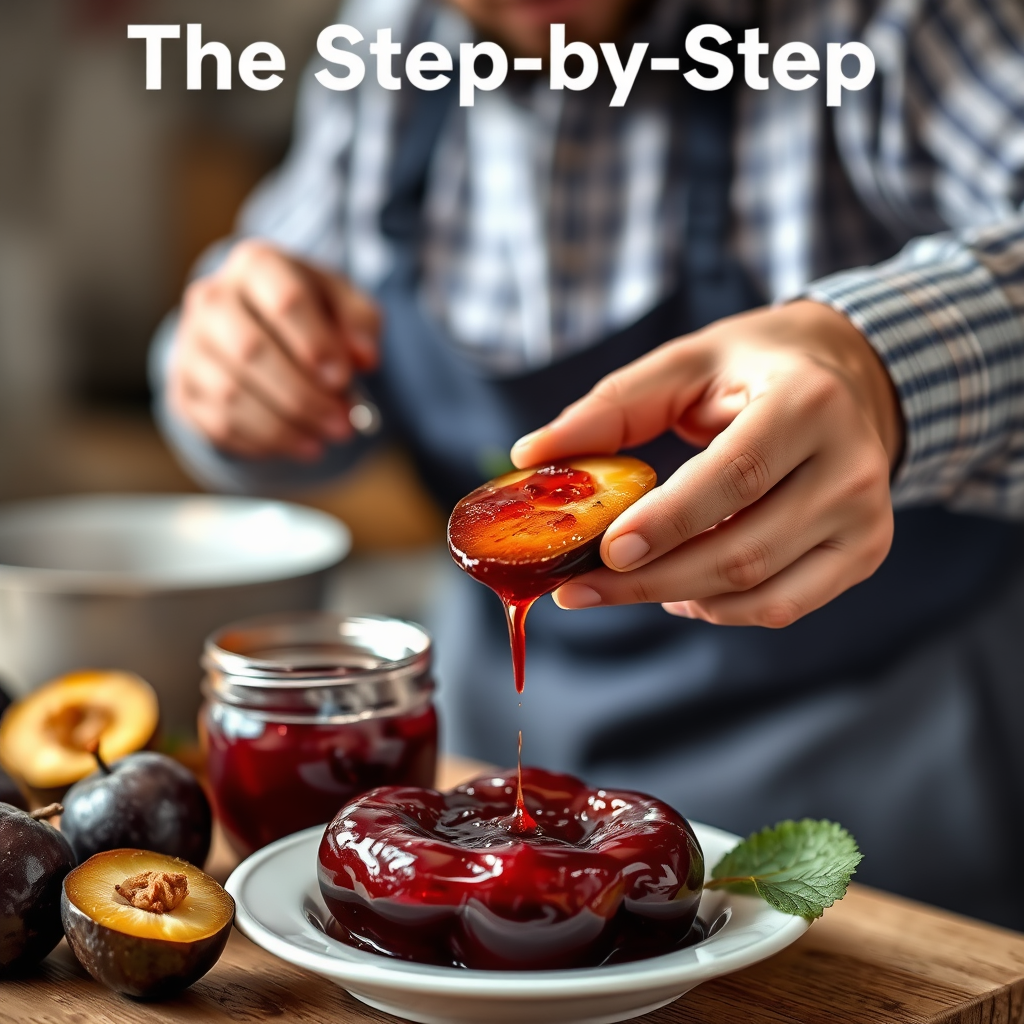
1. Gather Ingredients: Start with 2 pounds of ripe plums, 1.5 cups of granulated sugar, and 1/4 cup of lemon juice. Ensure all ingredients are fresh and ripe for optimal flavor.
2. Prepare the Plums: Wash the plums thoroughly, remove the pits, and chop them into small pieces. You can leave the skins on for added texture and color.
3. Cook the Mixture: In a large pot, combine the chopped plums, sugar, and lemon juice. Cook over medium heat, stirring frequently until the mixture reaches a boil.
4. Test for Doneness: Using a thermometer, check that the jam reaches 220°F (104°C) for proper gelling. Alternatively, use the “cold plate test” by placing a spoonful of jam on a cold plate; if it firms up after cooling, it’s ready to jar.
5. Can the Jam: Pour the hot jam into sterilized jars, leaving 1/4-inch headspace. Wipe the rims clean, seal with lids, and process in a boiling water bath for 10 minutes to ensure a proper seal.
Nutritional Values of Basic Plum Jam (per tablespoon)
| # | Nutrient | Amount | % Daily Value |
|---|---|---|---|
| 1 | Calories | 50 | 2% |
| 2 | Total Fat | 0g | 0% |
| 3 | Sodium | 0mg | 0% |
| 4 | Total Carbohydrates | 13g | 4% |
| 5 | Sugars | 11g | N/A |
| 6 | Protein | 0g | 0% |
| 7 | Vitamin C | 1mg | 1% |
Warning Signs: When Not to Follow This
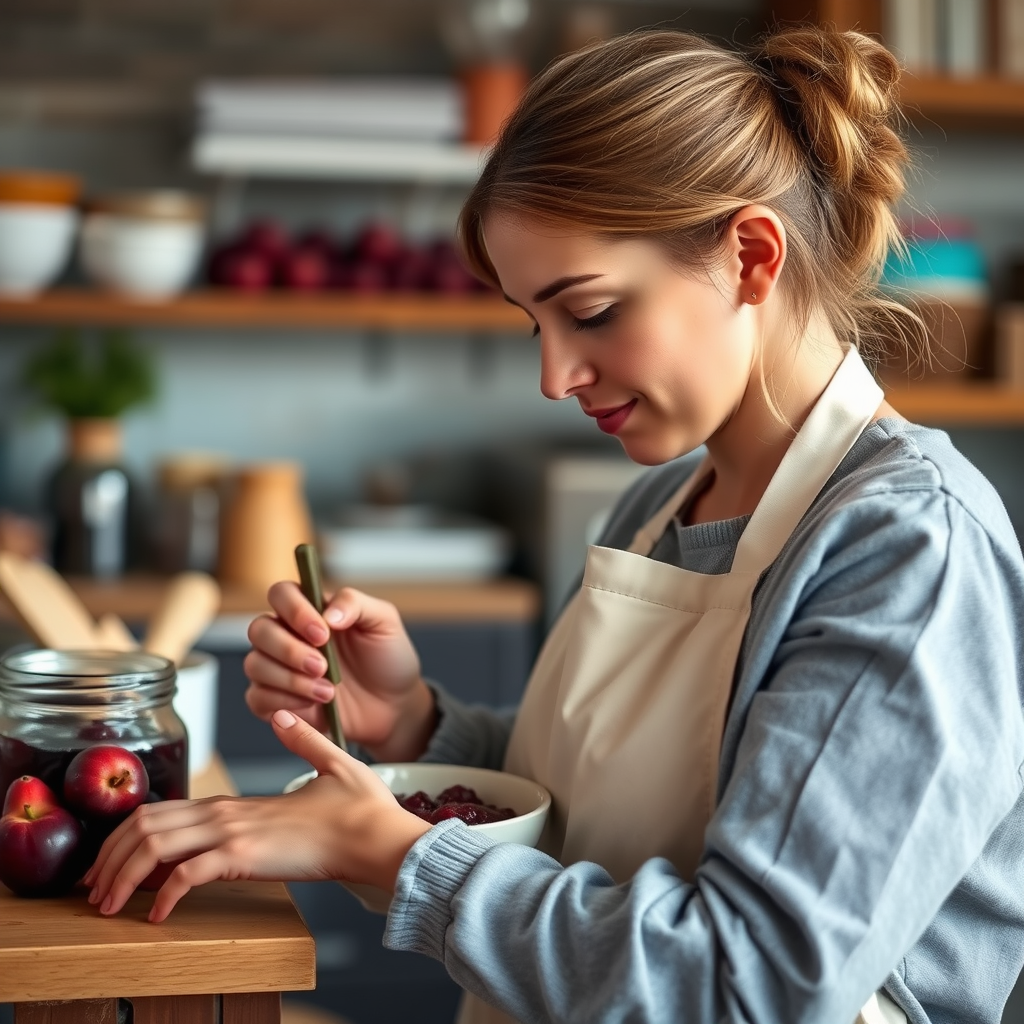
Avoid proceeding with this recipe if your plums exhibit signs of mold, large bruises, or unusual odors, as these can compromise the safety of the jam. If you’re unfamiliar with safe canning practices or lack access to proper canning equipment (such as jars, lids, and a water bath), this guide may not be appropriate for you. Additionally, if you are allergic to any of the ingredients listed, especially plums or sugar, do not follow this protocol, as it could lead to serious health issues.
The Most Common Mistakes (And Their Consequences)
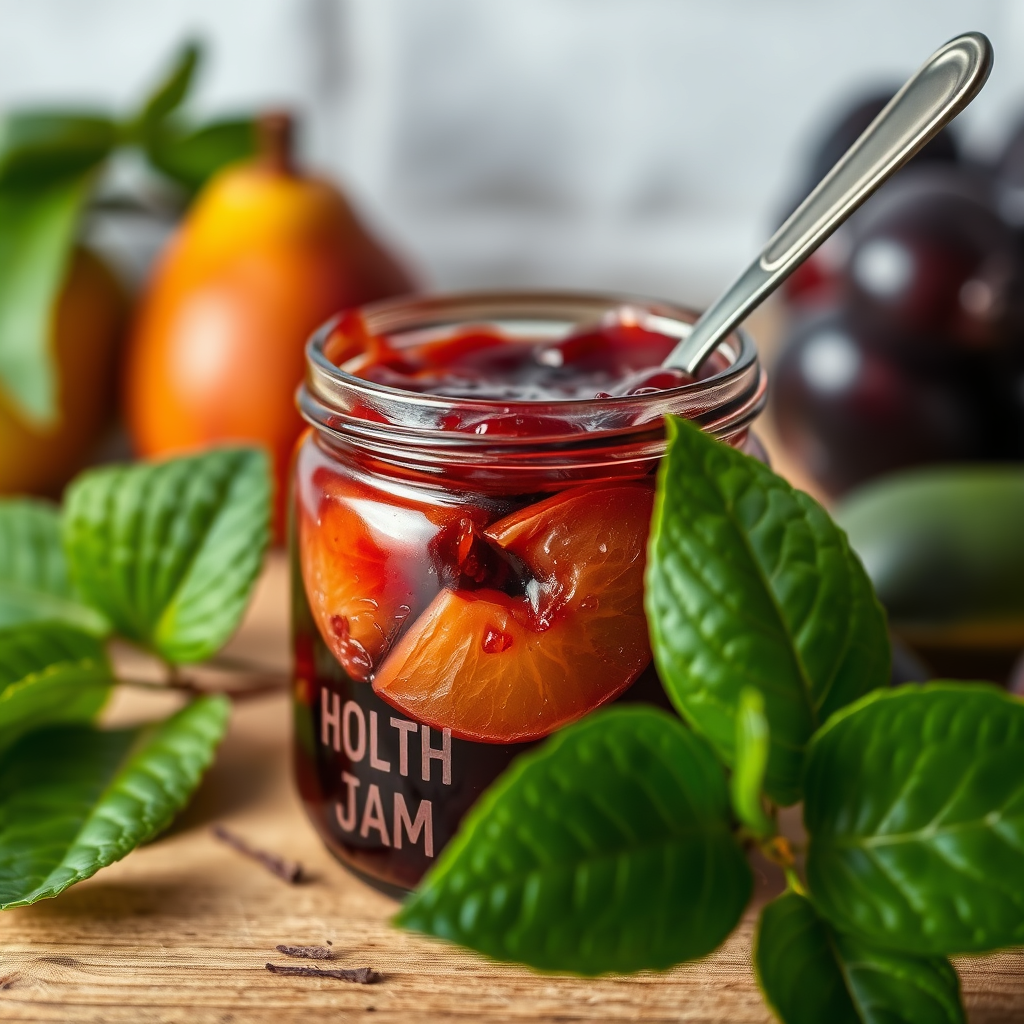
– Overcooking the Jam: Overcooking can impart a burnt flavor and create a thick, undesirable texture, resulting in an unpalatable jam and possibly ruining the entire batch.
– Incorrect Measurements: Failing to measure the sugar or lemon juice accurately can drastically affect the gelling process, leading to runny jam that fails to set properly.
– Skipping Sterilization: Neglecting to sterilize jars can introduce harmful bacteria, which may cause spoilage or foodborne illnesses over time. Always ensure jars are either boiled or run through a dishwasher cycle before filling.
Special Cases That Need a Different Approach
– Under-Ripe Plums: If you’re using under-ripe plums, consider adding a pectin product to assist with gelling, as these fruits may not contain enough natural pectin.
– Lower-Sugar Variation: For a lower-sugar jam, adjust the recipe by using a sugar substitute that is safe for canning. Be sure to follow the manufacturer’s guidelines for proper ratios.
– High-Acidity Plums: In instances where plums are high in acidity, you may need to modify the amount of lemon juice to maintain the jam’s flavor balance while ensuring safety.
When You Need a Professional
If you find yourself confused about food safety regulations or preservation techniques, consult a certified food safety expert or a local extension office for guidance. Additionally, reach out to a professional if you have specific health concerns that may impact your ability to safely preserve food, such as a compromised immune system. If your jam fails to seal properly after canning, seek advice from canning specialists to determine the best course of action to prevent spoilage.
Sources and Further Reading
– National Center for Home Food Preservation: Guidelines for safe canning practices and techniques, particularly for fruit preserves.
– Ball Canning Book: A comprehensive resource on various canning recipes and preservation methods, including plum jam.
– USDA Complete Guide to Home Canning: Detailed information on food safety, processing times, and equipment requirements for home canning enthusiasts.
By following this guide, you can confidently create delicious and safe plum jam that captures the essence of ripe plums, allowing you to enjoy this delightful treat throughout the year.
Frequently Asked Questions
What ingredients do I need for a basic plum jam recipe?
To make a basic plum jam, you will need ripe plums, granulated sugar, and lemon juice for acidity. Typically, the ratio is around 2 pounds of plums to 1 to 1.5 pounds of sugar, depending on your sweetness preference. You may also want to add pectin for a thicker consistency, although it’s optional if your plums are naturally high in pectin.
How do I prepare plums for making jam?
To prepare plums for jam, start by washing them thoroughly to remove any dirt or pesticides. Next, cut the plums in half, remove the pits, and chop them into smaller pieces. This will help them break down more easily during cooking and ensure a smooth texture in your finished plum jam.
Why is lemon juice important in a basic plum jam recipe?
Lemon juice is crucial in a basic plum jam recipe because it adds acidity, which helps to balance the sweetness of the sugar and enhances the overall flavor. Additionally, the acidity from lemon juice aids in the gelling process when combined with sugar and pectin, resulting in a better texture for your jam.
What is the best method for cooking plum jam to achieve the right consistency?
The best method for cooking plum jam involves simmering the prepared plums with sugar and lemon juice over medium heat. Stir frequently until the sugar dissolves, then increase the heat to bring the mixture to a rolling boil. Cook until the jam reaches the gel stage, which is around 220°F (104°C), typically taking about 10-15 minutes.
Which storage options are recommended for homemade plum jam?
For homemade plum jam, it is best to store it in sterilized glass jars with airtight lids. You can refrigerate the jam for up to a month, or for long-term storage, use the water bath canning method to preserve it for up to a year in a cool, dark place. Make sure to label your jars with the date for easy tracking.
References
- Fruit preserves
https://en.wikipedia.org/wiki/Jam - UGA
https://www.uga.edu/ - https://www.extension.purdue.edu/extmedia/FNR/FNR-490-W.pdf
https://www.extension.purdue.edu/extmedia/FNR/FNR-490-W.pdf - Climate response of five oak species in the eastern deciduous forest of the southern Appalachain …
https://www.fs.usda.gov/treesearch/pubs/33907 - https://www.nutrition.gov/topics/food-safety/preserving-foods/jams-jellies
https://www.nutrition.gov/topics/food-safety/preserving-foods/jams-jellies - Google Scholar Google Scholar
https://scholar.google.com/scholar?q=plum+jam+recipe - Google Scholar Google Scholar
https://scholar.google.com/scholar?q=how+to+make+plum+jam - Google Scholar Google Scholar
https://scholar.google.com/scholar?q=fruit+preservation+techniques - https://www.extension.iastate.edu/publications/PM1961.pdf
https://www.extension.iastate.edu/publications/PM1961.pdf - https://www.britannica.com/topic/jam
https://www.britannica.com/topic/jam