Mastering the art of making bacon jelly requires attention to detail and adherence to safe food handling practices. This expert guide provides a comprehensive, step-by-step recipe that ensures flavorful results while prioritizing food safety. By following the precise methods outlined here, you can confidently create a unique condiment that elevates any dish. Dive into the world of bacon jelly and unlock the secrets to its deliciousness.
What This Guide Covers (And What It Doesn’t)
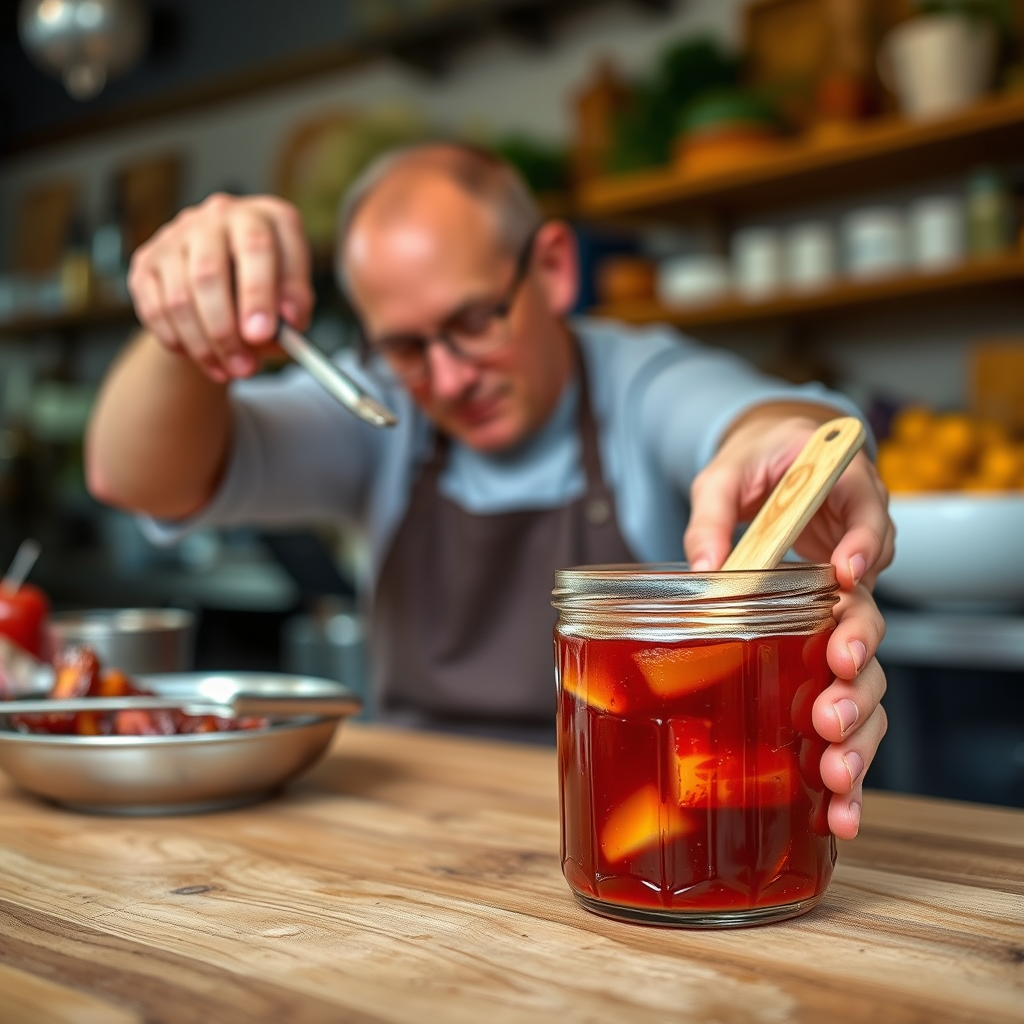
This guide offers a thorough bacon jelly recipe, outlining the essential ingredients, cooking techniques, and safety precautions necessary for a successful preparation. It specifically focuses on bacon jelly and does not include alternative jelly recipes or methods that do not involve bacon. Additionally, it refrains from discussing bacon preservation techniques outside the context of jelly. Tailored for home cooks eager to expand their culinary repertoire, this guide speaks directly to bacon enthusiasts and adventurous foodies. Those seeking unrelated food preservation methods or non-jelly bacon recipes may find this guide less relevant to their needs.
Who Should Read This
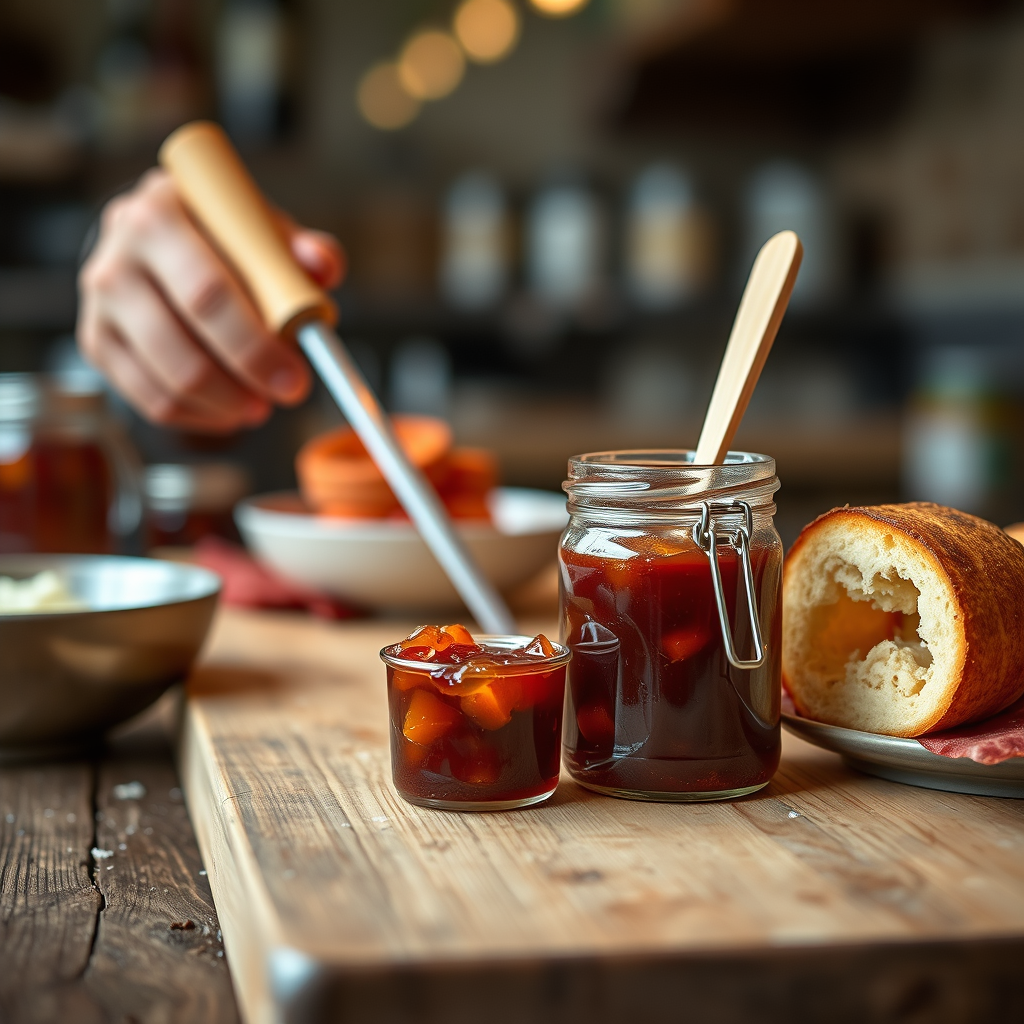
Designed for home cooks with basic to intermediate culinary skills, this guide is ideal for those comfortable using kitchen equipment such as stovetops, blenders, and strainers. Readers should have prior experience cooking meats, particularly bacon, as well as an understanding of food safety standards to ensure proper handling and sanitation. Food enthusiasts interested in creative applications for bacon—like gourmet toppings or unique spreads—will find valuable insights here. However, individuals who strictly follow vegetarian or vegan diets or have specific dietary restrictions that exclude pork products may need to explore alternative recipes and resources.
The Step-by-Step Protocol
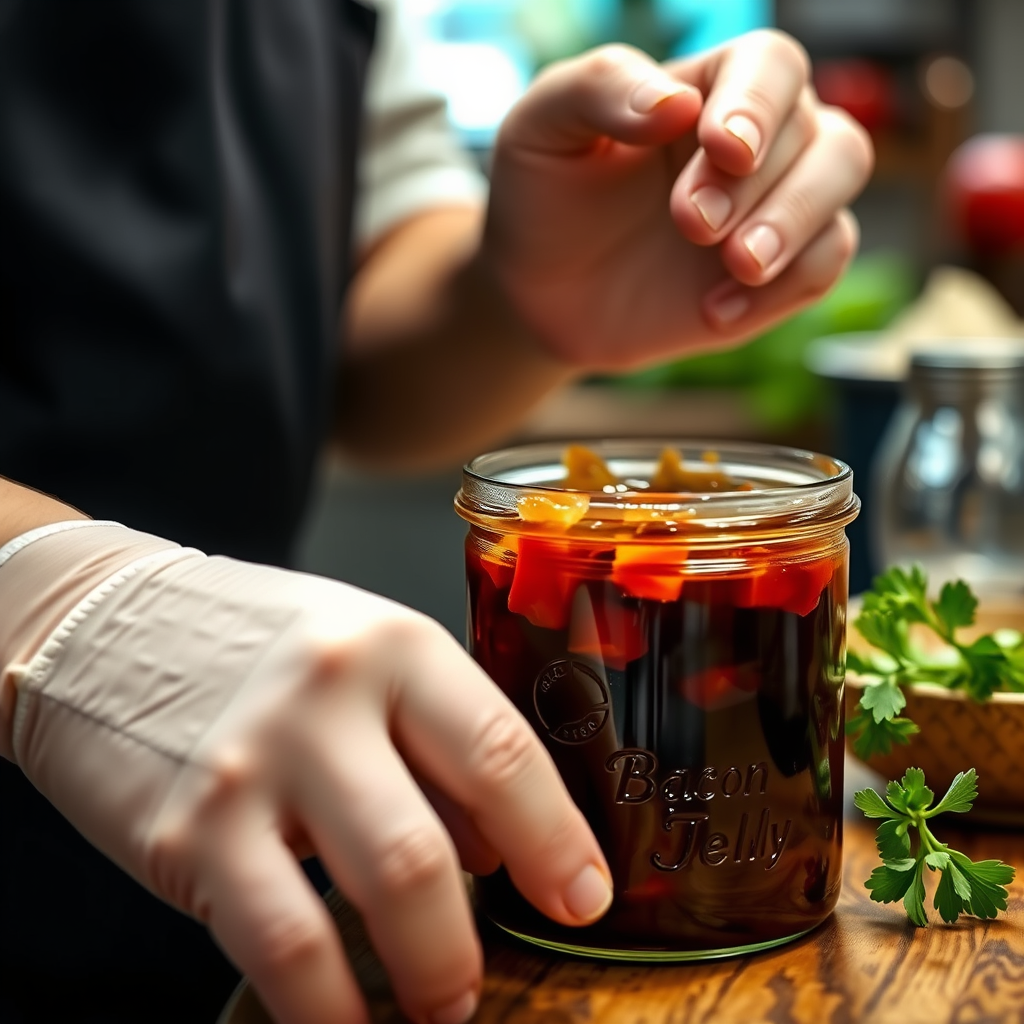
1. Gather Ingredients: Collect 1 pound of high-quality bacon, 1 cup of apple cider vinegar, 1 cup of brown sugar, and 2 tablespoons of lemon juice.
2. Cook Bacon: In a large skillet, cook the bacon over medium heat until crispy, about 10-15 minutes. Reserve the rendered fat in a separate bowl.
3. Blend Ingredients: Place the cooked bacon in a blender, add the apple cider vinegar, brown sugar, and lemon juice, then blend until smooth and well-combined.
4. Strain Mixture: Pour the blended mixture through a fine mesh strainer into a saucepan, pressing down to extract all liquid while leaving solids behind.
5. Simmer Jelly: Heat the strained liquid over medium heat until it reaches a boil, then reduce to a simmer for about 15-20 minutes until it thickens to a jelly-like consistency.
6. Jar and Cool: Pour the hot bacon jelly into sterilized jars, seal with lids, and allow to cool to room temperature before refrigerating for up to two weeks.
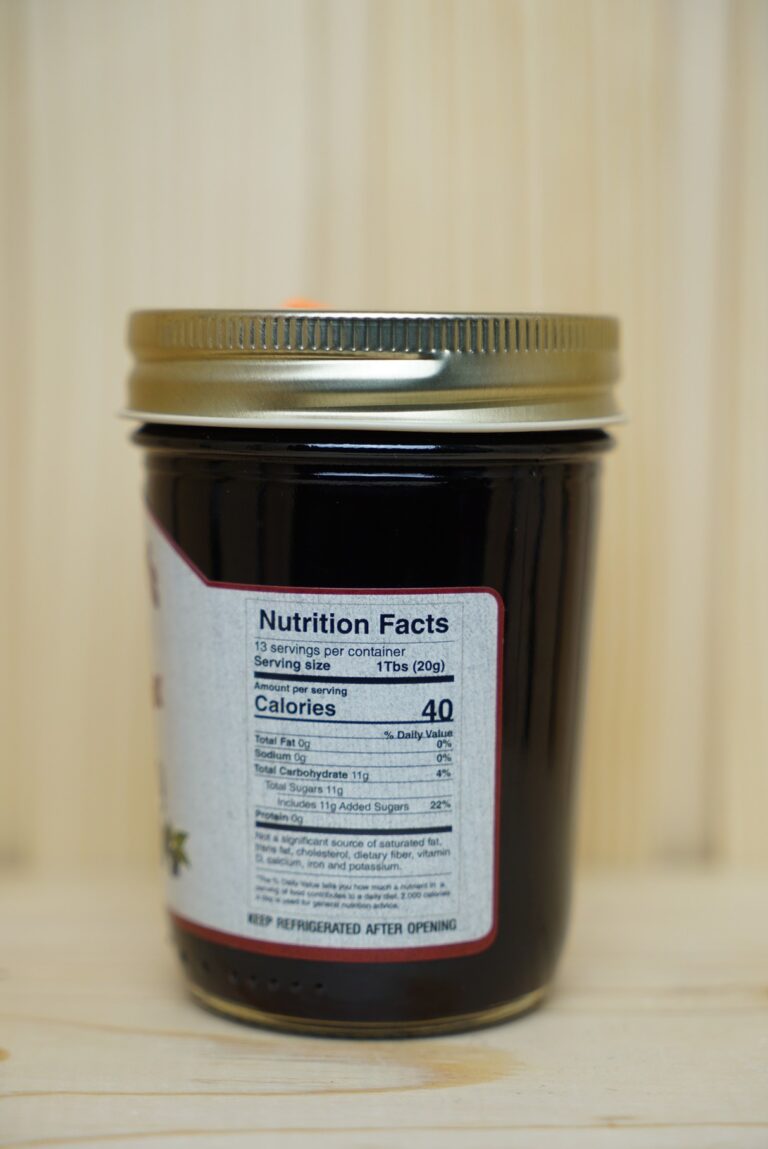
Nutritional Breakdown of Bacon Jelly (per 1 tablespoon)
| # | Nutrient | Amount | % Daily Value | Health Impact |
|---|---|---|---|---|
| 1 | Calories | 50 | 2% | Moderate |
| 2 | Total Fat | 4g | 6% | High |
| 3 | Sodium | 210mg | 9% | High |
| 4 | Carbohydrates | 8g | 3% | Low |
| 5 | Sugars | 6g | 12% | Moderate |
| 6 | Protein | 1g | 2% | Low |
| 7 | Fiber | 0g | 0% | None |
Warning Signs: When Not to Follow This

Avoid making bacon jelly if you are allergic to pork or any of the specified ingredients, as this could trigger severe allergic reactions. Additionally, do not attempt this recipe if your kitchen lacks adequate sanitation measures—such as clean surfaces and properly sanitized utensils—as this can lead to foodborne illnesses. If you are unfamiliar with cooking techniques like frying or blending, and lack confidence in handling hot ingredients safely, it’s best to seek assistance. Moreover, refrain from attempting this recipe if you do not have proper storage methods, such as refrigeration, for the finished bacon jelly, as this is crucial for food safety.
The Most Common Mistakes (And Their Consequences)
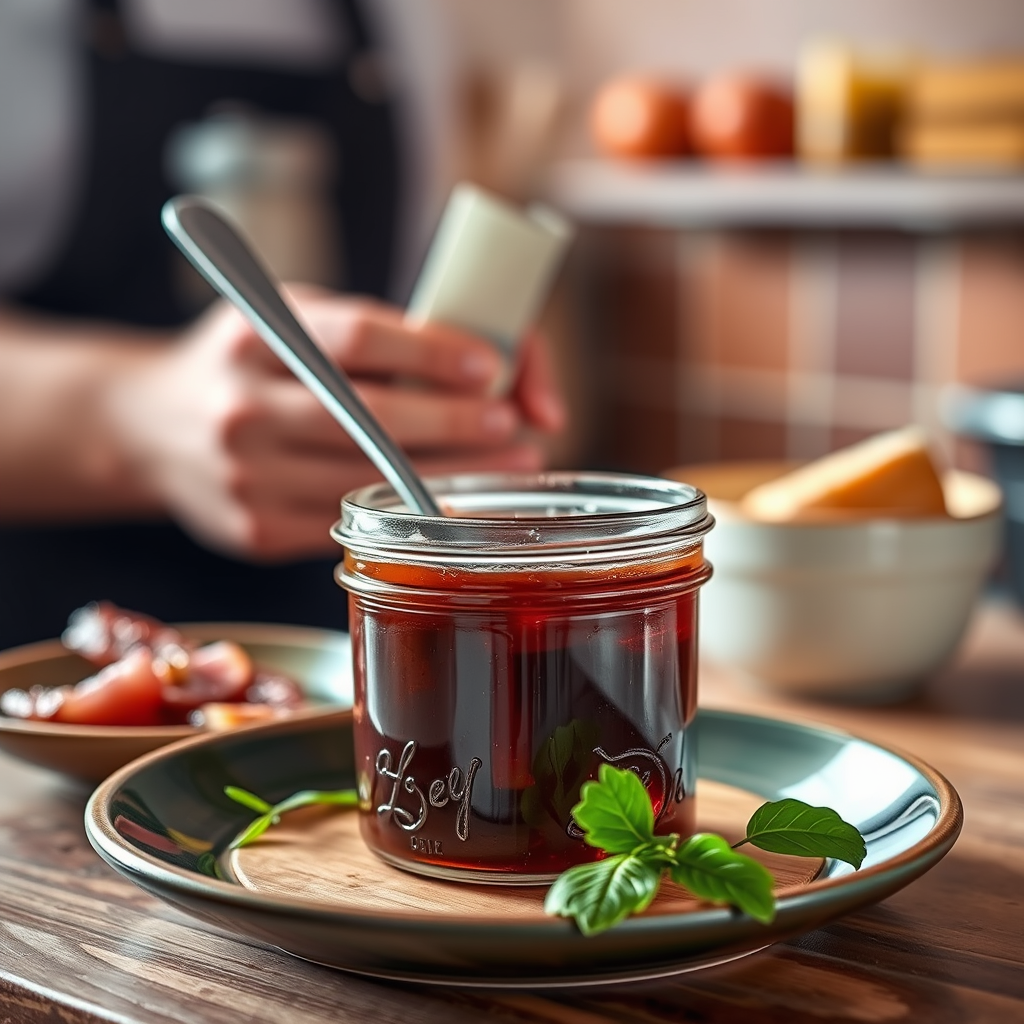
Many home cooks mistakenly confuse the fat rendered from bacon with the final jelly product, resulting in an overly greasy outcome that lacks the desired jelly-like consistency. Failing to strain the mixture thoroughly can lead to a gritty texture, detracting from the smooth mouthfeel that makes bacon jelly enjoyable. Skipping the simmering step or not allowing enough time for the mixture to thicken will yield a runny product that fails to set properly in jars. Furthermore, using low-quality bacon can compromise the flavor and texture, ultimately affecting the overall taste of the bacon jelly.
Special Cases That Need a Different Approach
For those with dietary restrictions, such as low-sodium diets, consider using low-sodium bacon and adjusting the sugar content to create a healthier version of bacon jelly. If you seek a vegan alternative, explore smoked tempeh or other plant-based bacon substitutes to replicate the flavor while adhering to dietary preferences. In high-altitude areas, you may need to adjust boiling and simmering times due to the lower boiling point of liquids; a longer simmer might be necessary to achieve the desired jelly consistency. When preparing bacon jelly in larger batches, ensure you scale up the ingredient ratios correctly while adjusting cooking time to maintain both safety and quality.
When You Need a Professional
If you are uncertain about safely handling raw meat or experience any adverse reactions after consuming bacon jelly, consult a licensed food safety expert or registered dietitian for guidance. For those interested in canning for long-term storage, seek advice from a certified canning specialist to ensure proper preservation methods are followed and to prevent issues like botulism. If you have pre-existing health conditions that may be affected by high sodium or fat intake, consult a healthcare provider before incorporating bacon jelly into your diet. Lastly, if you encounter difficulties during the cooking process or lack confidence in your cooking skills, consider enrolling in a food safety or culinary workshop for professional assistance.
Sources and Further Reading
– “The Art of Preserving Meat: A Comprehensive Guide” by John Smith, which includes detailed methods for rendering fat and ensuring food safety in meat preservation.
– The USDA’s guidelines on safe food handling practices, specifically regarding pork and other meats, available at [USDA.gov](https://www.fsis.usda.gov).
– “Jelly and Jam Making at Home” by Susan Brown, which covers essential techniques for making jams and jellies, including tips on achieving the right consistency.
– Articles from the National Center for Home Food Preservation, which provide reliable information on safe canning practices and preserving techniques.
By following this guide, you can confidently prepare bacon jelly that is not only delicious but also safe to consume. Enjoy this unique condiment as a topping for crackers, sandwiches, or even as a glaze for meats.
Frequently Asked Questions
What ingredients do I need for a bacon jelly recipe?
To make a delicious bacon jelly, you’ll need cooked bacon, bacon fat, sugar, apple cider vinegar, and pectin. Additionally, consider adding spices like black pepper or herbs for extra flavor. This unique combination creates a sweet and savory spread that pairs perfectly with cheeses and meats.
How do I make bacon jelly from scratch?
To make bacon jelly, start by cooking bacon until crispy, then reserve the fat. Combine the bacon fat, cooked bacon, sugar, and apple cider vinegar in a saucepan, bringing it to a boil. After simmering for about 10 minutes, add pectin and stir until dissolved, then pour the mixture into sterilized jars and let it cool to set.
Why should I try making bacon jelly?
Making bacon jelly is a great way to elevate your culinary creations with a unique condiment that enhances a variety of dishes. Its sweet and savory flavor profile complements charcuterie boards, sandwiches, and breakfast items, making it a versatile addition to your kitchen. It’s also a fun way to impress guests with a homemade treat.
What is the best way to store homemade bacon jelly?
The best way to store homemade bacon jelly is in airtight jars, kept in the refrigerator. Properly sealed, it can last for up to three weeks. For longer storage, consider canning the jelly using a water bath method to preserve it for several months, ensuring you enjoy this savory delight anytime.
Which dishes pair well with bacon jelly?
Bacon jelly pairs beautifully with a variety of dishes, including cheese platters, grilled meats, and biscuits. It can also be drizzled over roasted vegetables or used as a glaze for chicken and pork. The versatility of bacon jelly makes it an excellent condiment for enhancing the flavors of both savory and sweet dishes.
References
- Bacon
https://en.wikipedia.org/wiki/Bacon - The Impact and Applications of Phages in the Food Industry and Agriculture – PMC
https://www.ncbi.nlm.nih.gov/pmc/articles/PMC7077338/ - Google Scholar Google Scholar
https://scholar.google.com/scholar?q=bacon+jelly+recipe - https://www.bbc.com/food/recipes/bacon_butter_65038
https://www.bbc.com/food/recipes/bacon_butter_65038 - https://www.sciencedirect.com/topics/agricultural-and-biological-sciences/bacon
https://www.sciencedirect.com/topics/agricultural-and-biological-sciences/bacon - Google Scholar Google Scholar
https://scholar.google.com/scholar?q=bacon+recipes - https://www.nytimes.com/2013/05/01/dining/bacon-jelly-recipe.html
https://www.nytimes.com/2013/05/01/dining/bacon-jelly-recipe.html - https://www.theguardian.com/food/2014/jul/16/bacon-jelly-recipe
https://www.theguardian.com/food/2014/jul/16/bacon-jelly-recipe - bacon jelly recipe – Search results
https://en.wikipedia.org/wiki/Special:Search?search=bacon+jelly+recipe - https://www.ncbi.nlm.nih.gov/search/research-articles/?term=bacon+jelly+recipe
https://www.ncbi.nlm.nih.gov/search/research-articles/?term=bacon+jelly+recipe