Learn how to safely make apricot jelly with this complete expert guide, designed for both novice and experienced cooks. This comprehensive resource covers essential techniques, ingredient selection, and safety protocols to ensure your jelly not only tastes delicious but is also safely prepared. Following these proven steps will help you avoid common pitfalls and achieve a perfect batch every time.
What This Guide Covers (And What It Doesn’t)
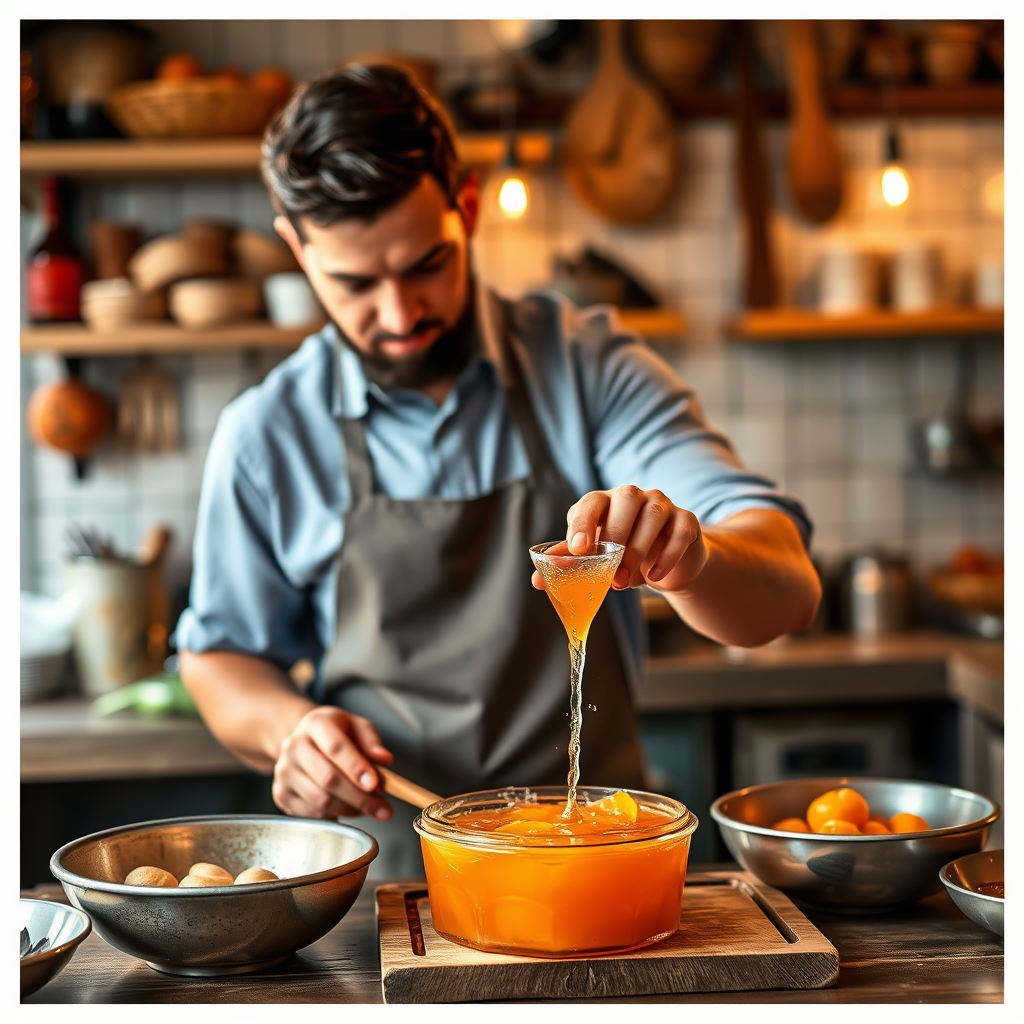
This guide offers a thorough, step-by-step recipe for crafting apricot jelly, detailing ingredient quantities, cooking times, and the necessary equipment to achieve a safe and delicious result. Focusing exclusively on traditional apricot jelly made from fresh apricots, sugar, and pectin, it does not delve into alternative fruit jellies or preservation methods outside of canning. Readers will also learn about safe canning practices, including sterilization techniques and proper sealing methods, ensuring their jelly is safe for consumption. However, troubleshooting common jelly-making issues, such as cloudiness or failure to set, will be addressed in the common mistakes section.
Who Should Read This
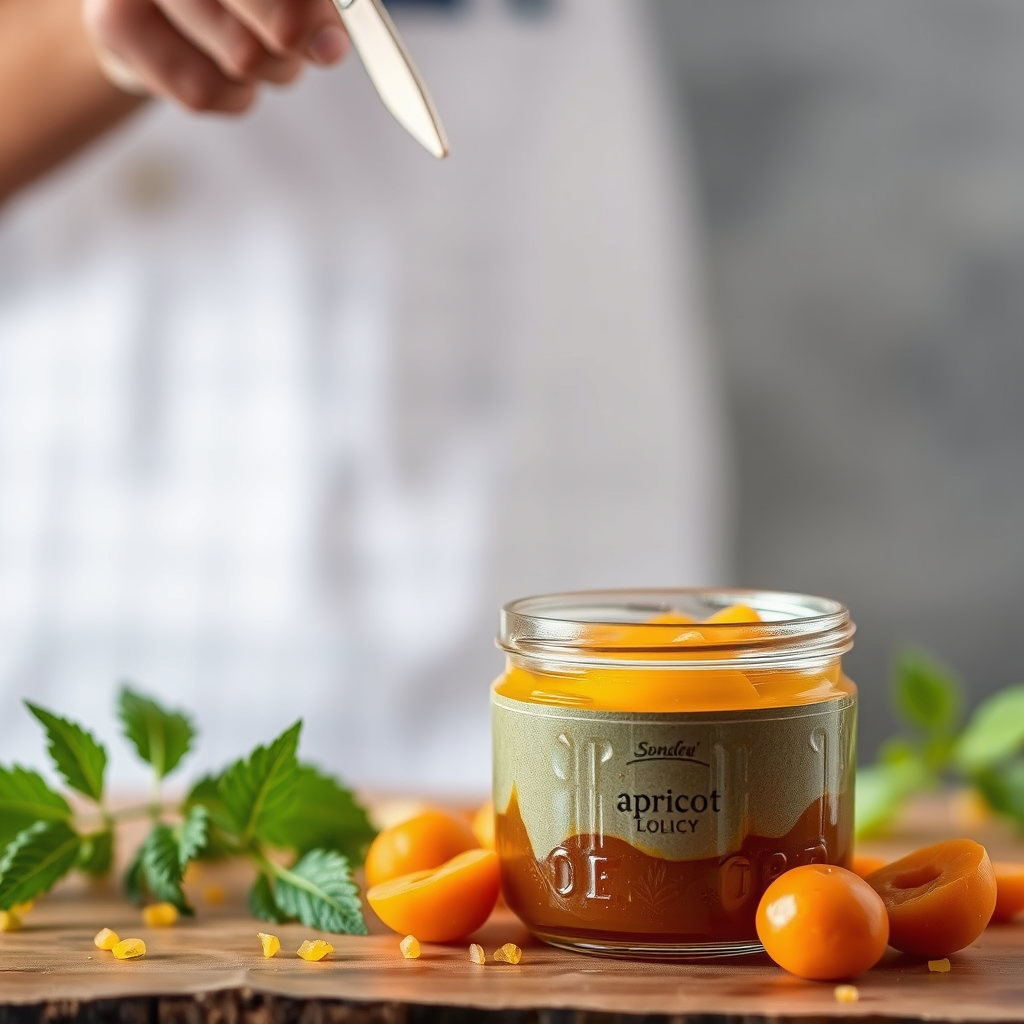
This guide is designed for home cooks who possess a basic understanding of kitchen safety and cooking techniques, especially those interested in fruit preservation and jelly making. It is particularly suited for individuals with prior canning experience or those who have made fruit preserves before and seek to refine their skills specifically for apricot jelly. While beginners are welcome, they should be prepared to follow detailed instructions and safety guidelines closely to achieve optimal results. Those looking for quick jelly-making tips or who prefer commercial products may find this guide less relevant, as it emphasizes the meticulous process of making jelly at home.
The Step-by-Step Protocol
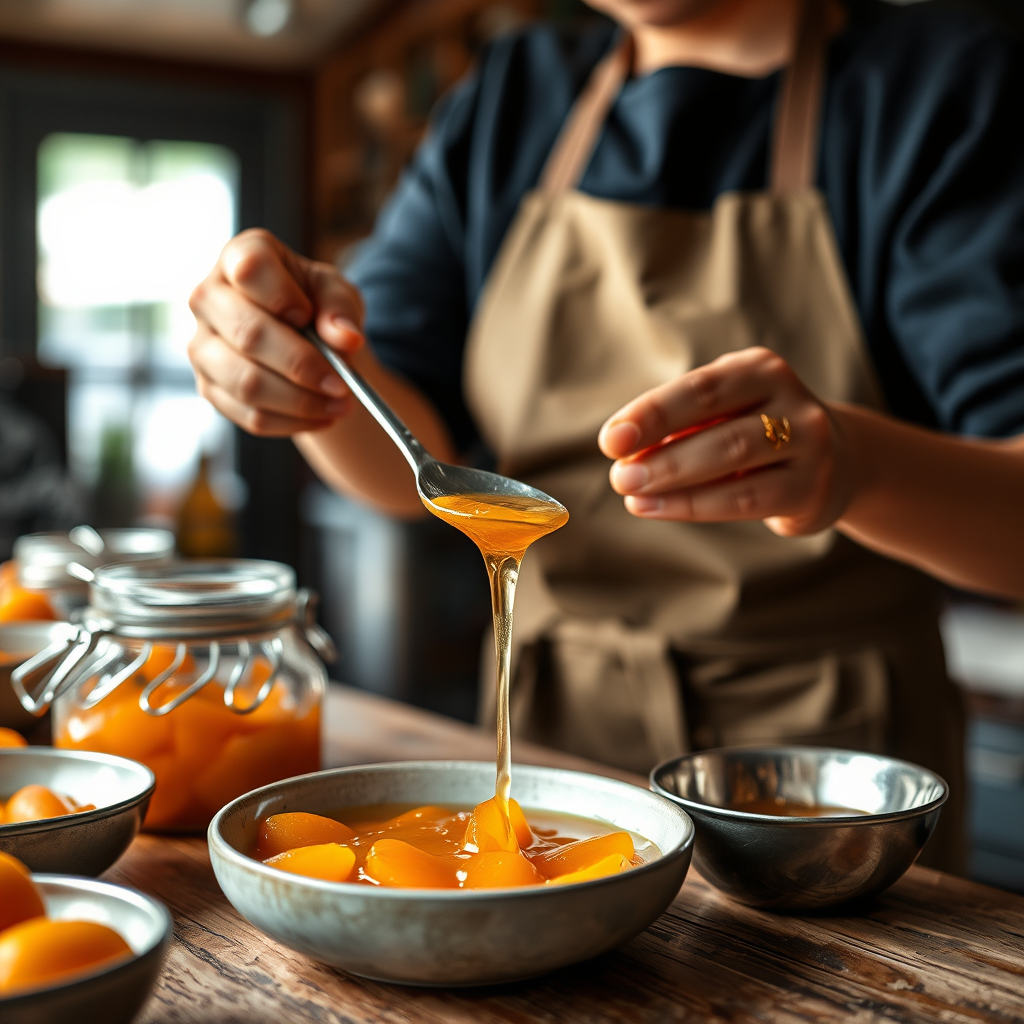
1. Ingredients and Preparation: Gather 2 pounds of ripe apricots, 5 cups of granulated sugar, 1 package (1.75 oz) of fruit pectin, and 1 cup of water. Wash and thoroughly pit the apricots, then chop them into small pieces.
2. Cooking the Apricots: In a large pot, combine the chopped apricots and 1 cup of water. Bring to a boil over medium heat, mashing the fruit lightly as it cooks. Simmer for 10 minutes to extract the juice.
3. Straining the Mixture: Pour the apricot mixture through a fine mesh strainer or cheesecloth into a large bowl, pressing down to extract as much liquid as possible. You should have about 4 cups of juice.
4. Making the Jelly: In a clean pot, combine the apricot juice and pectin. Bring to a rolling boil, stirring constantly. Gradually add the sugar, stirring until fully dissolved, and boil for an additional minute. Remove from heat and skim any foam off the top.
5. Canning the Jelly: Sterilize your canning jars and lids by placing them in boiling water for 10 minutes. Fill the jars with the hot jelly, leaving a 1/4 inch headspace. Wipe the rims with a clean cloth to ensure a tight seal. Place the lids on the jars and screw on the bands until fingertip-tight.
6. Processing the Jars: Process the jars in a boiling water bath for 5 to 10 minutes (adjust based on altitude). Ensure that the water covers the jars by at least an inch. After processing, remove the jars and let them cool on a clean cloth or a cooling rack.
7. Testing Seals and Storing: Once cooled, check that the jars have sealed properly by pressing the center of the lid; it should not pop back. Store the sealed jars in a cool, dark place. Unsealed jars can be refrigerated and used within a few weeks.
Apricot Jelly Nutritional Information
| # | Nutrient | Per 1 Tbsp (20g) | % Daily Value |
|---|---|---|---|
| 1 | Calories | 50 | 2% |
| 2 | Total Fat | 0g | 0% |
| 3 | Sodium | 5mg | 0% |
| 4 | Total Carbohydrates | 13g | 5% |
| 5 | Sugars | 12g | 23% |
| 6 | Protein | 0g | 0% |
| 7 | Vitamin C | 1mg | 2% |
| 8 | Calcium | 1mg | 0% |
| 9 | Iron | 0mg | 0% |
| 10 | Potassium | 20mg | 0% |
Warning Signs: When Not to Follow This
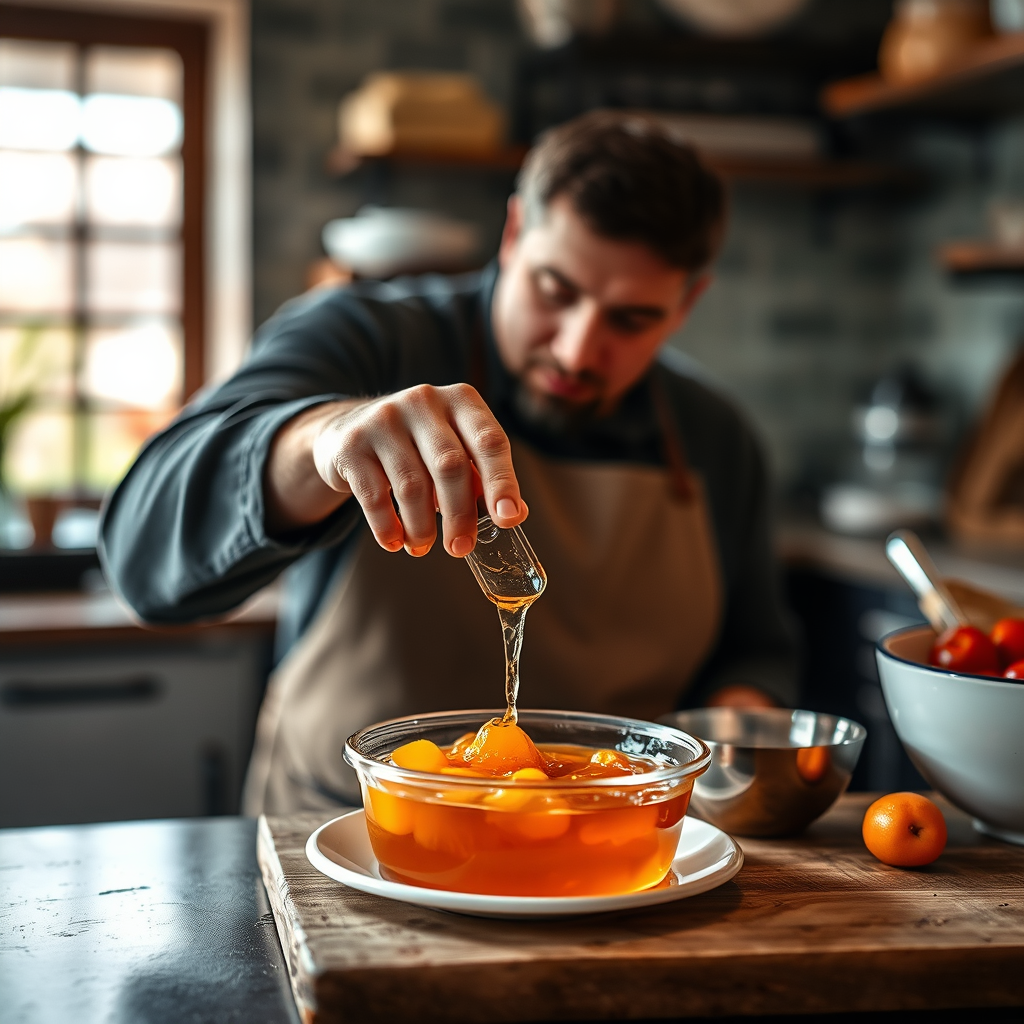
Avoid making apricot jelly if you notice any signs of spoilage on the fruit, such as mold, off-smells, or an overly soft texture; these can compromise the safety and quality of the jelly. Do not attempt this recipe without proper canning equipment, including a water bath canner, jars, and lids designed for preserving; improper sealing can lead to foodborne illnesses. If you are unfamiliar with or uncomfortable following food safety guidelines, such as sterilizing jars or adhering to processing times, it’s wise to reconsider proceeding without proper guidance or assistance. Additionally, individuals with allergies to pectin or high sugar content should consult a dietary expert before attempting this recipe.
The Most Common Mistakes (And Their Consequences)
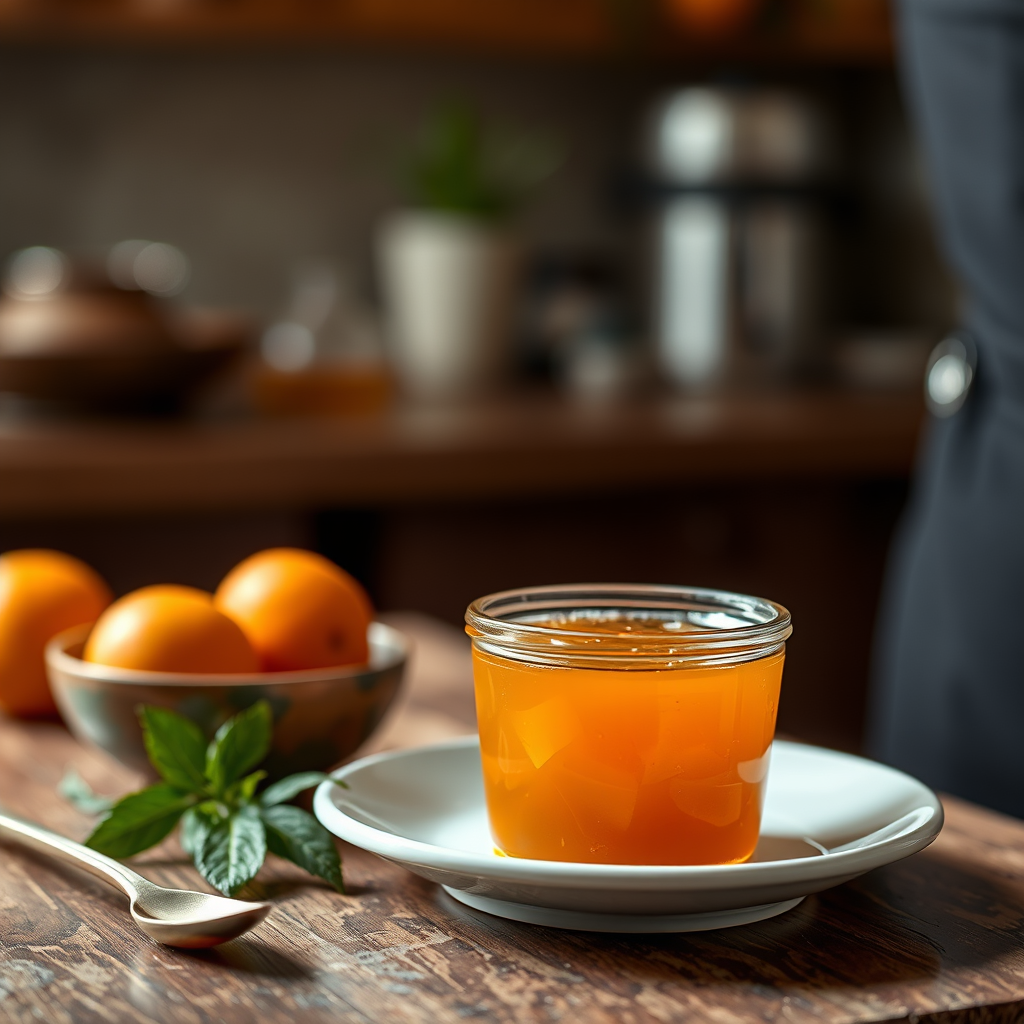
One frequent pitfall is inaccurately measuring the apricot juice; using too little can yield a jelly that fails to set, resulting in a syrupy consistency rather than a firm gel. Many novice jelly makers neglect to bring the mixture to a full rolling boil, a critical step for activating the pectin effectively, which can leave the jelly runny. Skipping the foam-skimming step can detract from the jelly’s visual appeal, as foam can solidify and create an unsightly layer on top once cooled. Moreover, not processing the jars in a boiling water bath for the recommended duration can lead to spoilage, as the jelly may not have been properly sealed or preserved.
Special Cases That Need a Different Approach
If you opt for frozen apricots instead of fresh ones, reduce the water amount to 1/2 cup, as frozen fruits tend to release more liquid during cooking. For those seeking a reduced-sugar version, look for low-sugar pectin options and follow the specific instructions from the manufacturer to ensure proper setting. If you live at a high altitude (over 1,000 feet), increase the boiling time by 1 minute for every additional 1,000 feet to guarantee proper sealing. For those interested in flavor variations, consider infusing the apricot mixture with herbs like rosemary or mint, but do so in small batches to maintain safety standards.
When You Need a Professional
If you notice signs of spoilage in the jars post-canning, such as bulging lids or off-smelling contents, discard the jelly immediately and consult a food safety expert for further advice. In cases of serious allergies to ingredients used in the recipe (such as fruit, sugar, or pectin), seek guidance from a licensed dietitian or allergist to explore alternatives before proceeding. If you are uncertain about the canning process or have questions regarding food preservation standards in your area, contact a local cooperative extension service for expert advice. Additionally, if you plan to sell your apricot jelly commercially, consult a food safety professional or local health department to ensure compliance with legal requirements and safety standards.
Sources and Further Reading
– USDA Complete Guide to Home Canning: A trusted resource for safe canning techniques and guidelines (US Department of Agriculture, 2023).
– National Center for Home Food Preservation: Offers extensive information on food preservation methods and safe canning practices.
– “The Ball Book of Canning and Preserving”: An authoritative guide on canning techniques, recipes, and troubleshooting tips.
– Local Cooperative Extension Services: A valuable source for region-specific canning advice and food safety information.
Frequently Asked Questions
What ingredients do I need for a basic apricot jelly recipe?
To make a basic apricot jelly, you will need fresh apricots, granulated sugar, water, and pectin. The quality of the apricots is crucial for flavor, so choose ripe, sweet fruits for the best results. Additionally, make sure to have sterilized jars ready for canning.
How do I properly prepare apricots for making jelly?
Start by washing the apricots thoroughly to remove any dirt or pesticides. Then, cut them in half, remove the pits, and chop the fruit into smaller pieces. Cooking the chopped apricots with water will help release their juices, which is essential for making a flavorful jelly.
Why is pectin important in an apricot jelly recipe?
Pectin is a natural thickening agent that helps the jelly to set properly. It binds with the sugars and acids in the fruit, creating a gel-like consistency. Using the right amount of pectin is crucial; too little can result in a runny jelly, while too much can make it overly firm.
What is the best method for canning apricot jelly?
The best method for canning apricot jelly is the water bath canning technique. After pouring the hot jelly into sterilized jars, seal them with lids and process in a boiling water bath for about 5-10 minutes. This method ensures that the jelly is preserved safely and can be stored for months.
Which tools do I need to make apricot jelly at home?
To make apricot jelly at home, you will need basic kitchen tools such as a large pot for cooking, a stirring spoon, a ladle for filling jars, a canning funnel for neat pouring, and a water bath canner. Additionally, having a food thermometer and jar lifter can help ensure safety and accuracy during the canning process.
References
- Apricot
https://en.wikipedia.org/wiki/Apricot - Master-planned in exurbia: examining the drivers and impacts of master-planned communities at the…
https://www.fs.usda.gov/treesearch/pubs/45367 - Checking your browser – reCAPTCHA
https://www.ncbi.nlm.nih.gov/pmc/articles/PMC6416763/ - Checking your browser – reCAPTCHA
https://www.ncbi.nlm.nih.gov/pmc/articles/PMC4272185/ - https://www.sciencedirect.com/science/article/pii/S2212670816300736
https://www.sciencedirect.com/science/article/pii/S2212670816300736 - https://www.jstor.org/stable/10.5325/jchemecol.31.9.1647
https://www.jstor.org/stable/10.5325/jchemecol.31.9.1647 - Google Scholar Google Scholar
https://scholar.google.com/scholar?q=apricot+jelly+recipe - Google Scholar Google Scholar
https://scholar.google.com/scholar?q=preserving+apricot+jelly - Google Scholar Google Scholar
https://scholar.google.com/scholar?q=apricot+jam+nutritional+benefits - https://www.britannica.com/topic/apricot-jam
https://www.britannica.com/topic/apricot-jam